
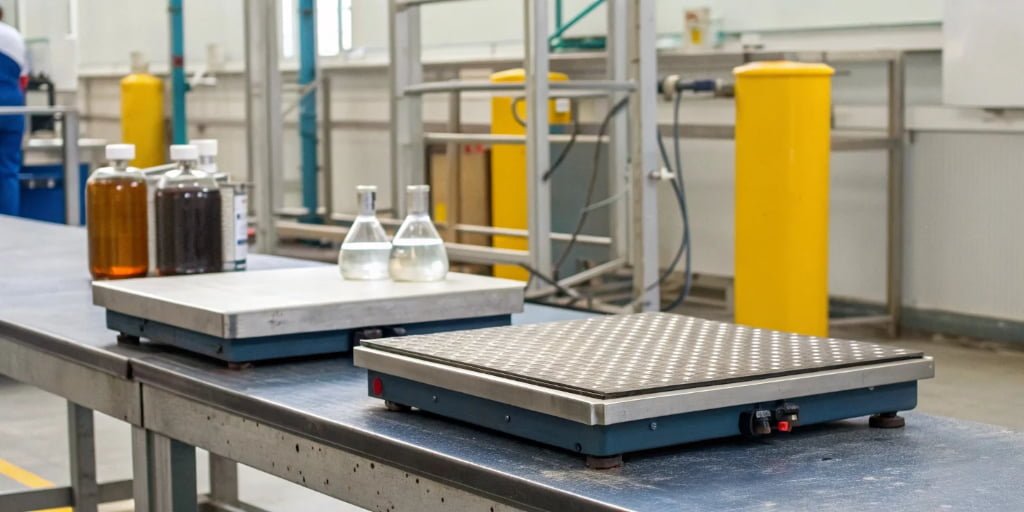
Are you worried about unnoticed sparks causing a disaster in your chemical plant? The risk is real. A tiny error or a single spark from standard equipment can lead to catastrophic consequences.
Intrinsically safe scales are essential because they are engineered to prevent sparks and overheating in explosive atmospheres. Their low-energy design eliminates ignition sources, ensuring operational safety, compliance with regulations, and the protection of both personnel and facilities in the chemical industry.
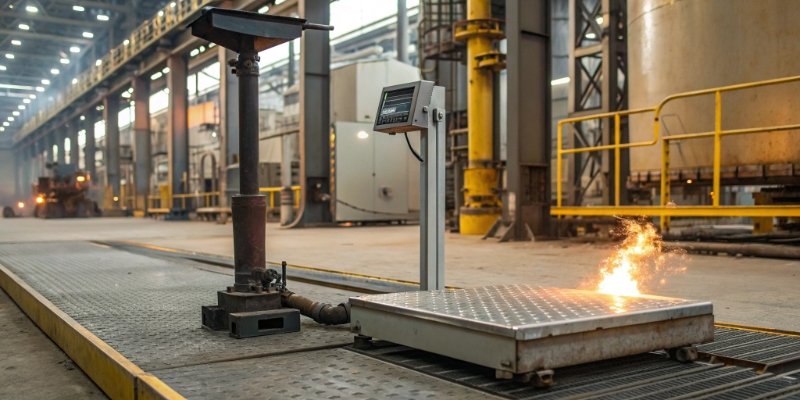
In my 18 years of manufacturing industrial scales, I've seen firsthand how precision and safety1 are two sides of the same coin in the chemical sector. A simple weighing task becomes a high-stakes operation when flammable gases2, vapors, or dust are present. The wrong equipment doesn't just give a bad reading; it becomes a potential ignition source. This is why the conversation must shift from just accuracy to inherent safety. Moving forward, we'll explore why this principle of intrinsic safety3 extends beyond just scales and is a fundamental pillar of modern industrial safety. Understanding this concept is key to creating a truly secure work environment.
Why Is It Important to Use Only Intrinsically Safe Gas Detection Instruments?
Struggling to ensure your safety gear won't become a hazard itself? Using standard electronics in a volatile area is like playing with fire, where your safety device could trigger the very disaster it's meant to prevent.
Intrinsically safe gas detectors are crucial because, like scales, they operate on low-power circuits that cannot generate a spark or heat capable of igniting flammable gases. This design is the only way to safely monitor hazardous environments without introducing an ignition risk.
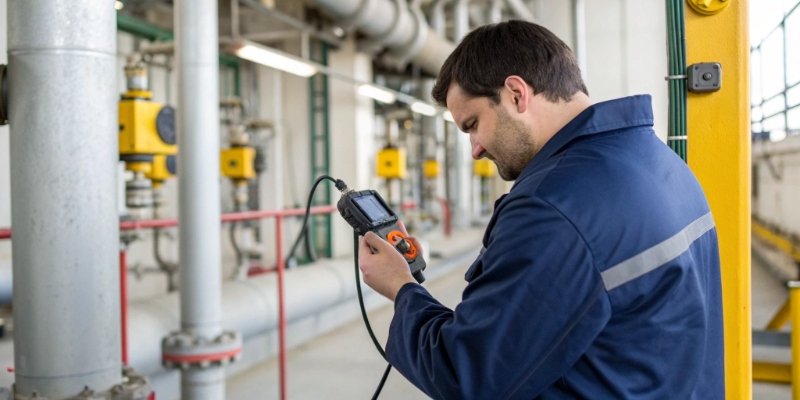
The principle behind an intrinsically safe gas detector is identical to that of an intrinsically safe scale. Both are designed for environments where the air itself could be explosive. Standard electronic devices, even small ones, contain components like batteries, switches, and processors that can create tiny, unseen electrical arcs or hot surfaces. In a chemical facility, that's all it takes to cause an explosion. Intrinsically safe equipment routes all electrical energy through protective components, often called zener barriers. These barriers limit the voltage and current to levels that are physically incapable of creating an ignition-capable spark. This isn't just a feature; it's a fundamental design philosophy. We build our scales with this same core principle because we know any electronic device introduced into a hazardous zone must be inherently safe by design.
| Feature | Standard Electronics | Intrinsically Safe (IS) Electronics |
|---|---|---|
| Circuit Energy | High voltage/current | Low, current-limited, and voltage-limited |
| Spark Potential | High | Negligible; prevented by design |
| Component Safety | Not certified for hazardous areas | Certified components, often encapsulated |
| Heat Generation | Can exceed ignition temperatures | Surface temperature is strictly controlled |
Why Is Safety So Important in the Chemical Industry?
Do you ever underestimate the chain reaction a small mistake can set off? In the chemical industry, a minor error in measurement isn't just a quality issue; it's a direct threat to safety, property, and lives.
Safety is paramount because chemical processes are often volatile and unforgiving. A slight deviation in weight can lead to incorrect formulations, causing unstable reactions, explosions, or the release of toxic substances, making precise and safe equipment like our scales essential.

From my experience, the foundation of chemical safety is precision. Think of it as a domino effect. It starts with weighing raw materials. If the scale is inaccurate or, worse, not designed for the environment, you introduce two major risks. First, an incorrect weight leads to an improper chemical ratio. This can create an unstable mixture that might react violently, produce dangerous off-gassing, or simply ruin a multi-thousand-dollar batch. Second, if the scale isn't intrinsically safe, its own operation could ignite flammable fumes released during the process. We once worked with a client who learned this the hard way after a near-miss incident. It completely changed their purchasing policy. They realized that investing in a certified, accurate, and intrinsically safe scale isn't an expense; it's the most critical insurance policy they could buy.
| Stage | Consequence of Inaccurate Weighing |
|---|---|
| Formulation | Incorrect ratio of reactants |
| Reaction | Unstable process, potential for runaway reaction |
| Safety | Risk of fire, explosion, or toxic release |
| Quality | Failed batch, wasted materials, and financial loss |
| Compliance | Violation of safety regulations4 (e.g., ATEX5, IECEx6) |
Why Aren't Phones Intrinsically Safe?
Have you ever considered why you're told to leave your phone behind when entering a hazardous zone? That powerful device in your pocket is a significant ignition risk in a volatile environment.
Standard phones are not intrinsically safe because their high-energy components, like batteries, processors, and screens, can easily create sparks or heat that exceed the ignition temperature of flammable atmospheres. They lack the specialized low-power design and protective circuits required for safety.
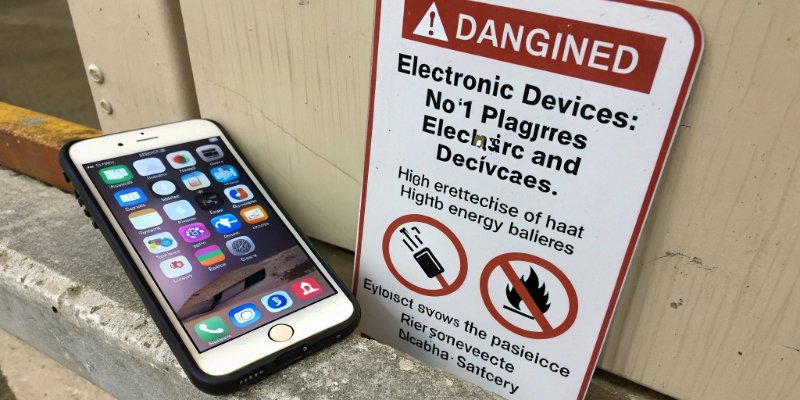
A mobile phone is a perfect example of an unsafe electronic device for hazardous areas. It’s packed with energy. The lithium-ion battery stores a significant electrical charge, the screen backlight generates heat, and the internal processor and radio antennas are constantly active. Any of these could malfunction or create a small arc during normal operation, which would be harmless in an office but catastrophic in a room filled with flammable solvent vapor. Intrinsically safe devices are the complete opposite. They are built from the ground up with low-power components. Their batteries are designed to have limited discharge capacity, and all circuits are protected to ensure no spark can ever be generated. As a manufacturer, we apply this same logic to our scales. Just as you wouldn't use your personal phone in a Zone 17 area, you should never use a standard office scale for weighing chemicals there.
| Component | Standard Phone Risk | Intrinsically Safe Device Feature |
|---|---|---|
| Battery | High energy, risk of shorts/sparks | Low-power, current-limited design |
| Circuitry | Can create electrical arcs | Encapsulated, spark-proof circuits |
| Display/Casing | Can generate heat, build static | Anti-static materials, controlled surface temp |
| Overall Design | Optimized for performance | Optimized exclusively for safety |
Why Would You Need Intrinsically Safe Equipment?
Are you confused about which areas of your plant require special equipment? Simply put, you need intrinsically safe equipment wherever a flammable or explosive atmosphere could exist, even for a short time.
You need intrinsically safe equipment to comply with safety regulations and prevent explosions in classified hazardous locations. These are areas where flammable gases, liquids, dust, or fibers create a risk of ignition from standard electrical devices.
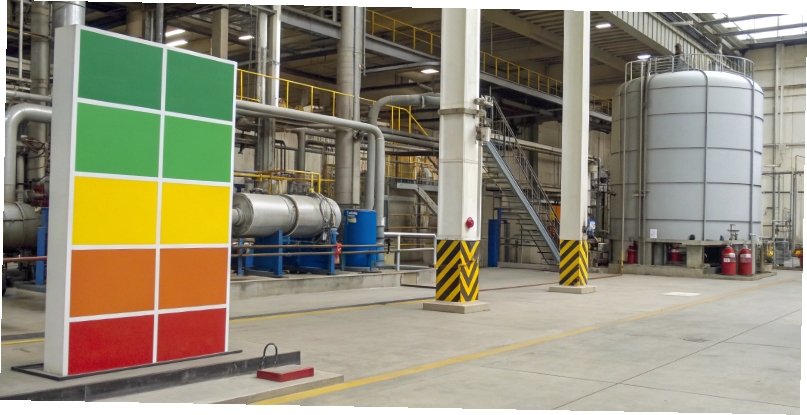
The need for intrinsically safe equipment isn't a suggestion; it's a legal and ethical requirement governed by standards like ATEX in Europe and IECEx internationally. These standards classify hazardous areas into zones based on the frequency and duration of an explosive atmosphere's presence. For example, Zone 08 is an area where an explosive gas atmosphere9 is present continuously. Zone 1 is where it's likely to occur in normal operation, and Zone 210 is where it's unlikely but possible. Each zone requires a specific category of equipment certified to be safe for that level of risk. As an OEM/ODM provider, we help our clients by providing scales certified for these specific zones. This ensures they are not only protecting their people and plant but also meeting strict regulatory compliance. Choosing the right equipment isn't just about the device itself; it's about matching its safety rating to the specific environment it will be used in.
| Hazardous Zone | Description (Gas/Vapor) | Required Equipment Principle |
|---|---|---|
| Zone 0 | Explosive atmosphere present continuously | Must be safe with two independent faults |
| Zone 1 | Explosive atmosphere likely in normal operation | Must be safe with one fault |
| Zone 2 | Explosive atmosphere unlikely, exists for short periods | Must be safe in normal operation |
Conclusion
Ultimately, using intrinsically safe scales in the chemical industry is a non-negotiable requirement for protecting lives, ensuring compliance, and maintaining operational integrity in hazardous environments.
-
Discover the relationship between precision and safety in chemical manufacturing. ↩
-
Learn about flammable gases and the safety measures needed to handle them. ↩
-
Explore the concept of intrinsic safety and its application in hazardous environments. ↩
-
Explore the safety regulations that govern operations in chemical plants. ↩
-
Learn about the ATEX directive and its role in ensuring safety in explosive atmospheres. ↩
-
Understand the importance of IECEx certification for equipment used in hazardous areas. ↩
-
Explore the characteristics and safety requirements of Zone 1. ↩
-
Learn about Zone 0 and its requirements for safety equipment. ↩
-
Understand the implications of explosive gas atmospheres in industrial settings. ↩
-
Discover the safety standards and equipment needed for Zone 2 environments. ↩


Comments (0)