
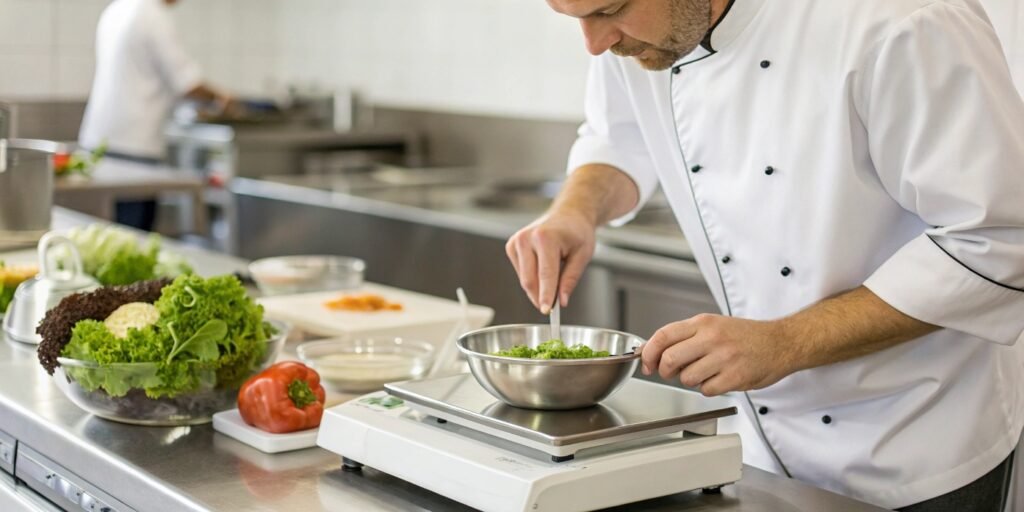
Your recipe failed, but you followed every step. It's incredibly frustrating. The secret isn't the instructions; it's how you measure. Using a scale is the simple fix you need.
Professional chefs use weight for measurement because it is the most accurate and consistent method. Unlike volume (cups and spoons), weight is an absolute value that is not affected by factors like ingredient density, humidity, or how it is packed. This guarantees repeatable, perfect results every time.
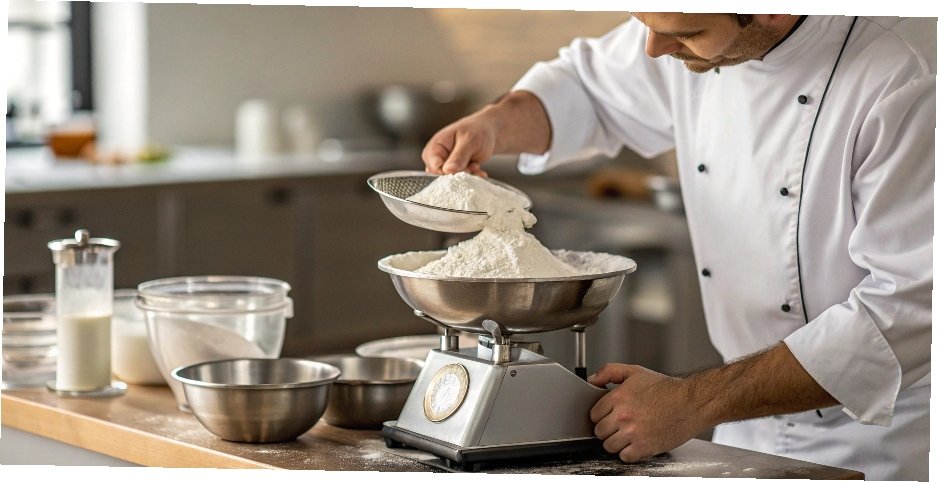
I've spent years in the world of precision measurement, and I've seen firsthand how crucial it is in industrial settings. But the same principles apply right in your kitchen. Shifting from measuring cups to a digital scale can feel like a small step, but it's a giant leap toward professional-level cooking and baking. It's about taking control and removing the guesswork from your recipes. Let's explore why this one simple tool makes all the difference.
Is it more accurate to measure ingredients by weight or volume?
You followed a trusted recipe perfectly, but the result was a letdown. Volume measurements like cups and spoons can be very misleading. The solution is to measure by weight for true accuracy.
Yes, measuring ingredients by weight is far more accurate than measuring by volume. Weight is a constant, objective measure of mass. Volume can change dramatically based on how an ingredient is handled, leading to inconsistent and unpredictable results in your cooking and baking.
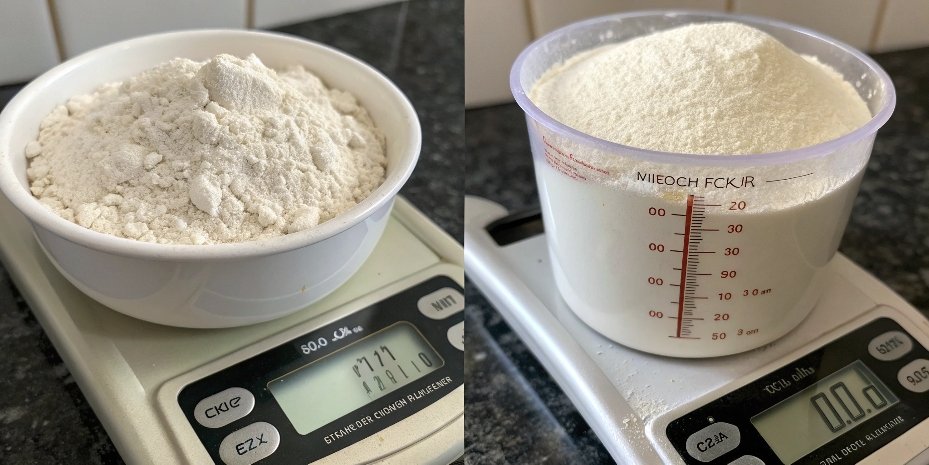
The biggest problem with volume is that it doesn't account for density. Think about a cup of flour. If you scoop it directly from the bag and level it off, it will be compact and heavy. If you spoon the flour into the cup and then level it, it will be lighter and fluffier. The volume is the same—one cup—but the actual amount of flour could differ by 20% or more. This single variable can be the difference between a light, airy cake and a dense, dry one. At my company, we build industrial scales that have to be precise to the microgram, because we know that small variations can have huge consequences. The same logic applies to your kitchen.
The Problem with Cups and Spoons
Weight is a direct measure of how much "stuff" you have. Volume is just the space it takes up. This difference is critical for dry ingredients.
| Measurement Method | Weight of 1 Cup of All-Purpose Flour | Potential Outcome |
|---|---|---|
| Dip and Sweep | ~150 grams | Dry, tough baked goods due to too much flour. |
| Spooned and Leveled | ~120 grams | The correct ratio for most professionally written recipes. |
| Sifted before Measuring | ~100 grams | Wet batter, potential for baked goods not to set. |
As you can see, the same "one cup" can mean three very different things. A scale eliminates this guesswork completely. 120 grams is always 120 grams.
What are the main advantages of using a kitchen scale for baking?
Baking feels like a random experiment sometimes. A perfect cake one day is a disaster the next. Your kitchen scale is the key tool to get consistent, scientific results every single time.
The main advantages of using a kitchen scale for baking are unmatched accuracy, guaranteed consistency, and easier recipe scaling. A scale removes all the guesswork, ensuring that your delicate ratios of flour, sugar, and leavening are perfect every single time you bake.
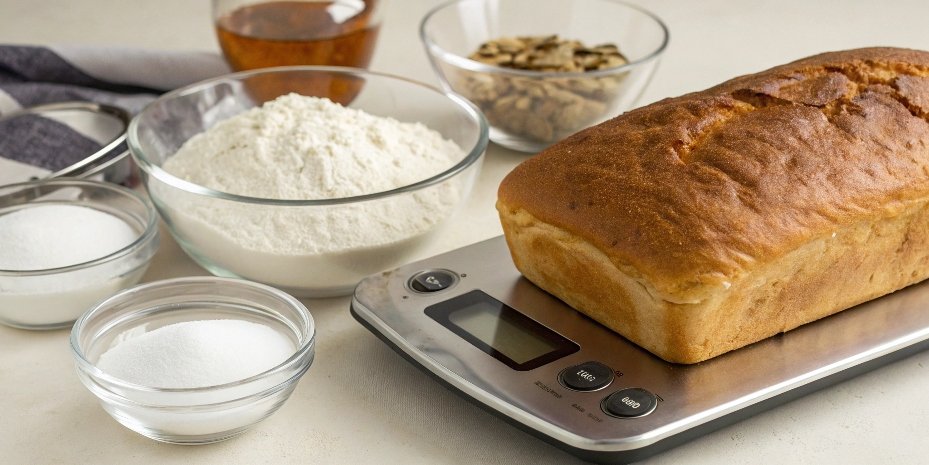
Baking is chemistry. Unlike cooking, where you can often adjust as you go, baking relies on precise chemical reactions between your ingredients. A small error in your measurements can throw the entire recipe off balance. For example, too much flour can make your cookies tough, while not enough can make them spread into a greasy mess. A scale ensures your ratios are perfect, so the reactions happen exactly as the recipe writer intended. In my experience, the moment I switched to weighing for my weekend baking projects was the moment they started turning out like the pictures in the cookbook.
Scaling Recipes with Ease
Another huge advantage is how simple it makes adjusting a recipe. Let's say you want to make a half batch of cookies or a bigger cake for a party. Doubling "1 ¾ cups" is messy and often inaccurate. But doubling 210 grams is just a simple matter of measuring out 420 grams. Professionals use a method called "baker's percentage," where every ingredient is a percentage of the flour's weight. This makes it incredibly easy to scale recipes up or down with perfect precision. Plus, weighing is often faster and creates less mess. You can measure everything directly into one bowl by using the "tare" function, which resets the scale to zero. That means fewer measuring cups and spoons to wash later.
Why do professional recipes list ingredients in grams instead of cups?
You find a fantastic recipe from a professional chef, but the ingredient list is all in grams. It seems intimidating and requires a special tool. But there's a powerful reason for this industry standard.
Professional recipes use grams for universal accuracy and consistency. A gram is a globally recognized unit of mass, ensuring a chef in Tokyo can perfectly replicate a dish from a chef in Paris. Cups, however, vary in size between countries, making them unreliable for professional use.

Imagine trying to run a global business where every country used a slightly different unit of measurement for your product. It would be chaos. That's why in science and industry, we use the metric system. It's a universal language. The same is true in professional kitchens. A U.S. cup is 240ml, but a metric cup is 250ml, and a UK cup can be 284ml. Relying on "cups" for a recipe would create inconsistent results across borders. Grams, on the other hand, are absolute. This standardization is crucial for maintaining a restaurant's quality and brand, ensuring that a signature dish tastes the same no matter which chef is preparing it.
The Universal Language of Cooking
Using weight also removes all the ambiguity from a recipe. Vague terms like "a pinch of salt," "a heaping tablespoon," or "one medium onion" are open to interpretation. How big is a medium onion? My idea of a pinch might be very different from yours. But "12 grams of salt" or "150 grams of diced onion" is perfectly clear and repeatable. Professionals don't leave things to chance. They control every variable they can to guarantee the quality of the final product. Using precise weight measurements is a foundational part of that control, allowing them to create and share recipes that work perfectly every time, for everyone.
How does weighing ingredients lead to more consistent results?
You make the same dish every week, but it never turns out exactly the same. This inconsistency is frustrating and can be a waste of time and ingredients. Weighing is your path to repeatable perfection.
Weighing ingredients leads to more consistent results by eliminating the single biggest source of error: inaccurate measurement. By using the exact mass of each ingredient every time, you create a perfect blueprint that can be replicated for the same delicious outcome, time after time.
Consistency comes from controlling your variables. When you measure with cups, you are introducing a huge, uncontrolled variable. As we've discussed, the actual amount of flour in your cup can vary wildly. But when you measure 500 grams of flour, you are using precisely 500 grams of flour today, tomorrow, and next year. You have created a reliable standard. It's the difference between trying to build a house with a string for measurement versus a laser-calibrated tape measure. One method gives you a shaky foundation; the other gives you a solid, reliable structure every time.
From Guesswork to Guarantee
This principle is the core of our business in industrial weighing. Our clients rely on our scales to produce consistent products, manage inventory, and ensure quality. Your kitchen is no different, just on a smaller scale. When you start weighing, you're not just cooking; you are replicating a successful formula. This also helps with health and diet management. Precisely controlling your intake of salt, sugar, or fats becomes easy. You can accurately calculate calories because you know the exact raw weight of your food. Ultimately, weighing your ingredients transforms cooking from an art of guesswork into a science of precision. It empowers you to produce dishes that are not just good once, but reliably excellent every single time.
Conclusion
Weighing your ingredients is the key to unlocking accuracy and consistency in your kitchen. It's the simple change that delivers professional-level results, turning your good recipes into great and repeatable ones.


Comments (0)