

Struggling with inconsistent recipes and inaccurate portion control? This makes cooking frustrating. A digital kitchen scale is the simple solution for perfect results every time.
Digital scales are popular because they offer unmatched precision for healthy eating and consistent cooking. They help manage nutrition accurately, ensure baking success, and streamline meal prep, making them essential tools.
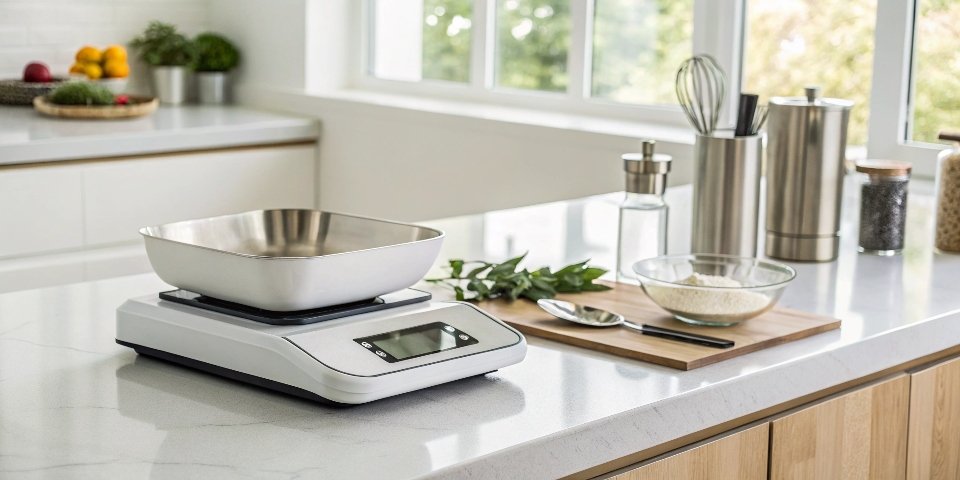
It's clear that these little devices pack a big punch. But you might be wondering what specific tasks they handle that make them so indispensable. As a company that has spent 18 years perfecting weighing technology, from industrial systems to the principles behind these kitchen tools, I've seen firsthand how precision changes everything. Let's break down exactly what a digital scale does in the kitchen.
What is a digital scale used for in the kitchen?
Feel like your cooking is a game of chance? Measuring cups can be surprisingly inaccurate. Don't let inconsistent measurements ruin another meal or baking project again.
A digital scale is used for precisely measuring ingredients by weight, not volume. This ensures consistency in recipes, helps with portion control for diets, and is essential for baking perfection.
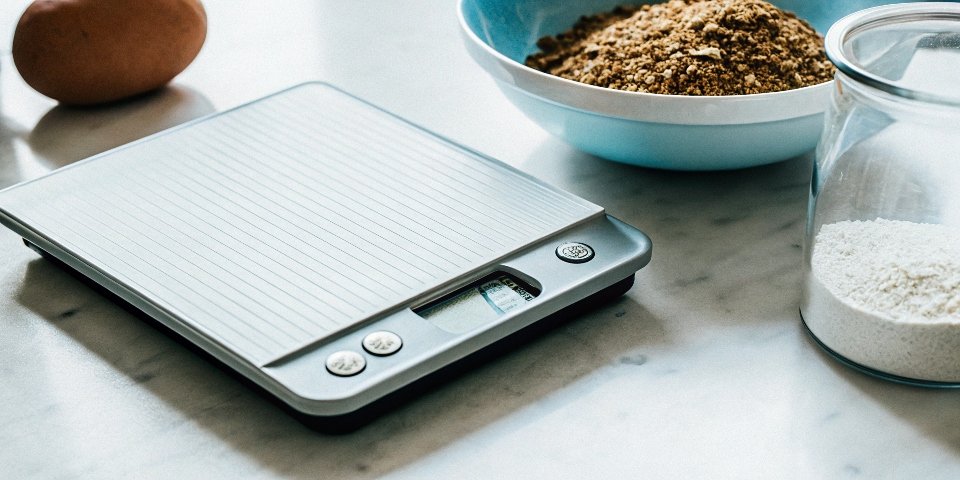
In my experience, precision is the difference between success and failure, whether in an industrial setting or a home kitchen. A digital scale moves you from approximation to accuracy.
For Perfect Recipes
Baking is a science. Unlike cooking, where you can often eyeball ingredients, baking requires exact ratios. One cup of flour can weigh anywhere from 120g to 150g depending on how it's packed. A scale removes this variable. It's also faster for sticky ingredients like honey; just place the bowl on the scale, tare it to zero, and pour until you hit your target weight. No messy measuring spoons.
For Health Management
If you're tracking calories or macros1 for a diet, a scale is a non-negotiable tool. It allows you to weigh your portions accurately, giving you true control over your intake. This is crucial for managing weight, blood sugar, or ensuring a baby gets balanced nutrition from homemade food.
For Other Tasks
The use of a scale extends beyond just cooking and baking. Many people use them to portion out coffee beans for the perfect brew. I've even seen people use them for non-kitchen tasks like crafting2, soap making3, or weighing mail to ensure correct postage.
What is the purpose of a kitchen scale?
Are you aiming for healthier eating habits or perfect sourdough bread? Relying on guesswork can sabotage your goals. A scale is the key to achieving your kitchen ambitions.
The main purpose of a kitchen scale is to provide accuracy and consistency. This empowers you to follow recipes perfectly, manage your diet effectively, and reduce food waste by using precise amounts.

The purpose goes beyond simple measurement; it's about achieving a desired outcome. For over 18 years, our focus at Weigherps has been on helping clients achieve their goals through accurate weighing, and the principle is the same in your kitchen.
Achieving Consistency
Think of your favorite bakery. Their cookies taste the same every time because they weigh their ingredients. A kitchen scale brings that level of professional consistency to your home. Your family's favorite cake will have the same perfect texture every single time you make it.
Achieving Health Goals
The purpose here is control. If a doctor recommends a specific diet, a scale provides the tool to follow it accurately. It’s not just about losing weight; it’s about managing conditions like diabetes or ensuring an infant gets balanced nutrition. It turns vague instructions into actionable steps.
Achieving Efficiency
A key purpose is to make your workflow smoother. Measuring everything in one bowl using the tare function4 means fewer dishes to wash. It's also much faster than leveling off multiple measuring cups5 and spoons. This efficiency is something we strive for in our industrial systems, and it's just as valuable at home.
| Goal | Method with Cups | Method with Scale |
|---|---|---|
| Consistency | Varies with packing | Always the same weight |
| Health | Guesstimate of portion | Precise calorie/macro count |
| Efficiency | Multiple dirty utensils | One bowl, less cleanup |
Why is the scale different every day?
You step on your scale and the number has changed from yesterday. This fluctuation can be confusing and frustrating. Let's understand why this happens and what it means.
Your body weight naturally fluctuates daily due to water retention, food intake, and digestion. A single reading isn't a true measure of progress. It's the long-term trend that matters most.
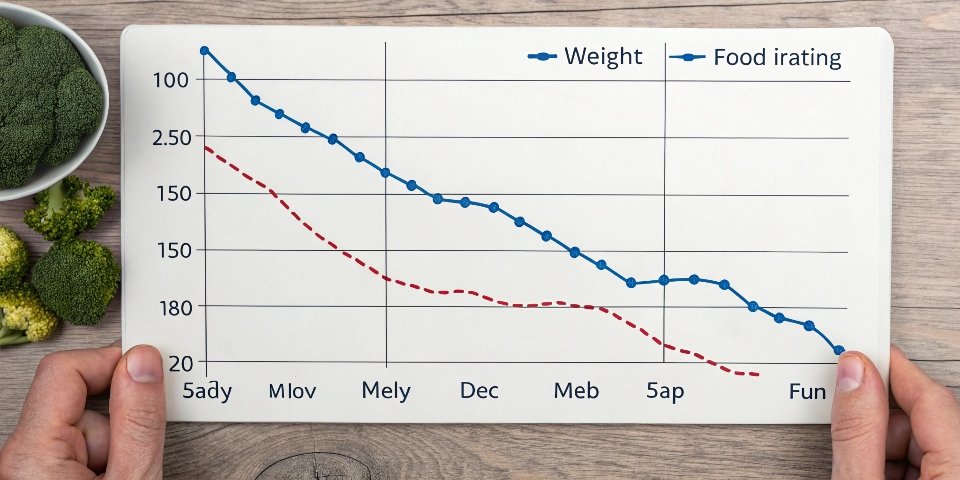
This is a question I hear a lot, and it speaks to the nature of measurement itself. In our quality control department, we test every scale for accuracy, but the thing being weighed is often the variable, especially when it's the human body.
Natural Body Fluctuations
Your body is not a static object. Its weight can change by several pounds or kilograms within a single day. Here are the main reasons:
- Water Retention: A salty meal or your hydration level can cause your body to hold onto more water.
- Food & Drink: The physical weight of the food and liquid you consume is in your system until it's processed.
- Digestion: Your digestive tract is always working, and the contents have weight.
How to Measure Correctly
For consistent tracking, it's best to weigh yourself at the same time each day, like in the morning after using the restroom and before eating. However, do not fixate on one day's number. Focus on the weekly or monthly trend instead. A good scale gives you an accurate data point; it's up to you to interpret the trend. This is also true for kitchen scales—always place them on a flat, stable surface for an accurate reading.
Why don't Americans use kitchen scales?
Ever noticed American recipes use cups and spoons, while European ones use grams? This difference can make baking from international recipes a real headache. Let's explore why.
Historically, American recipes standardized around volume measurements (cups, spoons) because they were readily available in every household. This tradition persists, although many people are now switching to scales for better accuracy.
This is a great question that touches on history and culture. As a global supplier, we are always aware of how different regions have different standard practices, and weighing is a prime example. We provide customized solutions for different market needs because we recognize that measurement standards vary globally.
The Tradition of Volume
The use of cups in the U.S. dates back to the late 1800s. Pioneers like Fannie Farmer promoted level-teaspoon and cup measurements to make recipes accessible when not everyone owned a scale. This system became deeply ingrained in American cooking culture and was passed down through generations. Cookbooks were all written this way, which reinforced the habit.
The Modern Shift to Weight
However, things are changing. With the internet, Americans have access to recipes from all over the world, most of which use weight. Furthermore, popular baking shows have highlighted the importance of precision. Most importantly, the growing focus on health and nutrition has made many people realize that for accurate tracking, weight is the only reliable method. We are seeing this shift in demand as more people move away from older, less accurate methods.
Conclusion
A digital scale brings precision, consistency, and control to your kitchen. It's an affordable tool that transforms your cooking, baking, and health management for the better.
-
Understand how tracking your intake can aid in achieving your health goals. ↩
-
Explore creative ways to use a digital scale beyond the kitchen. ↩
-
Learn how precision in measurements can enhance your soap making process. ↩
-
Discover how the tare function can simplify your measuring process. ↩
-
Understand the limitations of measuring cups and why a scale is often preferred. ↩



[…] to dampen vibrations. Anytime you move a scale, it's best to let it settle and then use the Tare function6 to zero it […]