
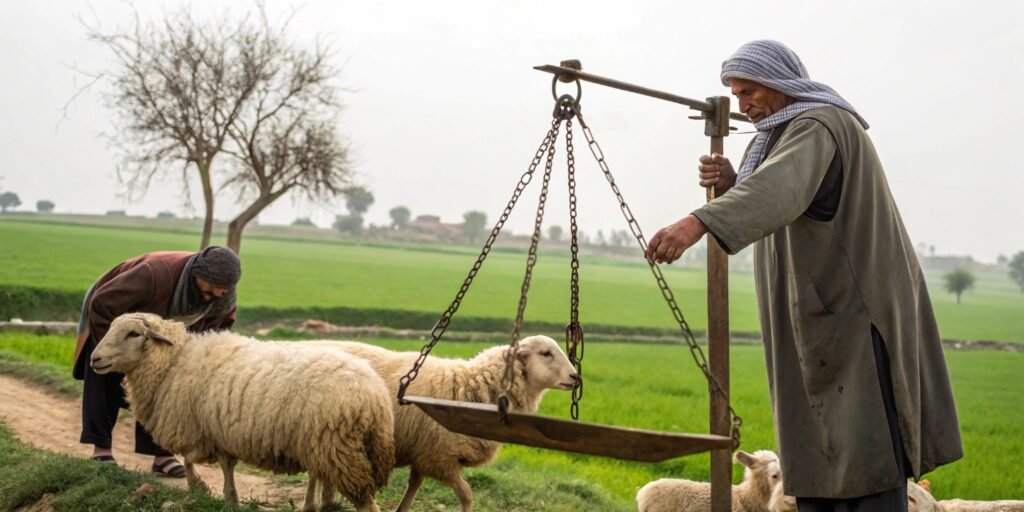
Managing a sheep farm without data is a huge gamble. This uncertainty can lead to poor animal health and lower profits. Regular weighing provides the crucial data you need to succeed.
Weighing sheep is essential for modern farming. It allows you to monitor health, optimize feed, ensure correct medication dosages, make smart breeding choices, and maximize the market value of your flock. It turns guesswork into a data-driven business, improving both animal welfare and your bottom line.
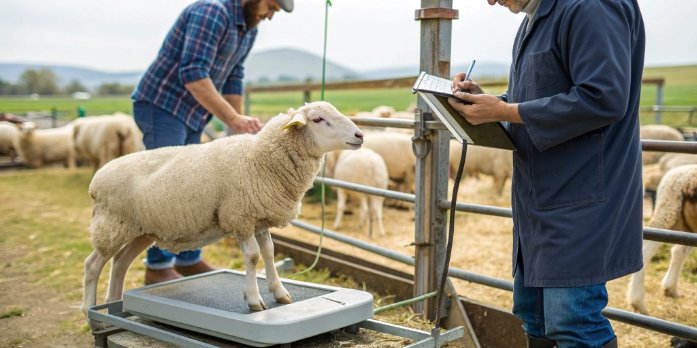
When I first started in this industry, I saw many farmers rely on just their eyes to judge the health and value of their flock. It's a skill, but it has limits. Today, we have the technology to be precise, and that precision is what separates a good farm from a great one. The simple act of weighing an animal opens up a world of information that can transform your entire operation. We believe that what gets measured gets managed. Let's dig into why this simple task is so powerful and how it can help you achieve your goals.
How does regular weighing improve lamb health and growth rates?
You might think a lamb looks healthy, but it could be falling behind. This unseen problem can hurt your flock's future productivity and survival rates. Regular weight checks help you catch these issues early.
Regular weighing lets you track a lamb's growth against set benchmarks. This helps you identify underperforming or sick lambs early. You can then adjust their food or give them medical care right away. This leads to healthier lambs and better growth for the entire flock.
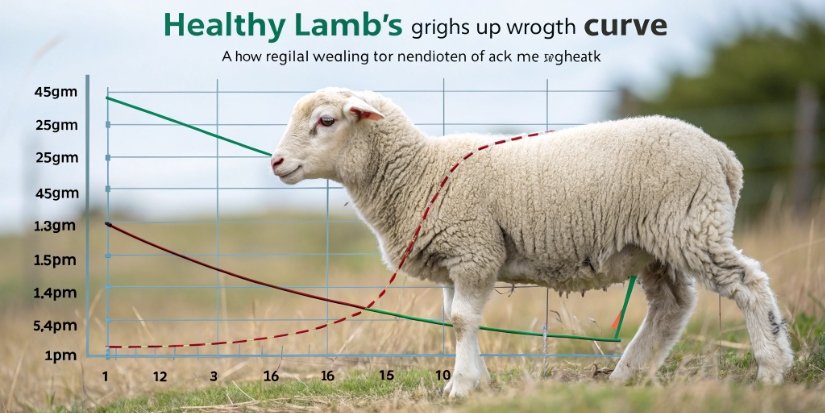
As a manufacturer, we've seen countless cases where our scales made a direct impact on animal health1. The data you get from weighing is more than just a number; it's a direct line of communication with your animals. It tells you exactly what they need, often before you can see any physical signs of trouble. This proactive approach is key to raising a strong, healthy, and profitable flock.
Early Intervention for Better Health
A lamb's weight is one of the first indicators of its health. A sudden stall or drop in weight gain is often the first sign of a problem, like a parasitic infection or other illness. You can spot this on a weight chart long before the lamb looks visibly sick. Catching these problems early means you can provide treatment faster. This leads to quicker recoveries, lower vet bills, and a much higher survival rate. It's about moving from reacting to problems to preventing them.
Data-Driven Nutrition
Are your lambs getting enough milk? Is their feed providing the right nutrients? Weight data answers these questions. By tracking weekly weight gain, you can see if your lambs are meeting their growth targets. If they are not, you can make immediate changes. This could mean supplementing their diet or adjusting the ewe's feed. This ensures every lamb gets the nutrition2 it needs during critical growth periods.
| Age | Target Weight (Average) | Notes |
|---|---|---|
| Birth | 4 kg | Varies by breed and birth type |
| 4 Weeks | 15 kg | Shows ewe's milk production |
| 8 Weeks (Weaning) | 25 kg | Key indicator for future growth |
| 6 Months | 45 kg | Nearing market weight for some breeds |
What is the connection between a sheep's weight and its market value?
You might bring your sheep to market but not get the price you expected. Selling animals that are too light or too heavy can really hurt your profits. Knowing their exact weight lets you sell at the perfect time.
A sheep's market value is almost always based on its weight. Buyers and processors pay per kilogram. Weighing ensures your sheep meet the ideal weight class for the best prices. It also helps you avoid penalties for being underweight, which maximizes your final profit.
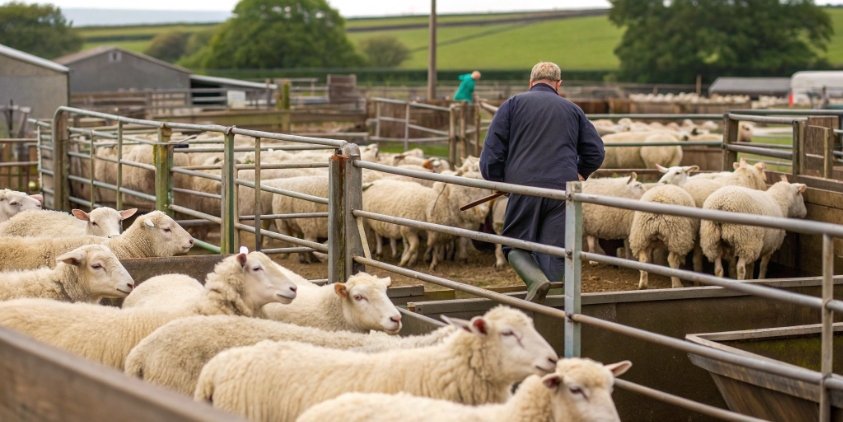
I talked to a farmer once who changed just one thing: he started weighing his lambs a month before his planned sale date. This allowed him to sort them into different feeding groups. He gave the lighter ones a higher-protein diet to help them catch up. At the sale, nearly his entire flock hit the premium weight class. He told me it was the most profitable year he'd ever had. This shows that a simple scale can become a powerful tool for increasing revenue.
Hitting the Market Sweet Spot
Different markets want different things. Some buyers want small, tender lambs, while others want larger, mature sheep. Each category has an ideal weight range that brings the highest price per kilogram. If your sheep are underweight, you get a lower price. If they are overweight, the price per kilogram can also drop, and you've spent extra money on feed for no reason. Using a scale allows you to sort your animals and sell them to the right market at the right time, ensuring you get the best possible price for every single one.
Controlling Costs, Maximizing Returns
Feed is one of the biggest costs in sheep farming. Keeping an animal past its optimal market weight means you are spending money on feed without getting a good return on that investment. The growth rate slows down, but the animal keeps eating. By weighing regularly, you can pinpoint the exact moment an animal hits that profitable "sweet spot." This is the point where its weight is ideal for the market, and you've spent the right amount on feed to get it there. This is how you control costs and maximize your return.
| Weight Class | Price per kg | Ideal Market |
|---|---|---|
| Light Lamb (35-40 kg) | $6.50 | Specialty Restaurants |
| Prime Lamb (41-50 kg) | $7.20 | Supermarkets / Premium Butchers |
| Mutton (>55 kg) | $5.80 | Processing / Bulk Meat |
How do farmers use weight data to make better breeding decisions?
Making breeding decisions based on looks alone can be very unreliable. This can lead to a slow decline in your flock's genetic quality and overall performance. Weight data gives you objective facts to select superior animals.
Farmers use weight data to find the fastest-growing lambs and the most productive ewes. This information lets them choose the very best animals for breeding. Over time, this improves the flock's genetics for faster growth rates and better performance.
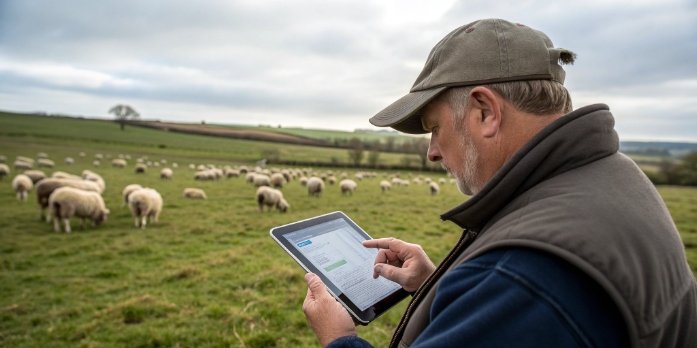
We designed our weighing systems to connect with farm management software for this very reason. Data is powerful, especially when you can track it over generations. By recording the weaning weights of lambs and linking them back to their parents, a clear picture emerges. You start to see which family lines are your top performers. This is not about having a few champion sheep; it's about raising the average quality of your entire flock, year after year.
Identifying Your Best Genetic Lines
How do you know which ewes are your best mothers? Or which ram produces the fastest-growing lambs? Weight data tells you. A key metric is the lamb's weaning weight. A heavier weight at weaning shows that the ewe is a good milk producer and that the lamb has good genetics for growth. By tracking this data, you can identify the ewes and rams that consistently produce high-performing offspring. These are the animals you should keep for your breeding program to build a more productive and profitable flock.
Improving Flock-Wide Efficiency
A successful farm is an efficient one. Weight data helps you make tough but necessary decisions about which animals to keep. A ewe that consistently produces small or slow-growing lambs is costing you money in feed and resources without providing a good return. By using weight records, you can objectively identify these underperforming animals and remove them from your breeding program. This process, known as culling3, is essential for improving the overall efficiency and genetic quality4 of your flock.
| Ewe ID | Lamb Weaning Weight (Year 1) | Lamb Weaning Weight (Year 2) | Lamb Weaning Weight (Year 3) | Average Weaning Weight |
|---|---|---|---|---|
| Ewe 201 | 28 kg | 30 kg | 29 kg | 29 kg |
| Ewe 205 | 22 kg | 24 kg | 23 kg | 23 kg |
Why is accurate weight crucial for calculating feed and medication dosages?
Guessing the right amount of feed or medicine for your sheep is risky. Giving too little is a waste of money because it won't work. Giving too much can be toxic and harm the animal. Accurate weight ensures every dose is safe and effective.
Accurate weight is critical because feed supplements and medications are dosed based on body mass. Correct dosages protect animal health, make treatments effective, and prevent wasting money or causing dangerous overdoses. This is vital for both the animal's welfare and your farm's budget.
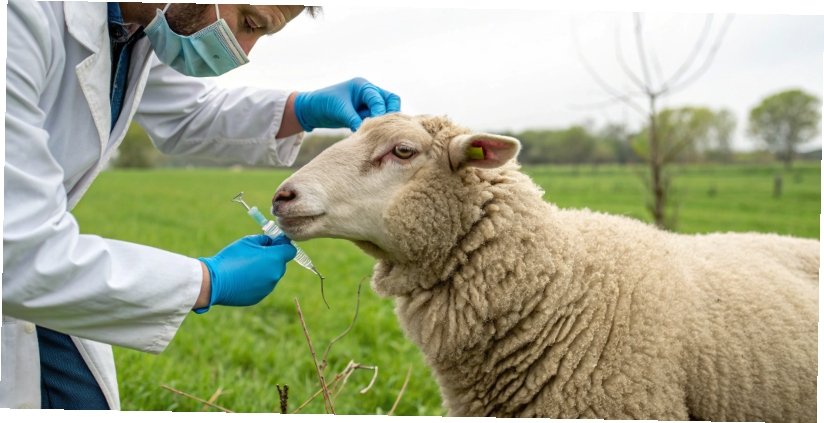
In my 18 years in the weighing industry, the importance of accuracy has been a constant theme. We've worked with vets who stress this point constantly. For example, underdosing a dewormer doesn't just fail to treat the animal; it helps create drug-resistant parasites. This is a huge problem for the entire industry. An accurate scale isn't just a tool for profit; it's a tool for responsible animal husbandry. It ensures you are doing right by your animals and protecting the long-term health of your flock.
The High Cost of an Incorrect Dose
When it comes to medication, accuracy is not optional. Many animal health treatments, especially for things like parasites, require a precise dose based on body weight to be effective. If you underdose, the treatment may not work, and you will have wasted your money. Even worse, it can contribute to drug resistance, making future treatments less effective for your entire flock. On the other hand, overdosing can be toxic to the animal, causing health complications or even death. An accurate weight measurement is the only way to guarantee you are giving the right dose every time.
Precision Feeding for Peak Performance
Modern farming relies on efficient feeding. You want to give your sheep exactly what they need to grow well, without wasting expensive feed. Nutritional requirements change based on the animal's weight and stage of life. A young, growing lamb needs a different diet than a pregnant ewe. By knowing the exact weight of your animals, you can create targeted feeding plans. This ensures that every sheep gets the right amount of energy and protein, optimizing their growth and health while keeping your feed costs5 under control.
| Sheep Weight Range | Dewormer Liquid Dose |
|---|---|
| 20-29 kg | 3 ml |
| 30-39 kg | 4 ml |
| 40-49 kg | 5 ml |
| 50-59 kg | 6 ml |
Conclusion
Weighing sheep is a simple act, but it has a huge impact. It improves animal health, leads to smarter breeding, and increases profits, making it essential for any modern farmer.
-
Learn about the direct benefits of regular weighing on sheep health and productivity. ↩
-
Learn how weight tracking can ensure optimal nutrition for sheep. ↩
-
Learn about the process of culling and its impact on flock quality. ↩
-
Learn how tracking weight can enhance the genetic performance of your flock. ↩
-
Discover strategies to manage feed costs effectively through weighing. ↩



Comments (0)