
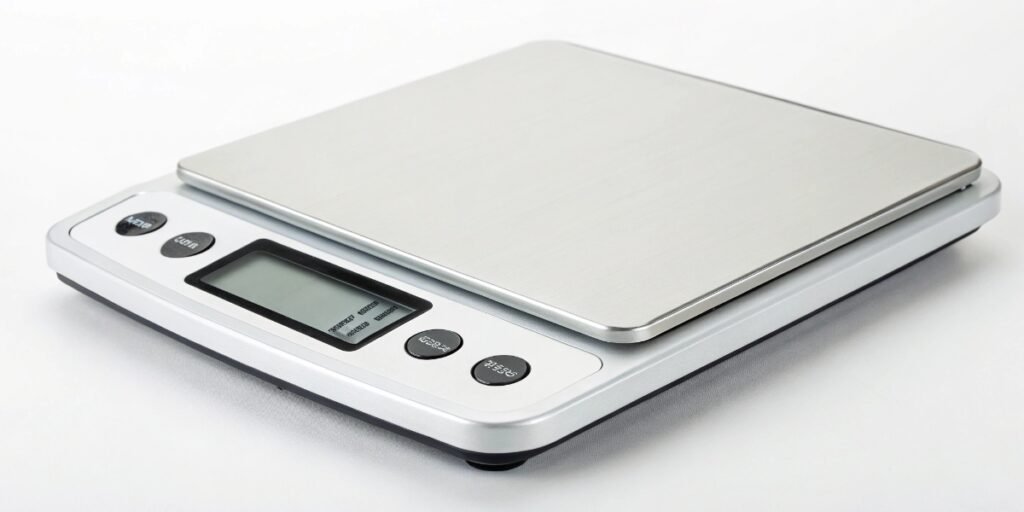
Struggling with a digital scale that gives you a different number every time? This inconsistency can disrupt your operations and cost you money. You just want a reliable measurement you can trust.
The most common reasons for an inaccurate digital scale are an unlevel surface, calibration issues, low batteries, or environmental factors like temperature changes. Start by placing the scale on a flat, stable surface and checking the calibration.
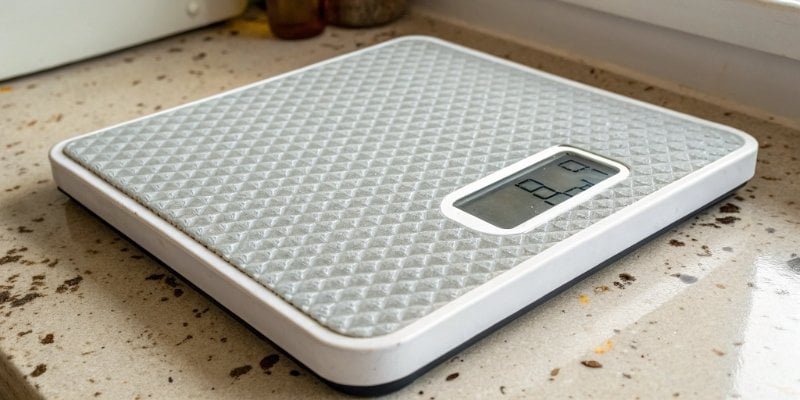
As someone who has been in the industrial scale1 manufacturing business for 18 years, I've seen it all when it comes to weighing inaccuracies. The frustration is real, whether you're managing inventory in a large warehouse or portioning ingredients for a commercial product. The good news is that many of these problems have simple solutions. We've helped countless clients, from global brands to small retailers, pinpoint and fix these issues. It often comes down to a few basic checks that can save you a lot of headaches. Let’s walk through the exact steps to get your scale back to giving you the correct weight, every single time.
How to fix an inaccurate digital weighing scale?
Is your scale giving you trouble? An inaccurate reading can throw off your entire process, from production to shipping. You need a quick fix to get back on track without delays.
To fix an inaccurate scale, first, ensure it's on a hard, level surface. Second, clean the weighing platform. Third, check and replace batteries if needed. Finally, perform a calibration using a known weight.

Fixing an inaccurate scale is usually a straightforward process. In my experience, we can solve most issues by going through a simple checklist. I often tell my clients to think of it like basic maintenance for any important piece of equipment. You wouldn't run a machine without checking the oil, right? A scale is no different. Let's break down the steps you can take right now to diagnose and fix the problem.
Step-by-Step Troubleshooting Guide
- Check the Surface: This is the number one cause of problems. A scale on a soft carpet or a wobbly table will never be accurate. Move it to a solid, flat floor.
- Clean the Scale: Dust, debris, or any residue on or under the weighing platform2 can interfere with the sensors. Give it a gentle wipe-down.
- Power Source: Low batteries are a frequent culprit. They can cause the scale's readings to drift or become erratic. If your scale is battery-powered, put in a fresh set. If it's AC-powered, make sure the cord is securely plugged in.
- Recalibrate: This is the most important step. Scales can lose their calibration over time due to use or being moved. Follow the manufacturer's instructions to recalibrate it. You'll typically need a known weight, often called a calibration weight3, for this process.
| Troubleshooting Step | Action to Take | Why It Matters |
|---|---|---|
| Placement | Move scale to a hard, level surface. | Sensors require a stable base for an accurate reading. |
| Cleaning | Wipe down the platform and base. | Debris can obstruct the weighing mechanism. |
| Power Check | Replace batteries or check the AC adapter. | Inconsistent power leads to inconsistent readings. |
| Calibration | Use a known weight to reset the scale. | Resets the scale to its factory accuracy standard. |
Why are digital scales so inaccurate?
Are you wondering why your commercial scale seems so unreliable? You bought it expecting precision, but now you're constantly second-guessing its readings. This lack of trust is frustrating.
Many commercial digital scales can become inaccurate because they are built to a lower quality standard than industrial scales. They use less durable materials and less sensitive sensors to keep costs down, leading to errors over time.
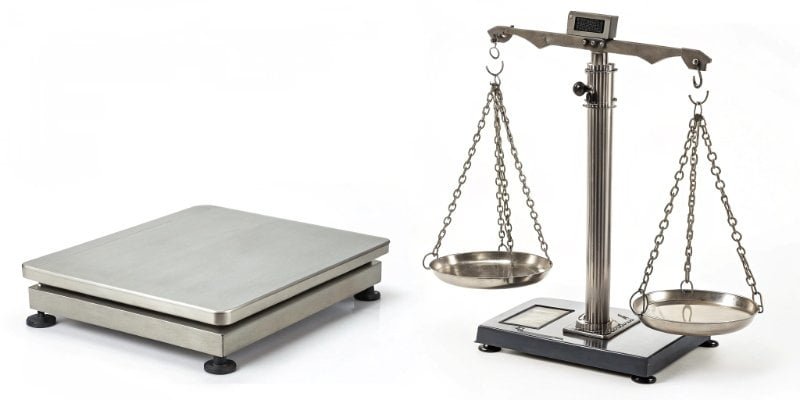
This is a question I get all the time. A software vendor I work with was constantly having issues with the scales they used for hardware testing. They couldn't understand why the devices kept failing. It turns out, the issue wasn't the build of their products; it was the cheap commercial scales4 they were using. The truth is, not all scales are created equal. There's a huge difference between a scale designed for a home kitchen or a small shop and one built for a demanding industrial environment.
The Quality Gap: Commercial vs. Industrial
The main reason boils down to the intended use and the quality of the components.
- Materials and Construction: Industrial scales, like the ones we manufacture, are built for harsh environments. We use heavy-duty steel and high-quality load cells5 because our clients in manufacturing and logistics depend on durability. A commercial scale, on the other hand, might use more plastic components that can warp or wear out faster.
- Sensor Technology: The "guts" of the scale are the load cells. In the industrial sector, we use highly sensitive and protected load cells that can withstand overloading and temperature fluctuations. Commercial scales often use simpler, less robust sensors that are more susceptible to drift and environmental interference.
- Accuracy Standards: The industrial weighing industry has extremely strict standards. Our products must comply with international certifications like CE and undergo rigorous testing. A commercial scale might be "accurate enough" for its purpose, but that can mean an acceptable error range that is too wide for professional use.
| Feature | Commercial Scale | Weigherps Industrial Scale |
|---|---|---|
| Build Quality | Often plastic, lighter materials. | Robust steel, designed for heavy use. |
| Sensors | Basic load cells, less protected. | High-precision, protected load cells. |
| Durability | Lower; sensitive to environment. | High; withstands dust, moisture, shocks. |
| Cost | Lower initial price. | Higher initial investment, lower TCO. |
This is why industrial scales cost more upfront. You're paying for reliability, precision, and longevity.
Why am I heavier on digital scales?
Stepped on a scale and got a surprisingly high number? It's confusing when you feel one way, but the scale tells a different story. You start to question if the scale is broken.
You might seem heavier on a digital scale if it's placed on an uneven surface like carpet, which can distribute weight incorrectly. Other factors include an uncalibrated scale or slight shifts in your body's water weight.
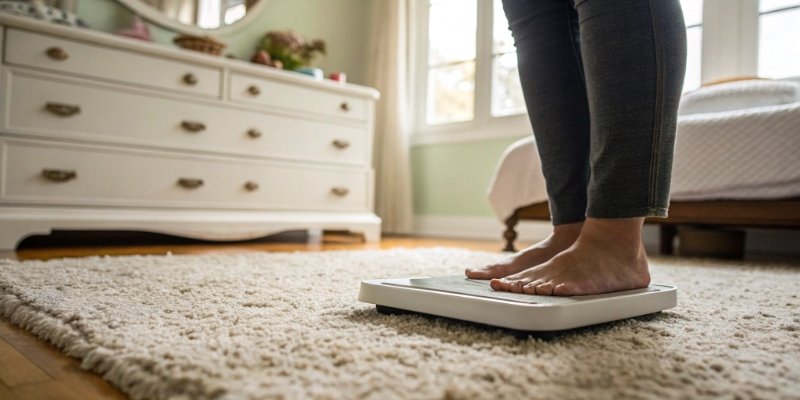
It's a common experience, and it almost always comes down to how and where you're using the scale. One of our retail clients called me, worried that the new platform scales we supplied were all reading high. I went to their warehouse and found the scales placed on old, uneven wooden flooring. The slight slant was enough to throw off the readings for every pallet they weighed. We moved them to a level concrete patch, and the problem vanished. The same principles apply to any digital scale6, big or small.
Factors That Influence Your Weight Reading
Your weight isn't a single, fixed number; it fluctuates. But a significant, unexpected jump is often due to external factors affecting the scale's measurement.
- Surface Instability: This is the biggest culprit. Carpet is the worst offender. The soft fibers compress unevenly under the scale’s feet, causing the internal mechanisms to misread the pressure. Always use your scale on a hard, flat surface like tile or hardwood.
- Calibration Drift: If a scale hasn't been calibrated in a while, its baseline "zero" can shift. This means it's starting its measurement from the wrong point, leading to a consistently high (or low) reading.
- Body Position: How you stand matters. If you lean forward or back, you can shift the pressure on the scale's sensors, which can slightly alter the reading. Try to stand still with your weight distributed evenly.
- Natural Fluctuations: Remember that things like hydration levels, the food you've eaten, and the time of day can cause your actual body weight to vary by several pounds. For consistent tracking, it's best to weigh yourself at the same time each day, like in the morning.
How do I know if my digital scale is wrong?
You rely on your scale for accurate data, but how can you be sure it's correct? An inaccurate scale can lead to costly mistakes in inventory or shipping. You need a simple test.
To know if your scale is wrong, use the "known weight" test. Place an object with a known weight, like a dumbbell or a bag of flour, on the scale. If the reading doesn't match the object's weight, the scale is inaccurate.
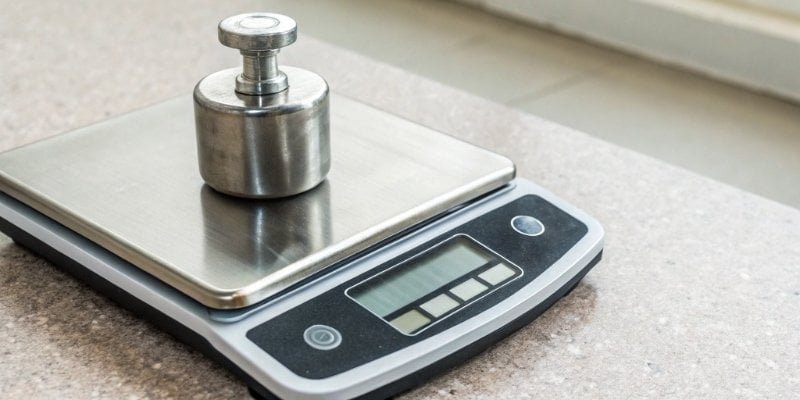
This is the first thing our quality control department does before any product leaves our factory. We have a set of certified calibration weights, and every single scale is tested against them. It’s a simple, foolproof method that anyone can do. You don't need expensive, certified weights at home or in your business. You just need an object whose weight you know for certain. This simple check gives you immediate confidence in your equipment or tells you it's time for a calibration.
Simple Tests for Scale Accuracy
Here are a few quick ways to check your scale's accuracy and consistency. Perform these tests to determine if your scale needs to be recalibrated or replaced.
- The Known Weight Test: This is the most reliable method. Find an item with its weight printed on it, like a 5 lb bag of sugar or a 10 kg dumbbell. Place it on the scale. The reading should be very close to the known weight.
- The Repeatability Test: Place the same object on the scale multiple times. Do you get the exact same reading every time? If the numbers are jumping around, the scale’s load cell may be faulty or damaged.
- The Coin Test: For smaller, high-precision scales, you can use coins. For example, a U.S. nickel weighs exactly 5 grams. Place one nickel on the scale. It should read 5g. Add another, and it should read 10g, and so on. If the increments are off, the scale is not linear.
- The Corner-Load Test: Place your test weight in the center of the scale platform and note the reading. Then, move the weight to each of the four corners. The reading should remain the same. If it changes, the scale’s load cells are not balanced.
If your scale fails any of these tests, the first step is to try recalibrating it according to the manufacturer's instructions. If it still provides incorrect readings after calibration, it may be time to consider a higher-quality replacement.
Conclusion
Inaccurate scales are often caused by simple issues like placement or calibration. By following these basic checks, you can ensure you get a reliable and accurate measurement every single time.
-
Learn why industrial scales are built for precision and durability compared to commercial options. ↩
-
Learn the best cleaning practices for your scale's weighing platform to ensure accuracy. ↩
-
Understanding calibration weights is essential for maintaining scale accuracy. ↩
-
Explore the key differences that affect performance and reliability between commercial and industrial scales. ↩
-
Understanding load cells can help you appreciate the technology behind accurate weighing. ↩
-
Explore best practices to ensure accurate readings and reliable measurements from your digital scale. ↩


Comments (0)