

You rely on your scales for critical measurements, but are you sure they're telling the truth? Inaccurate readings can cost you money, ruin projects, and destroy trust in your processes.
The accuracy of a weighing machine depends on its type, calibration, and environment. Digital scales are generally more accurate than analog ones, with errors ranging from a few milligrams to several pounds, depending on their intended use in labs, homes, or industrial settings.
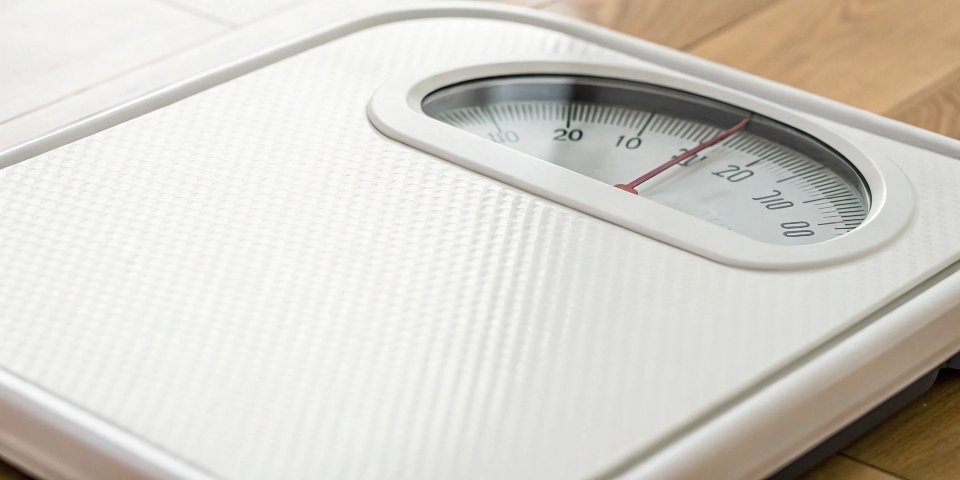
Now you have a general idea, but the devil is in the details. After 18 years as a manufacturer, I've seen countless businesses struggle with what they thought were "broken" scales. The truth is, maintaining accuracy is about more than just buying a good product. It’s an ongoing process. Let's look at what really affects your scale's performance and how you can take control to ensure every measurement is precise and reliable. Your business depends on it.
What factors affect the accuracy of a digital scale?
Your digital scale was perfect at first, but now the readings are all over the place. This inconsistency can lead to production errors and wasted materials, directly hurting your bottom line.
A digital scale's accuracy is mainly affected by its calibration, environmental conditions like temperature and vibration, and the surface it rests on. Even electrical interference can disrupt sensitive sensors, causing incorrect readings. Consistent maintenance is the only solution to guarantee reliable results.
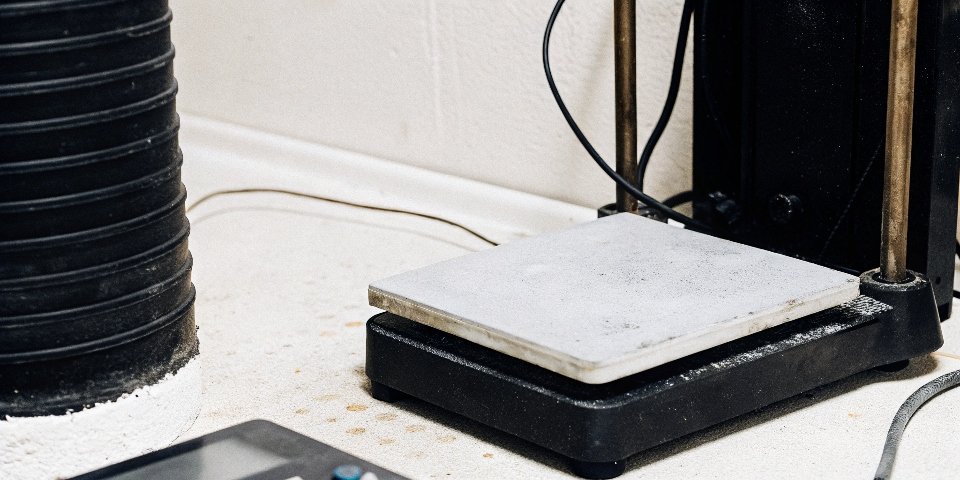
I once visited a client who had placed a high-precision industrial scale right next to a heavy-duty stamping machine. The constant vibrations made the readings completely useless. It's a surprisingly common mistake. We have to remember that a scale's accuracy isn't just about its internal quality; it's about the entire ecosystem it operates in. To get dependable results, you must control these external factors.
Key Environmental Factors
The environment plays a huge role. We always advise our clients to create a "safe zone" for their weighing equipment. This means carefully considering temperature, airflow, and physical stability. Isolating the scale from disruptive elements is just as important as calibrating it.
| Factor | Impact on Accuracy | Our Solution |
|---|---|---|
| Temperature | Fluctuations cause electronic components to expand or contract. | Use the scale in a climate-controlled room or choose a model with built-in temperature compensation1. |
| Vibrations & Drafts | Shakes or air movement make the load cell sensor2 unstable. | Place the scale on a solid, level surface away from machinery, doors, or powerful HVAC vents. |
| Electrical Noise | Electromagnetic interference (EMI) disrupts sensitive signals. | Keep scales away from large motors or radios. Our industrial scales3 include shielding to prevent this. |
By managing these three areas, you can eliminate most external sources of error and trust your readings again.
How can I check if my weighing scale is accurate at home?
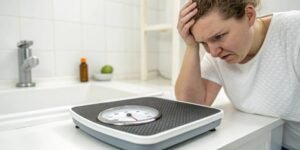
You step on your home scale and get a different number every time you try. It makes tracking any kind of progress impossible, leaving you frustrated and unsure if the scale is even working.
To check your home scale, find an object with a government-regulated and clearly printed weight, like a new bag of flour or a dumbbell. Place it on the scale. If the reading matches, your scale is accurate. Repeat the test a few times to ensure it's consistent.

A customer once called me, completely frustrated with their diet because their bathroom scale showed three different weights in under five minutes. The problem wasn't the diet; it was an uncalibrated scale sitting on a fluffy bathroom rug. For our professional clients, like software vendors testing integrations, the verification method is the same, just with a higher need for precision.
Simple Steps for Verification
You don't need a certified lab to do a basic accuracy check. Here is a more structured approach that we recommend.
-
Find a Reference Weight: Don't just grab a random object. Use an item where the weight is printed and reliable. A new, unopened 1kg bag of sugar or a 5lb dumbbell is a great start. For highly sensitive scales, even coins can work; for example, a U.S. nickel weighs exactly 5.0 grams.
-
Prepare the Scale:
- Place it on a hard, completely flat surface. Never use it on a carpet or a wobbly table.
- Turn it on and let it zero out. This process is also known as "taring."
- Let it adjust to the room's temperature for a few minutes.
-
Perform the Test:
- Carefully place your reference weight in the center of the scale's platform.
- Note the reading.
- Remove the weight and let the scale return to zero.
- Repeat this test 3 to 5 times. If you get the same reading each time, your scale has good repeatability4, which is a key part of accuracy.
This simple process will give you a clear picture of your scale's performance.
What is the typical margin of error for home weighing scales?
You expect your home scale to be perfectly precise, but you constantly wonder how much error is normal. Worrying about every small fluctuation is stressful and can be very misleading.
Most home bathroom scales have a typical margin of error of about 1% to 2%. For a 150-pound person, the reading could be off by 1.5 to 3 pounds. For smaller kitchen scales, the expected error is much lower, usually within a gram or two.
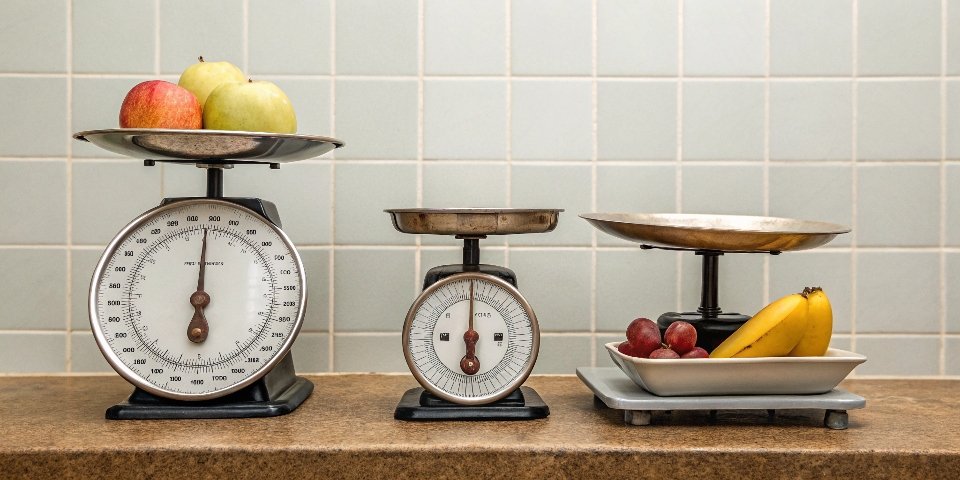
We often get inquiries from small companies that start out using consumer-grade scales for their internal projects. They quickly realize they need something more robust. The difference in acceptable error between home use and professional use is massive. A 1% error is perfectly fine for tracking personal weight, but in a commercial setting, that same 1% could translate to thousands of dollars in lost product or shipping overcharges.
Understanding Accuracy Classes
Scales are not all created equal. Their design and technology are tailored to their intended use, which directly dictates their precision and allowed error.
| Scale Type | Typical Use | Acceptable Margin of Error | Example |
|---|---|---|---|
| Bathroom Scale | Personal health | ±1% to 2% | A 100 kg reading might show between 98-102 kg. |
| Kitchen Scale | Cooking, baking | ±1 to 2 grams | Great for recipes, but not for chemistry. |
| Commercial Scale | Retail, shipping | A few grams (e.g., OIML Class III certified) | Must be legally certified for trade. Accuracy is non-negotiable. |
| Laboratory Scale | Scientific research | ±0.0001g to 0.001g (1mg) | Ultra-precise for measuring tiny quantities. |
So, while your home scale might seem inaccurate, it is likely performing exactly as it was designed to. When our clients need extreme precision for their software integrations, like for a parts-counting system, we guide them far away from home-use scales and toward our certified industrial models.
What makes a weighing scale inaccurate and how can you fix it?
Your scale is giving you the wrong numbers, disrupting your workflow and causing expensive mistakes. You feel stuck, unsure if the scale is broken beyond repair or if there's an easy fix.
Scale inaccuracy is usually caused by three things: an unstable surface, a loss of calibration, or damage to the internal sensors. You can often fix this by moving the scale, recalibrating it with a known weight, or performing a hard reset.
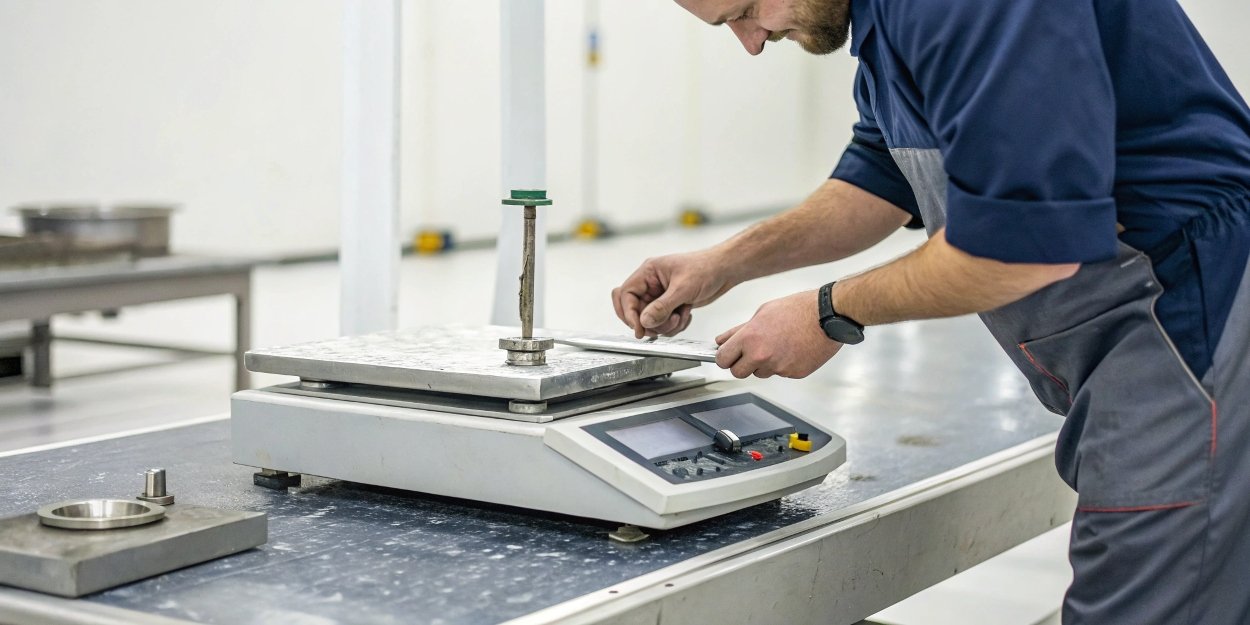
In my 18 years at Weigherps, the number one reason we get calls about "broken" scales is related to calibration. A scale drifting from its calibrated state5 is normal, much like a car needing a wheel alignment over time. It is not broken; it just needs a quick tune-up. Ignoring calibration is the fastest way to get bad data and make poor decisions based on it.
Troubleshooting Common Inaccuracies
Before you call for service or consider throwing the scale away, run through this simple checklist. This is the same diagnostic process our own technical support team uses for initial troubleshooting.
-
Check the Foundation:
- Problem: The scale is on an uneven, soft, or vibrating surface. The sensors need total stability.
- Fix: Move the scale to a solid, perfectly level floor or workbench. If you are unsure, use a spirit level6 to confirm.
-
Reset and Recalibrate:
- Problem: Electronic "drift" or memory errors can occur from power fluctuations or simply heavy use over time.
- Fix: Power the scale off. If it has batteries, remove them for at least 60 seconds before putting them back in. This performs a hard reset. After that, run the calibration routine using a certified weight, following the manufacturer's instructions. Many of our scales feature a simple, one-button calibration process for this exact reason.
-
Inspect for Damage:
- Problem: The scale might have been dropped, overloaded past its capacity, or has debris blocking the weighing mechanism.
- Fix: Visually inspect the scale. Clean any dust or debris from under the platform. If it was dropped, the internal load cell could be permanently damaged. In that case, it will need professional repair or replacement.
Most of the time, following step 1 or 2 will solve the issue immediately.
Conclusion
Inaccuracy is often fixable. By controlling the environment, performing regular checks, and understanding your scale's limits, you can ensure every measurement you take is a reliable and accurate one.
-
Learn how temperature compensation can enhance the accuracy of your scales in varying conditions. ↩
-
Discover the technology behind load cell sensors and their importance in accurate measurements. ↩
-
Explore the advanced features of industrial scales that make them suitable for commercial use. ↩
-
Learn why repeatability is crucial for accuracy and how to test it effectively. ↩
-
Understand the significance of maintaining a calibrated state for accurate measurements. ↩
-
Find out how to use a spirit level to ensure your scale is on a perfectly level surface. ↩


[…] and are certified to be accurate. They come in different classes, defined by organizations like OIML1. For industrial and commercial use, using these weights is the only way to truly verify and […]