
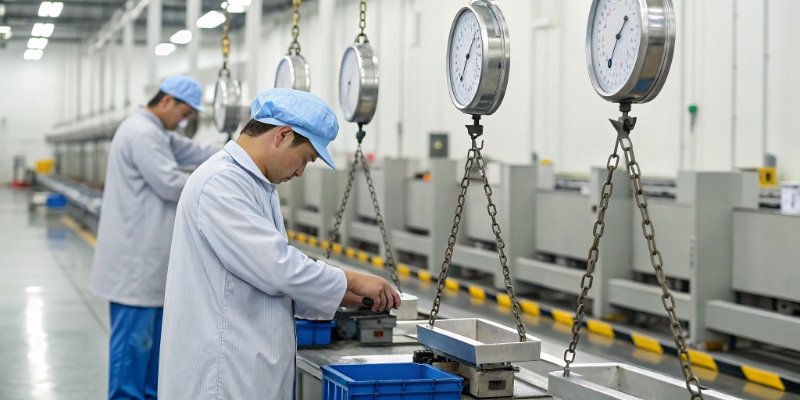
Inaccurate scales create costly production errors and compliance fines. This can halt operations and damage your reputation. Regular maintenance is your best defense, ensuring accuracy and providing peace of mind.
They are absolutely critical for any serious operation. Proper maintenance and calibration ensure weighing accuracy, which is essential for quality control, regulatory compliance, and operational efficiency. Neglecting them leads to financial loss and safety risks.

You might be thinking, "My scale seems to be working just fine." I hear this a lot from new clients. But the truth is, the most dangerous problems are the ones you cannot see. Small inaccuracies add up over time, and the hidden costs1 of neglect can be staggering. We have seen businesses lose thousands of dollars simply because a scale was off by a few grams. Let's break down exactly what's at stake and how you can protect your operations from these preventable losses.
What are the financial risks of using an uncalibrated industrial scale?
Are you worried about hidden costs eating into your profits? Uncalibrated scales cause product giveaways and material waste. This silently drains your budget with every single weighing process.
The financial risks are significant. They include giving away free product from overfilling, wasting raw materials, and facing large fines for non-compliance. These costs can quickly become much greater than the price of regular calibration services.
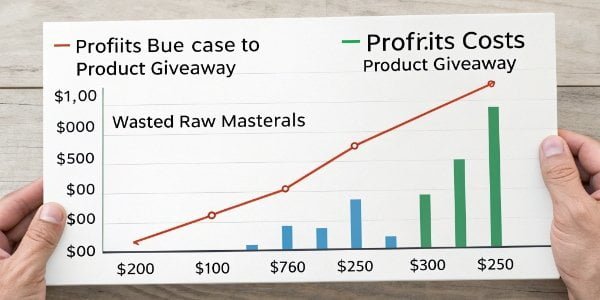
When we talk about financial risk, it's not just one thing. It's a combination of direct and indirect costs that can snowball if left unchecked. For over 18 years, I've seen how quickly these costs can accumulate and impact a business's health.
Direct Financial Losses
The most immediate impact is on your materials and final product. Every time you weigh something, an uncalibrated scale can either overfill or underfill. Both are costly. Overfilling means you are giving away product for free. Underfilling can ruin a batch recipe, leading to waste.
Here is a simple table to show the cost of overfilling:
| Factor | Value | Calculation |
|---|---|---|
| Overfill per package | 2 grams | - |
| Packages per day | 10,000 | - |
| Total Daily Giveaway | 20,000 grams (20 kg) | 2g * 10,000 |
| Cost per kg of product | $50 | - |
| Daily Financial Loss | $1,000 | *20 kg $50** |
Indirect and Hidden Costs
The problems go beyond direct material loss. Regulators can issue heavy fines if your scales are not compliant, especially in legal-for-trade applications2. A major weighing error could even trigger a product recall. This not only costs a fortune but also severely damages your brand's reputation. We've also seen clients get into disputes with their suppliers or customers over incorrect shipment weights. All of this creates financial and operational headaches that are easily avoided.
How often should industrial scales be serviced and calibrated?
Are you unsure about your calibration schedule? Waiting too long invites errors into your process. Calibrating too often seems wasteful. Finding the right balance is key for your operation's peak performance.
The frequency depends on several factors. These include the scale's usage, the environment it's in, and industry requirements. A general rule is annually, but high-use or critical-application scales may need it quarterly or even monthly.

There is no single answer that fits every business. A "one-size-fits-all" approach to calibration is inefficient and can be risky. The right strategy is to create a schedule based on your specific needs. This ensures safety and compliance without wasting money on unnecessary service calls.
Factors Influencing Calibration Frequency
You need to consider how each scale is used. A scale that weighs raw materials 24/7 in a dusty environment needs more attention than a scale used once a week in a clean lab.
Here are the main factors to consider:
| Factor | Low Frequency (e.g., Annually) | High Frequency (e.g., Quarterly/Monthly) |
|---|---|---|
| Usage Intensity | Infrequent, low-load weighing | Continuous, 24/7 operation, heavy loads |
| Environment | Clean, stable temperature, no vibration | Dusty, wet, extreme temperatures, vibrations |
| Criticality | Low-impact internal process checks | Legal-for-trade, quality control3, ingredient batching |
| Regulations | No specific industry rules | Strict rules (e.g., FDA, ISO, pharmaceuticals) |
Creating a Risk-Based Schedule
The smartest approach is to assess the risk for each scale. Ask yourself: "What is the cost of an incorrect measurement from this specific scale?" For a scale measuring final product weight for shipping, the risk is high. For an internal scale making a rough check, the risk is lower. By categorizing your scales by risk, you can create a cost-effective schedule that focuses resources where they're needed most. This protects your business and shows auditors that you have a thoughtful, professional process in place.
How does a preventative maintenance plan improve weighing accuracy and uptime?
Unexpected downtime is a disaster. A sudden scale failure can halt your entire production line, costing you valuable time and money. A preventative plan is the best way to keep you running smoothly.
A preventative maintenance plan proactively addresses wear and tear. It includes cleaning, inspecting parts, and making small adjustments before they cause major failures. This maintains accuracy and dramatically reduces unexpected downtime.
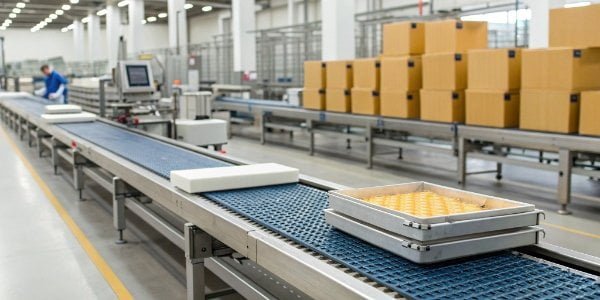
For years, we have advised our clients to shift their thinking about maintenance. Don't wait for something to break. Instead, you should aim to keep it from breaking in the first place. This proactive mindset is the difference between a chaotic operation and a smooth, profitable one.
From Reactive to Proactive
The old "fix it when it breaks" model is incredibly inefficient. A broken scale means immediate downtime, rushed repairs, and premium charges for emergency service. A proactive plan is different. It catches small issues early. For example, dust and debris under a scale platform can cause weighing errors long before the scale fails completely. A loose cable or a worn-out component can also cause drift. Regular maintenance4 identifies and fixes these small problems, ensuring the scale stays accurate and reliable. This simple change in approach prevents big, expensive headaches down the road.
Key Elements of a Maintenance Plan
A good plan doesn't have to be complicated. It should include regular checks that your own team can perform, in addition to professional service. Here are the core tasks:
| Maintenance Task | Purpose | Frequency |
|---|---|---|
| Visual Inspection | Check for physical damage, ensure the scale is level. | Daily/Weekly |
| Cleaning | Remove dust, debris, and product buildup from all parts. | Weekly |
| Cable Check | Look for frayed or loose power and data cables. | Monthly |
| Function Test | Verify the display, buttons, and basic functions work. | Weekly |
| Simple Weight Test | Place a known test weight on the scale to spot drift. | Monthly |
This routine complements professional calibration. It empowers your team to take ownership and acts as an early warning system, protecting your uptime and accuracy.
What is a scale calibration certificate and why is it necessary for compliance?
Are you preparing for an audit? Without the right paperwork, your calibrated scales mean nothing to regulators. A calibration certificate is your official, undeniable proof of accuracy and compliance.
A scale calibration certificate is an official document proving your scale was tested and meets specific accuracy standards. It is essential for compliance audits, quality systems like ISO 9001, and any legal-for-trade applications.
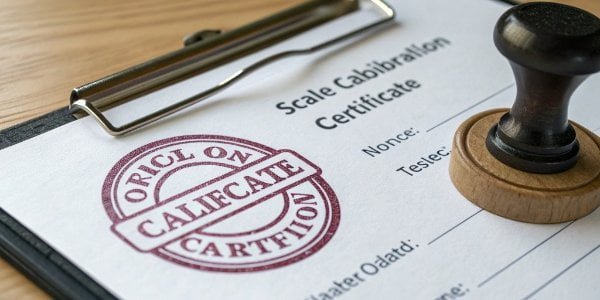
Think of a calibration certificate as your scale's passport. It's the document that proves its identity and its fitness for duty. In my experience working with global brands, this piece of paper is non-negotiable. It is the link that connects your daily operations to international quality standards.
Decoding the Calibration Certificate
A proper certificate is more than just a piece of paper; it's a detailed report. When you receive one, you should be able to find specific information that auditors will look for. This includes the scale's unique serial number, the date of calibration, and the due date for the next service. It must also list the traceable test weights that were used to perform the test. Most importantly, it will show the "as found" readings (the scale's accuracy before adjustment) and the "as left" readings (its accuracy after calibration). This data is concrete proof of the service performed.
The Role in Audits and Quality Systems
When an auditor from ISO, the FDA, or a weights and measures authority visits you, they will ask for these certificates. There is no substitute. This document provides traceability5, which means it shows an unbroken chain of measurements connecting your scale back to a national or international standard. This traceability is the foundation of modern quality management. It builds trust with your customers, protects you from legal challenges, and demonstrates a commitment to quality. As manufacturers, we design our scales at Weigherps to be easily serviced and certified, because we know how crucial this process is for our clients' success.
Conclusion
Maintenance and calibration are not expenses; they are investments in your business. They ensure accuracy, secure compliance, and boost reliability, protecting your profits and your reputation in the long run.
-
Identifying hidden costs can help you make informed decisions about maintenance and calibration. ↩
-
Learning about legal-for-trade applications can help you understand the regulatory requirements for your scales. ↩
-
Quality control is essential for maintaining product standards, and calibration plays a key role in this process. ↩
-
Regular maintenance is key to ensuring accuracy and preventing costly downtime in your operations. ↩
-
Traceability is crucial for quality management and compliance, ensuring your scales meet industry standards. ↩


[…] Over the years, I've seen this play out many times. A client in the coffee business bought a high-capacity scale for their 50-pound bags to save about $500. But the scale's inaccuracy meant they were giving away an average of 2 ounces of coffee in every bag. They didn't notice for a year. That "small" error cost them over $10,000 in lost product. This is a classic case of product giveaway5. […]