

Struggling with inconsistent weight readings? Inaccurate measurements can ruin processes and cost your business money. A modern digital scale offers the precision and reliability you absolutely need.
Yes, a digital scale is significantly more accurate than a non-digital one. It uses electronic sensors for precise readings, typically with an error range of ±0.1% or less. In contrast, analog scales rely on mechanical springs, which are less precise and more susceptible to wear.
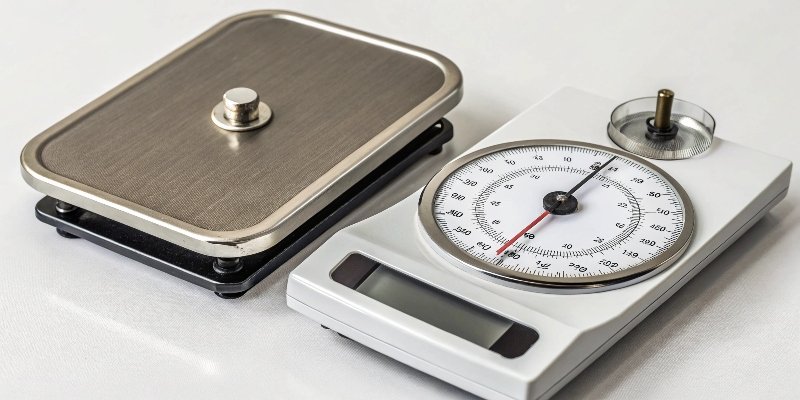
The difference in accuracy isn't just a small detail; it comes from the core technology inside each type of scale. Understanding this difference is key to choosing the right tool for your specific needs. Let's explore why digital scales consistently outperform their analog counterparts and what that means for your operations.
How does the accuracy of a digital scale compare to a traditional analog scale?
Are you trying to choose between digital and analog scales? Making the wrong choice can lead to costly errors and inefficient workflows. Understanding their core accuracy differences ensures you get reliable results every time.
A digital scale's accuracy comes from its load cell and digital converter, offering precision often within ±0.1%. A traditional analog scale uses a spring mechanism, resulting in a wider error margin of ±0.25% to ±0.5%, making it less suitable for professional or industrial applications.
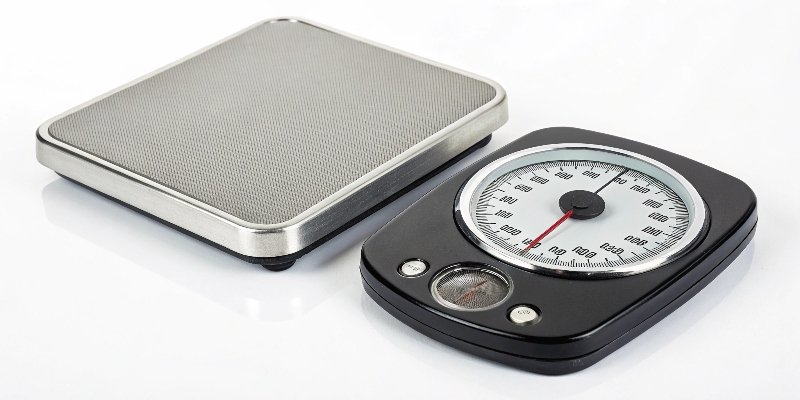
The main difference is in how they measure weight. Digital scales use a transducer, called a load cell1, to convert force into an electrical signal. This signal is then processed and displayed as a precise number. Analog scales, however, rely on a simpler mechanical system where a spring compresses or stretches under weight, which then moves a dial. This mechanical process is naturally less precise.
Key Accuracy Distinctions
This technology makes a huge difference in performance. For example, some of the high-precision laboratory balances2 we've developed can have a division value as small as 0.01mg. This is only possible with digital technology. Mechanical systems just cannot achieve that level of detail.
| Scale Type | Typical Error Range | Best Use Case |
|---|---|---|
| Digital | ±0.1% or less | Industrial, Lab, Trade |
| Analog | ±0.25% to ±0.5% | General Home Use |
This table clearly shows why for any task requiring precision, from manufacturing to logistics, digital is the clear winner. The small initial investment pays for itself with consistency and reliability.
What factors influence the precision and reliability of a digital weighing scale?
Is your digital scale giving you inconsistent readings? Environmental factors and poor maintenance can compromise even the very best equipment. Knowing these influences helps you maintain peak accuracy.
Key factors include the quality of the load cell, proper calibration, and the surrounding environment. Temperature changes, vibrations, and electromagnetic interference can all affect a digital scale’s precision. Regular maintenance and a stable operating location are crucial for reliable results.

A digital scale's accuracy is not absolute. Several external factors can impact its performance. As a manufacturer with 18 years of experience, I can tell you we have seen all the possible issues that can arise.
Environmental and Technical Influences
- Temperature: Extreme heat or cold can affect the electronic components, especially the load cell. Many of our industrial scales include built-in temperature compensation to fight this effect. This ensures the error rate stays within ±0.01% even in tough conditions.
- Vibrations: Nearby machinery or even heavy foot traffic can cause the readings to fluctuate. It is very important to place the scale on a solid, level surface away from sources of vibration.
- Electromagnetic Interference (EMI): Devices like mobile phones, radios, or large motors can disrupt the scale's sensitive electronics. Proper shielding inside the scale is essential to prevent this.
- Calibration: A scale is only as accurate as its last calibration. We recommend a regular schedule. For example, a weekly check for high-use industrial scales is a good practice. Many modern digital scales have features for automatic or semi-automatic calibration, which makes this process much simpler.
Why might a mechanical or spring scale become inaccurate over time?
Have you noticed your old spring scale is not as reliable as it once was? Mechanical wear and tear degrades its accuracy over time. Understanding this decline explains why an upgrade is often necessary.
A mechanical scale becomes inaccurate because its core components, the springs and levers, wear out. Over time, springs lose their elasticity from repeated use, and friction or dirt can build up in the moving parts. This leads to inconsistent and incorrect readings.

Unlike digital scales with their solid-state electronics, mechanical scales are machines with moving parts. And like any machine, these parts break down with use. I remember a client who stuck with their old mechanical platform scales for years. They only realized they were giving away product with every shipment after discovering how inaccurate their weights had become.
The Primary Causes of Inaccuracy
The main issue is the spring. Every time you place an object on the scale, the spring stretches. Over thousands of cycles, it develops metal fatigue and does not return to its original position perfectly. This is a big problem.
Another issue is the environment.
- Corrosion: In humid or dusty places, like many factory floors, the metal parts can rust or get clogged with debris. This increases friction and stops the mechanism from moving smoothly.
- Wear: The pivot points and levers can become dull after a lot of use. This changes the geometry of the lever system, which directly affects the weight reading.
- Temperature: Temperature affects a mechanical scale too. A change in temperature can alter the spring's elasticity. This can cause it to read high in the cold and low in the heat.
For which tasks is an analog scale a better choice than a digital one?
Do you always need the high precision of a digital scale? Sometimes, simplicity and durability are more important than extreme accuracy. Analog scales still have their place in many situations.
An analog scale is a better choice for tasks where high precision is not required and durability in harsh conditions is key. Think of weighing produce at a market, general home use, or in environments without a reliable power source. They are simple, cheap, and require no batteries.

While we specialize in high-precision digital weighing solutions, we know that sometimes a simpler tool is the right one for the job. A digital scale is not always the best answer for every single task.
When Simplicity Wins
There are specific situations where an analog scale's features make it the better choice.
- No Power Required: For fieldwork, remote locations, or areas with unstable electricity, an analog scale is perfect because it does not need batteries or a power outlet to work.
- Extreme Durability: Some basic mechanical scales are built like tanks. They can handle rough treatment, drops, and exposure to water or dirt better than many sensitive electronic devices can.
- Cost-Effectiveness: For non-critical jobs, like in a home kitchen or a small workshop, the low cost of an analog scale is very attractive. When you just need a rough estimate and not a precise measurement down to the milligram, it does the job perfectly well. For instance, a home baker weighing flour doesn't need a lab-grade instrument.
Conclusion
In short, digital scales offer superior accuracy for professional needs, while analog scales remain useful for simple, low-cost tasks where precision is not the main concern.



[…] Tare function is probably the most-used feature on any digital scale4, from a kitchen to a high-tech factory floor. Here at Weigherps, we design our industrial scales5 […]