
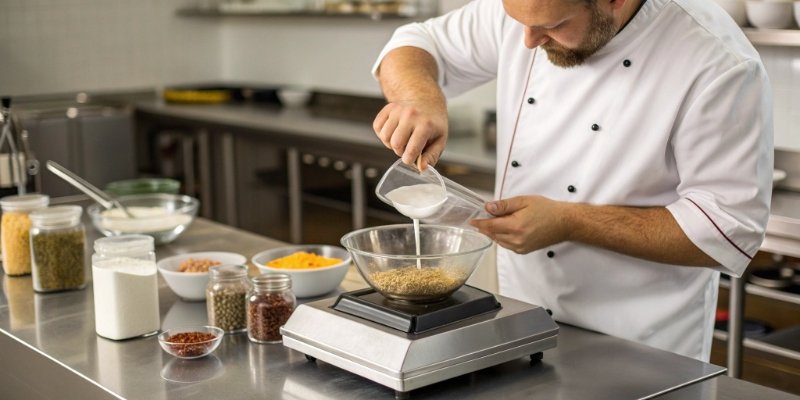
Inconsistent food batches cost money and reputation. A single bad batch leads to waste and unhappy customers. The problem might just be a simple weighing step: mastering tare.
Mastering the tare function is the key to perfect recipe consistency. By zeroing out the container's weight, tare ensures every ingredient's net weight is exact. This foundation guarantees uniformity across batches, reduces waste, and is essential for reliable, high-quality food production.
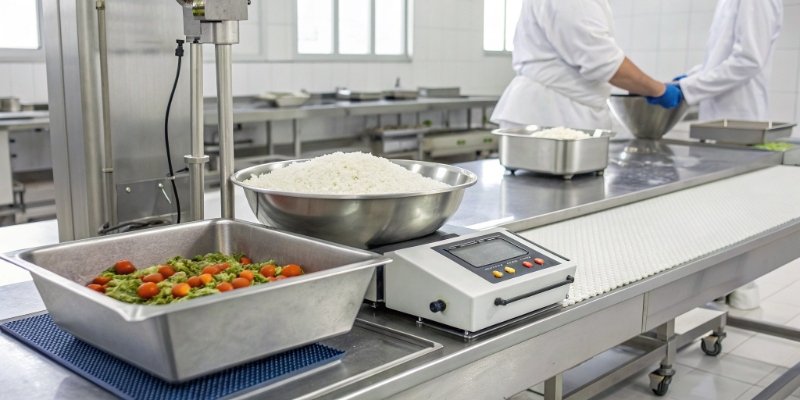
This simple function, often a single button push, is one of the most critical steps in any professional kitchen or food production line. It's the difference between a product that customers trust and a product that's unpredictable. But what exactly makes this process so vital, and how can you ensure your team is doing it right every time? Understanding the fundamentals of taring is the first step toward flawless production. Let's break down why it matters and how to get it right.
Why is the tare function essential for recipe consistency in food production?
Your recipes demand precision, but container weights vary. This tiny difference can ruin an entire production run, costing you dearly. The solution is built right into your scale.
The tare function is essential because it zeroes out the container's weight, ensuring you only measure the ingredient's true net weight. This guarantees precise recipe ratios, prevents costly waste, and ensures every batch meets the exact same quality standard, making your final product consistently perfect.
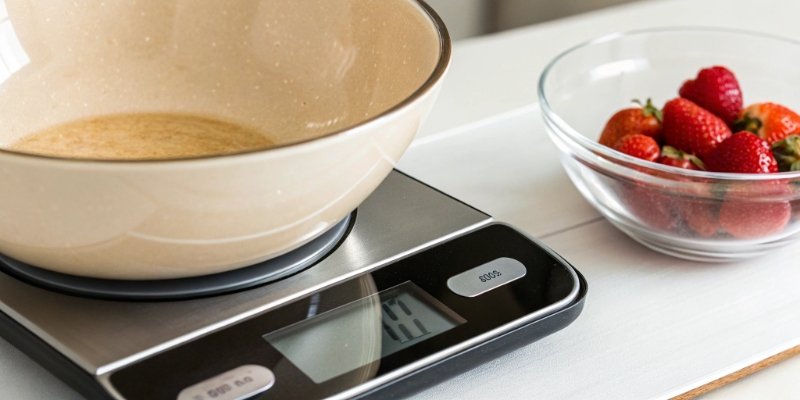
In my 18 years of working with industrial weighing solutions, I've seen how small oversights create big problems. The tare function directly impacts three critical areas of your business: product quality, cost control1, and regulatory compliance. Without it, you are not measuring your ingredient; you are measuring your ingredient plus its container. This error compounds with every ingredient added, throwing off the delicate balance of your recipe. For example, a sauce recipe might fail completely if the salt-to-sugar ratio is off by just a few grams. Accurate taring eliminates this variable completely. It ensures that when your recipe calls for 500g of flour, you are adding exactly 500g of flour.
The Real Cost of Inaccuracy
The impact of improper taring goes beyond just one bad batch. It affects your entire operation.
| Aspect | Without Accurate Tare | With Accurate Tare |
|---|---|---|
| Batch Consistency | Unpredictable, leading to variations in taste & texture. | Identical batches every time, ensuring brand quality. |
| Ingredient Waste | Overuse of expensive ingredients, increasing costs. | Precise use of ingredients, minimizing waste and saving money. |
| Regulatory Compliance | Risk of failing net weight inspections and legal fines. | Guaranteed compliance with product labeling laws for net weight. |
| Brand Reputation | Damaged by inconsistent products and unhappy customers. | Strengthened by reliable, high-quality products. |
How do you correctly use tare when adding multiple ingredients to a batch?
Batching multiple ingredients can be chaotic. Adding, measuring, and miscalculating is easy. What if a simple, repeatable process could ensure accuracy every single time you weigh?
Place your container on the scale and press 'tare' to zero it out. Add the first ingredient to the target weight. Press 'tare' again. The display will return to zero, ready for you to add the next ingredient. Repeat this for every ingredient in your recipe.

This method is called cumulative or sequential weighing2. It's the most reliable way to build a recipe directly in one container while preventing mistakes. Trying to do the math in your head—like adding 100g of sugar to 250g of flour to see 350g on the display—is a recipe for disaster. Our brains aren't calculators, especially in a busy production environment. The tare button removes the need for mental math and reduces the cognitive load on your operators. This allows them to focus on one thing only: hitting the target weight for the current ingredient. As a manufacturer, we design our scales to make this process intuitive. The goal is to create a simple workflow that anyone can follow to achieve perfect results.
The Step-by-Step Taring Method
For flawless batching, train your team to follow this exact procedure.
- Start Clean: Make sure your scale is on a flat, stable surface3 and shows '0'.
- Place Container: Put your empty mixing bowl or container on the scale platform.
- First Tare: Press the 'Tare' button. The display will zero out, ignoring the container's weight.
- Add Ingredient 1: Carefully add your first ingredient until the display shows its target weight.
- Second Tare: Press 'Tare' again. The display will go back to '0'. The scale now ignores the weight of the container and the first ingredient.
- Add Ingredient 2: Pour your second ingredient until you reach its required weight.
- Repeat: Continue this "add-then-tare" cycle until all ingredients have been added to the batch.
What are the most common taring mistakes that lead to batch failure?
You follow the recipe, but the result is still wrong. Frustration mounts as you search for the error. Often, the cause is a tiny, overlooked mistake in the weighing process.
The most common mistakes are forgetting to tare the initial container, taring at the wrong time, or using an unstable, uncalibrated scale. These errors lead to cumulative inaccuracies, causing significant deviations from the recipe, resulting in inconsistent product quality and ultimately, batch failure.
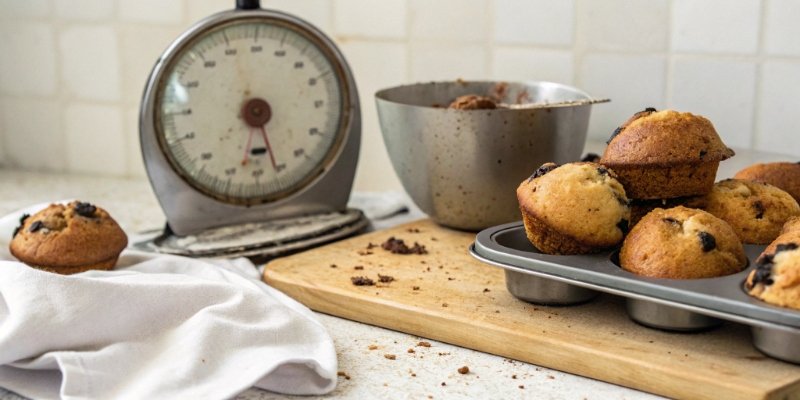
I once visited a client who was having major issues with their bread production. Some batches were perfect, others were dense and dry. After observing their process, I spotted the problem. Different operators had different "habits." Some would tare the bowl, some would forget, and one would even add the first ingredient before taring. These small inconsistencies were enough to ruin a massive dough batch. Simple human errors are often the root cause of the biggest production headaches. Building a standardized process and training everyone on it is non-negotiable. It's not about blaming people; it's about building a system that prevents these errors from happening in the first place.
Avoiding Critical Taring Errors
Awareness is the first step. Here are the most frequent mistakes and how to fix them for good.
| Common Mistake | The Consequence | The Simple Fix |
|---|---|---|
| Forgetting the First Tare | Ratios are wrong from the start; container weight is included. | Always tare the empty container. Make it step one of your SOP. |
| Forgetting a Mid-Recipe Tare | You measure the combined weight instead of the new ingredient's weight. | Follow a strict "add, then tare" rhythm for every single ingredient. |
| Using an Uncalibrated Scale | Your "zero" point is wrong, so all measurements are inaccurate. | Implement and log a regular calibration schedule with certified weights. |
| Weighing on an Unstable Surface | Readings fluctuate, making the tare value inaccurate and useless. | Use scales on a solid, level table away from vibrations and drafts. |
How can automated tare systems improve speed and accuracy in commercial kitchens?
Manual batching is slow and prone to human error. This bottleneck hurts your productivity and profit. Imagine a system that weighs and tares automatically, flawlessly, every single time.
Automated tare systems integrate with your production software to tare containers and log weights automatically. This eliminates manual button presses, reduces human error to near-zero, and drastically increases batching speed. The system ensures every step is followed perfectly, providing unmatched consistency and efficiency.
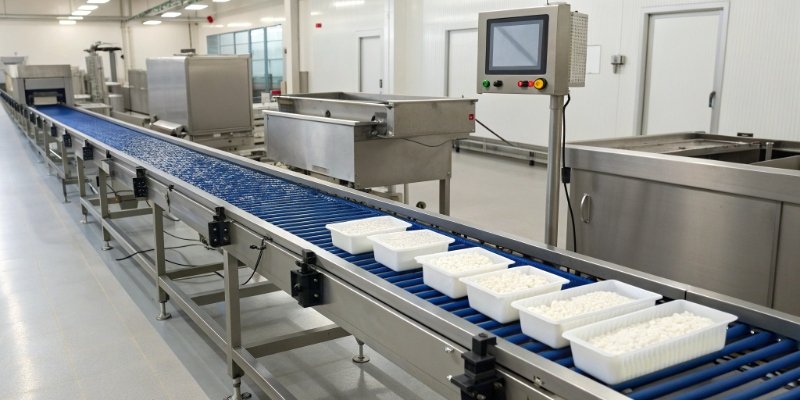
This is where hardware and software come together to create a truly powerful solution. As a scale manufacturer, we've moved into the IoT weighing space for this very reason. Our modern industrial scales are not just standalone devices; they are smart data points4. They can communicate directly with your production management or recipe software. For our software vendor clients, this is a huge opportunity. Your software can control our hardware to create a foolproof system. This integration transforms the manual, error-prone process into a guided, automated workflow. The potential for improvement in speed, accuracy, and data traceability is immense. It's about empowering businesses to move from conventional weighing to a smarter, more profitable operation.
The Power of Hardware and Software Integration
When your software and our scales work together, the magic happens. A typical automated workflow looks like this: your system sends a recipe to the scale's terminal. The operator places the container on the scale, and the system performs the tare automatically. The screen then instructs the operator to "Add 10kg of Flour." As the operator adds the flour, a progress bar fills up. The system confirms when the weight is within tolerance and automatically tares for the next ingredient. Every single action—every tare, every net weight—is logged automatically for quality control and traceability. This eliminates guesswork and ensures the process is followed perfectly, every single time, by every single operator. It's the ultimate solution for achieving a quantum leap in production efficiency and quality.
Conclusion
Accurate taring, whether manual or automated, is not just a step—it's the foundation of consistent quality. Mastering it ensures perfect batches, reduces waste, and boosts your bottom line.
-
Effective cost control helps maximize profits and maintain competitive pricing in the food industry. ↩
-
This method simplifies the weighing process, ensuring accuracy and efficiency in ingredient measurement. ↩
-
A stable surface prevents fluctuations in readings, ensuring precise measurements for consistent results. ↩
-
Smart data points enhance connectivity and data traceability, improving operational efficiency in food production. ↩



[…] Tracks material usage and output for batch traceability4. […]