

Buying an industrial scale based on price alone can be a costly mistake. Hidden expenses pop up later, damaging your budget and your trust in the equipment.
The total cost of ownership (TCO) for an electronic scale is the complete cost from purchase to disposal. This includes the initial price, installation, training, maintenance, repairs, calibration, and even the cost of downtime. It provides a full financial picture beyond the sticker price.

The sticker price is just the tip of the iceberg. Many other expenses are hidden beneath the surface. For anyone in charge of purchasing, especially for a tech-focused company, understanding these costs is key to making a truly smart investment. Ignoring them can lead to budget overruns and operational headaches. Let's break down these costs so you can see the full picture and make a decision that benefits your bottom line for years to come.
What is the life cycle ownership cost?
You focus on the initial purchase price, but what about costs down the line? These hidden expenses can turn a good deal into a financial drain. Let's clarify this concept.
Life cycle ownership cost, or Total Cost of Ownership (TCO), is the sum of all direct and indirect costs during the entire life of an asset. For an industrial scale, this means everything from buying it to finally replacing it. It’s the true cost.
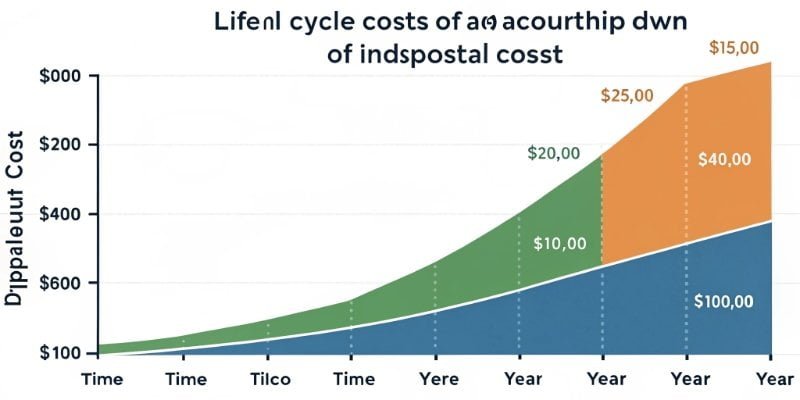
Thinking about life cycle cost is a strategic financial method. It moves your focus from short-term savings to long-term value1. As a software expert, you can think of it like this: it's like comparing a one-time software license that has high annual maintenance fees to a subscription model with all updates included. The cheaper initial option isn't always the least expensive over time. In my 18 years of manufacturing industrial scales, I’ve seen many businesses buy a cheap scale. They often have to replace it in just two or three years. A well-built scale from a reliable partner might cost more at first but can last over a decade with very few problems. This long-term view is essential for equipment that is critical to your operations. It’s not just another expense; it’s an investment in your company’s efficiency and future success.
What is included in the total cost of ownership?
You have a budget for the scale itself. But are you prepared for installation fees, training costs, and maintenance? These extra things add up quickly and can catch you by surprise.
Total Cost of Ownership includes the initial purchase price, plus all operational and maintenance costs. Key parts are installation, software integration, employee training, regular calibration, repairs, spare parts, and even the cost of production downtime when the scale fails.
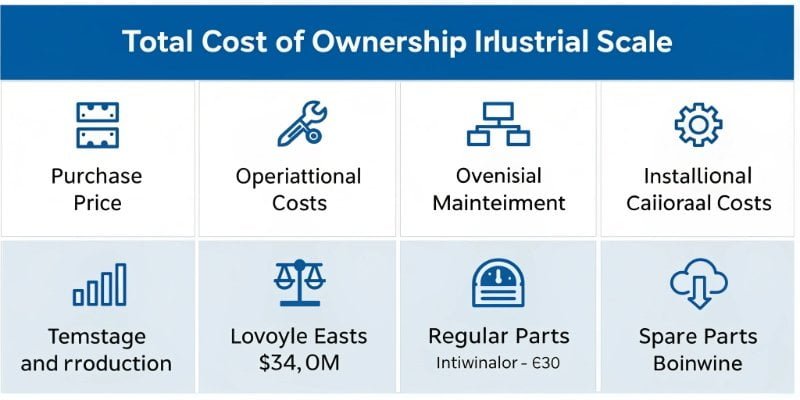
Let's look at these costs in more detail. They fall into a few main groups.
Key Cost Categories
- Upfront Costs: This is more than just the price on the invoice. It includes shipping, taxes, and installation fees2. For your business, software integration is a big part of this. A scale needs to talk to your systems. We know this can be a headache, so we provide clear APIs and dedicated technical support to make this process smooth and reduce your costs.
- Operational Costs: This is what you pay to use the scale every day. It includes the salary of the person operating it, the electricity it uses, and any supplies like printer labels or ink. These might seem small, but they add up over a 10-year lifespan.
- Maintenance and Hidden Costs: This is where a cheap scale often becomes expensive. It includes scheduled maintenance and required calibration3s. It also includes emergency repairs and the cost of spare parts. But the biggest hidden cost is downtime. Every hour your scale is broken, your production might stop, costing you a lot of money.
What does life cycle cost include from beginning to end?
Your scale has served you well for years, but now it is old. What do you do with it? Disposal and replacement costs are often forgotten parts of the total expense.
Life cycle cost covers every single expense from when you buy an asset to when you get rid of it. This includes everything in TCO but also adds end-of-life costs. These include decommissioning, disposal fees, and the cost of replacing the unit.
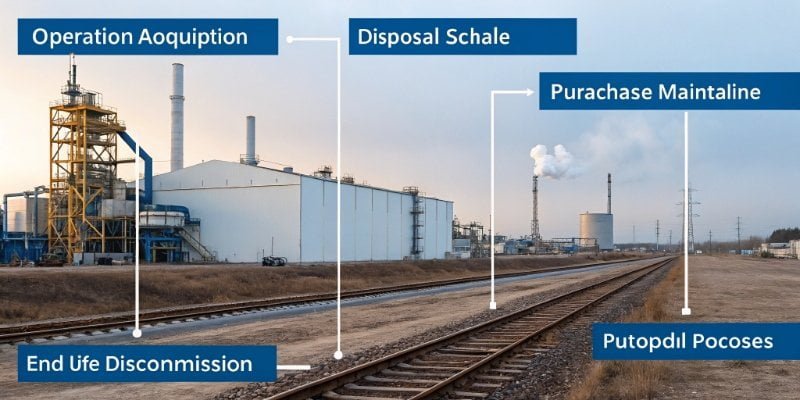
The "end" of the life cycle is just as important as the beginning. You cannot just throw an old industrial scale in the regular trash. There is a proper process to follow which has its own costs.
End-of-Life Stages
- Decommissioning: This means safely taking the scale out of service. If it is connected to your factory's production line or your company's network, this step is very important. All sensitive data on the device must be securely wiped to protect your business.
- Disposal or Recycling: Industrial scales contain electronics, batteries, and heavy metals. They often require special disposal to follow environmental rules, like the WEEE regulations in Europe. This service costs money. We design our products to be more easily taken apart and recycled, which can help lower this cost for you in the future.
- Replacement: The cost of replacement is not just the price of a new scale. It also includes the time and money your team spends researching, choosing, and installing the new equipment. You will also have to train your staff all over again. Choosing a reliable, long-lasting scale from the start means you go through this expensive cycle less often.
How can you actually calculate the total cost of ownership?
You know TCO is an important idea, but it can feel abstract. How do you put a real number on it? Without a simple formula, you are just guessing about the real cost.
To calculate TCO, you add the initial purchase price to all the future costs you expect over the scale's lifespan. A simple formula is: TCO = Purchase Price + (Annual Costs x Lifespan) + Disposal Cost. Make sure to include all cost categories.
Let's make this practical. You can calculate a real estimate to compare different options before you buy.
A Simple Calculation Example
First, list all the costs we discussed. Then, estimate those costs for each scale option you are considering. Finally, add them up. Let's compare two different scales over a 10-year period.
| Cost Component | Scale A (Low Price) | Scale B (High Quality) |
|---|---|---|
| Purchase Price | $2,000 | $5,000 |
| Installation/Training | $500 | $500 |
| Annual Maintenance | $300 | $150 (more reliable) |
| Annual Repairs (Avg.) | $400 (breaks often) | $50 (rarely breaks) |
| Lifespan (Years) | 5 | 10+ |
| Total for 10 Years | $6,000 + $6,000 (replace once) = $12,000 | $5,500 + ($200 x 10) = $7,500 |
This simple table shows the reality. The "cheaper" scale actually costs thousands more over the long term, not even counting the cost of lost production during downtime. This TCO calculation gives you the data you need to justify investing in quality. As your weighing partner, we build scales designed for low TCO.
Conclusion
Thinking about TCO shifts your focus from initial price to long-term value. A quality scale is an investment that lowers costs and boosts profits over its entire lifetime.

[…] sticker price is only one part of the equation. You must consider the Total Cost of Ownership3 […]
[…] always comes around to cost. It's not just about the purchase price of the hardware; it's about the Total Cost of Ownership (TCO)3. Training is a significant part of TCO, and it's where a user-friendly scale provides a clear, […]