
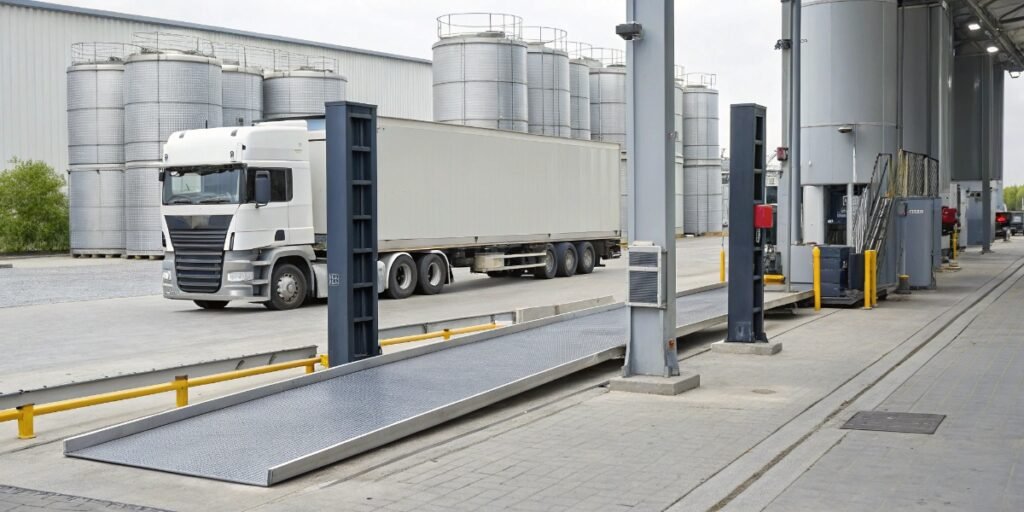
Struggling with manual weight records, errors, and slow truck processing? These issues cost your business time and money. Weighbridge software automates this entire process, ensuring accuracy and boosting efficiency.
Weighbridge software is a specialized computer program that manages and automates weighing operations. It connects directly to the weighbridge scale to capture weight data, store it securely, and generate reports. This improves accuracy, reduces human error, and provides valuable data for business management.
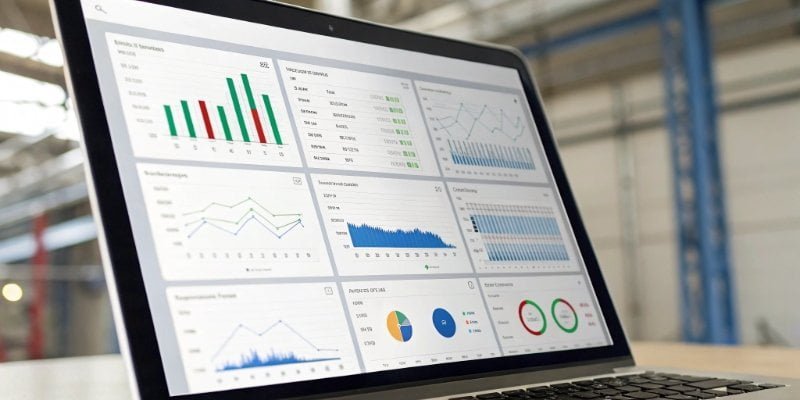
Now that you have a basic understanding, you might wonder how this fits into a larger system or what skills are needed to operate it. We will explore its practical applications, necessary operator skills, and the technical details of connecting a scale to a computer. This knowledge is crucial for anyone looking to modernize their weighing operations. Let's dive deeper into how this technology can transform your business.
What is the weighbridge system used for?
Is your yard chaotic with trucks, leading to inventory mistakes and billing disputes? This disorganization can directly impact your bottom line. A weighbridge system brings order, accuracy, and control.
A weighbridge system is primarily used to weigh large vehicles like trucks and trailers. It captures their gross (full) and tare (empty) weights to determine the net weight of the goods being transported. This is essential for trade, logistics, and resource management.
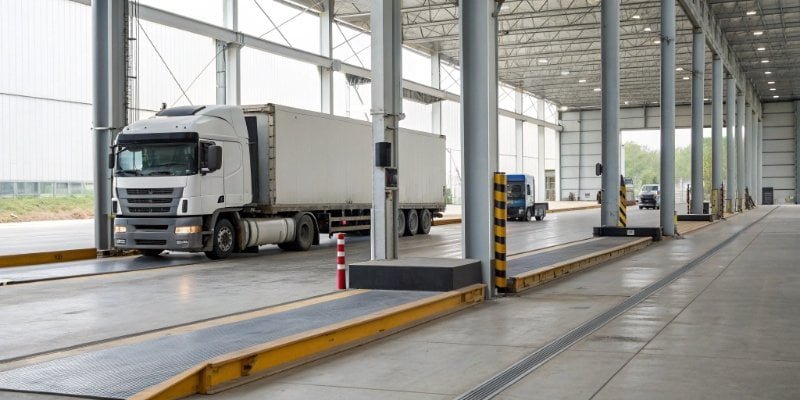
A weighbridge system1 is more than just a scale; it's a complete solution for managing bulk material flow. Over my 19 years in this industry, I've seen it become indispensable across various sectors. The core purpose is to create an accurate, auditable record of every load that enters or leaves a facility. This prevents disputes and ensures fair trade.
Key Applications in Different Industries
The use cases are incredibly diverse.
- Logistics & Transport: Companies use weighbridges to calculate freight costs based on weight and to ensure trucks are not overloaded, which helps them comply with road safety regulations.
- Waste Management: Municipalities and private companies weigh garbage trucks to bill customers based on tonnage and to track landfill capacity.
- Agriculture: Farmers weigh trucks filled with grain, produce, or livestock to calculate yields and manage sales accurately.
- Mining & Construction: These industries rely on weighbridges to measure the amount of raw material extracted from a quarry or delivered to a construction site.
From Manual to Automated
The evolution from manual logbooks to digital systems has been a game-changer. Let's compare the two approaches.
| Feature | Manual Weighbridge System | Automated Weighbridge System |
|---|---|---|
| Data Entry | Handwritten by operator | Captured automatically from scale |
| Error Rate | High (transcription, calculation) | Extremely low |
| Process Speed | Slow (3-5 minutes per truck) | Fast (under 1 minute per truck) |
| Reporting | Manual, time-consuming | Instant, customizable reports |
| Security | Low, prone to fraud | High, with user access controls |
An automated system not only speeds things up but also provides a level of data integrity2 that is impossible to achieve manually. This digital data can then be integrated directly with other business systems.
What is weighsoft?
Confused by all the different terms for weighing software? Using the wrong terminology can make it hard to find the right solution. Let's clarify what "weighsoft" really means for your business.
"Weighsoft" is a common industry shorthand for weighbridge software. It refers to the specific application that controls the weighing process, manages data, and often integrates with other business management systems like an ERP or accounting platform. It's the brains behind the brawn of the scale.
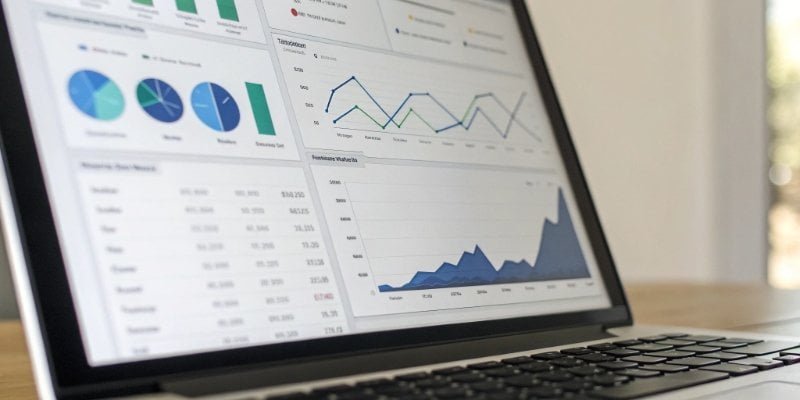
Essentially, if the weighbridge is the body, the "weighsoft3" is the mind. It's what turns a simple weight measurement into valuable business intelligence4. When a customer comes to us, they're not just buying a piece of steel that weighs things; they're investing in a system to manage their operations. The software is the most critical part of that system.
Essential Features of Modern Weighsoft
When evaluating different weighsoft options, there are several key features to look for.
- Intuitive User Interface (UI): The software should be easy for operators to learn and use. A complicated interface leads to errors and slows down throughput.
- Integration Capability: This is non-negotiable for modern businesses. The software must be able to share data with other systems. This is why we offer a powerful API, which allows software vendors to connect our hardware to their own platforms seamlessly.
- Security & Access Control: You need to control who can perform certain actions, like manually entering a weight or voiding a transaction, to prevent fraud.
- Customization: Every business is different. The ability to add custom fields, create unique report templates, or tailor the workflow is a huge advantage. I remember a client in the recycling industry who needed to track dozens of different material grades. We configured our software to meet their exact needs, which their previous off-the-shelf solution couldn't do.
What skills do weighbridge operators need?
Think hiring a weighbridge operator is just about finding someone to sit and click a button? A bad hire can create data nightmares and operational bottlenecks. Knowing the right skills is key.
A good weighbridge operator needs sharp attention to detail, basic computer proficiency, and clear communication skills. They must accurately record vehicle and material data, direct truck traffic efficiently, and follow safety protocols without fail. They are the gatekeepers of your site's data integrity.
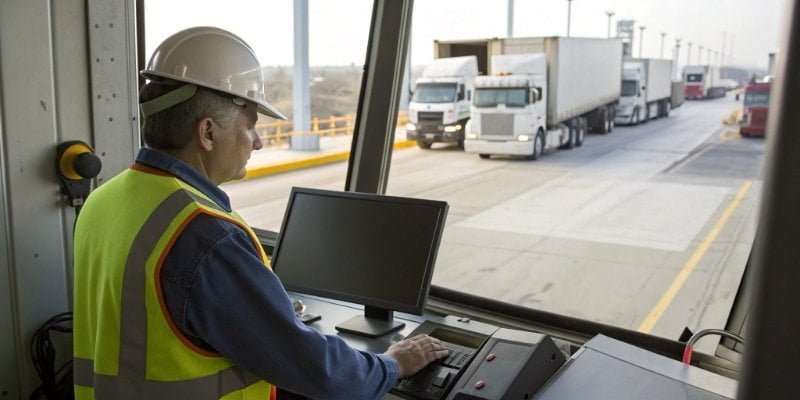
Over the years, I've seen how a great operator can be the difference between a smooth operation and constant chaos. They are the human element in a highly automated process, and their role is to ensure everything runs as it should. Their primary job is to verify that the data captured by the software matches the reality of the truck in front of them.
Technical & Operational Skills
An operator must be comfortable with the technology they use daily.
- Software Proficiency: They don't need to be programmers, but they must be able to navigate the weighsoft quickly and confidently. This includes starting a transaction, capturing weights, and printing tickets.
- Hardware Familiarity: They should understand the basic functions of the weighbridge, boom gates, traffic lights, and intercom systems.
- Basic Troubleshooting: When a ticket won't print or a sensor seems off, the operator should be the first line of defense. They need to know whether to restart a program or call for technical support.
Crucial Soft Skills
The technical skills are teachable, but the right soft skills are often what define a top-tier operator.
| Soft Skill | Why It's Important |
|---|---|
| Attention to Detail | The most vital skill. One wrong digit in a license plate or order number can cause major billing and inventory issues. |
| Clear Communication | Operators must give simple, direct instructions to drivers who may be stressed, in a hurry, or speak a different language. |
| Problem-Solving | What if a driver shows up without a reference number? A good operator stays calm and knows the procedure to resolve the issue. |
| Integrity | The operator is in a position of trust. They must be honest and diligent to prevent fraudulent activities. |
Hiring for these skills ensures your weighbridge station is an efficient and reliable part of your business.
How do I connect my weighing scale to my computer?
You have a high-quality industrial scale and a powerful computer, but they won't communicate. This gap turns your investment into a standalone island. Connecting them is the key to unlocking your data.
To connect a weighing scale to a computer, you typically use a physical cable like a Serial RS-232 or USB, and a software program or driver that can interpret the scale's data stream. For modern systems, Ethernet and Wi-Fi connections are also becoming common.

The physical connection is just the first step. The real magic happens in the software, which acts as the translator between the scale's raw output and the useful information you see on your screen. As a manufacturer, this is a question we answer every day. For our clients, especially software vendors and system integrators, getting this connection right is fundamental.
Connection Methods and Protocols
There are several ways to make the physical link. Each has its place depending on the environment and requirements.
| Connection Method | Pros | Cons | Best For |
|---|---|---|---|
| Serial (RS-232) | Extremely reliable, standard in industry | Requires a serial port or USB adapter | Industrial environments, legacy systems |
| USB | Simple plug-and-play, common on all PCs | Shorter cable length limitations | Labs, light industrial, or office settings |
| Ethernet / Wi-Fi | Allows for network access and remote viewing | More complex setup, potential security risks | IoT integrations, large-scale facilities |
The Critical Role of Software and APIs
Once the scale is physically connected, the computer needs to understand the signals it's receiving. This is where software comes in. At Weigherps, we give our partners two clear paths forward.
- Our Turnkey Software: We offer our own robust, feature-rich weighbridge software that is ready to use right out of the box. It's designed to work perfectly with our hardware.
- Open API for Integration: We know many of our clients, particularly software companies, have their own brilliant platforms. We provide a comprehensive and well-documented API (Application Programming Interface). This allows your developers to easily pull weight data from our scales directly into your own software, giving you full control over the user experience and data management5. This flexibility is what sets a true partner apart from just a supplier.
Conclusion
Weighbridge software is crucial for modernizing weighing. It boosts efficiency, ensures data accuracy, and integrates seamlessly into your workflow. We provide turnkey software or an open API for perfect integration.
-
Learn about the applications and benefits of a weighbridge system in various industries. ↩
-
Understand the significance of maintaining data integrity in weighing processes. ↩
-
Find out how weighsoft enhances the functionality of weighbridge systems. ↩
-
Explore how weighbridge software can transform raw data into actionable business insights. ↩
-
Explore how effective data management can streamline your weighing operations. ↩


[…] a flexible architecture, often using APIs, to connect with a wide range of devices. This includes weighbridges5, traffic lights, barriers, RFID readers, and cameras. It also needs to communicate seamlessly with […]