
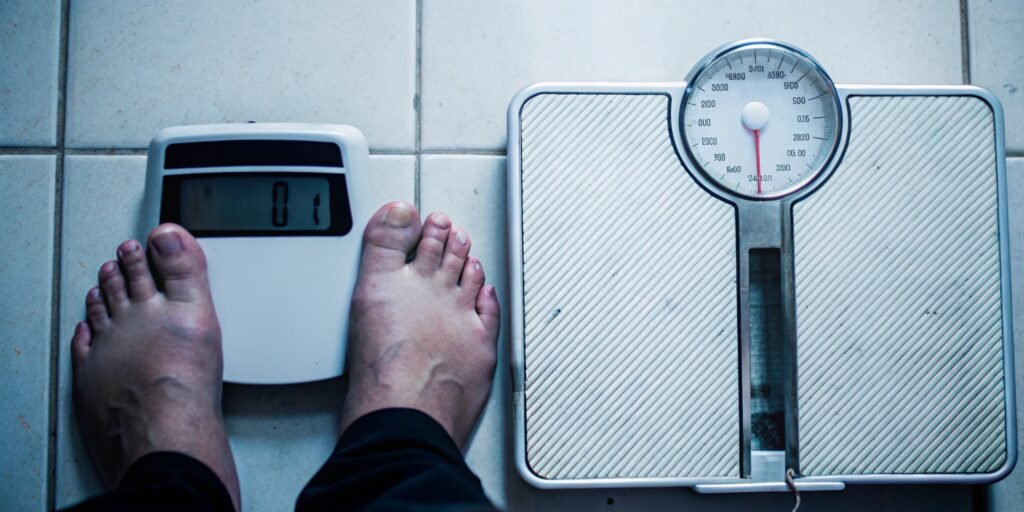
Are outdated weighing processes slowly draining your profits? Manual errors, material waste, and inefficient workflows are common pain points that quietly eat away at your bottom line.
Upgrading to a smart PC scale can deliver significant cost savings by automating data collection, minimizing human error, reducing material waste, and streamlining operations. This technology integrates weighing with advanced software to optimize efficiency and cut hidden expenses across your production line.

As someone who has been in the industrial scale business for nearly two decades, I have seen firsthand how technology transforms operations. We once had a client, a food processing company, struggling with inconsistent batch sizes and tedious manual record-keeping. The switch to a smart weighing system wasn't just an upgrade; it was a complete operational overhaul. The immediate reduction in errors and waste was staggering. This experience highlighted a fundamental truth: investing in smart technology is not an expense, but a direct path to greater profitability and efficiency. It’s about making every gram and every second count.
How Does a Smart PC Scale Help Reduce Labor Costs?
Tired of deploying staff for tedious, error-prone data entry? Manual paperwork consumes valuable hours and often leads to mistakes that require even more time to fix.
A smart PC scale automates the entire process of weighing and data recording. It eliminates the need for manual logs, freeing up your employees to focus on more strategic, value-added tasks instead of repetitive administrative work.

Automating weighing and data entry with a smart PC scale directly translates into significant labor cost savings. The technology streamlines workflows by removing manual, time-consuming steps that are often prone to human error. I remember visiting a client whose team spent hours each day just reconciling handwritten weight logs with their inventory system. It was a bottleneck that slowed down их entire production process.
By implementing smart scales, they automated this task entirely. The scales captured weight data and sent it directly to their Enterprise Resource Planning (ERP) system1 in real time. This integration not only eliminated the need for dedicated staff to handle data entry but also improved data accuracy overnight. The result was a more efficient and cost-effective operation. The same employees who were once bogged down with paperwork could then be reassigned to roles focused on quality control and process improvement, adding more value to the business.
Here's a breakdown of how this automation reduces personnel expenses:
| Feature | Manual Process | Smart PC Scale Process | Labor Savings |
|---|---|---|---|
| Data Recording | Employee manually records weights on a log sheet. Prone to errors. | Scale automatically captures weight and sends data to a central system. | Eliminates the need for a data entry clerk. |
| Data Transfer | A second employee enters the handwritten data into a computer or ERP system. | Seamless integration with existing software (ERP, POS) for instant updates. | Reduces staff time spent on data management. |
| Employee Training | New hires require extensive training on product codes and logging procedures. | The intuitive interface and automated item recognition reduce training time. | Faster onboarding and less non-productive time for new staff. |
| Error Correction | Staff spend time identifying and correcting discrepancies from manual errors. | Real-time alerts and high accuracy minimize the need for rework. | Less time wasted on troubleshooting and corrections. |
Can a Smart PC Scale Really Minimize Material Waste?
Are you losing money from product giveaway or inconsistent batches? Inaccurate measurements in production can lead to significant material waste and direct financial loss over time.
A smart PC scale ensures precise and consistent measurements for every batch. By enforcing strict adherence to recipes and formulas, it radically reduces material over-consumption and product giveaway, directly boosting your profit margins.
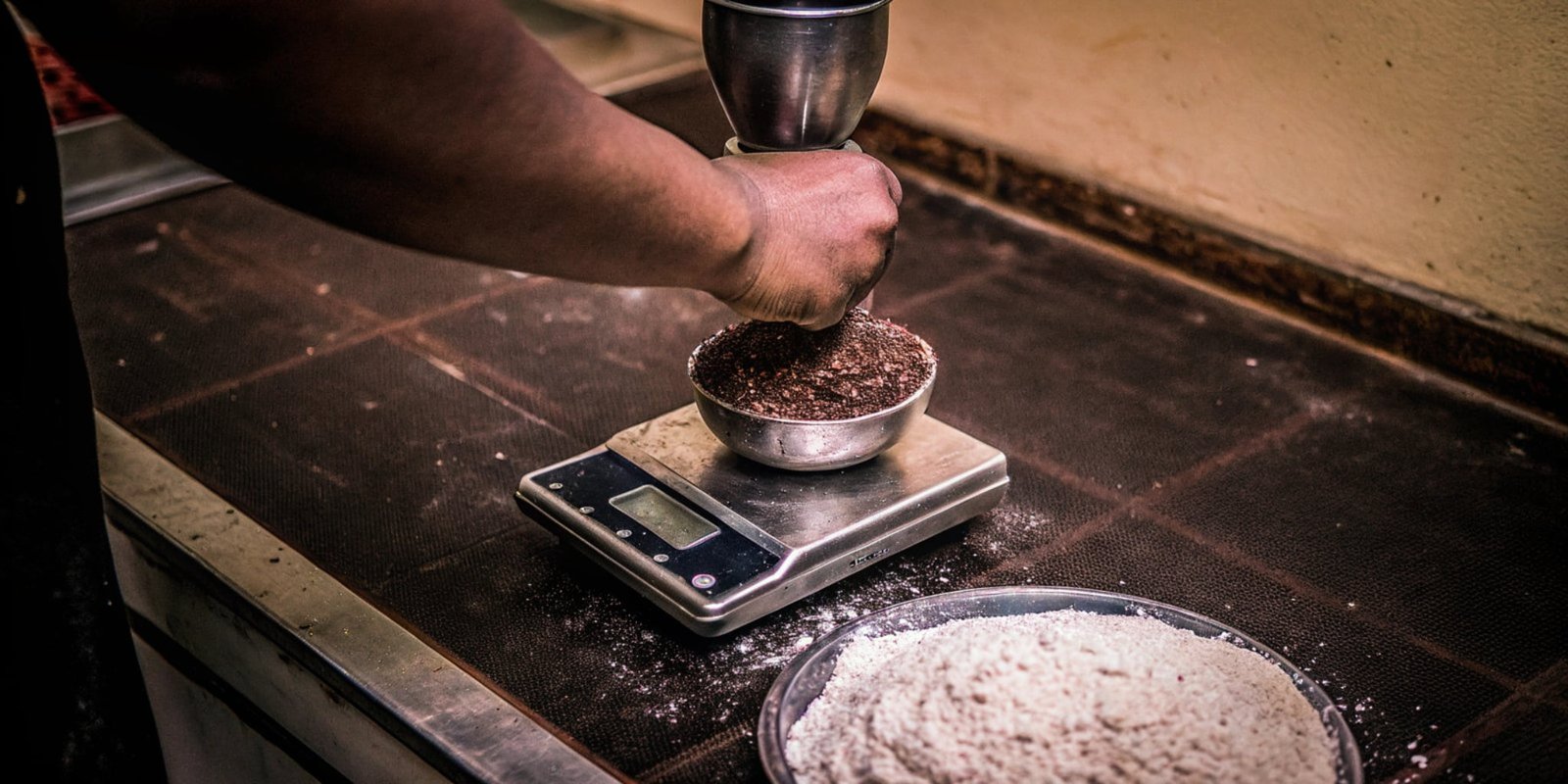
Inaccurate measurements are a silent profit killer. I once worked with a spice company that was experiencing inconsistent profit margins despite steady sales. We discovered that their manual batching process was the culprit. Depending on the operator, the amount of expensive spices used in their blends would vary, leading to significant "product giveaway." These small, unaccounted-for excesses added up to thousands of dollars in losses each month.
By upgrading to a smart PC scale with recipe management software2, they were able to enforce precision. The system required each ingredient to be weighed to the exact gram before the operator could proceed to the next step. This simple change had a massive impact. It eliminated material over-consumption and ensured every batch was consistent in both quality and cost. This level of control is crucial for any business where raw materials represent a significant portion of production costs. Smart scales turn waste into profit by ensuring you use exactly what you need—no more, no less.
Here is how a smart scale helps control material costs:
| Feature | Impact on Material Waste | Financial Benefit |
|---|---|---|
| High-Precision Weighing | Ensures every ingredient is measured accurately, preventing overuse. | Reduces direct material costs by eliminating over-consumption. |
| Recipe Management | Locks recipes and tolerances, guiding operators to add the exact amount required. | Prevents inconsistent batches and costly rework. |
| Consumption Tracking | Provides real-time data on material usage, allowing for better inventory management. | Improves forecasting and reduces costs associated with holding excess stock. |
| Real-Time Alerts | Notifies supervisors immediately if a batch deviates from the set recipe. | Allows for instant correction, preventing an entire batch from being wasted. |
Will Upgrading to a Smart PC Scale Reduce Customer Complaints and Payouts?
Are you facing financial losses from customer complaints about underfilled packages? These issues not only cost money in compensation but also damage your brand's reputation.
A smart PC scale with checkweighing functionality can perform a 100% weight inspection on every package. This ensures no under- or overweight products leave your facility, drastically reducing customer complaints and costly chargebacks.
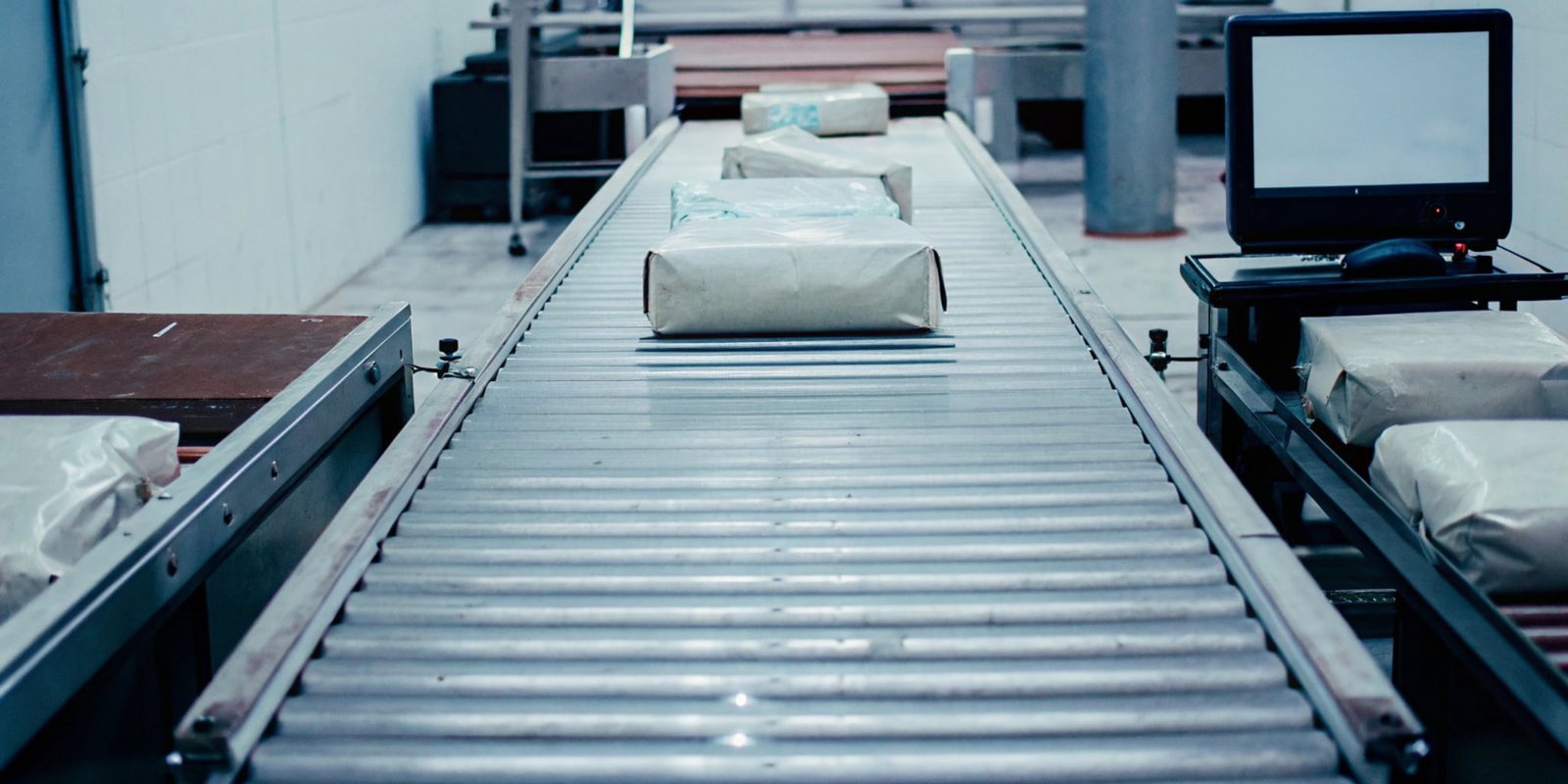
A few years ago, a client in the packaged foods industry was struggling with a rising number of complaints about inconsistent product weights. They were shipping thousands of units a day, and manual spot-checks were not catching the errors. The cost of customer compensation and product returns was becoming a serious problem, not to mention the damage to their reputation.
The solution was to integrate a smart PC scale with a dynamic checkweighing function into their packaging line. This system automatically weighed every single package as it moved down the conveyor belt. Any package that was outside the acceptable weight range was automatically rejected before it could be boxed for shipment3. The results were immediate and dramatic. Customer complaints related to weight dropped to virtually zero within the first month. By ensuring the accuracy of every shipment, they protected their brand, eliminated compensation costs, and improved customer satisfaction, turning a major pain point into a competitive advantage.
| Problem | Manual Solution | Smart PC Scale Solution | Outcome |
|---|---|---|---|
| Underweight Packages | Random spot checks, which miss many errors. | 100% automated weight verification for every package. | Eliminates underfills and related customer complaints. |
| Overweight Packages | Product giveaway goes unnoticed, reducing profit margins. | Flags and rejects overweight packages, providing data to fix the overfilling issue at the source. | Prevents product giveaway and saves money on lost materials. |
| Compliance & Audits | Manual, often incomplete, records for quality control. | Creates a complete, time-stamped digital record of every package's weight for easy auditing. | Simplifies compliance with industry regulations and provides robust quality documentation. |
How Can a Smart PC Scale Streamline Your Procurement Process?
Juggling multiple vendors for your equipment, software, and support is complex and inefficient. It leads to compatibility issues, fragmented support, and wasted time on administrative tasks.
Partnering with a single-source provider like us gives you an integrated smart PC scale solution. This simplifies purchasing, guarantees compatibility, and provides one point of contact for all your support needs.

I often speak with purchasing managers who are overwhelmed by managing different vendors for their operational hardware and software. They might buy scales from one company, software from another, and get integration support from a third. This creates what I call "vendor chaos." When something goes wrong, the software vendor blames the hardware, and the hardware vendor blames the software. It’s a frustrating, time-consuming, and expensive cycle.
As a company that provides complete, integrated weighing solutions, we remove that chaos. We deliver a smart PC scale with our own proven software, all backed by our expert technical team. This single-supplier approach streamlines everything. You have one purchase order, one implementation process, and one number to call for support. This simplifies administration and ensures all components work together seamlessly from day one. It eliminates the blame game and allows you, the client, to focus on your business, confident that your weighing system is fully supported by a team that understands the entire solution.
| Challenge with Multiple Vendors | Benefit of a Single-Source Provider |
|---|---|
| Compatibility Issues | Guaranteed seamless integration between hardware and software. |
| Fragmented Support | A single, accountable point of contact for all technical issues. |
| Complex Procurement | Simplified purchasing with one contract and one vendor relationship to manage. |
| Higher Administrative Costs | Reduced administrative workload from dealing with fewer invoices and contacts. |
| Inconsistent Quality | Consistent quality and performance across the entire system. |
Conclusion
Upgrading to a smart PC scale cuts costs by saving labor, reducing waste, and preventing customer complaints. It’s a strategic investment in efficiency, accuracy, and long-term profitability for your operations.
-
"(PDF) FROM ERP TO SHOP FLOOR: SAP–MES ...", https://www.academia.edu/145187385/FROM_ERP_TO_SHOP_FLOOR_SAP_MES_INTEGRATION_FRAMEWORKS_AND_REAL_WORLD_RESULTS. ERP and manufacturing information-systems literature describes ERP systems as integrated platforms that consolidate operational data across business functions, including production, inventory, and procurement. Evidence role: definition; source type: encyclopedia. Supports: Weight data can be integrated with ERP systems to update business records and inventory workflows.. Scope note: This defines and contextualizes ERP integration; it does not prove that the article’s described implementation produced real-time savings. ↩
-
"Recipe Management System for Batch and Process ...", https://sgsystemsglobal.com/glossary/recipe-management-system/. Manufacturing execution and batch-control literature describes recipe management as a method for enforcing formulation steps, tolerances, and traceable execution in batch processes. Evidence role: definition; source type: paper. Supports: Recipe management software can enforce ingredient amounts and process steps in batch production.. Scope note: This establishes the function of recipe-management systems generally; it does not verify the capabilities of the article’s vendor-specific software. ↩
-
"Dynamic Checkweigher For Packaging Lines", https://www.chinapackagingmachine.com/dynamic-checkweigher-packaging-line/. Technical descriptions of dynamic checkweighers explain that in-line systems can trigger reject mechanisms when measured package weights fall outside preset tolerance limits. Evidence role: mechanism; source type: institution. Supports: Dynamic checkweighers can automatically reject packages outside an acceptable weight range.. Scope note: This supports the general reject mechanism of checkweighers, not the performance of the specific client example described in the article. ↩



Comments (0)