
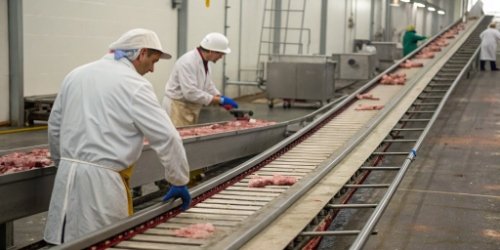
Unstable track scales in your slaughterhouse are costing you money. Inaccurate data leads to profit loss and operational headaches. We have the solution to bring stability and accuracy back.
To fix an unstable dynamic track scale, you must first inspect and correct all physical issues, such as jammed hooks or an uneven track. Then, implement smart software with advanced algorithms that can filter out noise and accurately determine the stable weight from a continuous data stream. A combination of hardware optimization and intelligent software is the most effective approach.
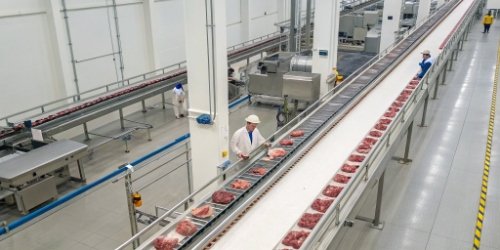
You now have a general idea of the solution. But to truly fix the problem, you need to understand exactly what's causing it. In our 19 years of manufacturing industrial scales, we've seen these issues countless times. Fixing them requires a deep dive into the root causes. Once you know what to look for, the path to a stable, reliable weighing system becomes much clearer. Let's break down the common problems we see in the field.
What Are the Main Causes of Instability in Dynamic Track Scales in Slaughterhouses?
You see fluctuating numbers on your scale's display and don't know why. Guessing the cause wastes valuable time and money on ineffective fixes that don't solve the underlying problem.
The primary causes are both physical and software-related. Instability often comes from aging production lines causing hook jams, carcasses swinging or rolling back onto the scale, and older software systems that cannot pinpoint a stable weighing point from a continuous stream of sensor data.
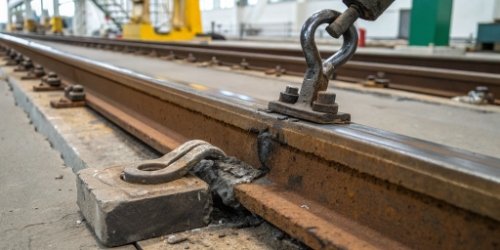
Based on my experience visiting plants across the globe, these issues pop up again and again. It's often not one single thing, but a combination of factors. Understanding each one individually is the first step toward a comprehensive solution. I remember one client who kept replacing expensive load cells, thinking they were faulty. The real problem was a tiny, warped section of the track that caused a slight vibration every time a carcass passed over. It was an easy hardware fix, but without a proper diagnosis, they were just throwing money away. Let's look at these causes more closely.
Mechanical and Environmental Factors
The physical environment of a slaughterhouse is tough on equipment. The most common issues we see are related to the hardware itself. An aging production line is a top offender. Over time, the connection points between the main track and the scale body can wear down. This creates a gap or a bump where hooks can get stuck for a split second, throwing off the reading. We also see issues with the hooks themselves. If a hook rolls off the scale and then its momentum causes it to roll back slightly, the system might try to weigh it a second time or get a confused reading.
Software and Data Processing Limitations
Even with perfect hardware, your scale can be unstable if the software isn't smart enough. Many older systems are designed to simply output a continuous stream of weight values as a carcass moves across the scale. The software is then supposed to guess which value is the "correct" one. This method is highly unreliable. Any slight vibration, swing, or hesitation can create a false peak or trough in the data. The system can't tell the difference between a real weight and a momentary jolt. This is a fundamental flaw that can only be solved with better software logic.
| Cause | Description | Impact on Stability |
|---|---|---|
| Track Misalignment | Gaps or bumps at scale entry/exit. | Causes hooks to jam or jerk, creating false readings. |
| Hook Rollback | Hooks slide back onto the scale after passing. | Confuses the system, leading to double-counting or errors. |
| Continuous Data Output | Old software sends raw data without analysis. | Cannot distinguish true weight from noise and vibration. |
| Carcass Swinging | The carcass is not stationary during weighing. | The force changes constantly, preventing a stable reading. |
How Can Slaughterhouses Ensure the Stability of Dynamic Track Scales?
You want a system that is stable and reliable from day one. A poor setup or a cheap, unverified solution almost guarantees future failures, production stoppages, and unexpected costs.
To ensure stability, you must adopt a two-part strategy. First, start with a thorough assessment and standardization of the hardware installation. Second, pair that solid foundation with intelligent software that is designed specifically to handle the challenges of dynamic weighing in a slaughterhouse environment.
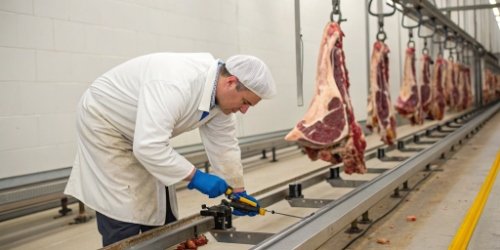
We always tell our clients that software can't work miracles on broken hardware. You can have the most advanced algorithm in the world, but if the hooks are constantly getting stuck, the data fed into the system will be garbage. That's why we at Weigherps have developed a comprehensive approach that standardizes both the physical setup and the software configuration. This ensures that from the moment the system is turned on, it is built for accuracy and reliability. It's about building a strong foundation first, then layering on the intelligence.
Start with the Hardware Foundation
Before you even think about software, look at your production line. This is especially critical for older facilities. We recommend a prioritized checklist.
- Assess the Track: Is the track leading to and from the scale perfectly level and smooth? Are there any gaps, warps, or worn-down sections at the connection points with the scale body? These must be fixed first.
- Inspect the Scale Body: Ensure the scale itself is securely mounted and free from any external interference. Nothing should be touching it that isn't supposed to.
- Standardize the Hooks: Check that the hooks are uniform and move freely. A smooth, predictable flow of carcasses is essential for consistent weighing.
Implement a Standardized Installation Protocol
Once the surrounding hardware is verified, the scale installation itself must follow strict guidelines. A rushed or sloppy installation is a primary cause of long-term problems. Our own technical teams follow a rigid protocol for every installation, and we provide this to our partners as well. It covers everything from the physical placement to the final software calibration, creating a repeatable process that guarantees performance.
| Installation Step | Action Required | Why It's Crucial for Stability |
|---|---|---|
| 1. Site Assessment | Evaluate the existing production line and environment. | Identifies hardware issues (like track gaps) before installation begins. |
| 2. Mechanical Mounting | Securely fit the scale body, ensuring it is level and stable. | Prevents vibrations and interference that can corrupt weight data. |
| 3. Sensor and Wiring | Connect load cells and data cables according to specifications. | Protects against signal loss or electrical noise from other equipment. |
| 4. Initial Calibration | Use certified test weights to set the baseline accuracy1. | Ensures the scale provides correct readings from the very start. |
| 5. Software Configuration | Set parameters for weight detection, filtering, and data output. | Tailors the system's logic to the specific speed and flow of your line. |
What Maintenance Tips Help Prevent Issues with Dynamic Track Scales?
Your scale is working perfectly right now, but for how long? An unexpected breakdown can halt your entire production line, leading to expensive downtime and lost productivity.
Simple, consistent maintenance is the key to prevention. Regularly clean the scale and track to remove grime, check and tighten any loose connections, inspect hooks for wear, and periodically perform a calibration check with known weights. A routine schedule prevents most common failures.
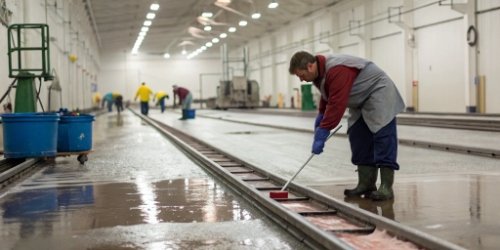
In my experience, more than half of the service calls we get could have been avoided with a simple maintenance routine. It’s easy to overlook these small tasks when everything seems to be running fine. However, the harsh environment of a slaughterhouse2, with its constant moisture and organic matter3, is very demanding on precision equipment. We work with our clients to establish a maintenance culture. A few minutes of prevention each day or week saves hours or even days of costly repairs down the road. It protects your investment and, more importantly, your operational uptime.
Creating a Practical Maintenance Schedule
To make it easy, we break down maintenance into a simple checklist based on frequency. This removes the guesswork and turns an important job into a simple routine. Empowering your on-site team with a clear plan is the most effective way to ensure the long-term health of your weighing system. Every part of this schedule is designed to address the common points of failure we discussed earlier, from physical blockages to sensor drift.
| Frequency | Task | Purpose and Benefit |
|---|---|---|
| Daily | Visual Inspection & Basic Cleaning: Wipe down the scale body and visible sensors. Look for any debris on the track or near the scale. | Prevents buildup of fat and grime that can interfere with moving parts or obscure sensors. Takes less than 5 minutes. |
| Weekly | Detailed Track & Hook Check: Clean the track sections leading to and from the scale. Inspect hooks for damage or wear. Check that all bolts on the scale mounting are tight. | Ensures a smooth transition for carcasses, preventing the jerks and jams that cause unstable readings. |
| Monthly | Calibration Check: Place a certified test weight on the scale to verify its accuracy. Check all data cable connections to ensure they are secure. | Catches sensor drift or electronic issues early, before they lead to significant and costly inaccuracies in your production data. |
| Annually | Professional Service & Recalibration: Have a certified technician perform a full diagnostic and recalibration of the system. | This is your comprehensive annual health check. It ensures compliance with standards and extends the life of your equipment. |
What Technology Solutions Can Resolve Instability in Slaughterhouse Weighing Systems?
You've fixed your hardware, but the readings are still inconsistent. Your old software is holding your operation back, unable to cope with the fast-paced, imperfect reality of a dynamic production line.
Modern technology solves this with specialized software algorithms. We at Weigherps use advanced dynamic filtering and stability detection logic that intelligently analyzes the data stream in real-time. It identifies and isolates the true weight, ignoring the noise from swinging and vibration. This is the ultimate solution for accuracy.
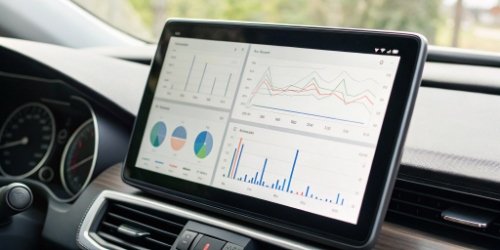
This is where our 19 years of R&D really make a difference. We realized long ago that a "one-size-fits-all" software solution doesn't work for dynamic weighing. So, we brought together experts in industrial weighing and IoT to develop software specifically for this challenge. Our system doesn't just take a reading; it understands the behavior of a carcass moving on a track. It knows what a stable weight looks like versus what a jolt or swing looks like in the data. For our software vendor clients, this means they get clean, reliable data ready for integration into their own platforms.
The Power of Smart Algorithms
The core of our solution lies in the software's logic. An old system might simply average the weight readings over one second and call that the final weight. This is easily fooled. Our approach is much more sophisticated.
- Noise Filtering: The first thing our algorithm does is filter out the high-frequency "noise" caused by vibrations from the production line.
- Peak Stability Detection: The software then watches the wave of data as the carcass settles on the scale. It's programmed to look for a plateau—a short period where the weight reading becomes stable. It knows to ignore the initial spike and the fluctuations from swinging.
- Logical Confirmation: The system confirms the weight and flags it as a valid reading before sending it to the database or your management software. It also includes logic to prevent errors like the "hook rollback" issue, ensuring each carcass is weighed only once.
Leveraging IoT for Ultimate Control
Our technology goes beyond just the algorithm. As an OEM/ODM provider, we build our systems with modern connectivity in mind. This is a game-changer for plant managers and for the software providers we partner with. With our IoT-enabled scales, you can:
- Remotely Monitor Performance: See real-time data from any scale on your network4, from anywhere in the world.
- Receive Predictive Alerts: The system can alert you to potential issues, like calibration drift, before they become problems.
- Seamless Data Integration: We provide straightforward methods for your software to communicate with our scales, pulling clean, accurate weight data directly into your ERP or production management system. This empowers you to build powerful, data-driven solutions for your customers.
Conclusion
Fixing an unstable slaughterhouse track scale requires a dual focus. You must first address the physical hardware issues and then apply intelligent software to interpret the data correctly and ensure profit.
-
"ASTM Individual Scale Calibration Weights - Troemner", https://www.troemner.com/Calibration-Weights/Scale-Weights-and-Test-Weights/ASTM-Individual-Scale-Calibration-Weights/c/5200?srsltid=AfmBOophGxcVhbEzKVVswAeTUeyWzAv5qhzPYKtvLMA7pcJ5yVs2fnpJ. Using certified test weights is a standard practice for calibrating industrial scales to ensure baseline accuracy. Evidence role: expert_consensus; source type: education. Supports: Certified test weights are used to set the baseline accuracy during calibration.. Scope note: The source may not address dynamic track scales specifically. ↩
-
"Accounting for Soil Wetness Prior to Conducting Farm Operations to ...", https://extension.sdstate.edu/accounting-soil-wetness-prior-conducting-farm-operations-minimize-compaction. Slaughterhouses are known for their harsh environments, which can affect the performance and longevity of precision equipment. Evidence role: general_support; source type: encyclopedia. Supports: The physical environment of a slaughterhouse is tough on equipment.. Scope note: The source may not directly link environmental factors to scale instability. ↩
-
"Soil organic matter in cropping systems", https://extension.umn.edu/soil-management-and-health/soil-organic-matter-cropping-systems. Moisture and organic matter in slaughterhouses can degrade equipment performance over time. Evidence role: mechanism; source type: research. Supports: Moisture and organic matter in slaughterhouses affect equipment performance.. Scope note: The source may not directly link these factors to scale instability. ↩
-
"What Future Trends in Industrial IoT Will Impact Weighing ...", https://weigherps.com/what-future-trends-in-industrial-iot-will-impact-weighing-technology/. IoT-enabled systems allow for real-time monitoring of data from connected devices, including industrial scales. Evidence role: mechanism; source type: research. Supports: Real-time data from any scale on your network can be accessed through IoT-enabled systems.. Scope note: The source may not specifically address slaughterhouse scales. ↩

Comments (0)