
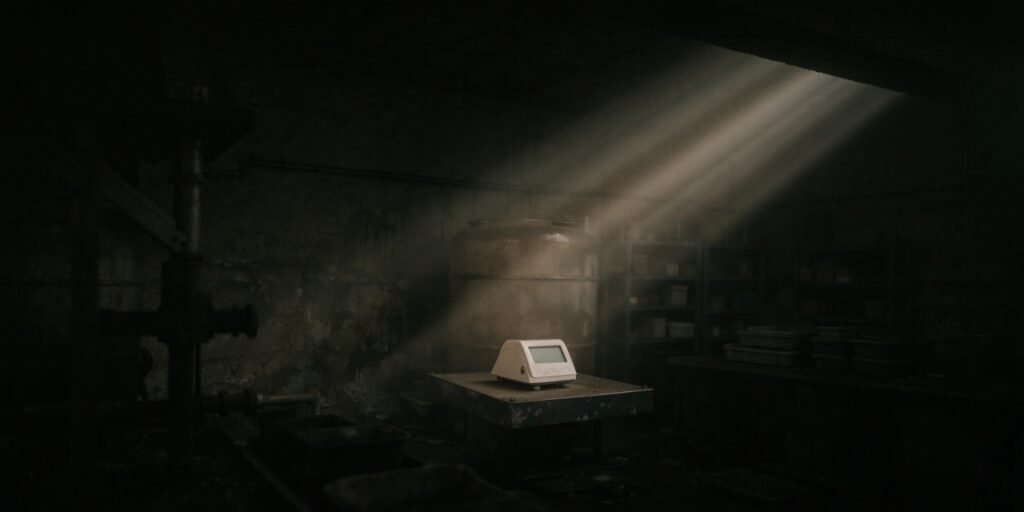
Constantly replacing scales in your damp food processing workshop? This downtime and cost hurt your bottom line. The key is choosing a scale built for these harsh conditions.
Standard electronic scales fail because they lack protection against moisture and corrosive materials. Water and chemicals seep inside, damaging sensitive electronics and load cells. For durability, you need an IP68 waterproof rating and a 304 stainless steel body, specifically designed for harsh food processing environments.
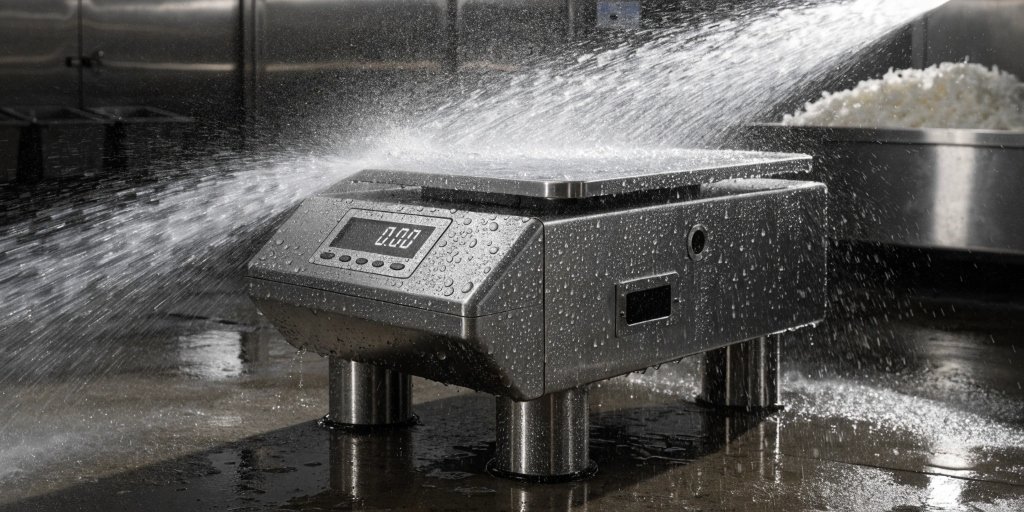
It seems simple enough—just get a waterproof scale. But the challenges are more complex than just a splash of water. The constant humidity, temperature changes, and specific corrosive agents in your workshop create a perfect storm for equipment failure. Let's break down exactly what your scales are up against and how to choose one that will last.
What Challenges Do Electronic Scales Face in Wet and Corrosive Food Workshops?
You've invested in what you thought were good scales, but they keep failing. This unreliability creates production chaos and waste. Let's identify the specific challenges causing these failures.
Your scales battle high humidity, powerful cleaning jets, and corrosive elements like salt and acidic sauces. These elements attack critical components like load cells and wiring. This constant assault leads to inaccurate readings and frequent malfunctions.
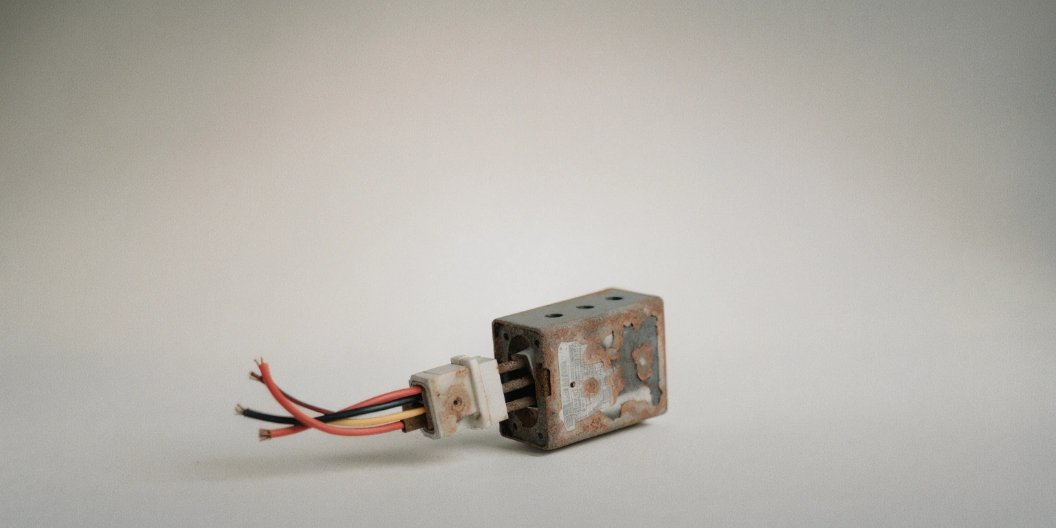
The environment in a food workshop is a triple threat. It's not just about one factor, but how they combine to destroy standard scales.
The Attack of Moisture
Moisture is the primary enemy. It comes in two forms: ambient humidity and direct washing. High humidity can cause condensation inside a poorly sealed scale. High-pressure water jets used for cleaning force water into any tiny gap. An IP65 rating might handle a light splash, but it won't survive a daily washdown. You need at least IP67 (submersible) or ideally IP68 (continuous submersion) for true protection.
The Silent Killer: Corrosion
Even if a scale is waterproof, it might not be corrosion-proof. Food ingredients like salt, vinegar, and marinades, along with aggressive cleaning chemicals, can eat away at metal components. Standard painted steel or even lower-grade stainless steel will eventually rust and degrade. This compromises the scale's structure and accuracy. This corrosion attacks the load cell, the very heart of the scale, causing it to fail.
| Environmental Stressor | Affected Scale Component | Result of Failure |
|---|---|---|
| High-Pressure Washdown | Casing, Seals, Display | Water ingress, short circuits |
| High Ambient Humidity | Internal Electronics | Condensation, corrosion, drift |
| Salt and Saline Solutions | Load Cell, Frame, Fasteners | Rust, material degradation, inaccuracy |
| Acidic Ingredients (e.g., vinegar) | All metal surfaces | Pitting, structural failure |
How Can Electronic Scales Be Made More Durable for Use in Food Processing Facilities?
Tired of constantly buying new scales for your facility? The search for a truly durable model can be frustrating. The secret isn't complicated; it's about superior materials and smart design.
Durability comes from two things: material and sealing. A full 304 stainless steel body and frame resist corrosion from salt and chemicals. Combining this with a fully sealed design to meet IP68 waterproof standards protects the internal electronics completely.
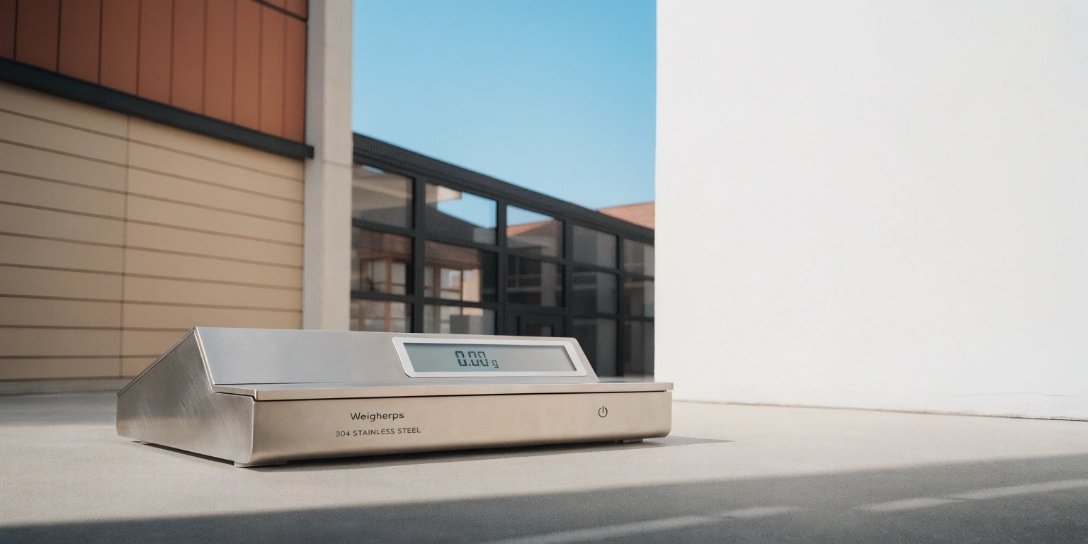
Building a scale that can last a decade in a food processing plant isn't magic. It's engineering. At Weigherps, we have spent 19 years perfecting this.
The Power of 304 Stainless Steel
The choice of material is your first line of defense. We use 304 food-grade stainless steel for the entire body, not just the weighing pan. Why? Because splashes and spills don't just happen on top. Corrosive agents get everywhere. 304 stainless steel contains enough chromium and nickel to form a passive, self-repairing film that resists rust and corrosion from salts, acids, and harsh sanitizers. Painted carbon steel will chip and rust, and lower-grade stainless steel just won't hold up over time.
Beyond the IP Rating: Total Sealing
An IP rating is a number, but real-world protection is a design philosophy. A simple rubber gasket isn't enough. We completely pot our load cells in a specialized waterproof compound. This creates an impenetrable barrier. The cable entry points are sealed with waterproof glands, and the display is integrated into a hermetically sealed housing. I remember a fish processing client who replaced their scales every six months due to saltwater corrosion. After switching to our IP68, full 304 stainless steel model, they are still using the same scales five years later. That’s the difference smart engineering makes.
What Are the Best Alternatives to Standard Electronic Scales for Harsh Food Processing Conditions?
You're ready to stop buying standard scales, but what's the right alternative? Choosing the wrong "heavy-duty" model is just another expensive mistake. The answer is a purpose-built waterproof scale.
The ideal alternative is an industrial scale engineered for this exact purpose. Key features to demand are an IP68 waterproof certification and a complete 304 stainless steel build. Our Weigherps waterproof scales are a prime example, built to last a decade or more.
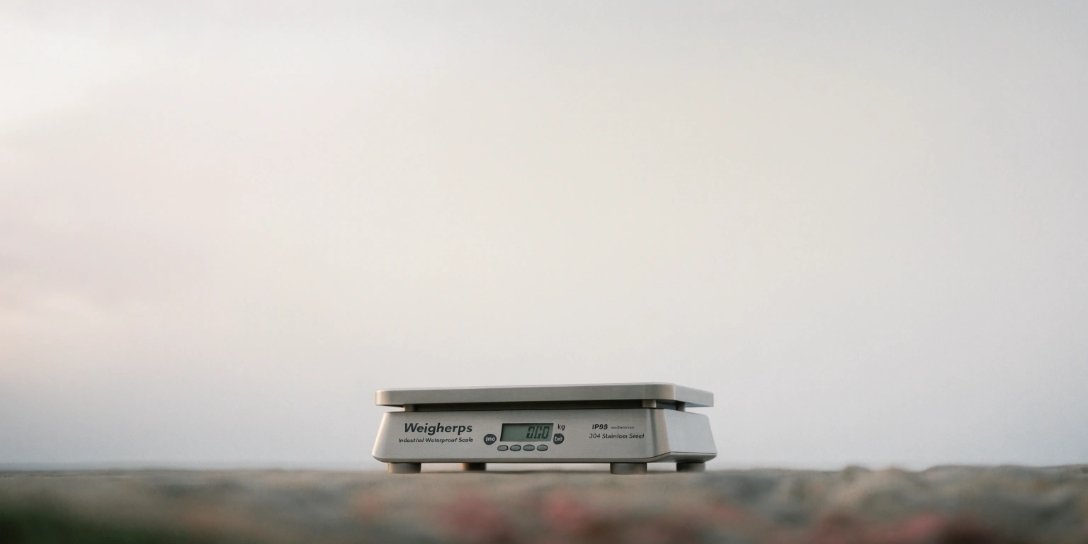
When you're choosing an alternative, you need a clear checklist of non-negotiable features. It's not just about a single feature, but the complete package.
Key Specifications to Demand
Don't settle for less. A truly robust scale for food processing must have these features:
- IP Rating: IP68 is the gold standard for full protection against water and dust.
- Material: Full 304 stainless steel construction for the housing, pan, and frame.
- Load Cell: A hermetically sealed or potted load cell to prevent moisture damage at the source.
- Design: Smooth, easy-to-clean surfaces with no crevices where food and bacteria can get trapped.
- Certifications: Compliance with international standards like CE for safety and quality assurance.
Thinking Beyond the Initial Cost
A cheaper, standard scale might save you money today, but it will cost you much more in the long run. You must consider the total cost of ownership. This includes frequent replacement costs, production downtime during failures, and wasted product from inaccurate measurements. Our Weigherps waterproof scales are an investment in reliability. They are engineered to perform accurately for years, backed by our 12-month warranty and expert technical support. This turns an unpredictable expense into a stable, reliable asset for your business.
Conclusion
Stop the cycle of failed scales. By choosing an IP68 waterproof scale made from 304 stainless steel, you invest in long-term reliability and protect your production and profits.


Comments (0)