
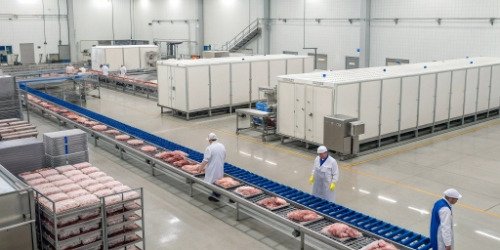
Running separate systems for your slaughterhouse and cold chain logistics? This disconnect creates data silos and hidden waste, silently draining your profits every single day.
The most effective way is to implement a single, unified software platform that connects every stage of your operation. This system uses integrated weighing scales and IoT technology to provide seamless data flow, real-time inventory visibility, and precise cost control from the slaughter floor to the final delivery destination.
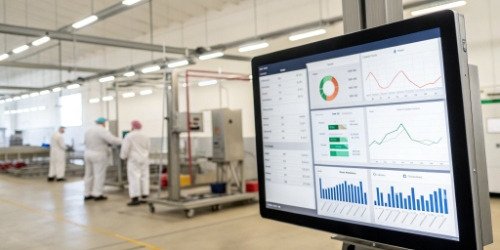
This sounds great in theory, but what does it actually take to make it happen? A true integrated solution isn't just about linking two pieces of software. It’s about building a single, coherent system that thinks and acts as one, giving you a complete view of your business. To help you understand this better, let's break down the most common questions we hear from clients who are looking to make this crucial upgrade.
How Can Slaughterhouses and Fresh Cold Chain Systems Be Managed Together?
Are your slaughterhouse and cold chain teams working in silos? This disconnect often leads to blame games, spoilage, and operational headaches that cost you dearly every month.
You can manage them together using a centralized information system powered by integrated hardware. By connecting IoT-enabled weighing scales at every critical point, from carcass reception to dispatch, you create a single source of truth for both departments, eliminating guesswork and improving collaboration.
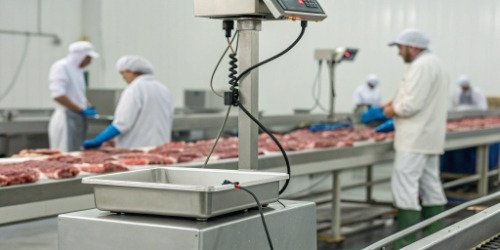
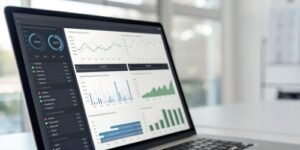
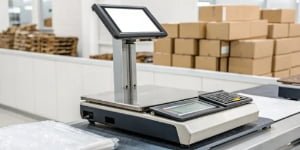
The secret to managing these two distinct operations together is creating a digital thread that ties them into one continuous process. It starts the moment a carcass enters your facility. In the projects we deliver, we often install a carcass rail scale that captures the initial "hot" weight. This weight is instantly linked to a unique ID, usually a QR code printed on a durable tag. As the carcass moves to the cutting floor, each primal cut is weighed on a bench or floor scale. Our system automatically links the weight of each cut back to the original carcass ID, calculating yield and waste in real time. This same ID then follows the product into cold storage and onto the delivery truck.1 A software vendor like you can then use this rich data stream to build powerful dashboards for your clients, showing them exactly where every piece of inventory is and how much it's worth. This isn't just management; it's total operational intelligence.
| Stage | Data Point Captured by Weigherps System | Benefit |
|---|---|---|
| Intake | Carcass weight, Supplier, Date/Time | Accurate payment to suppliers, sets initial inventory value. |
| Cutting | Weight of each cut, Cutter ID, Time | Real-time yield calculation, worker performance tracking. |
| Packaging | Final package weight, Tare, Label data | Traceability, inventory accuracy for finished goods. |
| Dispatch | Order weight, Customer details, Temperature | Accurate billing, completes the cold chain record for compliance. |
What Are the Key Strategies for Combining Slaughterhouse and Cold Chain Operations?
Are you relying on outdated, separate strategies for your plant and your logistics? This fragmented approach creates dangerous blind spots, making it nearly impossible to optimize your entire operation effectively.
The key strategies are unifying your data on one platform, implementing end-to-end product traceability with unique IDs, and automating data capture through integrated weighing systems. This allows you to analyze your entire workflow, not just isolated parts, for continuous improvement.
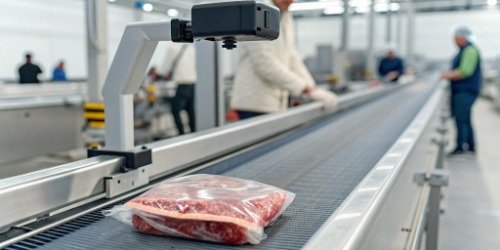
Moving beyond simple connectivity requires a strategic shift in thinking. It's not just about sharing data; it's about using that data to make smarter decisions across the board. In my 19 years in this industry, I've seen the difference this makes time and again.
A Unified Data Platform
Having a single source of truth is non-negotiable.2 When your slaughterhouse system and your warehouse management system (WMS) don't talk, you're forced to rely on manual data entry or spreadsheets. This is slow and notoriously error-prone. Our integrated solution acts as the central brain, ensuring that the weight recorded on the cutting floor is the exact same data used for inventory and shipping, no questions asked. This eliminates arguments between departments and provides management with a clear, undisputed view of the operation.
End-to-End Traceability
I remember a client in the pork industry who faced a potential recall. Because they were using our integrated system, they could instantly trace the affected batch. Within minutes, they knew which farm the animal came from, which workers processed the cuts, and which specific retailers received them. Instead of a massive, brand-damaging recall, they performed a surgical removal of a few cases.3 This is the power of using a unique identifier that our scales print and track from start to finish. It builds immense trust with customers and can turn a potential disaster into a manageable issue.
| Strategy | Siloed Approach (The Old Way) | Integrated Approach (The Smart Way) |
|---|---|---|
| Data | Multiple databases, manual entry, constant errors. | Single source of truth, automated capture, high accuracy. |
| Inventory | Guesswork, periodic and disruptive stock takes. | Real-time visibility, from carcass to individual package. |
| Costing | Estimated losses, unclear responsibility. | Precise waste/yield data at each step, clear accountability. |
| Traceability | Batch-level at best, slow and difficult to execute. | Unit-level, instant and precise, from farm to fork. |
How Can You Develop a Unified Management Plan for Your Slaughterhouse and Supply Chain?
Are you ready to integrate but don't know where to start? Jumping in without a solid plan can lead to costly mistakes, project delays, and a system that fails to deliver.
Start by mapping your entire current workflow to identify pain points and data gaps. Then, define your requirements and choose a technology partner who can provide a complete, integrated hardware and software solution. Finally, implement in phases, starting with a pilot to prove the concept and ensure buy-in.

A successful integration project is built on a solid foundation of planning. As a partner to our clients, we don't just sell scales and software; we guide them through a structured development process to ensure success.
Step 1: Process Mapping and Analysis
Before we even talk about technology, we sit down with your teams—from the general manager to the line worker—and map out every single step.4 Where does product come from? Who weighs it? How is it recorded? This simple exercise is incredibly revealing. It always uncovers hidden inefficiencies and highlights the critical control points where automated data capture will have the most impact. This is the blueprint for your entire project.
Step 2: Defining Clear System Requirements
With a clear map, we can define exactly what the new system must do. Do you need fully waterproof scales for the washdown environment on the cutting floor? Do you need high-precision scales for portion control? What specific information needs to be on the box-end label for your retail partners? Answering these questions upfront ensures the solution is tailored to your real-world needs.5 For our software vendor partners, this is where your expertise in user interfaces and custom reporting becomes invaluable.
Step 3: Choosing the Right End-to-End Partner
My strongest advice is to find a partner who can handle the entire stack. Sourcing scales from one vendor, printers from another, and software from a third is a recipe for integration nightmares. You become the middleman trying to sort out compatibility issues. With our 19 years of OEM/ODM manufacturing experience and our own in-house IoT and software development teams, we deliver a turnkey solution. We ensure the hardware and software work together flawlessly, because we designed them to. This single point of accountability saves you time, money, and headaches.6
| Phase | Key Activities | Typical Timeline |
|---|---|---|
| Phase 1: Discovery | Process mapping, requirement workshops, site analysis. | 1-2 Weeks |
| Phase 2: Solution Design | System architecture, hardware selection, software customization scope. | 2-3 Weeks |
| Phase 3: Pilot Implementation | Install and test in one area (e.g., one cutting line). | 4-6 Weeks |
| Phase 4: Full Rollout | Phased deployment across the entire facility. | 8-12+ Weeks |
Conclusion
Integrating your slaughterhouse and cold chain with one unified system is essential. It delivers data clarity, total inventory control, and precise cost management, creating a foundation for sustainable growth.
-
"Overview of Food Preservation and Traceability Technology in ... - PMC", https://pmc.ncbi.nlm.nih.gov/articles/PMC10417803/. Traceability systems in logistics often use unique identifiers to track products through storage and delivery. Evidence role: mechanism; source type: research. Supports: Unique identifiers enable traceability through storage and delivery in logistics systems.. Scope note: The evidence may not specifically address slaughterhouse operations. ↩
-
"Top 5 Benefits to Centralized Data - Data Ideology", https://www.dataideology.com/top-5-benefits-to-centralized-data/. Research on centralized data systems highlights their importance in reducing errors and improving operational efficiency. Evidence role: expert_consensus; source type: research. Supports: Centralized data systems are essential for reducing errors and improving efficiency.. Scope note: The research may not specifically address slaughterhouse operations. ↩
-
"How Automated Traceability Systems Reduce Recall Scope ...", https://reajetus.com/blog/how-automated-traceability-systems-reduce-recall-scope-and-protect-your-brand/. Case studies on traceability systems in food supply chains show their role in minimizing recall scope. Evidence role: case_reference; source type: research. Supports: Traceability systems minimize recall scope in food supply chains.. Scope note: The case studies may not focus on pork industry recalls specifically. ↩
-
"[Process Mapping]— Implementation and its Benefits - SixSigma.us", https://www.6sigma.us/process-mapping/process-mapping-implementation-and-its-benefits/. Process mapping is widely recognized as a critical step in identifying inefficiencies and planning system improvements. Evidence role: expert_consensus; source type: education. Supports: Process mapping is essential for identifying inefficiencies and planning improvements.. Scope note: The evidence may not specifically address slaughterhouse operations. ↩
-
"The Top 10 Supply Chain Management Systems for 2026", https://www.panorama-consulting.com/the-top-10-supply-chain-management-systems/. Tailored solutions in logistics are shown to improve operational efficiency and meet specific business needs. Evidence role: expert_consensus; source type: research. Supports: Tailored solutions improve operational efficiency and meet specific business needs.. Scope note: The evidence may not specifically address slaughterhouse operations. ↩
-
"Effects of integrated delivery system on cost and quality", https://pubmed.ncbi.nlm.nih.gov/23781916/. Studies on integrated systems in logistics highlight the benefits of single-vendor solutions in reducing complexity and costs. Evidence role: expert_consensus; source type: research. Supports: Single-vendor solutions reduce complexity and costs in logistics systems.. Scope note: The studies may not specifically address slaughterhouse operations. ↩

Comments (0)