

Are you tired of juggling multiple suppliers for your weighing equipment? The complexity and hidden costs might be slowing your business down. It's a common problem leading to inefficiencies you can't afford.
Sourcing your entire weighing system from a single supplier is the most effective approach. This strategy significantly cuts down on communication costs, ensures all your equipment uses the same data protocols, and simplifies after-sales support by giving you a single point of contact. It also makes it clear who is responsible if problems arise.
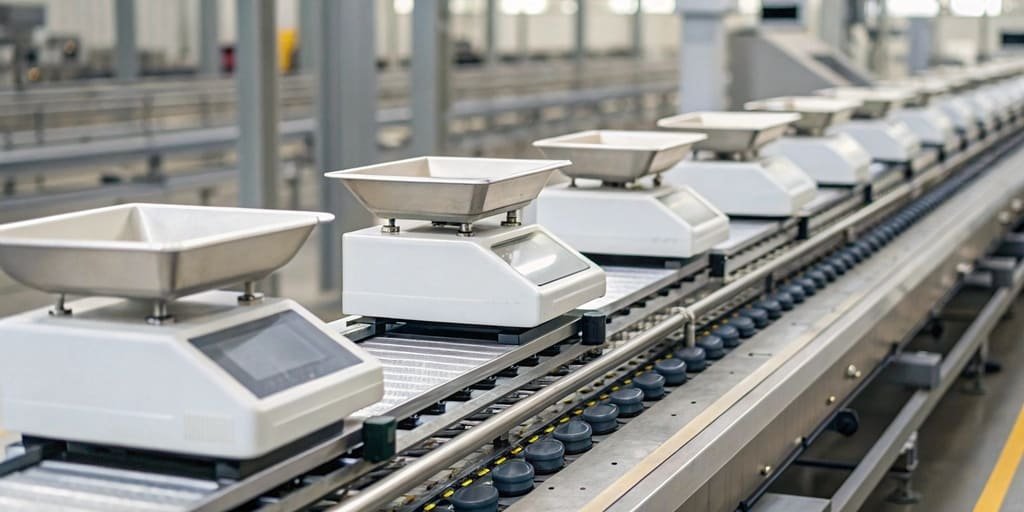
You might be thinking that buying individual scales from different vendors saves money on each unit. However, this often leads to a pile of hidden management costs. Dealing with multiple contacts, incompatible technologies1, and confusing service agreements creates headaches and wastes valuable time. A single-supplier approach avoids these issues, making your operations smoother and more efficient.
Why is it recommended to purchase full-process weighing equipment from a single supplier instead of multiple sources?
Struggling with equipment from different suppliers that don't work well together? This common issue creates unnecessary operational friction. It's a frustrating experience that many in the industry face daily.
Purchasing all your weighing equipment from one supplier ensures seamless integration and consistent quality. It simplifies your procurement process, reduces administrative work, and guarantees that every component is designed to work together perfectly. This leads to fewer operational headaches and a more reliable system overall.
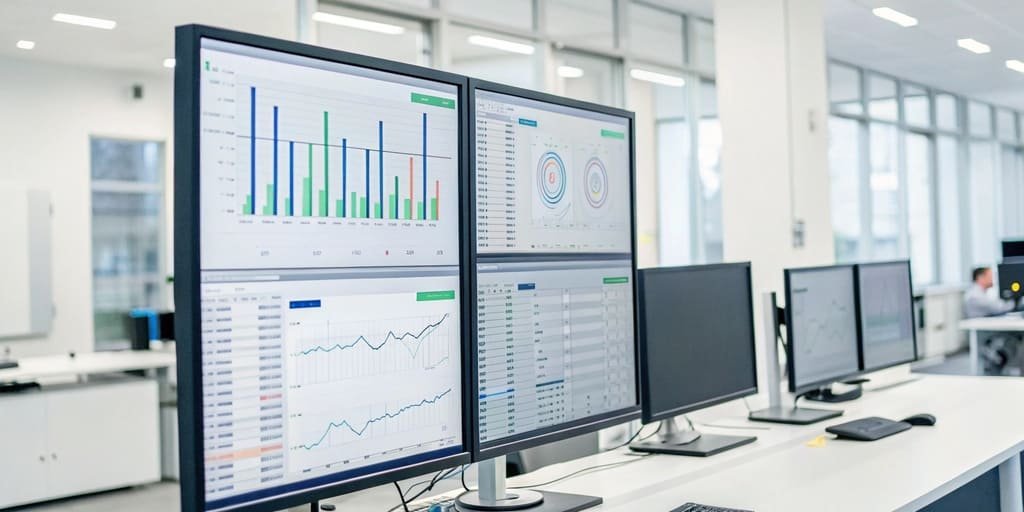
I remember a project early in my career where we tried to save a few dollars by sourcing scales from three different companies. The result was a nightmare of integration. The software was incompatible, the data formats didn't match, and when something went wrong, each supplier blamed the others. We spent more time and money on fixing those problems than we ever saved on the initial purchase. This experience taught me the true value of a unified system. A single-source partner understands your needs and delivers a solution where everything just works. This simplifies logistics, cuts down on paperwork, and lets you focus on your core business.
Simplified Communication and Management
Dealing with multiple vendors means juggling different contacts, contracts, and communication styles, which can lead to confusion and delays. A single supplier provides one point of contact, making communication clear and efficient. This streamlined approach saves time and reduces the chances of misunderstandings.
Guaranteed Compatibility and Integration
When you buy from different suppliers, you risk ending up with equipment that doesn't "talk" to each other. Incompatible data protocols and software can turn your production line into a mess. One supplier ensures all components are designed for seamless integration. This avoids the technical headaches of trying to connect mismatched systems. Modern digital weighing solutions are often built to work with existing ERP systems2, which further streamlines operations.
Clear Accountability and Support
If a problem occurs in a multi-vendor system, pinpointing the cause can be difficult, with each supplier potentially blaming another. With a single supplier, there is clear ownership and one number to call for support. This simplifies troubleshooting and ensures that any issues are resolved quickly without finger-pointing.
What are the benefits of sourcing all weighing equipment from one supplier rather than splitting purchases?
Are you concerned about the hidden costs and inefficiencies of managing multiple equipment vendors? Splitting purchases seems cost-effective upfront but often leads to long-term problems. The added complexity can disrupt your workflow and eat into your profits.
Sourcing all your weighing equipment from one supplier offers significant cost savings and operational benefits. You get better pricing through volume discounts, reduce administrative overhead, and lower shipping costs. A single-source partner also provides consistent quality and streamlined support, making your entire operation more efficient.
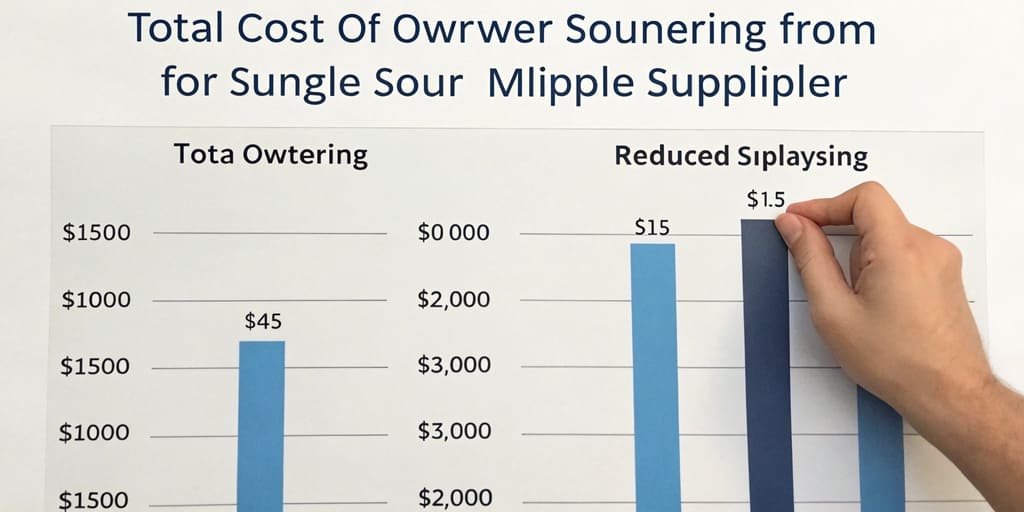
Think about the total cost of ownership, not just the initial price tag. I once worked with a client who was proud of the "deals" he found by buying scales from various online retailers. But when it was time to set everything up, nothing worked together. The software was a mess of patches and workarounds, and maintenance was a constant headache. We eventually replaced the entire setup with a unified system from one of our trusted partners. The upfront cost was higher, but the long-term savings in maintenance, training, and downtime were substantial. Choosing a single supplier isn't just about convenience; it's a strategic decision that impacts your bottom line.
Total Cost of Ownership (TCO)
While buying individual components from different suppliers might seem cheaper initially, the long-term costs tell a different story. A single-supplier approach reduces overall expenses in several ways:
- Reduced Administrative Costs: Managing one vendor relationship is simpler and requires less paperwork and staff time.
- Lower Logistics Costs: Consolidating shipments reduces freight and handling expenses3.
- Volume Discounts: Purchasing in bulk from one supplier often leads to better pricing and more favorable terms.
Consistent Quality and Reliability
When you source from a single reputable supplier, you can expect consistent product quality across all your equipment. This minimizes variations in manufacturing and ensures reliable performance. A single partner becomes deeply familiar with your needs, leading to higher-quality service and tailored solutions that you can count on.
Streamlined After-Sales Service
A single point of contact for all your after-sales needs simplifies maintenance and support. Key benefits include:
- Unified Warranty: One warranty covers the entire system, so you don't have to track multiple agreements.
- Expert Support: The supplier's technical team has a comprehensive understanding of your entire system, enabling faster and more effective problem-solving.
- Simplified Maintenance: Regular calibration and maintenance are easier to schedule and manage with a single service provider.
How does buying complete weighing solutions from a single vendor improve efficiency?
Is your team wasting time trying to make equipment from different manufacturers work together? These integration challenges create bottlenecks and reduce productivity. The constant troubleshooting and manual workarounds are a drain on your resources.
A complete weighing solution from a single vendor streamlines your operations by ensuring seamless data flow and automation. When your scales and software are designed to work together, you eliminate manual data entry, reduce human error, and speed up your processes. This integration leads to significant gains in overall efficiency.

I've seen firsthand how a disconnected system can cripple a factory's output. A few years ago, we were called in to consult for a food processing plant. They had top-of-the-line scales, but each was an island of information. Operators were writing down weights and manually inputting them into their system. This not only slowed things down but also led to frequent errors in their inventory and batch records. By implementing a fully integrated system from a single provider, we automated their data collection process. The result was a dramatic increase in throughput and accuracy, allowing them to track everything in real-time. It highlighted how much efficiency is lost when systems are not designed to be unified.
Seamless Data Integration and Automation
A unified system from one supplier ensures that all your weighing equipment communicates effortlessly. This creates a connected environment where data flows automatically from the scale to your business systems, like an ERP or MES. This level of integration allows for:
- Automated Data Collection: Eliminates the need for manual data entry, which reduces the risk of human error4 and saves labor costs.
- Real-Time Monitoring: Provides instant access to critical data, such as production output and inventory levels, enabling better decision-making.
- Improved Traceability: Creates a complete digital record for each weighing event, which is essential for quality control and regulatory compliance.
Reduced Downtime and Faster Problem Resolution
When all your equipment comes from one source, troubleshooting becomes much simpler. The supplier's support team is familiar with the entire system, so they can identify and resolve issues more quickly. This leads to:
- Less Operational Disruption: Faster problem resolution means less downtime and a more reliable production schedule.
- Proactive Maintenance: A knowledgeable supplier can offer better recommendations for preventive maintenance, helping you avoid issues before they start.
Simplified Training and Operation
Training your staff on a cohesive system is far easier than teaching them how to use a patchwork of different products. With a single vendor, you get:
- Consistent User Experience: A uniform interface across all devices makes the system more intuitive for operators to learn and use.
- Centralized Training Resources: Your team can rely on a single source for documentation and training, ensuring everyone is on the same page.
Why should you consider choosing one supplier for all your weighing system needs?
Are you worried about the risks of depending on a single company for your equipment? While diversifying suppliers seems safer, it often creates more problems than it solves. The complexity of managing multiple vendors can lead to a fragile and inefficient supply chain.
Choosing one dedicated supplier for your weighing systems builds a strong, strategic partnership that fosters innovation and reliability. A single partner gains a deep understanding of your business, allowing them to offer customized solutions and proactive support. This long-term relationship ensures a more resilient and future-proof operation.

Building a relationship with a single supplier is like having an extension of your own team. Over the years, I've developed partnerships with clients where we've gone from simply providing scales to co-developing custom weighing systems for their evolving needs. This level of collaboration is only possible when there is deep trust and mutual understanding. It allows us to anticipate their challenges and innovate together. You don't get that level of commitment when you're just another customer to a dozen different suppliers. A strategic partnership provides a competitive edge that goes far beyond the initial purchase price.
Building a Long-Term Strategic Partnership
When you commit to a single supplier, you're not just buying a product; you're building a relationship. This partnership offers several advantages:
- Deepened Collaboration: A long-term partner understands your goals and challenges, leading to more effective and innovative solutions.
- Preferential Treatment: Loyal customers often receive priority support, better pricing, and early access to new technologies.
- Future-Proofing Your Operations: A dedicated partner will work with you to ensure your system can adapt to future needs and technological advancements.
Reduced Risk and Enhanced Supply Chain Security
Contrary to common belief, relying on a single, carefully vetted supplier can actually reduce risk.
- Clear Accountability: In case of a problem, there is no ambiguity about who is responsible for fixing it.
- Supply Chain Stability: A strong relationship with a reliable supplier ensures a more consistent and predictable supply of equipment and parts.
- Mitigating Integration Risks: The biggest risk in multi-vendor systems is component incompatibility. A single-source approach completely eliminates this problem.
Access to Specialized Expertise and Customization
A supplier who knows your business inside and out is better equipped to provide solutions that fit your unique needs.
- Tailored Solutions: Your partner can help you design and implement custom weighing systems that are perfectly suited to your processes.
- Expert Recommendations: With a deep understanding of your operations, a single supplier can offer more valuable advice and proactive suggestions for improvement.
Conclusion
Choosing a single supplier for all your weighing equipment simplifies management, ensures system compatibility, and provides clear accountability. This integrated approach saves you from hidden costs and operational headaches in the long run.
-
"Interoperability of heterogeneous health information systems", https://pmc.ncbi.nlm.nih.gov/articles/PMC9875417/. Interoperability research in manufacturing can support that heterogeneous equipment and software from different sources may create integration barriers when interfaces, protocols, or data models are not aligned. Evidence role: mechanism; source type: research. Supports: Using technologies from multiple suppliers can create incompatibility and integration challenges.. Scope note: The evidence would show a common integration risk, not that all multi-vendor environments are incompatible. ↩
-
"Enterprise resource planning", https://en.wikipedia.org/wiki/Enterprise_resource_planning. Enterprise systems literature can support that ERP systems integrate data from operational functions and may interface with shop-floor or production systems to improve information flow. Evidence role: definition; source type: encyclopedia. Supports: Modern digital weighing systems may be integrated with ERP systems to streamline operations.. Scope note: This supports the role of ERP integration generally, not the capabilities of any specific weighing product. ↩
-
"Economies of Scale and Alliances in Container Shipping", https://economics.mit.edu/sites/default/files/inline-files/jmp_0.pdf. Logistics literature can support that shipment consolidation can reduce per-unit transportation and handling costs by improving load utilization and reducing the number of separate shipments. Evidence role: mechanism; source type: paper. Supports: Consolidating shipments can reduce freight and handling expenses.. Scope note: Savings depend on shipment size, distance, carrier pricing, inventory costs, and delivery-time constraints. ↩
-
"Reducing Errors from the Electronic Transcription of Data ...", https://pmc.ncbi.nlm.nih.gov/articles/PMC2409998/. Human-factors and data-quality research can support that manual data entry is error-prone and that automated data capture can reduce transcription and recording errors. Evidence role: mechanism; source type: paper. Supports: Automated data collection from weighing equipment can reduce errors associated with manual data entry.. Scope note: The evidence supports error reduction in general; actual error rates depend on system design, validation, and operator procedures. ↩


Comments (0)