

Struggling with supply chain gaps and missed sales? This isolation leads to unstable prices and lost profits. Integrating your operations with partners is the key to creating a stable, efficient business network.
The best way for slaughterhouses to achieve resource sharing is by creating a connected ecosystem through technology and strategic partnerships. This means using integrated systems that bridge the gap between suppliers and buyers, sharing data on supply, demand, and quality to ensure mutual growth and stability.
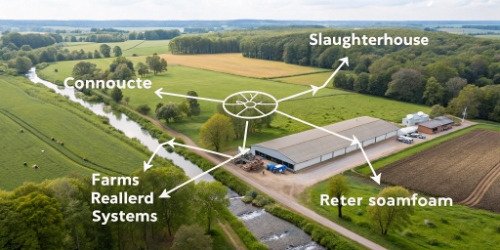
This isn't just a business theory; it's a practical strategy we've helped our clients implement for over a decade. I’ve seen firsthand how an isolated operation can transform into a connected, thriving business. Moving beyond simple transactions to build real partnerships is what separates struggling businesses from industry leaders. It requires a shift in mindset, from "what's in it for me?" to "how can we all win together?". Let's explore how you can make this happen for your business.
What Are Effective Strategies for Sharing Resources?
Trying to find reliable partners can feel pointless. Emails go unanswered and vetting new contacts is a huge drain on your time. This wastes resources and you risk working with unreliable suppliers, which can hurt your reputation and your bottom line. There are proven methods to build strong, dependable supply chain relationships.
Effective strategies involve implementing a shared data platform for transparency, forming strategic alliances with key partners, and standardizing quality metrics across the network. This approach builds a robust, collaborative ecosystem where everyone benefits from increased trust and efficiency.

The Power of a Shared Data Platform
A shared data platform is the foundation of a connected supply chain1. It acts as a single source of truth for everyone. Imagine your suppliers can see your processing schedule in real-time, so they know exactly when to deliver livestock. At the same time, you can see their available stock and quality reports. This transparency eliminates guesswork and reduces waste. We help our clients achieve this by integrating IoT-enabled equipment, like our industrial scales, directly into their management systems. This way, weight and processing data are captured automatically and shared instantly with trusted partners. This real-time information flow allows everyone to make smarter, faster decisions, moving from reactive problem-solving to proactive planning.
Building Strategic Alliances
A true alliance is much more than a simple buyer-seller relationship. It's about finding partners who share your vision for quality and growth and building a long-term relationship based on mutual trust. For years, we have acted as more than just a technology provider. We've become a bridge in the industry. For instance, we connect slaughterhouses that need a steady, high-quality supply of livestock with farms we know and trust. On the other side, we help slaughterhouses with excellent products find new sales channels by introducing them to wholesalers and retailers in our network. This is our "win-win" model in action. It's about creating value beyond the initial transaction and fostering a community of reliable partners.
| Feature | Transactional Relationships | Strategic Alliances |
|---|---|---|
| Goal | One-time sale, low price | Long-term growth, mutual value |
| Communication | Infrequent, as needed | Constant, transparent |
| Information Sharing | Minimal, need-to-know | Open, data-driven |
| Duration | Short-term | Long-term |
| Risk | Individual | Shared |
How Do You Build a Resource-Sharing Network?
You know you need a network, but building one from the ground up feels like a massive, confusing project. Without a clear plan, your efforts can become disorganized, leading to incompatible systems and frustrated partners. The entire initiative can easily fail before it even gets started. Building a powerful network is a step-by-step process, starting with the right technology and a clear framework for collaboration.
To build a resource-sharing network, first identify key potential partners. Then, establish a central technology platform to act as the network's hub. Finally, define clear rules for participation, data sharing protocols, and governance to ensure smooth and trustworthy operation for everyone involved.

Choosing the Right Technology Partner
Building a network isn't something you should do alone. You need a technology partner who understands the food processing industry inside and out. That’s where we come in. We don't just sell you software or a scale. We provide the complete weighing solution that forms the technological backbone of your network. Our IoT scales and management systems are designed to integrate seamlessly, creating a central hub for data. For over 19 years, our focus has been on providing solutions that solve real-world problems for our clients. We see ourselves as your partner in innovation, helping you leverage technology to connect with suppliers and buyers and build a more resilient business. This approach is fundamental to how we operate.
Establishing Governance and Trust
A network is only as strong as the trust between its members. That's why establishing clear governance is crucial. This means creating and agreeing upon a set of rules that everyone follows. These rules should cover everything from quality standards and delivery logistics to payment terms and data privacy. For example, all members might agree to use certified scales and follow specific cold chain protocols2 to ensure product integrity. When everyone operates by the same playbook, it eliminates misunderstandings and builds confidence. This framework of trust is what allows the network to function effectively and deliver an advantage for all participants, cementing the "win-win" principle.
| Pillar | Description |
|---|---|
| Technology | A central, integrated platform for seamless data sharing and communication. |
| Governance | Clear rules and standards for quality, logistics, and conduct. |
| Partners | Vetted, reliable members committed to the network's shared goals. |
| Shared Goals | A unified vision for mutual growth, efficiency, and long-term profitability. |
What Are the Main Benefits of This Resource Integration?
Investing in new systems and partnerships can feel risky. You might wonder what the actual, tangible return on this effort will be. But hesitation means you are stuck with the same old problems: inefficiency, price volatility, and watching more agile competitors get ahead. The benefits are not just theoretical; they translate directly into a stronger, more profitable, and sustainable business model.
The primary benefits of resource integration include significant cost reductions through optimized logistics, increased market access by tapping into partners' sales channels, and enhanced resilience against supply chain disruptions. It fundamentally improves operational efficiency and profitability for everyone involved in the network.
From Cost Center to Profit Driver
Integrating your supply chain can directly boost your bottom line. I remember one client who was constantly struggling with fluctuating livestock prices, which made financial planning a nightmare. By joining a network we helped facilitate, they connected with a group of suppliers and could plan purchases months in advance at stable prices. Our integrated weighing systems also helped them track yield from an animal down to specific cuts, drastically reducing waste. This level of data integration turns your operations from a cost center into a profit driver3. You can optimize labor, minimize product loss, and make smarter pricing decisions based on real-time data, not guesswork.
Unlocking New Business Opportunities
Resource integration is not just about saving money; it's about making more of it. A connected network opens doors to new opportunities that are impossible to find when you're operating alone4. When you are digitally connected to a variety of buyers, you can start selling different cuts of meat to different markets, maximizing the value of every animal. For example, premium cuts can go to high-end restaurants while other parts can be sold to processors for ground meat or other products. Our role at WeigherPS extends beyond a simple sale; our systems are designed to help you discover and act on these opportunities. This is the core of our "win-win" philosophy—we succeed when our technology empowers you to grow and thrive.
| Benefit Category | How It Works | Direct Impact on Your Business |
|---|---|---|
| Cost Savings | Group purchasing power, optimized logistics, less waste. | Lower cost per unit, improved margins, and higher profits. |
| Revenue Growth | Access to new buyers and markets via the network. | Increased sales volume and ability to sell higher-value products. |
| Risk Mitigation | Diverse supplier base, real-time supply chain visibility. | Less vulnerability to price shocks and supply disruptions. |
Conclusion
Sharing resources through a connected network transforms your supply chain, creating efficiency, stability, and a true win-win partnership for everyone involved in the long run.
-
"A data-sharing approach for greater supply chain visibility | Brookings", https://www.brookings.edu/articles/a-data-sharing-approach-for-greater-supply-chain-visibility/. This source discusses the importance of shared data platforms as foundational elements in modern supply chain management. Evidence role: definition; source type: education. Supports: A shared data platform is the foundation of a connected supply chain.. ↩
-
"Supply Chain Automation Equipment Maintenance (SCA-EM)", https://www.ivytech.edu/classes/skills-training-classes/manufacturing-industrial-technology-mfit/supply-chain-automation-equipment-maintenance-sca-em/. This source discusses the role of certified equipment and cold chain protocols in maintaining product integrity in supply chains. Evidence role: mechanism; source type: institution. Supports: For example, all members might agree to use certified scales and follow specific cold chain protocols to ensure product integrity.. Scope note: The focus may be limited to specific types of supply chains, such as food or pharmaceuticals. ↩
-
"Success Stories: Case Studies in Supply Chain Engagement | US EPA", https://19january2021snapshot.epa.gov/climateleadership/success-stories-case-studies-supply-chain-engagement_.html. This source provides examples of how operational integration can transform cost centers into profit drivers in supply chains. Evidence role: case_reference; source type: research. Supports: Integrating your supply chain can directly boost your bottom line. I remember one client who was constantly struggling with fluctuating livestock prices, which made financial planning a nightmare. By joining a network we helped facilitate, they connected with a group of suppliers and could plan purchases months in advance at stable prices.. Scope note: The examples may not directly apply to slaughterhouses or similar industries. ↩
-
"Why Supply Chain Management is Essential for Global Business", https://www.ucumberlands.edu/blog/how-supply-chain-management-impacts-international-business. This source explains how collaborative networks create new business opportunities by connecting suppliers and buyers. Evidence role: mechanism; source type: education. Supports: Resource integration is not just about saving money; it's about making more of it. A connected network opens doors to new opportunities that are impossible to find when you're operating alone.. Scope note: The opportunities discussed may vary depending on the industry and network size. ↩



Comments (0)