
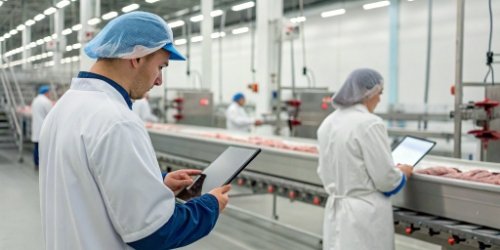
Are disconnected systems causing untraceable losses and compliance headaches? Integrated management connects your entire operation, turning data gaps into actionable insights and boosting your bottom line.
The key to integrated management is creating a single, unbroken data chain. This is done by assigning a unique identity to each animal upon entry, which then tracks it through every stage of slaughter, cutting, and sales. This provides complete traceability and real-time process control.
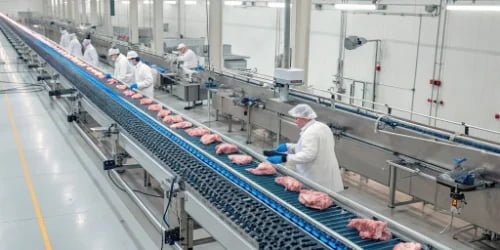
Integrating a full-scale production line, from the moment an animal arrives to the final packaged product, can feel like a massive undertaking. For years, I've seen companies operate with separate systems for slaughtering and processing. The result was always the same: data silos, guesswork, and unexplained losses that directly ate into profits1. The truth is, without a single source of truth2, you're essentially managing two different businesses under one roof. But it doesn't have to be this way. The journey to a truly integrated system is clearer than you might think, and it starts with understanding the core principles that make it work. Let's break down how you can achieve this transformation.
What Are the Best Practices for Managing Slaughtering and Processing Lines as an Integrated System?
Are you struggling with inconsistent processes between slaughter and processing departments? This friction makes it nearly impossible to accurately track yields or maintain quality, hurting your operational efficiency.
The most critical best practice is establishing a unified data system. This involves using unique identifiers for each carcass, standardizing data collection points, and ensuring real-time information flows seamlessly between the slaughter floor and the cutting room, creating a single source of truth.
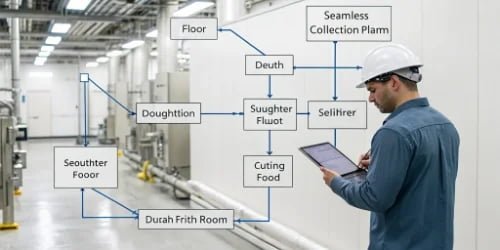
Breaking Down the Silos
For an integrated system to work, you must eliminate the informational walls between departments. In my 19 years of experience, the most successful operations treat the entire process, from slaughter to final cut, as one continuous workflow. This requires a fundamental shift in thinking, supported by a central data repository. This "single source of truth" ensures that the team on the cutting floor has the exact same information—carcass weight, grade, origin—as the team on the slaughter line. At Weigherps, our systems are designed to be this central hub. Every piece of data, from the initial weight captured by our industrial scales to the operator who performed a specific cut, is logged against a single unique ID. This removes any ambiguity and ensures every decision is based on accurate, shared data.
| Aspect | Siloed Operations (The Old Way) | Integrated System (The Best Practice) |
|---|---|---|
| Data Flow | Interrupted; manual transfer, re-entry | Continuous; real-time, automated |
| Traceability | Partial; gaps between departments | Complete; end-to-end, from entry to dispatch |
| Accountability | Diffused; hard to pinpoint issues | Clear; tied to specific stations and operators |
| Yield Tracking | Estimated; based on averages | Precise; calculated automatically in real time |
How Can Technology Improve the Integration of Slaughtering and Processing Production Lines?
Are manual tracking logs and paperwork slowing you down? This reliance on outdated methods is not just inefficient; it's a recipe for costly mistakes and major compliance risks.
Technology like IoT-enabled weighing systems and management software is the backbone of integration. It automates data capture at every critical point, from carcass weighing to final packaging, eliminating manual errors and giving you a live, accurate view of your entire production flow.
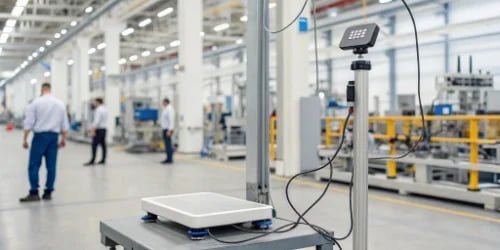
The Power of Automated Data Capture
Technology is the engine that drives a truly integrated system. Manual processes are simply too slow and prone to human error for the demands of a modern facility. As a provider to software vendors, we understand that your solutions need reliable, clean data to function effectively. That's where our hardware comes in. Our IoT weighing systems are more than just scales; they are smart data collection points. When a carcass is weighed, the data is instantly sent to the central system and linked to its unique ID. The same happens during cutting and processing. This constant flow of information provides the real-time visibility needed for effective management and seamless integration with your software. This automation not only speeds up the process but also builds a bulletproof data trail for compliance with international standards like CE.
| Technology | Role in Integration | Key Benefit for Software Vendors |
|---|---|---|
| RFID/Barcodes | Assign and read unique IDs automatically | Provides a consistent primary key for all data records. |
| IoT Scales | Capture weight data at every stage | Delivers real-time, accurate data streams via APIs. |
| Management Software | Centralize, analyze, and visualize data | Offers a platform to build value-added analytics and reporting tools. |
What Steps Are Involved in Creating an Efficient and Integrated Production Line in Slaughterhouses?
Knowing you need an integrated line is one thing, but building it feels overwhelming. Without a clear plan, implementation can descend into chaos, costing you time and money.
The process begins with mapping your current workflow to find bottlenecks. Next, you define your key data points and select the right technology. Finally, you implement the system in phases, train your staff, and continuously monitor performance for optimization.

A Phased Approach to Integration
Building an integrated production line isn't a flip of a switch; it's a strategic project. I always advise our clients to follow a methodical, step-by-step approach to ensure success. Start with a thorough audit of your current operations. Walk the floor and map every single step, from animal reception to the shipping dock. This will reveal your biggest pain points and areas for improvement. Once you have a clear map, you can identify the critical control points where data needs to be captured. This is where you decide where to place scales, scanners, and terminals. Only then should you select the technology. As an OEM/ODM manufacturer, we specialize in providing customized solutions that fit these specific needs, ensuring you don't pay for features you don't need. The final, and most crucial, parts are phased implementation and team training3. Roll out the system one section at a time to minimize disruption and ensure your team is confident with the new tools.
| Step | Key Action | Expected Outcome |
|---|---|---|
| 1. Audit & Map | Document every process and identify current data gaps/bottlenecks. | A clear blueprint of your existing workflow and its weaknesses. |
| 2. Define KPIs | Determine what you need to measure (e.g., yield, throughput, waste). | Specific goals that will guide the system's configuration. |
| 3. Tech Selection | Choose hardware and software that meet your defined KPIs. | A cost-effective, targeted technology stack. |
| 4. Implementation | Install equipment and software in logical phases. | A smooth rollout with minimal operational disruption. |
| 5. Training & Go-Live | Train all staff thoroughly on the new system and procedures. | High user adoption and accurate data from day one. |
How Can Production Management Systems Optimize Slaughtering and Processing Workflows?
Are you discovering production issues, like abnormal waste, only after they have already hurt your bottom line? This reactive management style makes it impossible to control costs effectively.
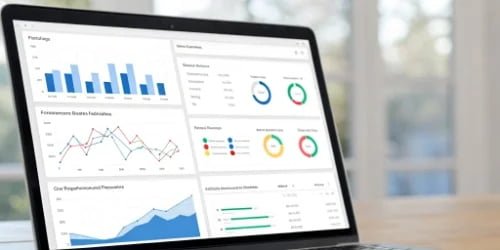
A production management system optimizes workflows by providing real-time analytics. It automatically calculates input-to-output ratios during cutting and instantly flags abnormal losses, allowing managers to investigate and solve problems as they happen, not days later.
From Reactive to Proactive Management
This is where the true power of an integrated system shines. A good production management system, fueled by accurate data from hardware like ours, transforms how you manage your facility. The core insight I've shared with clients for years is this: the system’s value is its ability to automatically connect cause and effect. For instance, our WeigherPS system facilitates this entire process. After a carcass gets its unique ID, it's tracked from whole-form storage to the cutting line. When it’s cut into fresh or frozen products, the system automatically weighs the outputs and calculates the yield rate against the initial weight. If that yield falls outside a preset tolerance—say, due to an inexperienced butcher or a machine malfunction—an alert is generated immediately. This allows a manager to address the specific person, station, or process right away, preventing small losses from compounding into a financial disaster.
| Problem Signal | System Action | Management Benefit |
|---|---|---|
| Low Yield Rate at a Station | Instant alert sent to the floor manager's dashboard. | Pinpoint and correct issues with equipment or operator training in real time. |
| High Carcass Weight Loss | The system flags abnormal moisture loss during chilling. | Adjust chilling parameters to prevent product shrinkage and revenue loss. |
| Inconsistent Cut Weights | The system identifies a pattern of deviation from the target weight. | Recalibrate cutting equipment or provide additional operator guidance. |
Conclusion
Integrated management, powered by smart technology, connects every step of your production line. This gives you the data needed for complete traceability, enhanced efficiency, and ultimately, better profits.
- "How to address disconnected systems for better business efficiency", https://www.glean.com/perspectives/disconnected-systems. This source discusses how disconnected systems in production environments can lead to inefficiencies, data silos, and financial losses. Evidence role: general_support; source type: research. Supports: Disconnected systems in production environments lead to inefficiencies and financial losses.. Scope note: The source may not specifically address slaughterhouse operations. ↩
- "Single source of truth - Wikipedia", https://en.wikipedia.org/wiki/Single_source_of_truth. This source explains the concept of a 'single source of truth' and its importance in ensuring data consistency and accuracy. Evidence role: definition; source type: education. Supports: A 'single source of truth' ensures data consistency and accuracy in integrated systems.. Scope note: The source may not focus on slaughterhouse-specific applications. ↩
- "Phased adoption", https://en.wikipedia.org/wiki/Phased_adoption. This source emphasizes the importance of phased implementation and staff training in successfully adopting new systems. Evidence role: mechanism; source type: education. Supports: Phased implementation and team training are crucial for adopting new systems successfully.. Scope note: The source may not focus on slaughterhouse-specific implementations. ↩


Comments (0)