

Managing livestock procurement manually is full of errors. These mistakes cause incorrect payments and messy records. A dedicated digital module fixes this by ensuring accuracy across the entire process.
This module is the digital starting point for a modern slaughterhouse. It manages the full process from supplier profiles and contracts to weighing livestock upon arrival and handling final payments, ensuring total accuracy and efficiency from start to finish.
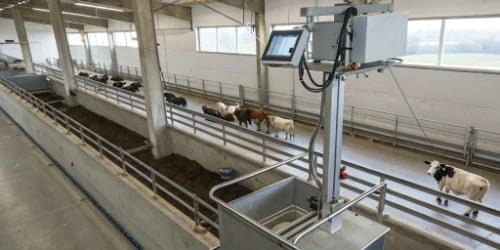
This system is much more than just a piece of software. It is the foundation of your entire operation's data integrity. As a company that has spent nearly two decades specializing in industrial weighing, I’ve seen firsthand how crucial this initial data capture is. The accuracy of the weight recorded when a truck arrives determines the accuracy of everything that follows, from cost accounting to final profits. Without a solid procurement and settlement module, you are building your business on a shaky foundation. Let's break down exactly how these modules function and why they are so important for streamlining your operations.
What Is the Purpose of the Live Pig Procurement and Settlement Module in Slaughterhouses?
Are you struggling with chaotic procurement records? This chaos creates financial risks and operational bottlenecks. A procurement module brings order, accuracy, and clear business insights to your operations.
Its main purpose is to digitize and standardize the entire procurement lifecycle. This includes managing supplier information, handling contracts, recording incoming livestock weights accurately, and processing payments within a single, transparent system.
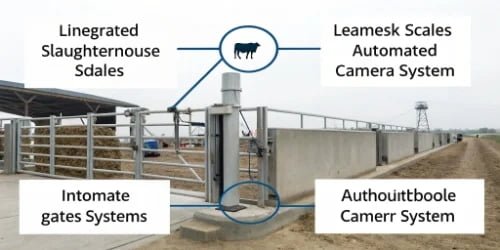
Dive Deeper into the Module's Core Goals
In my experience providing weighing solutions, I've learned that a procurement module acts as the "single source of truth" for the most critical data entering the plant. It's not just about weighing; it's about creating a reliable data trail. The information captured here directly impacts your cost accounting. If your initial weight data is wrong, your entire financial analysis will be wrong. This module is the firewall that protects the integrity of your business data from day one. It bridges the gap between the physical reality at the receiving dock and the numbers in your financial reports, ensuring they always match.
| Core Goal | How the Module Achieves It |
|---|---|
| Complete Traceability | It records every detail, from the supplier and farm of origin to the specific contract and weigh-in time for each batch of livestock.1 |
| Financial Accuracy | The system automatically calculates payments based on precise weight data from integrated scales, eliminating human calculation errors and ensuring fair payment. |
| Operational Efficiency | By digitizing the workflow from truck arrival to payment processing, it eliminates manual paperwork and reduces the time needed for each transaction. |
How Does the Live Pig Procurement Module Operate in Modern Slaughterhouse Systems?
Manual data entry during livestock receiving is slow and full of errors. These errors disrupt schedules and complicate inventory management. An automated module streamlines the entire workflow instantly.
The module operates through a step-by-step digital workflow. It starts with creating a purchase contract, then uses industrial scales to capture the weight of incoming livestock automatically. This data is instantly logged against the contract for processing.
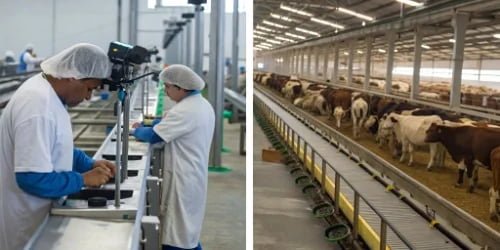
Dive Deeper into the Operational Workflow
The real magic happens when hardware and software work together seamlessly. As a manufacturer of IoT-enabled industrial scales, this is where our expertise makes a huge difference. The process isn't just about software; it's about capturing a perfect, undisputed weight measurement and instantly making it actionable. A truck rolls onto our scale, the system pulls up the supplier contract, captures the gross weight, and repeats the process after unloading to get a verified tare weight. This automated process removes any chance for manual error or dispute. The net weight is calculated by the system, not a person with a calculator, and immediately becomes the basis for settlement.
| Process Step | Action Performed by the System | Key Benefit |
|---|---|---|
| Step 1: Supplier Arrival | The system identifies the supplier and linked contract, often via an RFID tag or license plate recognition.2 | Check-in becomes faster and more organized, reducing truck queues. |
| Step 2: Gross Weigh-In | An IoT-enabled truck scale captures the total weight of the truck and livestock and sends it to the module. | The weight is recorded with perfect accuracy, free from human error. |
| Step 3: Tare Weigh-In | After unloading, the empty truck is weighed again on the same scale to determine its tare weight. | Guarantees an accurate calculation of the net weight of the livestock. |
| Step 4: Data Finalization | The system automatically calculates the net weight and logs it permanently against the contract record. | The data is instantly available for the settlement process, with no delay. |
What Are the Key Features of the Slaughterhouse Settlement Module for Livestock Procurement?
Calculating payments with complex supplier rules is a headache. Mistakes often lead to supplier disputes and financial losses. A good settlement module automates these complex calculations with complete precision.
Key features include flexible settlement methods, like payment by weight or by head, and automated report generation. It also seamlessly integrates with financial systems to ensure accounts payable are always accurate.
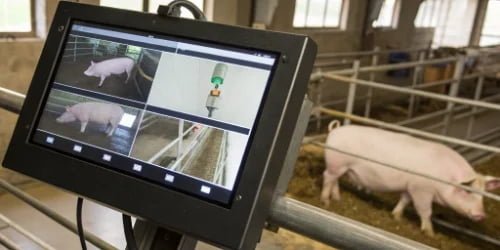
Dive Deeper into Settlement Functionality
A powerful settlement module offers flexibility because no two supplier agreements are the same. We've worked with clients who need to pay by net weight, while others pay per head. Some have complex agreements with deductions for certain grades or bonuses for others. This module handles all that complexity automatically. Based on the contract rules, it applies the correct pricing, adds any bonuses, and makes any deductions before generating a final settlement amount. Its most powerful feature, however, is the ability to connect directly to your company's financial software. This "API integration" means the settlement data flows directly to your accounting department without anyone needing to re-enter it, eliminating a major source of clerical errors and saving significant time.
| Key Feature | Description | Why It Is Important for Your Business |
|---|---|---|
| Flexible Settlement Logic | Supports various payment methods such as by weight, by head, or by grade classification. | It allows you to create custom payment agreements that fit your specific business needs and supplier relationships. |
| Automated Price Adjustments | The system can automatically apply pre-set deductions or bonuses based on quality, weight range, or other contract terms. | This ensures every payment is fair, accurate, and fully compliant with the agreed-upon contract, preventing disputes. |
| Financial System Integration | Pushes finalized settlement data directly to your financial ERP or accounting software using an API. | It drastically reduces manual work for your finance team, prevents double-entry errors, and speeds up the payment cycle. |
| Comprehensive Reporting Suite | Generates detailed reports on procurement costs, supplier performance, payment histories, and more. | This provides management with clear, real-time insights for better financial planning and supplier negotiation. |
How Can Slaughterhouses Streamline Procurement and Settlement Processes Using Dedicated Modules?
Disconnected procurement and payment steps cause major delays. This inefficiency costs your business time, money, and vendor trust. An integrated module unifies the entire process into one seamless flow.
Slaughterhouses streamline operations by using a dedicated module to create a single, unbroken digital thread from procurement to payment. This eliminates manual handoffs, reduces paperwork, and provides real-time data visibility.
Dive Deeper into Streamlining Benefits
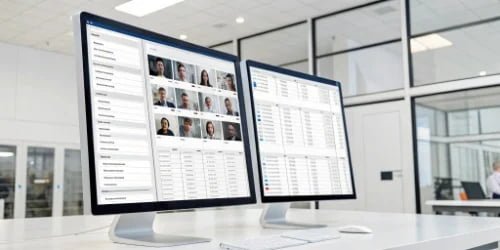
The biggest transformation I see when our clients adopt an integrated system is the death of information silos. Before, the weigh station had its own paper records, the procurement office had its spreadsheets, and the finance department had its own accounting software. Information was passed manually between them, creating delays and errors at every step. A dedicated module destroys these silos.3 It creates a single, unified workflow where data captured at the scale is the same data used for settlement and payment. This gives managers a powerful real-time view of the entire operation. You can see incoming livestock volumes, track pending payments, and analyze supplier data from a single dashboard, enabling smarter, faster decisions.
| Process Stage | Before (Manual Process) | After (With a Dedicated Module) |
|---|---|---|
| Weighing | Staff write weights on a clipboard and manually enter them into a computer later. Subject to errors. | An IoT scale sends the exact weight directly to the system in real-time. No manual entry. |
| Settlement | An employee uses a calculator and spreadsheet to determine payment based on a paper contract. | The system automatically calculates the exact payment based on the contract rules and verified weight. |
| Reporting | Reports are manually compiled at the end of the week or month, providing only historical data. | Managers can access real-time dashboards and generate on-demand reports anytime. |
| Payment | The finance team receives a paper invoice and manually re-enters all data into the accounting system. | Settlement data flows automatically into the financial system, ready for payment approval. |
Conclusion
A live pig procurement and settlement module is foundational. It digitizes the entire process to boost accuracy, efficiency, and financial control, making it essential for any modern slaughterhouse.
- "Animal Disease Traceability - usda aphis", https://www.aphis.usda.gov/livestock-poultry-disease/traceability. This source details the traceability features of digital procurement systems in livestock management. Evidence role: mechanism; source type: research. Supports: It records every detail, from the supplier and farm of origin to the specific contract and weigh-in time for each batch of livestock.. ↩
- "Beef Identification (EID / RFID)", https://www.canr.msu.edu/beef/production/beef-identification-rfid. This source explains the use of RFID and license plate recognition in automating supplier identification in livestock procurement. Evidence role: mechanism; source type: research. Supports: The system identifies the supplier and linked contract, often via an RFID tag or license plate recognition.. ↩
- "What Are Data Silos and How to Eliminate Them - SAP", https://www.sap.com/resources/what-are-data-silos. This source explains how integrated modules eliminate data silos in procurement and settlement processes. Evidence role: mechanism; source type: research. Supports: A dedicated module destroys data silos in procurement and settlement processes.. ↩



Comments (0)