
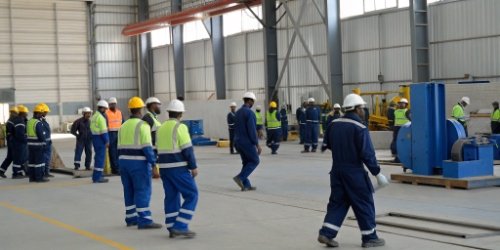
Launching a new facility is tough. Complex software training can cause major delays and high costs, killing momentum before you even begin to see a return on your investment.
Our lightweight implementation strategy got the Xuyi project team fully operational in just two weeks. This approach focuses on core system functions for a rapid, low-cost launch, perfect for new facilities with capable teams who need to start production immediately.

When we took on the Xuyi, Jiangsu project, we knew it was a brand-new slaughterhouse. The client needed to get up and running fast. A long, drawn-out training process was not an option. They needed their team to be productive from day one. This is a common challenge we see, and it's why we don't believe in a one-size-fits-all solution. We had to think differently. Let me explain the strategy we developed and how it delivered incredible results, not just for the client, but as a model for future projects.
What Training Strategies Were Used During the Initial Launch of Xuyi's Slaughter Project in Jiangsu?
New teams often feel overwhelmed by complex software. This information overload leads to confusion, mistakes, and a slow start. We avoided this with a focused, essentials-first training strategy.
We used a "lightweight implementation" strategy for the Xuyi project. This involved a targeted, two-week on-site training program that focused exclusively on the core functions needed for daily operations, ensuring the team could work confidently from the start.

Our "lightweight" approach is fundamentally different from traditional, comprehensive training. The goal is speed and immediate competency. Instead of teaching every single feature of our weighing system, we identified the absolute must-have functions for the Xuyi plant to begin operations. We worked with their management to define the critical path: from receiving live hogs to shipping out the final product. Everything outside that path could be taught later. This strategy is built on the idea that momentum is key for a new facility. By getting the team comfortable with their essential daily tasks, we build their confidence and ensure a smooth production launch. It's a pragmatic approach that prioritizes immediate results over theoretical knowledge.
Here is a simple breakdown of how this lightweight model compares to a traditional one:
| Feature | Lightweight Implementation (Xuyi) | Traditional Implementation |
|---|---|---|
| Duration | 2 weeks | 4-8 weeks |
| Focus | Core operational functions | All system features |
| Best For | New facilities, strong teams | Complex rollouts, established teams |
| Cost | Lower initial cost | Higher initial cost |
| Goal | Fast launch, immediate productivity | Comprehensive system mastery |
How Did Xuyi, Jiangsu Structure Its Employee Training for the Early Phase of the Slaughter Project?
Unstructured training creates chaos. Team members learn different things, leading to inconsistent work and operational errors. We provided a clear, phased structure to ensure everyone was on the same page.
We structured the training around the plant's workflow. We started with system basics, then split into groups for hands-on training for purchasing, production, warehousing, and sales. The final phase integrated these functions and focused on generating reports.
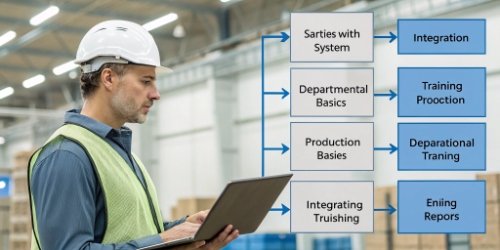
We designed a clear, three-phase plan for our two weeks on-site. This structure was essential to making the "lightweight" approach work effectively. It wasn't about rushing; it was about being incredibly efficient.
First, we started with a Foundation Phase. For the first few days, we brought everyone together. We showed them how to log in, navigate the system, and understand the basic user interface. This created a common ground for all employees, regardless of their department.
Next, we moved to the Departmental Deep Dive Phase. This was the core of the training. We broke the employees into their specific teams. The purchasing team practiced creating settlement reports for hog procurement. The production team focused on tracking slaughtering and processing data. The sales team learned how to manage orders and shipments. This hands-on practice on their actual daily tasks made the training immediately relevant.
Finally, we entered the Integration and Reporting Phase. In the last few days, we brought the teams back together. We ran end-to-end simulations, from a hog arriving at the gate to a sales report being generated. This helped everyone see how their individual work connected to the bigger picture.
What Are Key Insights from the Early-Stage Training Plan for Xuyi’s Slaughter Operations?
Applying a generic training plan to a specific project wastes time. It forces teams to learn irrelevant features and slows down progress. We learned that tailoring the training is critical.
The main insight is that for new operations with sharp teams, a rapid training on core functions is better than a long, comprehensive one. This approach cuts costs, speeds up the launch, and builds immediate operational momentum.

The Xuyi project taught us several valuable lessons that we now apply to other clients. The first insight is that speed is a feature. For a software vendor or a manufacturer, getting a client operational quickly is a massive competitive advantage. It directly impacts their bottom line and builds incredible trust. The "lightweight" model proves that a fast launch isn't about cutting corners; it's about smart prioritization.
The second insight is the power of defining a Minimum Viable Product (MVP) for training. Not all software features are needed on day one. By working with the client to identify the absolute essentials, we filter out the noise. The training focuses only on what's needed to go live. This includes (hog purchasing and settlement), (slaughtering production), (warehousing), and (sales and shipping).
The final insight is that client capability is a key factor. This rapid approach works best for clients like the team at Xuyi, who were new but eager and able to learn quickly. Assessing the team's skill level beforehand is crucial to recommending the right training plan.
| Ideal Client Profile for Lightweight Training |
|---|
| New production facility or production line |
| Management team is decisive and goal-oriented |
| Employee team has strong learning abilities |
| The primary goal is a fast launch and market entry |
How Can Businesses Develop Effective Training Programs for New Slaughter Projects Like Xuyi’s?
Creating a new training program from scratch is risky. You can waste time and money on a plan that doesn't work. We offer a proven framework to avoid these pitfalls.
First, assess your team's skills and the project's urgency. Then, define the core functions needed for day one. Based on that, choose a training model and structure it in phases, starting with the basics and building from there.

You can use our experience from the Xuyi project to build your own effective training program. It comes down to a few simple, logical steps that any software vendor or manager can follow.
First, Assess Your Situation. Is this a brand-new facility like Xuyi? Or are you upgrading an existing one? Is your team experienced with this type of technology or completely new to it? Your answers will determine the speed and depth of training required.
Second, Define Your Core Functions. What are the absolute essential tasks the team must be able to perform to start operations? List them out. This is your training MVP. Don't get distracted by advanced features. Focus on the critical path from start to finish.
Third, Choose Your Training Model. Based on your assessment, decide if a "lightweight" or a comprehensive model is better. A lightweight model is great for speed and cost-control with a skilled team. A comprehensive model is safer for complex environments or less experienced teams.
Finally, Structure the Training and Plan for the Future. Organize the program in logical phases. Start with basics, move to specific job functions, and end with integrated workflows. Also, schedule follow-up training for advanced features a few months down the line. This ensures long-term success without overwhelming the team at the start.
Conclusion
Our lightweight implementation for the Xuyi project shows that a tailored, fast-track training plan delivers impressive results. It proves that putting efficiency and real client needs first always wins.



Comments (0)