

Outdated weighing systems are causing inaccuracies and slowing down your clients' operations. This leads to profit loss and compliance issues, which directly impacts the value of your software solution.
The biggest trends in smart weighing for slaughterhouses are improved sensor accuracy for dynamic weighing, enhanced edge computing for faster local processing, and deep integration with AI for automation. These advancements make weighing systems more reliable, faster, and smarter, providing better data for your software.

These trends are not just minor upgrades. They represent a fundamental shift in how weighing equipment functions within a modern meat processing facility. When I talk to fellow technical directors, their main concern is how to leverage these changes without getting bogged down by integration complexities. The key is to see these technologies as enablers for more powerful software applications. Let's dig deeper into what these trends mean for you and how you can harness them.
How Is Technology Shaping the Future of Intelligent Weighing Systems in Slaughterhouses?
Integrating new technology with your software can feel complex and overwhelming. Falling behind the curve means losing a competitive advantage, making your solutions seem less efficient to potential clients.
Technology is making weighing systems more autonomous and data-rich. Advanced sensors improve dynamic accuracy, edge computing allows for real-time decisions without cloud lag, and AI automates complex tasks. This provides a stable, intelligent hardware foundation for your software to run on, enhancing its overall value.
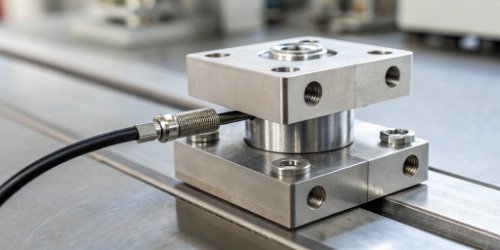
In my 19 years of manufacturing, I've seen the focus shift from simple data collection to intelligent data processing right at the source. This is a game-changer for software providers. Previously, a scale would just send a raw weight number to a server. Now, with edge computing, our scales can perform calculations, filter out noise from vibrations, and make decisions locally. This means your software gets clean, processed data instantly, reducing network dependency and improving response times. For applications like live animal weighing or fast-moving conveyor lines, this speed is not a luxury; it's a necessity. We design our systems with open APIs to ensure this rich data flows seamlessly into your platforms1, allowing you to build more responsive and powerful features for your customers.
| Feature | Traditional Weighing System | Modern Intelligent System |
|---|---|---|
| Data Processing | Centralized (on a server) | On the device (Edge Computing) |
| Response Time | Slower, dependent on network | Instant, processed locally |
| Data Quality | Raw, requires filtering | Clean, pre-processed data |
| Functionality | Basic weight measurement | Automation, prediction, analysis |
What Are the Key Innovations Driving Smart Weighing Equipment in Meat Processing?
General-purpose weighing equipment often fails under the harsh, demanding conditions of a meat processing plant. This can lead to frequent breakdowns, inaccurate data, and major hygiene compliance headaches.
The key innovations are high-precision dynamic sensors for moving carcasses, AI-powered vision systems for automatic counting, and advanced software integration for real-time traceability. These features directly address the industry's need for speed, accuracy, and robust data management, which your software can leverage.
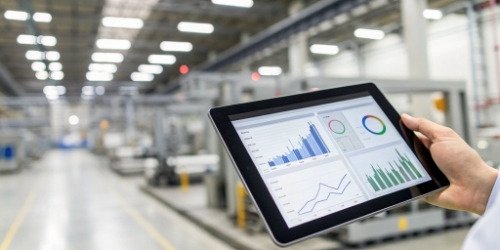
The most exciting innovation I'm working on right now is the deep integration of AI. It goes far beyond just weighing. For example, we are integrating AI-powered vision systems with our scales. Imagine a camera mounted above a rail system. It uses computer vision to identify and count each carcass that passes over the scale. This count is instantly cross-referenced with the weight data from our high-precision dynamic sensors, which are designed to get a stable reading even while the carcass is moving. The entire process is automated, eliminating manual counting errors.
AI for Auto-Calibration
Another area is using AI algorithms for self-correction2. The system learns the typical vibrations on the production floor and automatically calibrates the scale to filter out that noise, ensuring consistent accuracy.
A Data Hub for Your Software
This turns the scale from a simple measurement tool into an intelligent data hub. For you as a software provider, this is a goldmine. Our hardware provides the clean, reliable, and rich data stream your system needs to perform complex tasks like yield calculation, batch tracking, and full traceability from entry to dispatch.
How Can You Analyze These Trends for Your Business?
It's hard to know which new weighing technology truly adds value. Choosing the wrong hardware partner can lead to costly integration failures and damage your reputation with your clients.
Analyze trends by focusing on three areas: hardware reliability (sensor quality, dynamic stability), software compatibility (API availability, data security), and long-term value (AI potential, support). Prioritize vendors who demonstrate a clear path for seamless integration with your software platforms.

When I speak with technical directors, I suggest they use a simple framework to evaluate potential hardware. Don't just look at the price tag; look at the total value and ease of integration. As an OEM/ODM manufacturer, my entire business is built on being a reliable partner. We focus on building hardware that works seamlessly with your software. We invest heavily in R&D to stay ahead of these trends, ensuring our equipment is not just a component, but a cornerstone of the advanced solutions you provide. We build our products with open APIs and offer comprehensive technical support because we know that our success is directly tied to the success of your software integration.
Here is a simple table you can use when talking to vendors:
| Trend | Key Question for the Vendor | Benefit for Your Software |
|---|---|---|
| Sensor Accuracy | What is the dynamic weighing stability and accuracy under production conditions? | Cleaner, more reliable data foundation. |
| Edge Computing | Does it process data locally? What are the response times? | Faster performance, less network dependency. |
| AI Integration | What AI features are available? (e.g., vision, self-calibration) | Enables advanced automated features. |
| Data & API | Is the API well-documented and open? What are the data security protocols? | Faster and more secure integration. |
Conclusion
Smart weighing technology is advancing with better sensors, edge computing, and AI. As your manufacturing partner, we are committed to helping you leverage these trends for your clients' ultimate success.
-
"How Can You Design Slaughterhouse Weighing Receipts for Easy ...", https://weigherps.com/how-can-you-design-slaughterhouse-weighing-receipts-for-easy-traceability/. This source explains how open APIs facilitate seamless data integration in industrial systems. Evidence role: mechanism; source type: research. Supports: Open APIs are facilitating seamless data integration in smart weighing systems.. Scope note: The source may not specifically address slaughterhouse weighing systems. ↩
-
"When AI builds itself - Anthropic", https://www.anthropic.com/institute/recursive-self-improvement. This source explains how AI algorithms enable self-correction in industrial systems, improving accuracy. Evidence role: mechanism; source type: research. Supports: AI algorithms are enabling self-correction in smart weighing systems.. Scope note: The source may not address self-correction in slaughterhouse weighing systems specifically. ↩

Comments (0)