
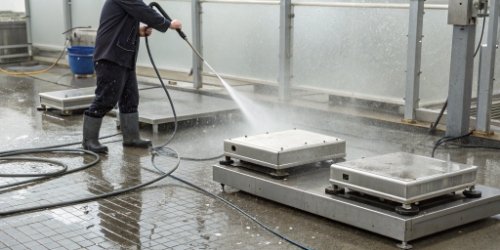
Your washdown process is essential for hygiene, but it's ruining your scales. This leads to inaccurate weights, product loss, and potential compliance issues. It feels like a losing battle.
To maintain weighing accuracy in a high-pressure washdown environment, you must use equipment specifically designed for it. This means choosing scales with an IP68 or IP69K rating, constructed from stainless steel, and using hermetically sealed load cells. Regular calibration and proper cleaning techniques are also essential.

For over 19 years, I've helped businesses that rely on precise measurements in the toughest conditions. Many of them operate in environments like meat processing plants, where hygiene is not just a goal, but a legal requirement. The ability to wash down equipment thoroughly without compromising its function is critical. In these settings, an unsuitable scale quickly becomes a breeding ground for bacteria or a target for pests, creating serious food safety risks1. This challenge is not just about technology; it's about protecting your customers and your brand. That's why I want to share the effective strategies we've developed to ensure our clients' scales remain accurate and reliable, no matter how intense the cleaning regimen. I want to help you achieve the same level of confidence in your weighing process.
What Techniques Ensure Accurate Weighing in Washdown Environments?
You follow cleaning rules, but your scales give fluctuating readings afterward. This inconsistency undermines your quality control efforts and directly impacts your bottom line through waste and rework.
The best techniques involve both equipment choice and operational procedures. Use scales with high IP ratings like IP69K, employ built-in stabilization features, ensure proper drainage around the scale, and always let the equipment acclimate to the room temperature before starting any weighing tasks.
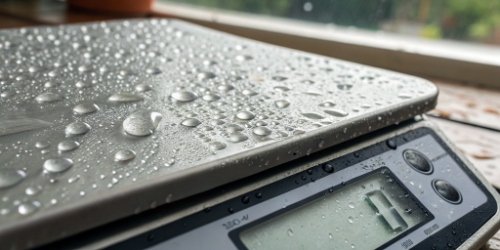
To truly ensure accuracy, we need to dive deeper into these techniques. It starts with selecting the right tool for the job. You wouldn't use a regular office calculator in a steam room, so why use a standard scale in a washdown area?
Equipment Selection is Key
The first line of defense is the scale's Ingress Protection (IP) rating. An IP67 rating2 means the device is protected against temporary water immersion. An IP68 rating means it can handle continuous immersion. For high-pressure, high-temperature washdowns, you need an IP69K rating. This is the highest standard, ensuring protection against powerful water jets. We construct our IP69K scales with 304 or 316 stainless steel3l](https://www.britannica.com/technology/duplex-stainless-steel)[^4], which resists corrosion from water and harsh cleaning agents.
Operational Best Practices
Even with the right scale, how you use it matters. After washing, temperature changes can cause internal components to expand or contract, affecting accuracy. Always allow the scale time to stabilize and acclimate to the ambient temperature. Also, ensure the scale is perfectly level and that no water is pooling on or under the platform, as this can add weight and cause false readings.
| Technique | Description | Why It Works |
|---|---|---|
| IP69K Rated Scales | Units are fully sealed against high-pressure, high-temperature water jets. | This prevents water from ever reaching the sensitive electronic components and load cell. |
| Proper Drainage | Ensure water can flow away and not collect on or under the scale. | This prevents false readings from the weight of pooled water and reduces long-term moisture exposure. |
| Acclimatization | Let the scale sit for a period after cleaning before use. | This minimizes errors caused by thermal expansion or contraction of mechanical and electronic parts. |
How Can You Prevent Weighing Errors in High-Pressure Washdown Conditions?
Necessary daily washdowns seem to cause constant weighing errors. These errors risk production accuracy, leading to costly compliance failures and unhappy customers. There has to be a better way.
You can prevent these errors by using scales with hermetically sealed load cells and durable stainless steel construction. It is also crucial to avoid spraying high-pressure jets directly at sensitive areas like displays, cable entries, or seals. A consistent cleaning protocol is key.
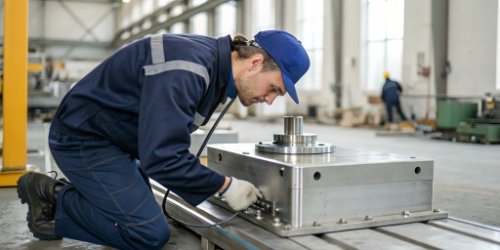
Prevention is always more effective than correction. In my 19 years of manufacturing industrial scales, I’ve seen that small preventative steps make a huge difference. A lot of our clients in the food industry, especially in meat and poultry processing, face this exact issue. If their scales cannot be thoroughly cleaned, they become a huge liability for food safety, inviting bacteria and pests. This is why preventing errors starts with the core design of the scale and how a team interacts with it. A robust scale combined with smart cleaning habits creates a system that is both hygienic and consistently accurate. Let's break down the most critical preventative measures you can implement right away.
The Role of Load Cell Protection
The load cell is the heart of your scale. A basic "environmentally sealed" load cell might have a potting compound that can degrade over time. A hermetically sealed load cell is different. It is welded completely shut, creating a true impervious barrier against moisture and pressure. This single feature is one of the most effective ways to prevent drift and failure in washdown environments.
Implement Smart Cleaning Protocols
Your cleaning crew needs to understand that even an IP69K scale has its limits if used improperly. Training them to avoid spraying a 1200 PSI jet directly at the seal between the display and the body is crucial. Instead, they should spray at an angle. Following a clear Standard Operating Procedure (SOP)4 for cleaning protects the equipment and ensures a longer, more accurate life.
| Prevention Step | Focus Area | Impact on Accuracy |
|---|---|---|
| Use Hermetically Sealed Load Cells | Internal Weighing Components | Creates a permanent, impermeable barrier against moisture and pressure, preventing electronic drift. |
| Train Staff on Angled Spraying | Gaskets, Seals, and Cable Entries | Reduces the direct force of water on the most vulnerable points, significantly lowering the risk of water ingress. |
| Perform a Post-Wash Inspection | Entire Scale Unit | Allows your team to spot trapped moisture or initial signs of seal damage before they cause measurement errors. |
What Are Best practices for Maintaining Weighing Precision in Wet Environments?
Your scale is precise when it's dry but seems to lose its accuracy in wet conditions. This drift makes your entire production process unreliable and hard to manage.
Best practices include adhering to a strict and regular calibration schedule, performing daily visual inspections for damage, and training all staff on proper use and cleaning. Using scales with built-in diagnostic features also helps maintain long-term precision by flagging potential issues early.

Maintaining precision is an ongoing process, not a one-time setup. It's a discipline built on routine checks and an understanding of how the environment affects your equipment. Over the years, I've always told my clients that a scale is only as reliable as the maintenance plan5 supporting it. A five-minute daily check can genuinely save thousands of dollars in rejected batches or unnecessary downtime. It's about creating a culture of care around your critical equipment. This proactive approach ensures that your measurements are trustworthy day in and day out, building a foundation of quality for your entire operation.
The Calibration Crux
Calibration verifies that your scale is accurate. It's not a "set it and forget it" task. In harsh, wet environments, you should check your scale’s accuracy more frequently. For many of our clients in high-throughput food production, a quick check with a known, certified weight is part of their daily startup procedure. This simple step confirms the scale is reading correctly before any valuable product is weighed.
The Human Element: Training and SOPs
Even the most robust scale can be damaged by improper use. Your team is your first line of defense. We provide clear Standard Operating Procedures (SOPs) for cleaning and operation. Training staff on what to look for, such as frayed cables, damaged feet, condensation inside the display, or signs of corrosion, empowers them to spot problems early.
| Maintenance Frequency | Task to Perform | Purpose of the Task |
|---|---|---|
| Daily | Check that the scale is level and zero it out. | This ensures every measurement starts from a true, stable zero point, preventing cumulative errors. |
| Weekly | Test accuracy with a known, calibrated weight6. | This is a quick way to verify the scale's performance and detect any drift or inaccuracy early. |
| Monthly | Visually inspect all seals, cables, and feet. | This preventative check helps you find potential points of failure, like a cracked seal, before water gets in. |
| Annually | Schedule a professional recalibration service. | This officially certifies the scale's accuracy, which is often required for quality audits and compliance. |
How Do You Protect Weighing Equipment from High-Pressure Washdown Effects?
Your expensive weighing equipment is failing too often. The constant exposure to high-pressure washdowns is causing costly replacements and frustrating periods of downtime.
To truly protect your equipment, choose scales with a certified IP69K rating and full stainless steel construction. Additionally, you can use protective shrouds for displays, run cables through sealed conduits, and ensure the scale is properly grounded to prevent electrical damage from moisture.
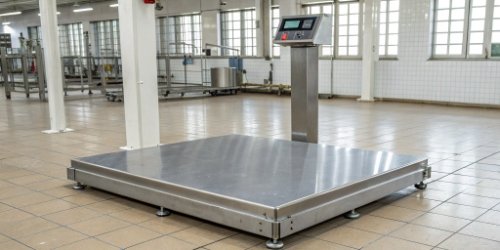
Physical protection involves looking beyond the scale itself and considering the entire installation. I once visited a client's poultry processing plant where they were replacing scales every few months. They had purchased IP68-rated scales, which should have been adequate. However, the problem wasn't the scale body; it was the exposed cable connection at the floor junction box. During washdown, water would hit the connector, seep into the cable, and travel down into the electronics. We solved this by re-routing the cable through a sealed, liquid-tight conduit. This simple installation fix protected the weak link and saved their entire weighing line from future failures. It’s a perfect example of how a holistic approach is necessary.
Beyond the IP Rating: Material and Design
Material choice is critical. While 304 stainless steel is good, 316 stainless steel offers superior corrosion resistance. This is especially important if your cleaning process uses harsh chemicals or if you're weighing salted products. The physical design of the scale also matters. We design our washdown scales with smooth surfaces and rounded corners. This eliminates crevices where water and bacteria can get trapped, making cleaning faster and more effective.
Protective Accessories and Installation
Think of your scale as part of a system. A vulnerable cable or indicator can compromise the entire setup. Protective shrouds can be placed over indicator displays to shield them from direct spray. Running all wiring through sealed, stainless steel conduits protects the cables, which are often the first point of failure. These accessories add another layer of defense, extending the life of your investment significantly.
| Protection Feature | Main Benefit | Best Suited For |
|---|---|---|
| IP69K Certification | Provides the highest level of proven protection against high-pressure, high-temperature water jets. | Food processing, pharmaceutical, and chemical industries where sanitation is critical. |
| 316 Stainless Steel Body | Offers superior resistance to corrosion from salt, chlorides, and harsh cleaning agents. | Meat, poultry, and seafood processing, or any environment with corrosive materials. |
| Sealed Cable Conduits | Protect the entire length of the cable from physical damage and water ingress. | Any installation where cables are exposed or run across the floor. |
Conclusion
Maintaining weighing accuracy requires more than just a waterproof scale. It demands the right equipment, smart techniques, and consistent maintenance to ensure compliance, protect profits, and guarantee safety.
-
Learn about the potential hazards and how to mitigate them through proper weighing practices. ↩
-
Gain insights into the protection levels of IP ratings and their relevance to your equipment. ↩
-
Understand why 316 stainless steel is preferred for its superior corrosion resistance. ↩
-
Learn how SOPs can standardize cleaning practices and protect your equipment. ↩
-
Learn how a comprehensive maintenance plan can prevent costly downtime and ensure accuracy. ↩
-
Find out how to effectively test your scales for accuracy using calibrated weights. ↩

Comments (0)