

Suffering from high complaint rates and shipping disputes? These issues often stem from a mismatch between the package weight and system data, hurting your profits and reputation.
The most direct solution is to integrate a roller checkweigher with your shipping system. This technology verifies if a package's weight is correct and can automatically sort parcels. By tackling weight discrepancies at the source, you can significantly reduce shipping disputes and customer complaints.
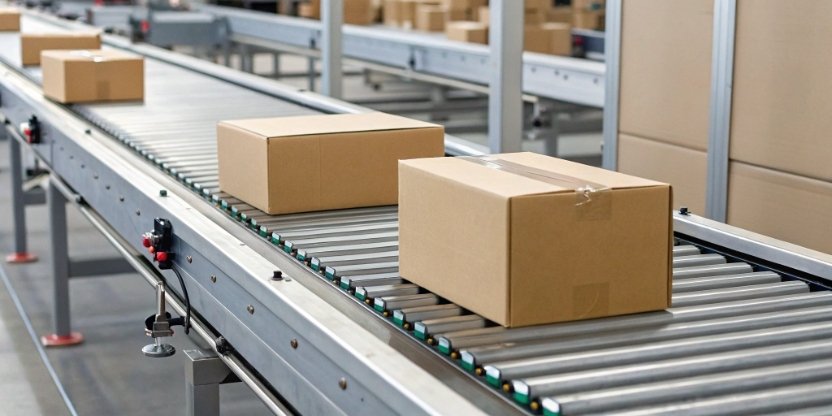
As a manufacturer of industrial scales for 19 years, I've seen countless businesses struggle with shipping. The problems always seem small at first—a slight weight difference here, a customer complaint there. But they add up, creating major headaches. You are not alone in this. The good news is that with the right approach and technology, these problems are entirely preventable. Let's explore how you can stop these issues before they start and protect your business.
How Can E-commerce Businesses Ensure Package Weight Accuracy to Reduce Complaints?
Inaccurate weights lead to angry customers and costly chargebacks. This constant fire-fighting drains resources and damages your brand's reputation, making growth feel impossible.
To guarantee accuracy, you must eliminate manual errors. The best way is to implement automated solutions like dynamic checkweighers. [6, 13] These systems weigh every package and check it against your order data automatically before it leaves your facility, stopping mistakes in their tracks.
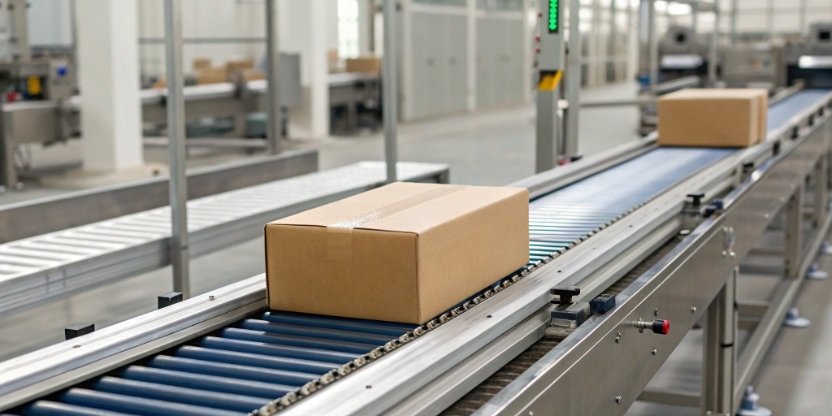
From my experience at Weigherps, the root causes of weight inaccuracies are almost always the same. [1] They boil down to a few key areas: human error during manual entry, scales that haven't been calibrated, and system lags that fail to sync data in time. [1] While regular calibration and clear operating procedures are foundational, true accuracy in a high-volume environment comes from automation. [2, 7]
This is where automated checkweighers change the game. Instead of relying on a person to weigh a package and type in the number—a process filled with potential for mistakes—a dynamic checkweigher does it automatically while the package is in motion. This "weigh-in-motion" technology integrates directly with your software. It ensures the weight captured is the exact weight recorded, leaving no room for discrepancies.
Let's compare the two methods:
| Feature | Manual Weighing | Automated Checkweighing |
|---|---|---|
| Speed | Slow, prone to bottlenecks | Fast, continuous flow |
| Accuracy | Dependent on operator and scale calibration | Highly accurate, machine precision [10] |
| Data Entry | Manual, high risk of typos [1] | Automatic, syncs directly with system |
| Error Prevention | Reactive, relies on quality checks | Proactive, flags errors in real-time |
By moving to an automated system, you're not just buying a scale; you're investing in a more reliable and efficient shipping process that prevents complaints before they can even happen. [21]
What Are Effective Solutions for Resolving Weight Discrepancies in E-commerce Shipping?
Weight discrepancies create a cascade of problems. They lead to unexpected shipping fees from carriers and create logistical nightmares that end in customer dissatisfaction.
The most effective solution connects dynamic checkweighers directly with your Warehouse Management System (WMS). [18] This integration automates weight verification, automatically rejects packages that don't meet standards, and guarantees your data is accurate from the very beginning.
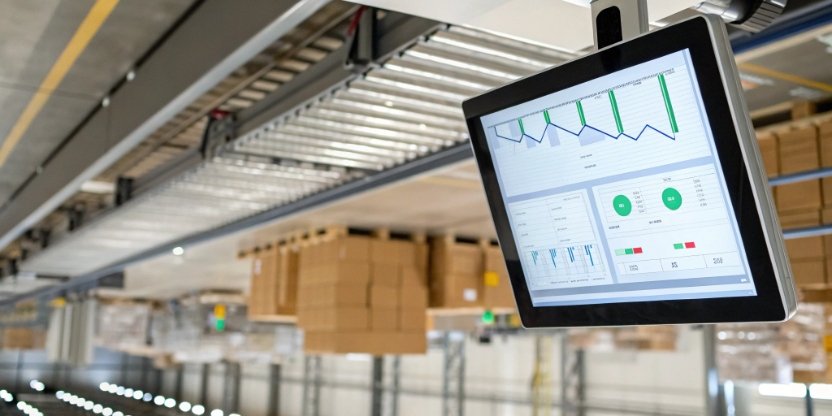
In my 19 years of building weighing solutions, I've learned that a scale alone is not enough. The real power comes from making the hardware talk to the software. As a software vendor, you understand this better than anyone. Your clients need a seamless flow of information.
The Role of System Integration
The magic happens when a checkweigher is integrated with a Warehouse Management System (WMS) or Enterprise Resource Planning (ERP) system. [18] When a package moves over the checkweigher, its weight is instantly captured and sent to the WMS. The software then compares this real-world weight to the expected weight in the order data. If they don't match, the system can automatically flag the package for inspection. This real-time data sync is the key to preventing discrepancies caused by using the wrong packaging or missing items. It creates a closed-loop system where errors are caught and corrected on the spot. [13]
The Importance of Automatic Sorting
Based on our insight, an effective solution goes beyond just weighing. After verifying the weight, the system can automatically sort packages. Using data from the WMS, the checkweigher's control system can divert packages to different lanes based on the courier, destination region, or shipping service. A package headed for Europe via DHL goes to lane one; a domestic shipment with a local carrier goes to lane two. This automates another manual step, further reducing errors and speeding up the entire dispatch process. It transforms the shipping dock from a chaotic area into a streamlined, efficient operation.
How Do You Minimize Customer Complaints Related to Incorrect Package Weights in Logistics?
Customer complaints about shipping weight can destroy trust. Negative reviews spread quickly, and dealing with disputes is a constant drain on your team's time and energy.
To minimize complaints, you must stop weight errors at the source. Use an automated checkweigher to flag any package with a weight that doesn't match the order data. [19, 25] By rerouting these packages for review, you ensure 100% accuracy before they ever reach the customer.

Over the years, I've worked closely with many software vendors. One of them had a major client in the e-commerce fashion space who was drowning in complaints. Customers claimed they were being overcharged for shipping or that items were missing from their orders. The manual weighing process was unreliable, and there was no hard proof to counter the claims.
Creating a "Single Source of Truth"
We helped them integrate one of our dynamic checkweighing systems into their client's fulfillment line. The checkweigher was linked to a printer and their WMS. For every package, it weighed it, confirmed the weight against the order, and printed a label with a timestamped weight record. [16] This created a "single source of truth." When a customer dispute arose, the e-commerce company could pull up a clear, undeniable record of the package's weight at the time of shipment. [4] This solved disputes instantly and protected them from fraudulent claims.
The Impact on Customer Trust
The result? The complaint rate dropped by over 90% within three months. But the biggest win was the change in customer trust. When buyers consistently receive orders that are accurately packed and correctly charged, it builds powerful brand loyalty. Fewer complaints translated directly to better online reviews and a stronger reputation. This proactive approach turned a major pain point into a competitive advantage. It proves that preventing a problem is always better, and cheaper, than fixing it. [27]
What Technologies Can Prevent Weight Mismatches Between Packages and System Data in Delivery Processes?
Mismatched data between physical packages and your system is a recipe for disaster. It results in incorrect shipping charges, delivery delays, and operational chaos.
The core technologies to solve this are dynamic roller checkweighers and dimensioners, especially when integrated with a Warehouse Management System (WMS). [10, 15] These devices automatically weigh and measure packages in motion, compare the data with system records, and can even sort them, preventing mismatches from ever happening.
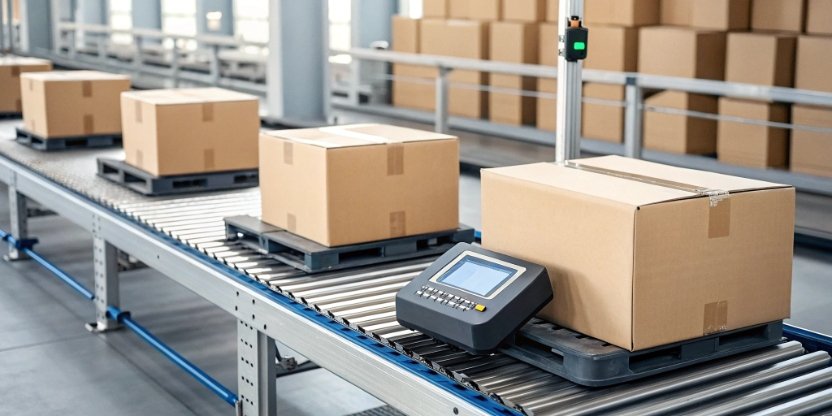
As a company that builds solutions for the modern industrial world, we know that today's technology needs to be smart and connected. For software vendors like you, the hardware you recommend to your clients must fit into their digital ecosystem. This is where the latest advancements in weighing technology really shine.
IoT-Enabled Weighing
Modern checkweighers are no longer isolated machines; they are intelligent Internet of Things (IoT) devices. [14] This means they can be connected to the internet, allowing for remote monitoring, real-time analytics, and seamless integration with cloud-based software platforms. Your clients can monitor the performance of their entire shipping line from a single dashboard, identify bottlenecks, and get alerts for any deviations. This level of visibility and control is exactly what data-driven businesses need to optimize their operations.
Customization and API Integration
We design our systems at Weigherps with flexibility in mind. We understand that your software is the brain of the operation. That's why our weighing systems come with robust and well-documented APIs (Application Programming Interfaces). This allows your development team to easily integrate our hardware into your existing platforms. You can pull weight data, trigger sorting actions, and create custom workflows tailored to your clients' specific needs. Whether it's for a smart warehouse or an automated fulfillment center, our CE-certified products1 provide the reliable data your software needs to perform at its best. [26]
Conclusion
Integrating automated roller checkweighers with your shipping system is the most direct way to fix weight errors, cut down on complaints, and make your entire e-commerce shipping process much smoother.
-
"CE marking – obtaining the certificate, EU requirements", https://europa.eu/youreurope/business/product-rules-compliance/general-product-compliance/ce-marking/index_en.htm. CE certification indicates compliance with European safety, health, and environmental protection standards for products. Evidence role: definition; source type: government. Supports: CE-certified products provide reliable data for software platforms in logistics.. Scope note: The certification applies primarily to products sold in the European Economic Area. ↩



Comments (0)