
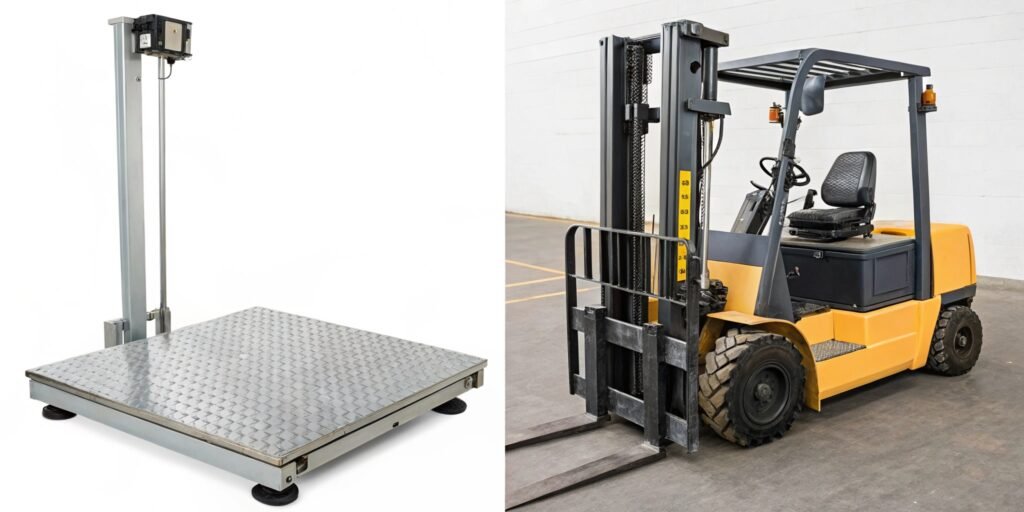
Tired of wasting time moving goods to a fixed scale? This inefficient process creates bottlenecks, slows down your operations, and ultimately costs you money. There is a much better way.
Yes, you still need one. A forklift scale integrates weighing and handling, eliminating the need to move goods to a stationary platform scale. This is especially useful in large warehouses or busy shipping areas, offering greater flexibility and efficiency than a traditional platform scale.
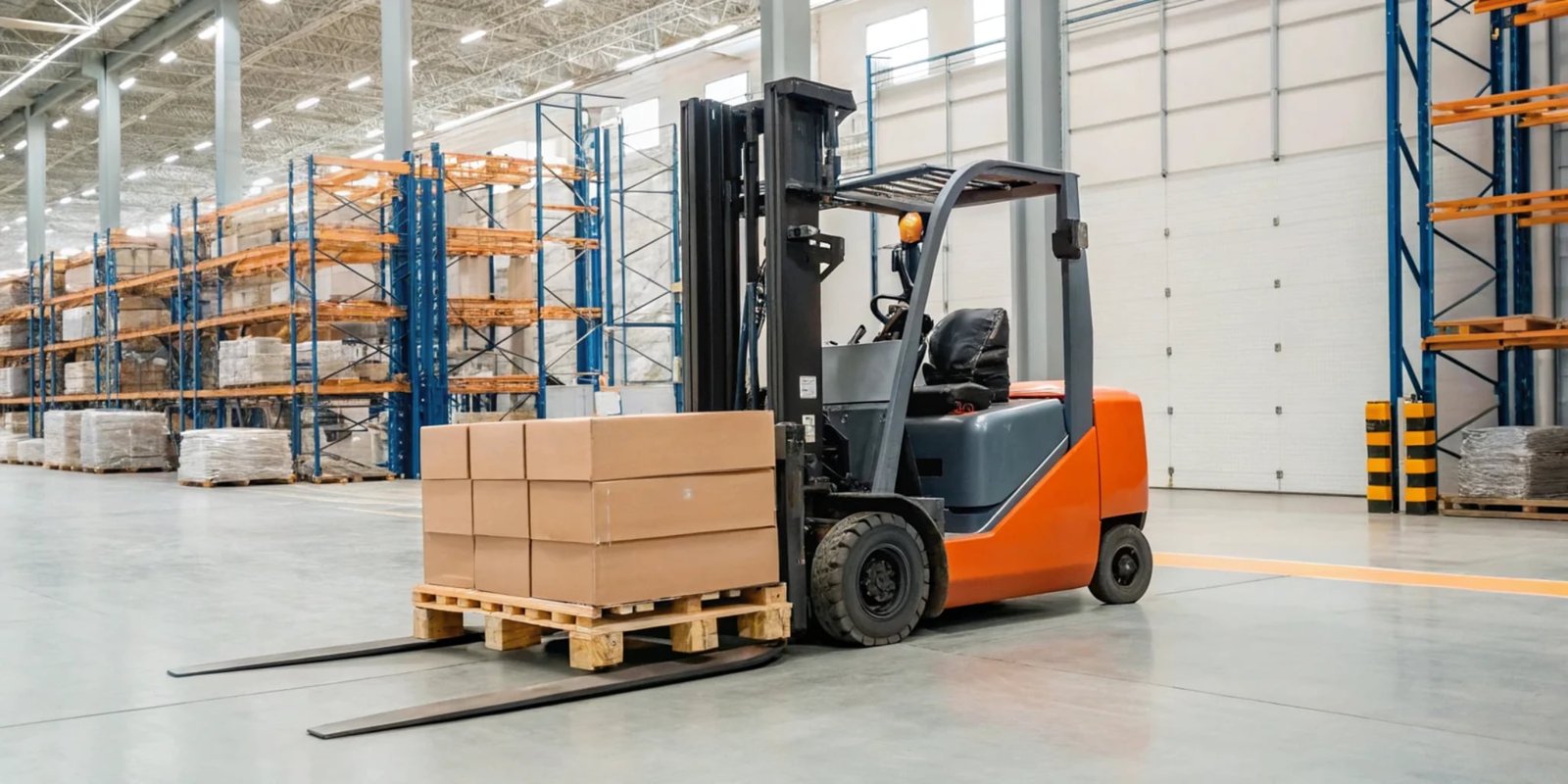
For years, I've seen countless warehouses operate with a central platform scale. It seemed sufficient, a reliable workhorse for checking inbound and outbound shipments. However, as I walk through these facilities, I often see a recurring pattern: forklifts making long trips, queuing up, and operators waiting. This observation always leads me to question the efficiency of relying solely on a fixed weighing station. While a platform scale is a valuable asset, the dynamic nature of modern logistics demands a more agile solution. This is where the forklift scale comes into play, not as a replacement, but as a crucial partner in optimizing workflow.
What are the differences between a platform scale and a forklift scale in terms of functionality?
Are you struggling with a weighing process that feels clunky and slow? Moving every pallet to a fixed scale interrupts your workflow, creating delays that add up quickly.
A platform scale is a stationary unit for weighing, whereas a forklift scale is a mobile solution that weighs goods during transport. This core difference means the forklift scale combines two jobs into one: moving and weighing, greatly improving operational speed and convenience.
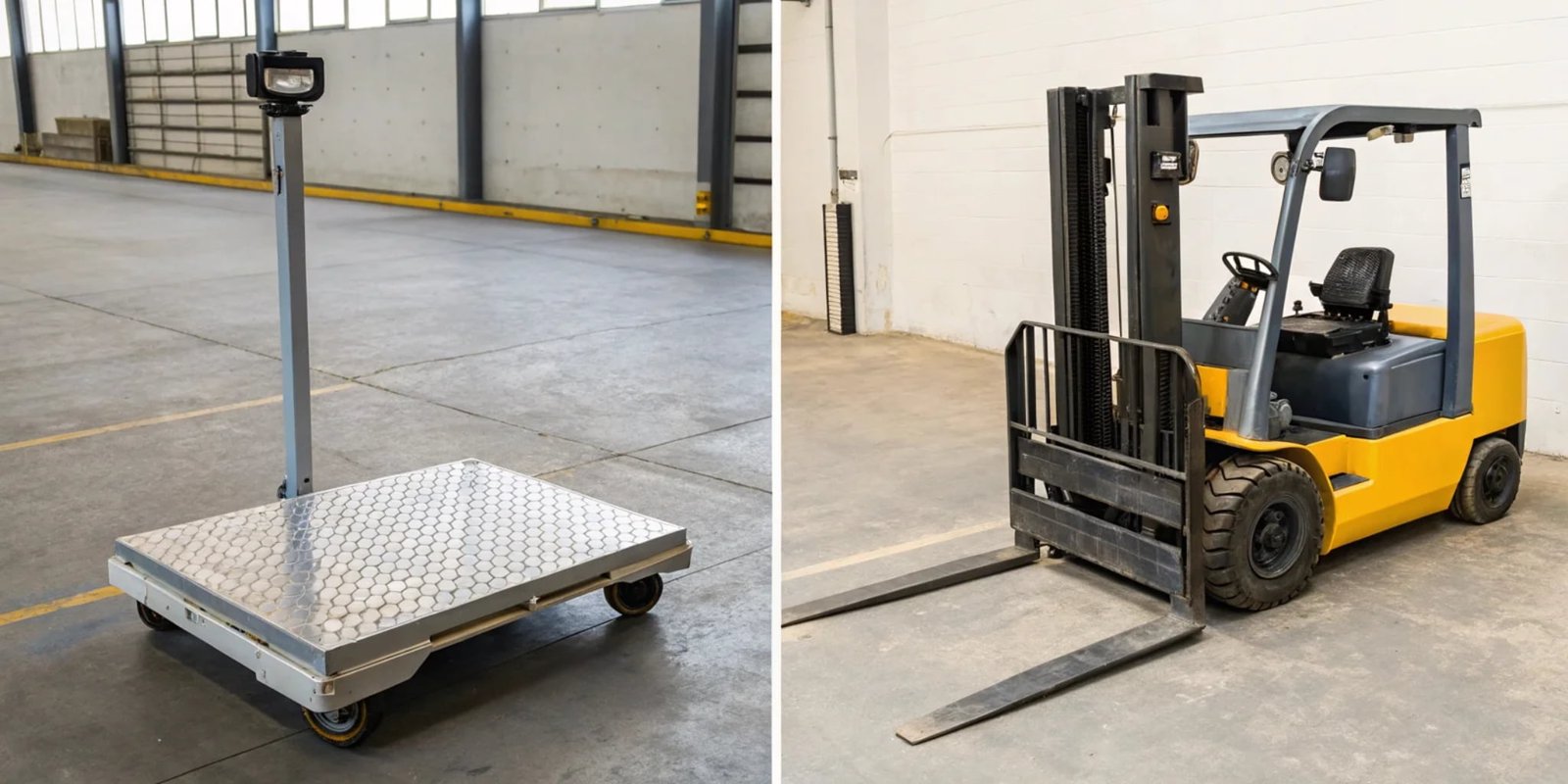
When we started Weigherps 19 years ago, the platform scale was the undisputed king of industrial weighing. It's a simple, robust tool. You place something on it, and it gives you a weight. It’s composed of a sturdy platform, four load cells, a junction box, and a display.1 Its primary function is static weighing. On the other hand, the forklift scale is a more complex piece of equipment, integrating high-precision sensors directly into a forklift's structure. This allows it to perform a dynamic function: "weighing on the go." Imagine lifting a pallet and instantly knowing its weight without moving an extra inch. That is the functional magic of a forklift scale.
Here is a breakdown of their main functional differences:
| Feature | Platform Scale | Forklift Scale |
|---|---|---|
| Mobility | Stationary, fixed in one location. | Mobile, integrated with a forklift for use anywhere. |
| Workflow | Requires goods to be brought to the scale. | Weighs goods during pickup and transport. |
| Primary Use | High-precision static weighing, legal-for-trade applications. | Process weighing, efficiency, and mobility. |
| Data Integration | Can be connected to systems, but data entry may be manual. | Often features wireless data transmission to WMS/ERP. |
The platform scale excels in providing a highly accurate, stable measurement for tasks where precision is paramount. However, the forklift scale's strength lies in its ability to streamline the entire logistics process. It's not just about getting a weight; it's about getting that weight at the most logical point in the process—the moment of handling.
When is it necessary to use a forklift scale if a platform scale is already available?
Does your team waste valuable minutes traveling back and forth to a single platform scale? This constant movement might seem minor, but it's a hidden drain on your productivity.
It becomes necessary to use a forklift scale when your operation involves frequent material handling across different locations. If your warehouse has multiple zones or your shipping department is constantly busy, a mobile forklift scale avoids bottlenecks and saves significant time compared to a fixed platform scale.
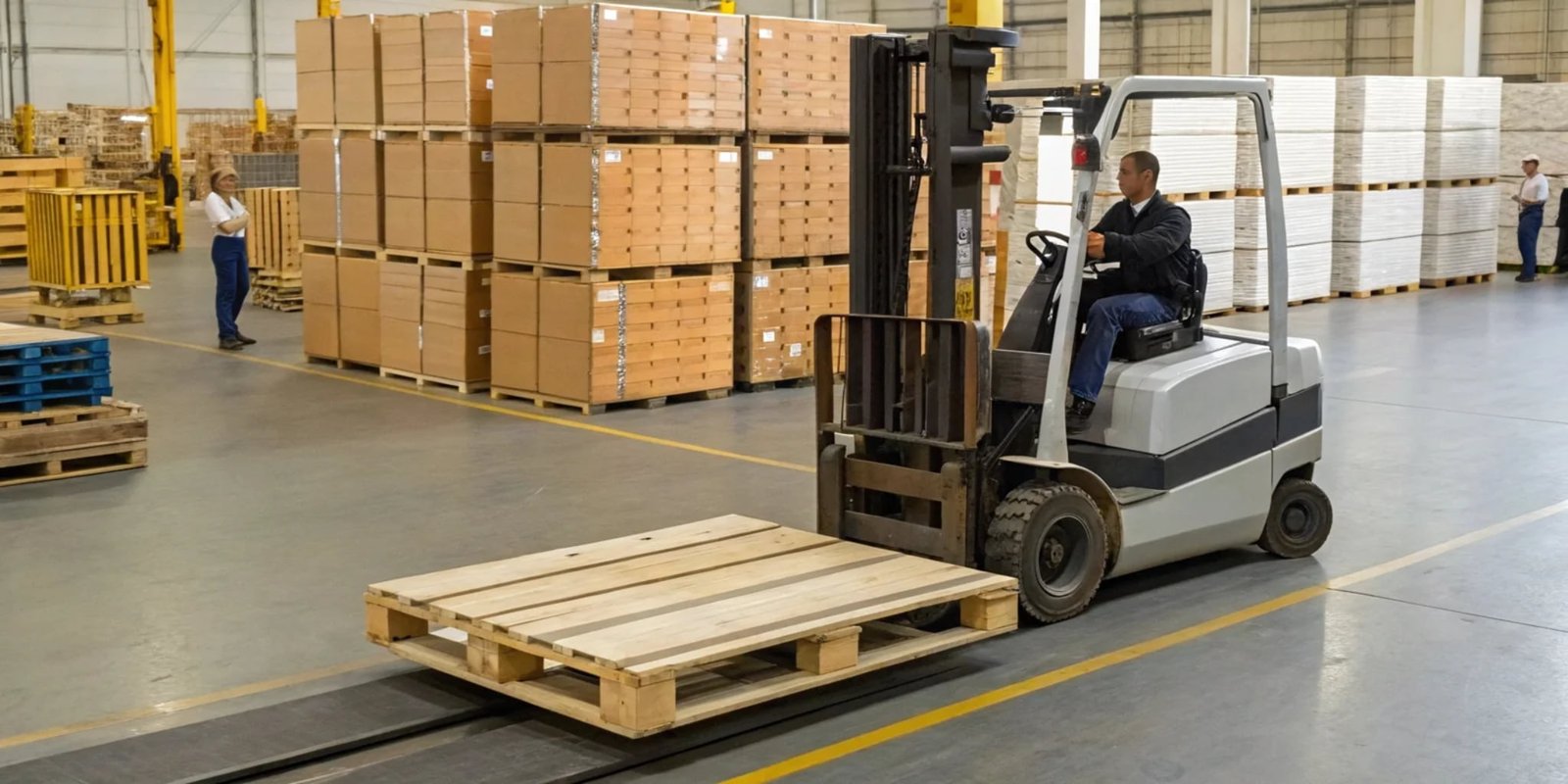
I remember visiting a client's expansive warehouse. They had a top-of-the-line platform scale, but it was located at one end of the facility. I watched as forklift operators drove the entire length of the warehouse just to weigh a single pallet before loading it onto a truck. The process was slow and created a traffic jam around the scale. This is a classic scenario where a forklift scale becomes a necessity, not a luxury. While the platform scale is great for final weight checks or receiving, it is inefficient for in-process verification.
A forklift scale is essential in several specific situations:
- Large Warehouses: When travel time to a central scale is more than a minute, a forklift scale provides immediate ROI by eliminating that travel.2
- High-Volume Shipping/Receiving: For operations loading or unloading dozens of trucks daily, weighing each pallet as it's handled speeds up turnaround time dramatically.
- Inventory Management: For cycle counting or inventory verification, a forklift scale allows staff to weigh pallets in their racking location without moving them to a dedicated weighing area.
- Production Lines: In manufacturing, materials can be weighed as they are moved between production stages, ensuring accurate ingredient mixing and waste reduction.3
A forklift scale complements the platform scale by filling a crucial gap in operational efficiency. The platform scale can handle the certified, high-precision tasks, while the forklift scale handles the high-frequency, process-oriented weighing that keeps your business moving.4
What advantages does a forklift scale offer for warehouse operations?
Are operational bottlenecks preventing your warehouse from reaching its full potential? Inefficiencies in handling and weighing can lead to lost time, increased costs, and frustrated employees.
The primary advantage of a forklift scale is that it combines two steps—moving and weighing—into a single action. This boosts efficiency, reduces labor costs, minimizes product movement, and allows for real-time data capture, which enhances inventory accuracy and overall warehouse management.
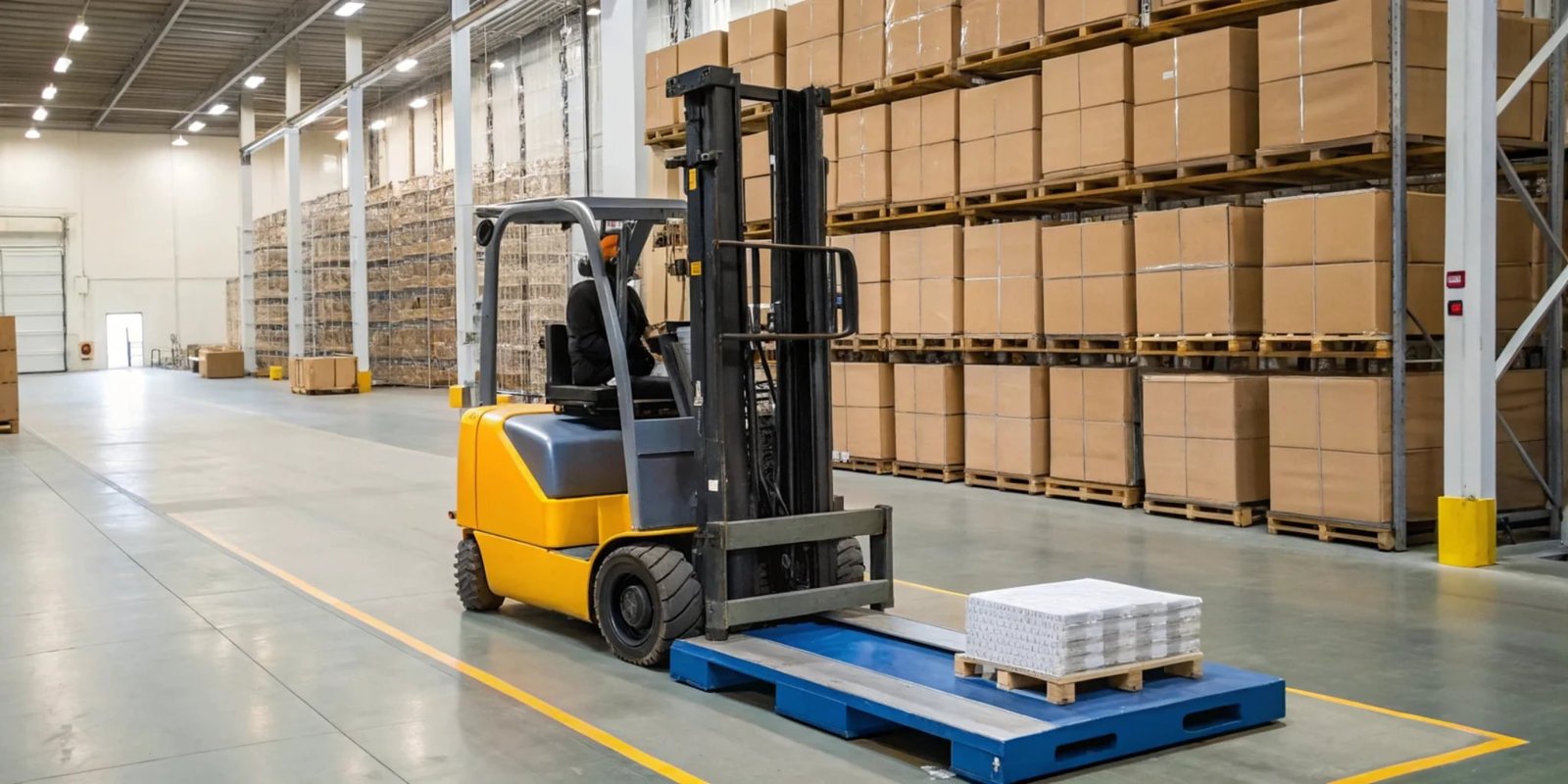
As a manufacturer of industrial scales, I’ve seen firsthand how integrating technology can revolutionize a workspace. A forklift scale is a perfect example of this. It's more than just a scale; it's a tool for process optimization. By weighing pallets on the spot, you eliminate non-value-added steps. Think about it: an operator can pick a pallet from a rack, instantly verify its weight against the order, and move directly to the loading dock. The traditional method involves picking the pallet, driving to the platform scale, weighing, and then driving to the dock. The time saved per pallet, multiplied over hundreds of pallets a day, is immense.
Let's dive deeper into the key benefits:
- Enhanced Efficiency: The most significant advantage is the time saved. By eliminating the need for a separate weighing step, you shorten the overall process cycle time, which directly translates to higher throughput.
- Reduced Operational Costs: Less travel distance for forklifts means lower fuel or electricity consumption and reduced wear and tear on the equipment. Furthermore, since one employee can now perform both moving and weighing tasks, you can optimize your labor allocation.
- Improved Safety: Reducing the amount of forklift traffic in the warehouse naturally leads to a safer working environment. Fewer trips mean fewer chances for accidents or collisions.
- Increased Data Accuracy: Manual data entry is prone to errors. Many forklift scales come equipped with printers or wireless transmitters that send weight data directly to a Warehouse Management System (WMS). This automation eliminates transcription errors and ensures your inventory records are always accurate.
These advantages make a forklift scale a powerful asset for any modern warehouse looking to stay competitive.
How can forklift scales improve efficiency compared to traditional platform scales?
Are slow weighing procedures causing delays in your shipping and receiving docks? Every minute spent waiting at a stationary scale is a minute lost for your entire supply chain.
Forklift scales improve efficiency by making weighing a mobile activity. Operators can weigh loads anywhere, at any time, eliminating the need to travel to and from a fixed platform scale. This cuts down on handling time, reduces forklift mileage, and accelerates the entire logistics workflow.
As someone who has helped hundreds of clients optimize their weighing processes, the contrast between using a platform scale and a forklift scale is stark. A platform scale-centric workflow is inherently linear and centralized. Every item that needs to be weighed must follow the same path to the same point. This creates a natural bottleneck. A forklift scale decentralizes the weighing process, transforming it from a "station" into an "activity." This seemingly small change has a massive impact on overall efficiency. Tasks like order picking, loading verification, and inventory checks become much faster. An operator fulfilling an order can weigh each pallet as they pull it from the rack, ensuring the total shipment weight is correct before they even head to the loading bay.
Let's look at a practical comparison:
| Process Step | Traditional Method (Platform Scale) | Efficient Method (Forklift Scale) |
|---|---|---|
| 1. Pick Pallet | Operator picks pallet from rack. | Operator picks pallet from rack. |
| 2. Travel to Scale | Operator drives to stationary platform scale. | (Step eliminated) |
| 3. Weigh Pallet | Operator places pallet on scale, waits for reading. | Operator lifts pallet, weight is displayed instantly. |
| 4. Record Weight | Operator manually records weight or waits for printout. | Weight can be auto-sent to WMS via Wi-Fi. |
| 5. Travel to Dock | Operator picks pallet from scale and drives to dock. | Operator drives directly from rack to dock. |
This streamlined process not only saves time but also significantly reduces fuel/energy consumption and equipment wear. With IoT integration, the efficiency gains multiply. As soon as a pallet is weighed, the data is available in your central system, triggering the next steps in your logistics chain, such as generating shipping labels or updating inventory levels, all without manual intervention.5
Conclusion
In short, integrating forklift scales streamlines your workflow by combining moving and weighing. This saves time, reduces bottlenecks, and boosts overall operational efficiency, complementing your existing platform scale perfectly.
-
"Why Use a Single Load Cell for Platform Weighing?", https://www.interfaceforce.com/why-use-a-single-load-cell-for-platform-weighing/. Engineering descriptions of multi-load-cell platform scales explain how a load-bearing platform, load cells, signal aggregation, and an indicator form a weighing system. Evidence role: mechanism; source type: education. Supports: A platform scale can use four load cells connected through a junction box to a weight display.. Scope note: Four load cells and a separate junction box describe a particular configuration, not every platform scale. ↩
-
"Return on Investment for Small and Medium Establishments - NIST", https://www.nist.gov/publications/efficiency-improvements-us-manufacturing-return-investment-small-and-medium. Equipment-investment analysis relates avoided travel and labor costs to acquisition, integration, and recurring expenses when estimating payback. Evidence role: mechanism; source type: government. Supports: Eliminating travel to a central scale can generate savings that contribute to forklift-scale payback.. Scope note: This framework does not establish a universal one-minute threshold or immediate payback; both require facility-specific financial and operating data. ↩
-
"Measurement Science for Additive Manufacturing Program - NIST", https://www.nist.gov/programs-projects/measurement-science-additive-manufacturing-program. Gravimetric process-control research links measured material quantities to batch verification and material accounting when measurement uncertainty is compatible with process tolerances. Evidence role: mechanism; source type: paper. Supports: Weighing materials between production stages can support ingredient verification and waste monitoring.. Scope note: Transfer weighing alone does not guarantee correct mixing or waste reduction, and forklift-scale accuracy may be insufficient for some formulations. ↩
-
"[PDF] NIST Handbook 44: Specifications, Tolerances, and Other Technical ...", https://www.nist.gov/system/files/documents/2022/11/30/2023%20NIST%20Handbook%2044.pdf. Legal-metrology standards establish accuracy, testing, and approval requirements for weighing instruments; certification attaches to qualifying instruments rather than to a stationary-versus-mobile distinction. Evidence role: definition; source type: government. Supports: Certified weighing tasks require appropriately approved instruments with suitable accuracy specifications.. Scope note: A forklift scale may qualify for commercial weighing, and a platform scale is not automatically certified or more accurate. ↩
-
"Research on Impact of IoT on Warehouse Management - PMC", https://pmc.ncbi.nlm.nih.gov/articles/PMC9967450/. Event-based logistics architectures describe how identified sensor observations can be shared with enterprise systems and consumed by configured downstream workflows. Evidence role: mechanism; source type: institution. Supports: Integrated weight events can trigger automated inventory or shipping workflows when identification, connectivity, and business rules are configured.. Scope note: Interoperability standards and architecture studies establish technical feasibility, not instant or intervention-free operation for an unspecified forklift scale and warehouse system. ↩



Comments (0)