
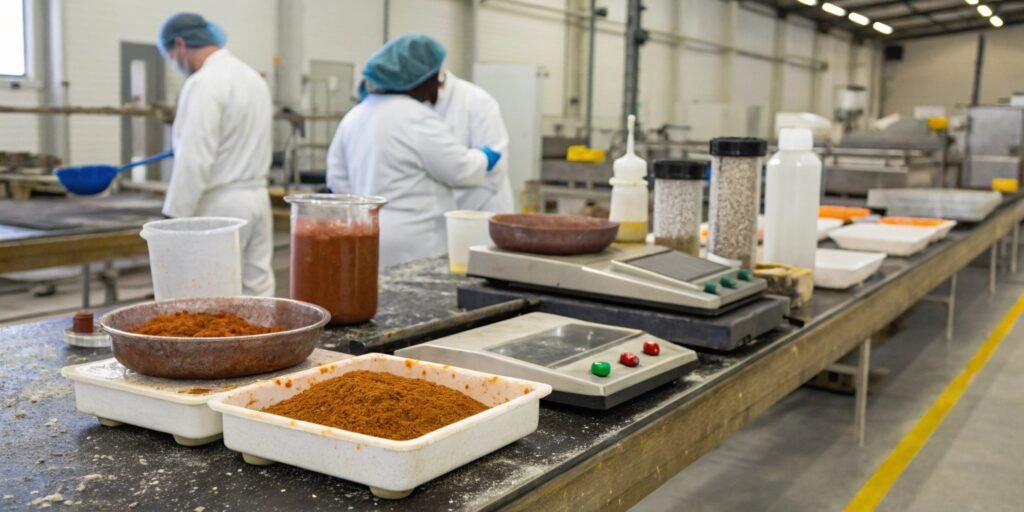
Is your workshop floor a graveyard of rusted, broken scales? Constant exposure to sauces, salts, and cleaning agents destroys them, forcing frequent, costly replacements and disrupting production.
For sauce and seasoning workshops, the most durable scales are made from materials with high corrosion resistance. Scales with 316 stainless steel or ABS plastic housings are ideal. These should be paired with a high Ingress Protection (IP) rating, like IP68 or IP69K, to protect internal components.
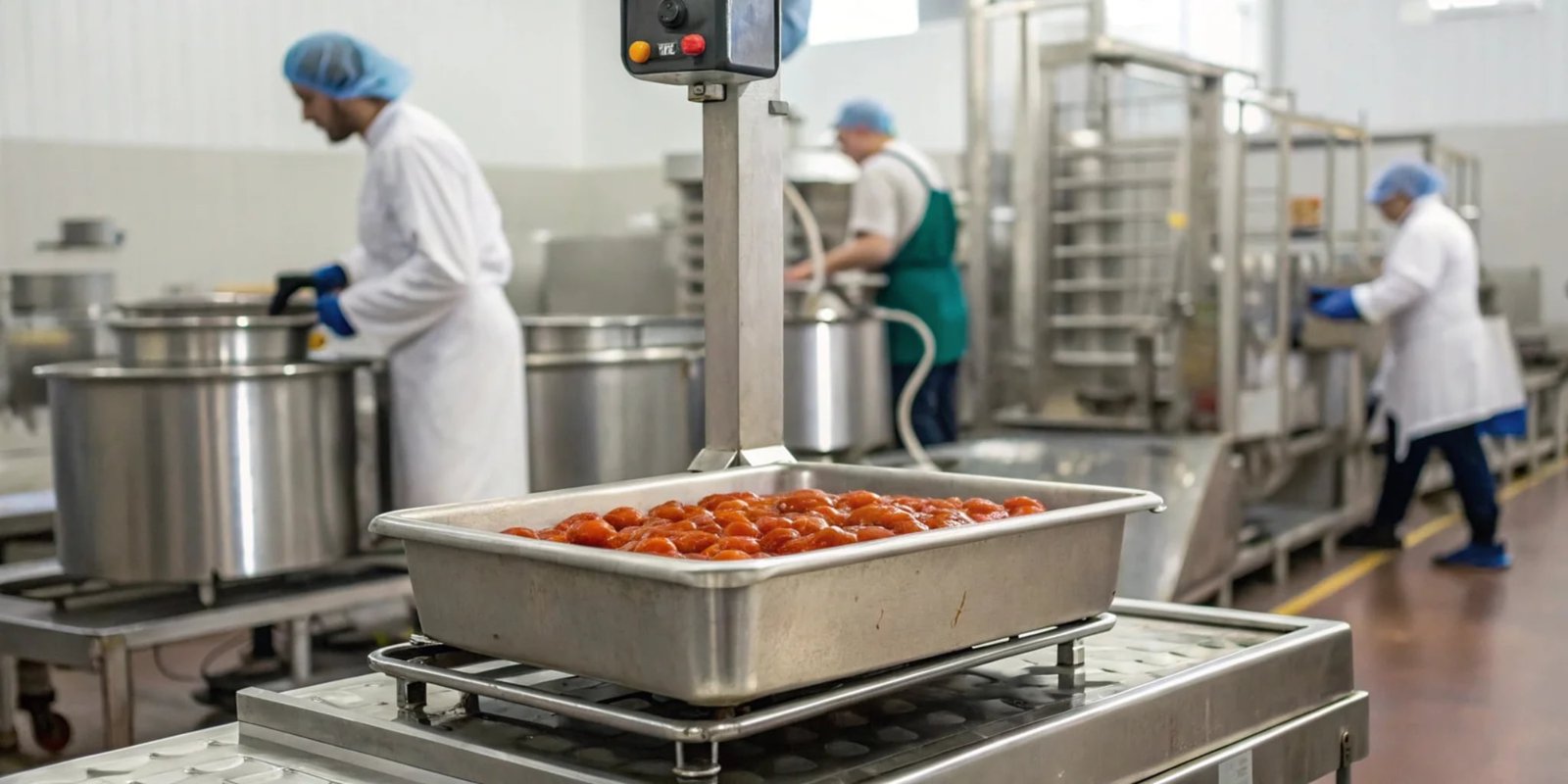
Choosing the right scale feels like a gamble, but it doesn't have to be. As a manufacturer with 19 years of experience, I've seen firsthand how the wrong equipment can bring a production line to a halt. My goal is to share what I've learned to help you find a weighing solution that lasts, saving you time and money. Let's dive into the specifics so you can make an informed decision and finally stop the cycle of replacing your scales.
What Scale Materials Are Best for Corrosive Environments in Sauce and Seasoning Workshops?
Are you frustrated by scales that break down too soon? This downtime costs you money and interrupts your workflow. The solution is to understand which materials can withstand the harsh conditions of your workshop.
The best materials for corrosive environments are 316-grade stainless steel and robust ABS plastic. For areas with high salt and acid content, like in sauce production, 316 stainless steel is superior to the more common 304 grade due to its enhanced corrosion resistance.
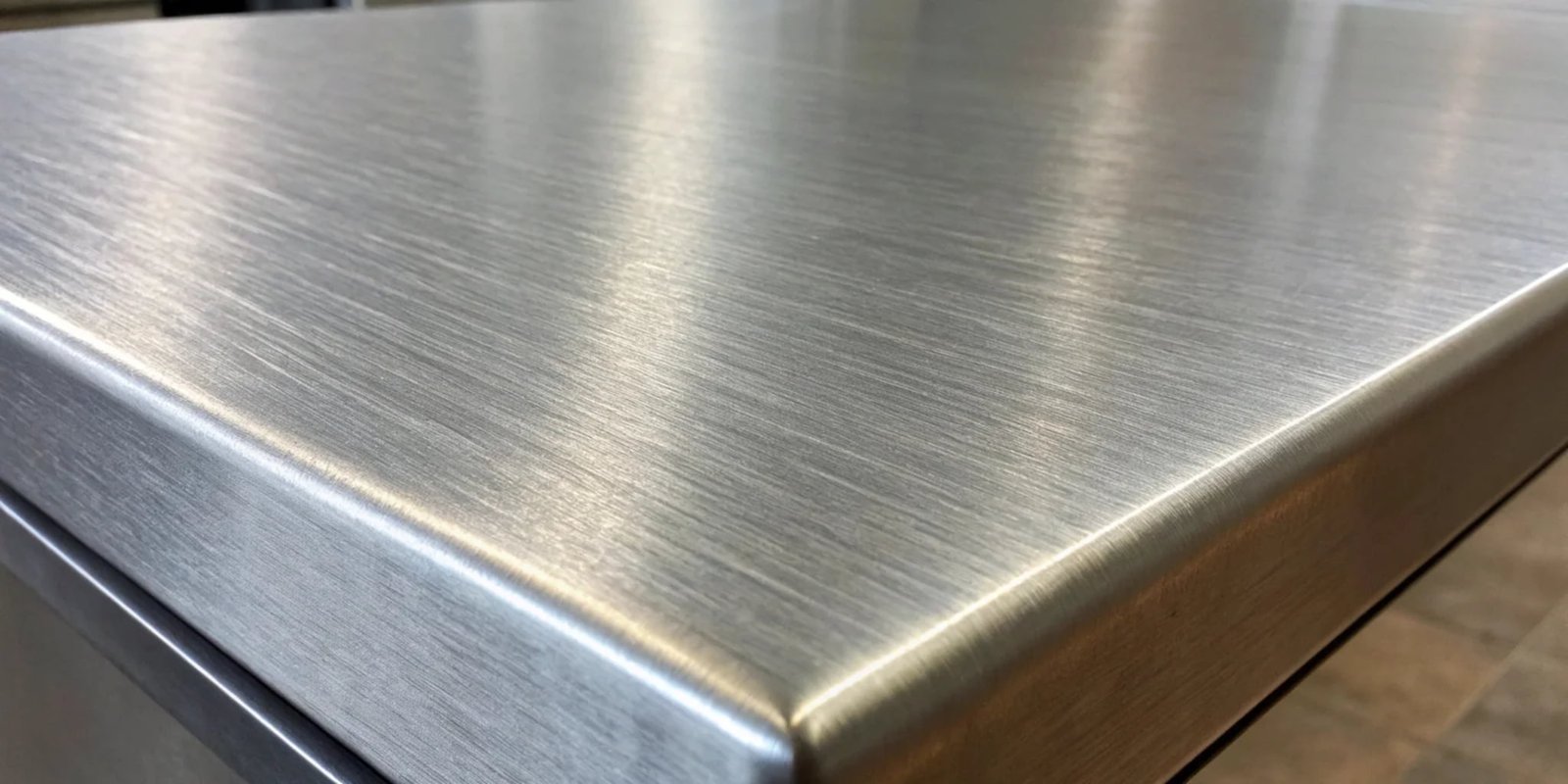
When you're dealing with the aggressive acids, alkalis, and salts found in sauces and seasonings, the material of your scale is your first line of defense. My experience in industrial scale manufacturing has shown that two materials stand out: stainless steel and ABS plastic.
However, not all stainless steel is the same. While 304 stainless steel is a common choice for general food processing, it can struggle with the high chloride and acid levels in many sauces. This is where 316 stainless steel shines. The addition of molybdenum gives it superior resistance to pitting and corrosion from these specific chemicals.1 ABS plastic housings offer a different kind of advantage; they are exceptionally resistant to a wide range of chemicals, including many acids and alkalis, and can be a more cost-effective choice.2
Here’s a quick comparison:
| Material | Pros | Cons | Best For |
|---|---|---|---|
| 304 Stainless Steel | Good corrosion resistance, affordable. | Vulnerable to high salt and strong acids. | General food processing, low-corrosion areas. |
| 316 Stainless Steel | Excellent resistance to acids, salts, and chlorides. | Higher initial cost. | Sauce, seasoning, and pickling production. |
| ABS Plastic | Highly resistant to chemical corrosion, durable, often more affordable. | Can be less resistant to physical impact than steel. | Areas with direct, strong acid or alkali contact. |
Which Types of Scales Are Most Durable in Highly Corrosive Food Processing Facilities?
Is it just the material that matters, or is there more to a durable scale? A scale with poor design will fail quickly, no matter the material. You need to look for specific design features that protect it from the inside out.
The most durable scales are those with high IP ratings, such as IP67, IP68, or IP69K. These ratings ensure protection against dust and water, even high-pressure, high-temperature washdowns. Bench and floor scales with fully sealed load cells and electronics are built to last in these environments.
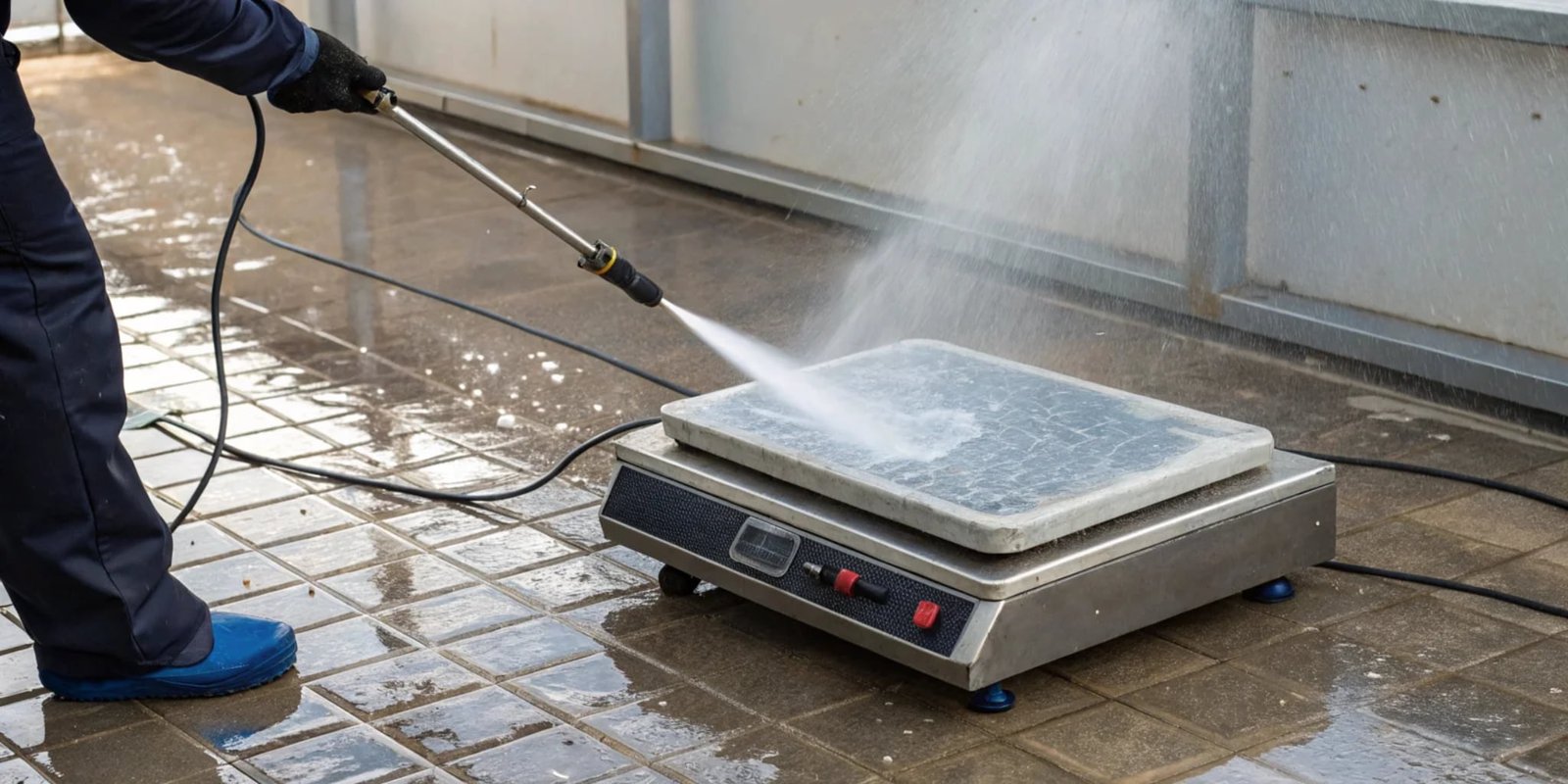
Beyond the casing material, a scale's construction is critical for its survival. In my years of designing scales, I've seen that the biggest enemy in a food facility is moisture. It gets everywhere, and if it penetrates the scale's housing, it will destroy the sensitive electronics and load cells.3 This is where Ingress Protection (IP) ratings become essential.
An IP rating is a two-digit number. The first digit (0-6) indicates protection against solids like dust, and the second (0-9K) indicates protection against liquids.4
- IP67 means the scale is dust-tight and can be submerged in up to 1 meter of water for a short time.
- IP68 allows for continuous immersion in water.
- IP69K is the highest level, offering protection against high-pressure, high-temperature water jets, which is common during sanitation.
For a sauce or seasoning workshop, you should look for a scale with at least an IP67 rating, but IP68 or IP69K is much better. At Weigherps, our quality control department puts every scale through rigorous testing for its water resistance and overall durability before it ever leaves our facility. This ensures the internal components, especially the load cells, are completely sealed and protected.
How Can Scales Be Enhanced to Survive Strong Corrosion in Sauce Production Areas?
Do you feel like even the toughest scales can't handle your production environment? If you're tired of unexpected failures and costly downtime, know that proactive enhancements can significantly extend your scale's life.
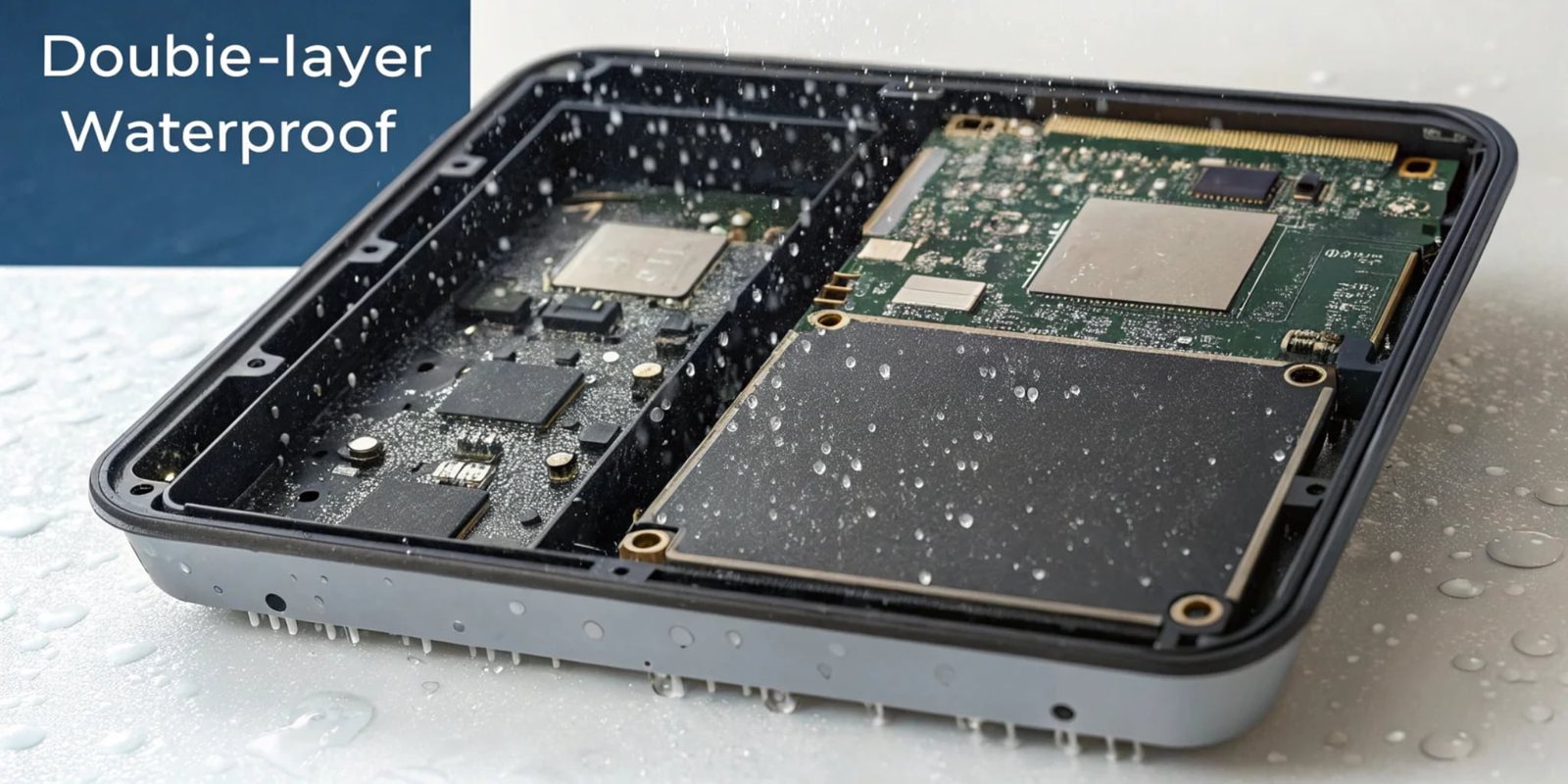
You can enhance scale durability with protective coatings, regular maintenance, and smart design choices. Adding a double-layer waterproof structure for the mainboard or choosing a model with a polyamine epoxy coating offers another powerful layer of defense against corrosion and moisture.
Based on my company's 19 years of OEM/ODM production, we've developed specific enhancements for a reason. Sometimes, even 316 stainless steel needs backup. For instance, in facilities making pickles or heavily acidic sauces, we often recommend scales with an ABS plastic housing because of their excellent resistance to strong acids and alkalis.
One of our most effective custom solutions is a double-layer waterproof mainboard structure. This design essentially creates a "box within a box" for the most critical electronics. If any moisture gets past the first seal, this second layer provides crucial backup protection, preventing catastrophic failure. It's a targeted solution for the most aggressive environments.
Furthermore, protective coatings like polyamine epoxy can be applied over stainless steel to provide a shield against a wide array of chemicals. These coatings create a non-porous, durable barrier. Regular maintenance is also key. Simply cleaning the scale daily to prevent buildup of corrosive materials can make a huge difference.5 We design our scales for easy cleaning to support these essential maintenance routines.
What Are the Optimal Scale Materials for Use in High-Corrosion Food Manufacturing Plants?
Feeling confused about which material is truly "optimal"? Making the wrong choice leads to a wasted investment and more headaches. The optimal choice depends entirely on balancing cost, performance, and your specific needs.
For general food processing, 304 stainless steel is often optimal due to its balance of good corrosion resistance and cost-effectiveness. However, in high-corrosion plants with acids and salts, 316 stainless steel is the optimal choice for longevity, despite its higher initial cost.
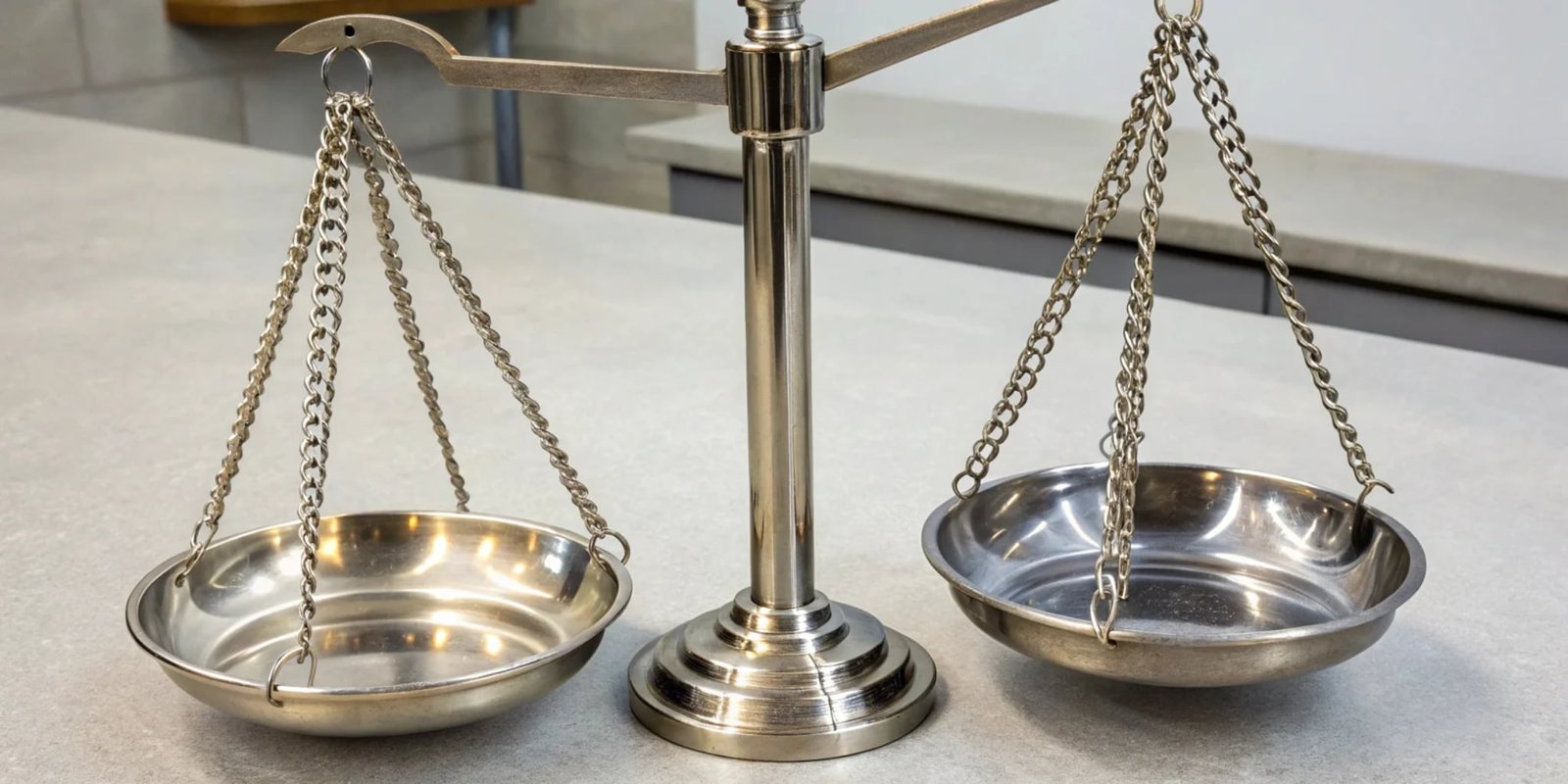
As a manufacturer serving global brands and wholesalers, I always focus on finding the most cost-effective solution for my clients. "Optimal" doesn't always mean "the most expensive." It means the right tool for the job.
The decision comes down to a cost-benefit analysis of your specific environment. If a scale is in a dry-packaging area, 304 stainless steel is perfectly adequate and saves money. If the scale is right on the production line, getting splashed with brine or acidic sauces daily, investing in 316 stainless steel will pay for itself by preventing frequent replacements.6 An ABS housing offers a balance, providing top-tier chemical resistance that can outperform stainless steel in some scenarios, often at a lower price point.
Here is a simple guide to help you choose the optimal material:
| Your Primary Concern | Optimal Material Choice | Why It's Optimal |
|---|---|---|
| Budget in a low-corrosion area | 304 Stainless Steel | Provides sufficient durability for the lowest cost. |
| Extreme corrosion (high salt/acid) | 316 Stainless Steel | Offers the best long-term protection against chemical damage. |
| Direct chemical contact (strong acids/alkalis) | ABS Plastic Housing | Delivers superior chemical resistance in specific scenarios, often economically. |
| Heavy washdowns & physical durability | IP68/69K Rated Stainless Steel | The combination of a strong metal frame and superior water sealing offers maximum toughness. |
Our role as weighing experts is to help you analyze these factors and select a scale that provides a true return on investment, not just a temporary fix.
Conclusion
To ensure your scales last, choose materials like 316 stainless steel or ABS plastic and a design with a high IP rating. This protects your investment and keeps your production running smoothly.
-
"Studies on the Cooperative Influence of Cr and Mo on ... - PMC", https://pmc.ncbi.nlm.nih.gov/articles/PMC10707140/. Molybdenum additions improve the resistance of austenitic stainless steel to chloride-induced pitting, supporting the preference for 316 over 304 in some chloride-bearing environments; resistance to acids depends on the chemical species and exposure conditions. Evidence role: mechanism; source type: paper. Supports: Molybdenum makes 316 stainless steel more resistant than 304 to corrosion from the chlorides and acids encountered in sauce production.. Scope note: Comparative chloride resistance does not establish universal acid resistance or guarantee scale service life. ↩
-
"[PDF] CHEMICAL COMPATIBILITY CHART", https://www.wisconsin.edu/ehs/download/Fisher-Scientific-Chemical-Compatibility-Chart.pdf. ABS chemical-compatibility data support resistance to selected aqueous acids and alkalis under specified conditions, rather than unrestricted suitability for corrosive processing environments. Evidence role: general_support; source type: research. Supports: ABS scale housings offer broad acid and alkali resistance and can be more cost-effective than stainless steel.. Scope note: Compatibility evidence alone does not establish resistance to strong or oxidizing acids, suitability of a particular housing, or cost-effectiveness relative to steel. ↩
-
"Reflow solder flux residue and humidity interaction - PMC - NIH", https://pmc.ncbi.nlm.nih.gov/articles/PMC12216386/. Moisture and ionic contamination can promote corrosion and electrical leakage in electronic assemblies, while moisture exposure can impair strain-gauge insulation and measurement stability. Evidence role: mechanism; source type: paper. Supports: Moisture entering a scale housing destroys its electronics and load cells.. Scope note: These mechanisms establish a risk of malfunction or damage, not inevitable destruction of every scale or load cell. ↩
-
"IP code - Wikipedia", https://en.wikipedia.org/wiki/IP_code. IEC 60529 classifies enclosure protection using characteristic numerals for access and solid-object ingress and for water ingress; ISO 20653 uses additional K designations for specified road-vehicle tests. Evidence role: definition; source type: institution. Supports: IP ratings use a first digit from 0 to 6 for solids protection and a second digit from 0 to 9K for liquid protection.. Scope note: The designation 9K is standard-specific, and water-ingress ratings do not certify chemical-corrosion resistance. ↩
-
"[PDF] Stainless Steel Equipment Care and Cleaning - WebstaurantStore", https://www.webstaurantstore.com/documents/pdf/stainless_steel_cleaning_instructions.pdf?srsltid=AU7gw4UvHvfFNk7IXLx1zHm3OWChs2yCj1WZgAQqqakrYeQE_zuC48jM. Removing chloride-bearing deposits can reduce conditions conducive to localized stainless-steel corrosion, supporting cleaning as part of corrosion control when compatible cleaning and rinsing procedures are used. Evidence role: mechanism; source type: research. Supports: Daily removal of corrosive deposits substantially extends scale durability.. Scope note: This mechanism does not quantify service-life gains or establish daily cleaning as the appropriate interval for every scale and exposure. ↩
-
"(PDF) Life-cycle costing of metallic structures", https://www.academia.edu/56774356/Life_cycle_costing_of_metallic_structures. Life-cycle costing accounts for acquisition, maintenance, replacement, and downtime costs, explaining how a more corrosion-resistant material can offset a higher initial purchase price. Evidence role: general_support; source type: research. Supports: The higher purchase cost of a 316 stainless-steel scale will be recovered through avoided replacements in brine or acidic-sauce production.. Scope note: The economic framework provides contextual support, not proof of payback for 316 scales; application-specific cost and service-life data are required. ↩


Comments (0)