
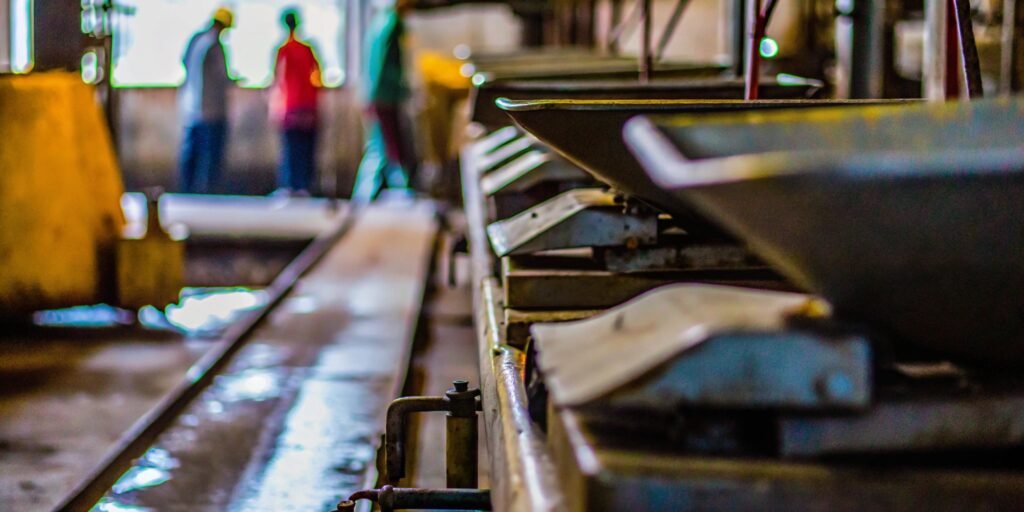
Struggling to ensure safety in potentially explosive food processing areas? You are not alone. Many factories overlook the ignition risk from standard electronic equipment, jeopardizing both people and production.
The short answer is that explosion-proof scales are necessary wherever flammable dusts, liquids, or gases are present. This includes areas with flour or sugar dust, alcohol-based sanitizers, or certain flavorings. Standard scales can create sparks, so certified scales are essential for safety and compliance.
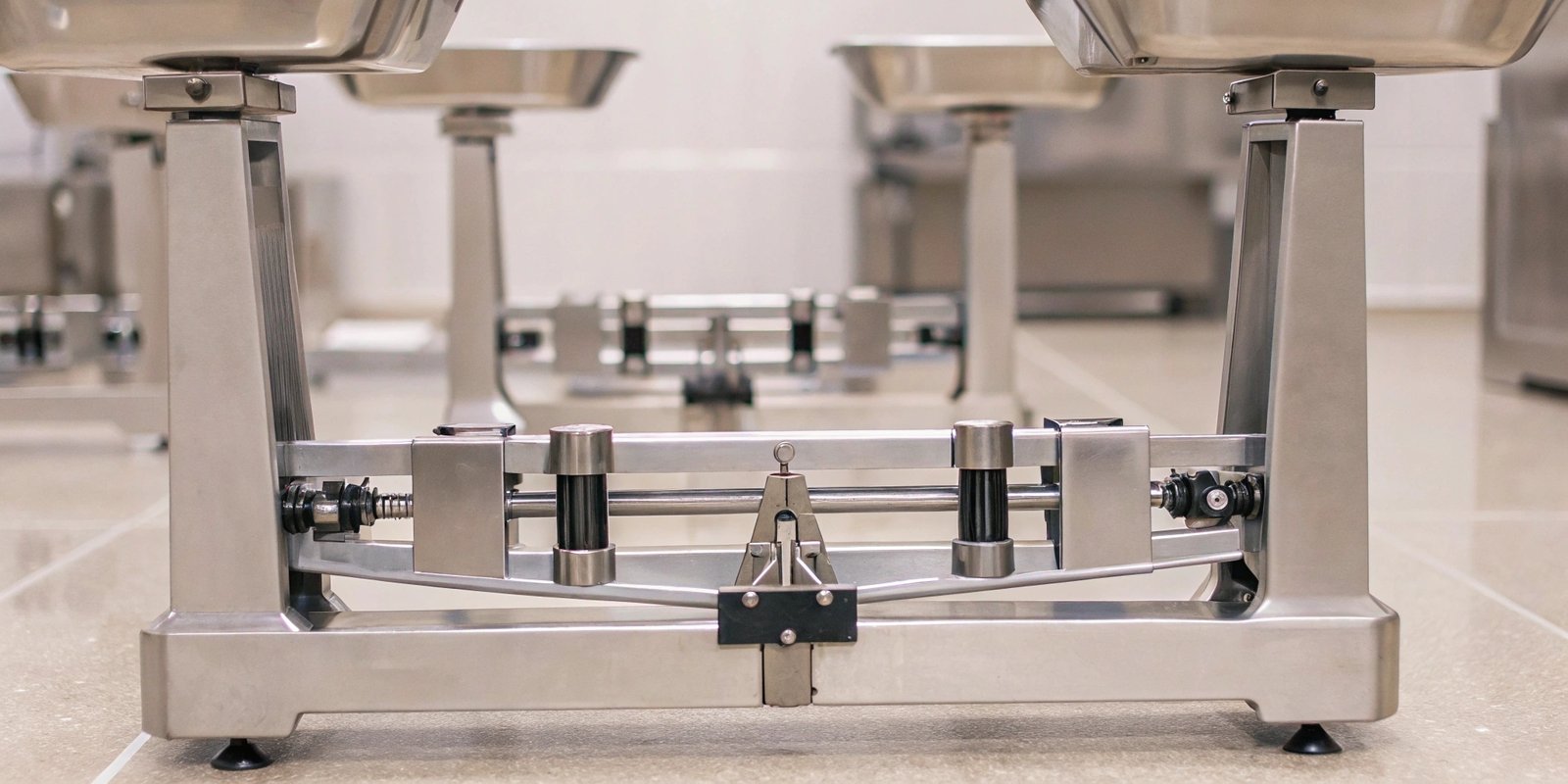
As a company specializing in industrial weighing for nearly two decades, we've seen how critical safety is. A simple electronic scale seems harmless, but in the wrong environment, it's a ticking time bomb. This guide will walk you through exactly where and why you need to upgrade your weighing equipment, ensuring your facility remains safe and productive. Let’s dive deeper into the specific situations you need to watch out for.
In What Situations Does a Food Factory Require Explosion-Proof Scales?
Worried about hidden fire hazards in your plant? Handling fine powders or flammable liquids is routine, but using the wrong equipment in these areas can lead to disaster.
You need explosion-proof scales in any area classified as hazardous due to the presence of combustible materials. This includes weighing, mixing, and packaging zones where substances like flour, sugar, or flammable cleaning agents create a potentially explosive atmosphere, requiring specially designed equipment to prevent ignition.
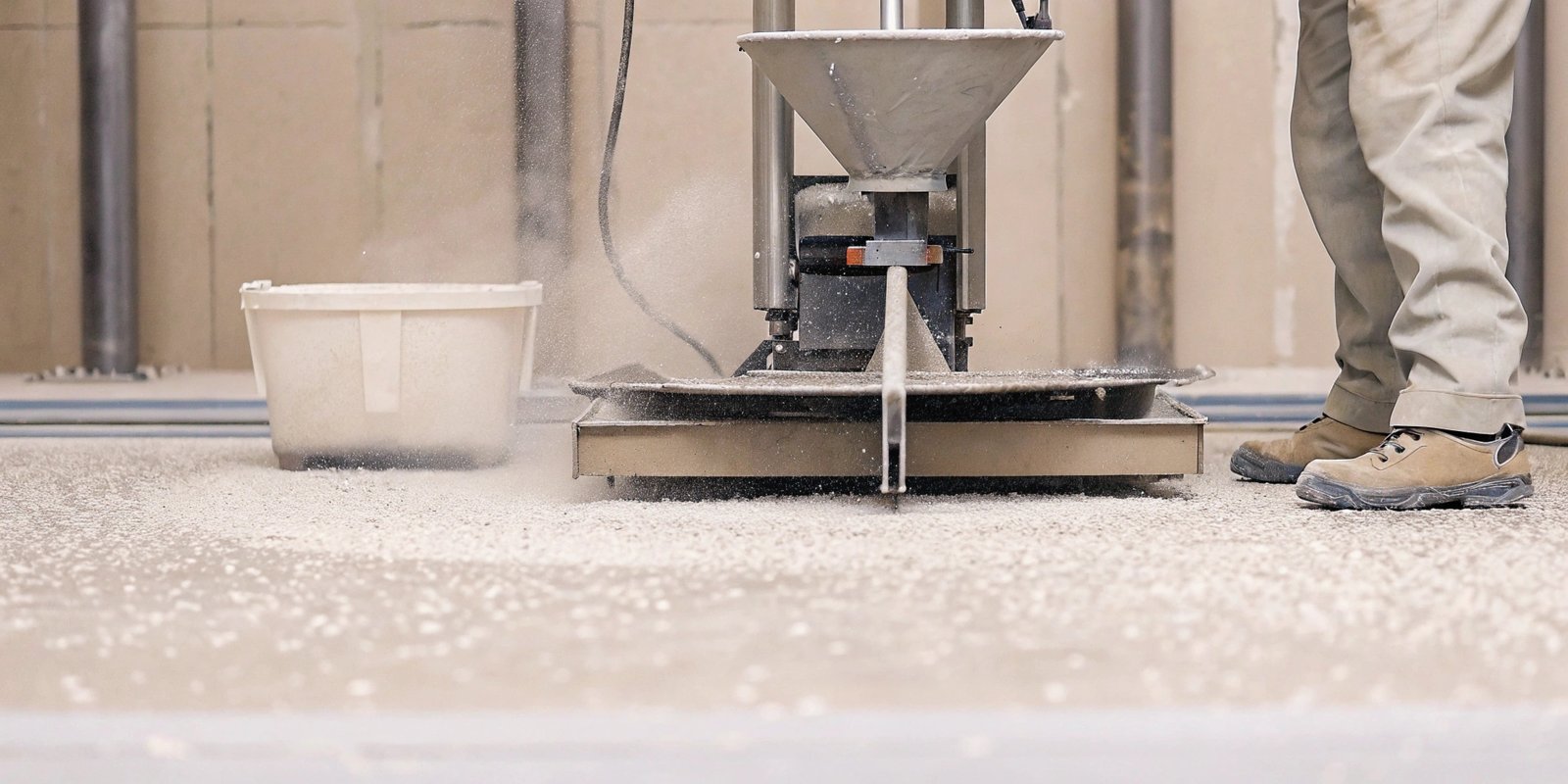
I remember a client, a large bakery, who was using standard scales in their flour dosing area. They were unaware that the dense clouds of flour dust during mixing could be ignited by a small spark from the scale's electronics. Fortunately, we conducted a site audit and helped them switch to ATEX-certified bench scales before any incident occurred. It’s a common oversight, but one with potentially devastating consequences. These scales are specifically built to contain any internal spark and operate at temperatures that will not ignite the surrounding atmosphere. This isn't just about meeting regulations; it's about fundamentally protecting your team and your facility from preventable accidents. Understanding your environment is the first step.
Defining Your Hazardous Zones
To determine the need for explosion-proof scales, you must first identify and classify the hazardous areas in your facility. This process involves assessing where flammable gases, vapors, or combustible dusts might be present in sufficient quantities to cause a fire or explosion. These locations are typically categorized into Classes and Divisions (under NEC/CEC standards) or Zones (under ATEX/IECEx standards).1
| Classification | Environment Type | Example Food Industry Scenario |
|---|---|---|
| Class I | Flammable Gases/Vapors | Areas using or storing alcohol-based flavor extracts or flammable cleaning solvents. |
| Class II | Combustible Dusts | Zones with airborne flour, sugar, spice, or powdered milk during mixing, grinding, or packaging. |
| Division 1 / Zone 0, 20 | Hazard is present under normal operating conditions. | A mixing vessel where flour dust is constantly suspended in the air. |
| Division 2 / Zone 1, 21 | Hazard is present only under abnormal conditions (e.g., a leak). | A storage area where flammable liquids are in sealed containers, but a spill could occur. |
Knowing your classification is non-negotiable. It dictates the type of protected equipment you must install.
What Are Common Scenarios in Food Production That Need Explosion-Proof Weighing Equipment?
Can a simple ingredient create an explosive risk? Yes. Many common food materials, from powders to liquids, can turn a normal production area into a hazardous zone if not managed correctly.
Common scenarios include weighing fine organic powders like flour, sugar, or spices, and handling flammable liquids such as alcohol-based flavorings or sanitizers. In these situations, any standard electronic device, including a scale, can provide the spark needed for an explosion, making certified equipment mandatory.
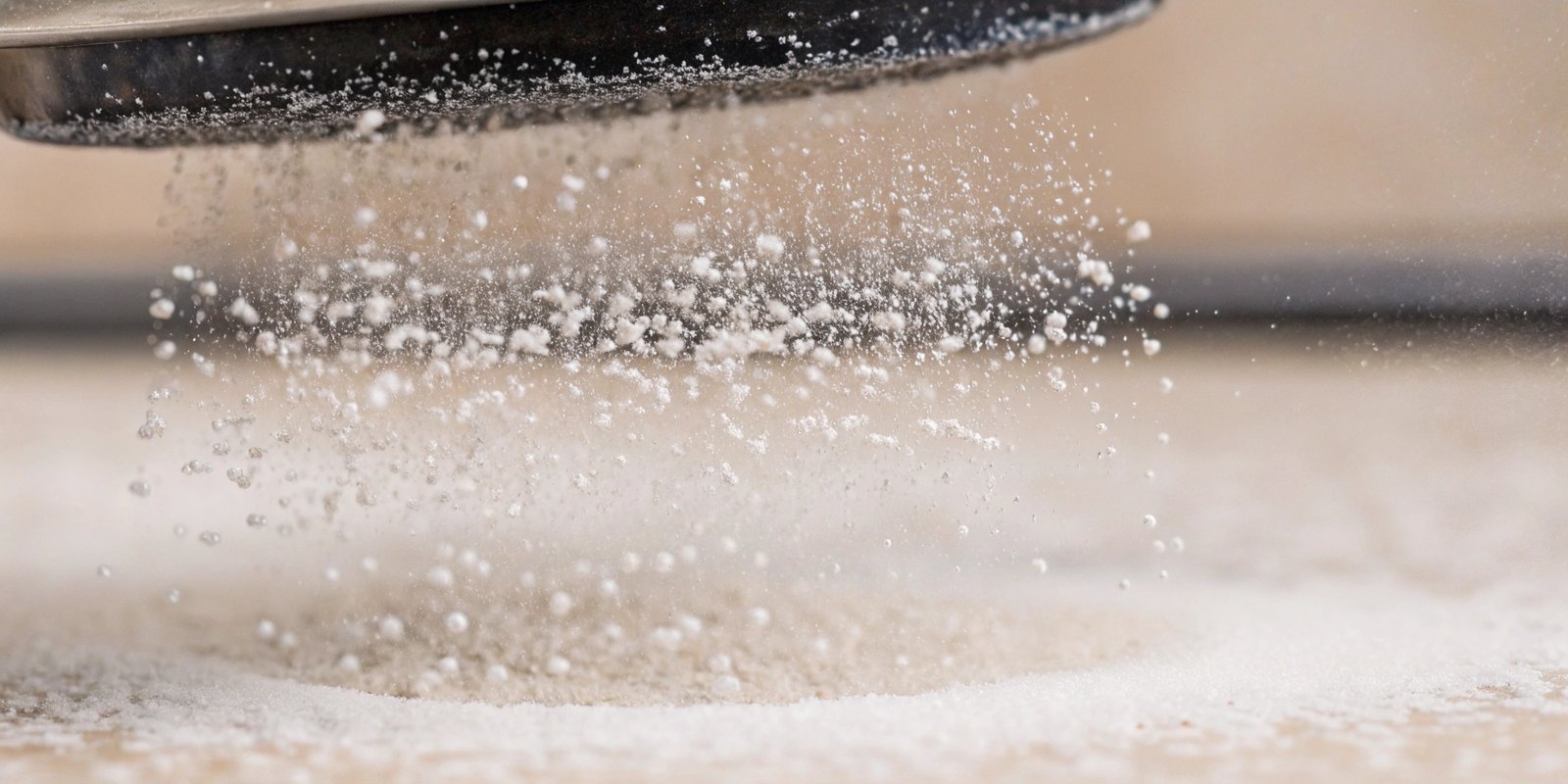
Many processes in the food and beverage industry can generate explosive atmospheres, including milling, mixing, drying, and packaging. The key danger comes from combustible dust. Fine particles from ingredients like flour, sugar, cocoa powder, and starches can become suspended in the air during processing. If this dust cloud is confined within a space and meets an ignition source, the results can be catastrophic. This isn't just a theoretical risk; the 2008 Imperial Sugar refinery explosion was a tragic reminder of how dangerous combustible dust can be, causing 14 fatalities due to a sugar dust explosion.
The Dust Explosion Pentagon
For a dust explosion to occur, five elements must be present. This is often called the "Dust Explosion Pentagon." Removing just one element can prevent a disaster.
- Fuel: This is the combustible dust itself (e.g., flour, sugar, spice dust).
- Oxygen: The air in the facility provides the oxygen.
- Dispersion: Dust must be suspended in the air at a sufficient concentration to be explosive.
- Confinement: The event happens in an enclosed or semi-enclosed space, like a silo, vessel, or even a room, allowing pressure to build.
- Ignition Source: This is the critical element that explosion-proof equipment controls. Sources can include sparks from electrical equipment, static electricity, or hot surfaces.
An explosion-proof scale is designed to eliminate the ignition source risk. Intrinsically safe designs, for example, ensure the electrical energy is too low to cause a spark, while explosion-proof enclosures are built to contain an internal explosion without igniting the outside atmosphere.
When Is Explosion-Proof Weighing Necessary in Food Manufacturing?
Are you sure your weighing processes are safe? If you're weighing any material that can become a combustible dust or flammable vapor, the answer might be no unless you use certified scales.
Explosion-proof weighing is necessary anytime a hazardous area classification indicates a risk of fire or explosion. This applies to locations where flammable gases, vapors, or combustible dusts are present, either continuously or intermittently, during normal operations or potential malfunctions.
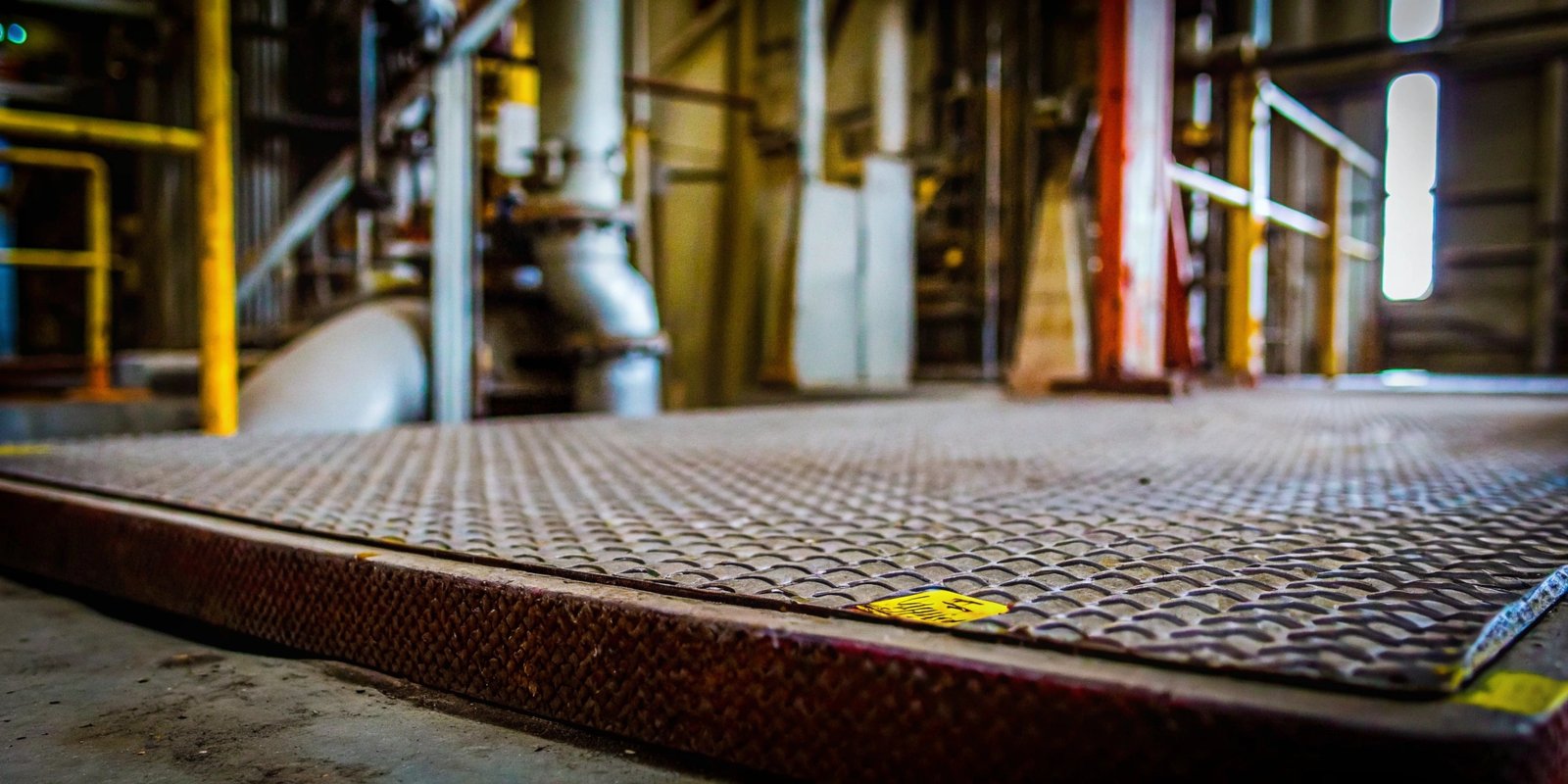
One of our clients, a manufacturer of powdered drink mixes, had their main blending room classified as a Class II, Division 1 hazardous area. This designation meant that combustible dust was expected to be present during normal operation. Their existing floor scales were not rated for this environment. They posed a constant ignition risk. We worked with them to replace these with fully certified explosion-proof floor scales. The new scales not only ensured compliance but also provided the accuracy they needed for large-batch recipes. It's a clear-cut case: if the classification says it's a hazardous location, your equipment must match that rating.
From Raw Ingredients to Cleaning Agents
The need for explosion-proof weighing extends beyond just the primary ingredients. Consider the entire production lifecycle, including additives and cleaning processes.
- Weighing Additives and Ingredients: Many minor ingredients are potent combustible dusts. These include spices, non-dairy creamer, starches, and certain preservatives. When these are weighed and added to mixers, especially in enclosed spaces, the risk is high. Using a small, certified bench scale is critical for this task.
- Flammable Liquids and Flavors: The food industry uses many flammable liquids. Alcohol-based flavor extracts are a prime example. Acetone and isopropanol, sometimes used in processing or for cleaning, are also Class IB flammable liquids. When weighing these liquids or formulation batches containing them, the vapors can create a Class I hazardous environment. You must use equipment designed to operate safely around these vapors.
- Sanitization and Cleaning: Cleaning processes can introduce hazards. Many industrial-strength sanitizers and cleaning agents are alcohol-based or have low flashpoints, making their vapors flammable. If weighing is required in an area shortly after it has been cleaned with these agents, any residual vapor could be ignited by a non-rated scale.
Why Do Food Factories Use Explosion-Proof Scales and Where Are They Needed?
Why invest in specialized scales? Because the cost of an accident is infinitely higher. Food factories use explosion-proof scales to prevent ignition in hazardous areas, protecting personnel, property, and production continuity.
These specialized scales are needed wherever combustible dusts or flammable vapors can accumulate. Key locations include ingredient receiving, raw material storage, dosing and mixing stations, packaging lines, and even quality control labs where samples of volatile substances are weighed.
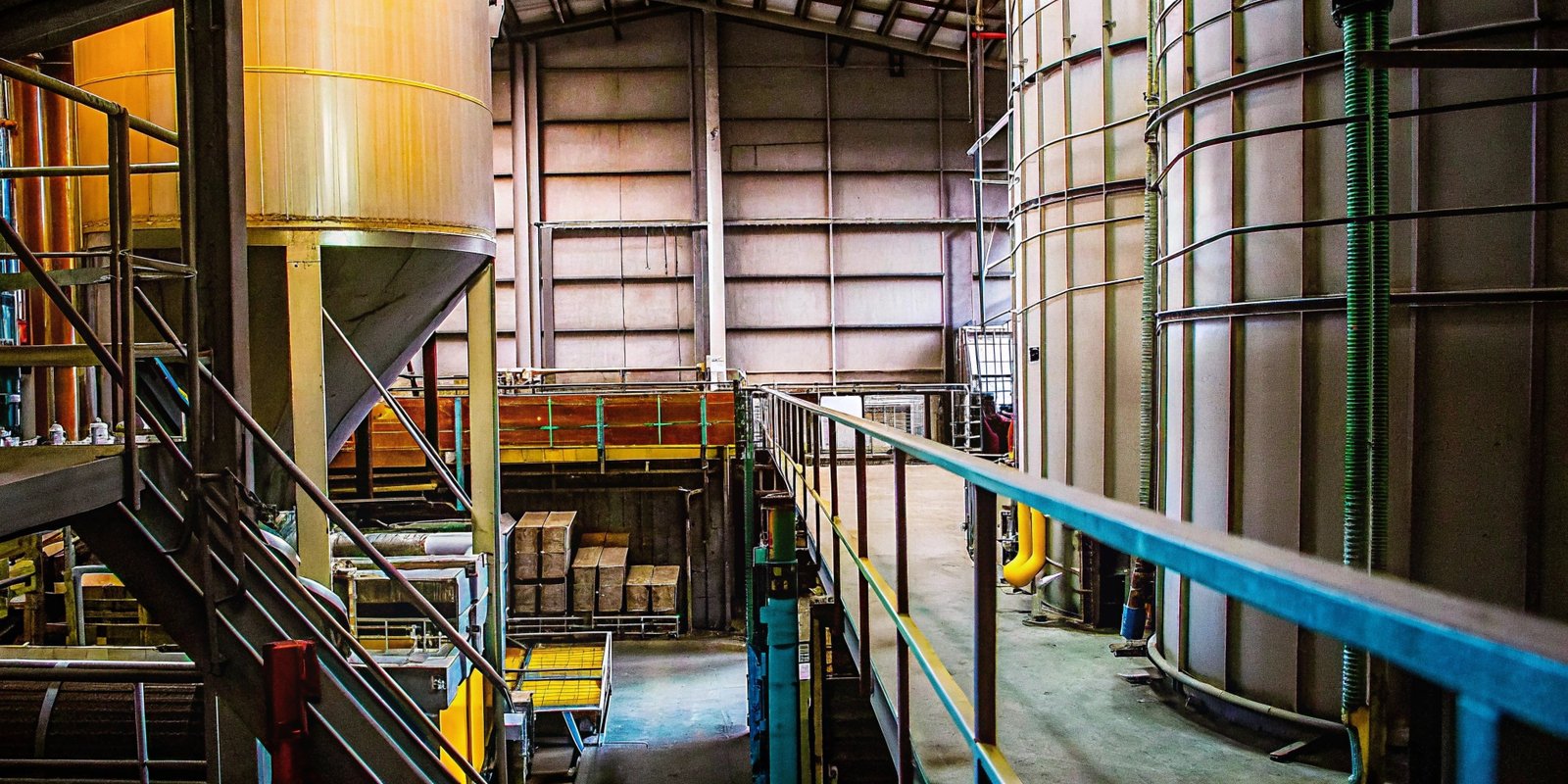
As an OEM/ODM provider for 19 years, we've seen safety standards evolve. Today, there's no excuse for taking risks. Explosion-proof scales are not just a piece of hardware; they are a fundamental part of a facility's safety system. They are engineered specifically to prevent sparks and control surface temperature, directly addressing the "ignition" side of the fire triangle. By containing or preventing any potential ignition source, these scales allow for accurate weighing directly within hazardous zones, streamlining processes and eliminating the unsafe practice of moving materials to a "safe" area for weighing. This enhances both safety and efficiency.
Key Application Areas for Explosion-Proof Scales
Let's pinpoint the specific areas within a food plant where this equipment is most crucial.
- Receiving and Storage Silos: Areas where bulk materials like grains, flour, or sugar are loaded, unloaded, and stored in silos can have high concentrations of dust. Scales integrated into conveying systems or large floor scales used here must be explosion-proof.
- Mixing and Blending Rooms: These are often the most hazardous areas. The act of mixing constantly disperses powders into the air, creating a persistent Class II environment. All scales, from large platform scales for bulk ingredients to smaller bench scales for minor additives, must be certified.
- Packaging Areas: Filling machines that handle powders can release dust into the atmosphere. Checkweighers and other scales used on packaging lines in these zones should be specified for hazardous locations to prevent ignition from the equipment itself.
- Quality Control Laboratories: Labs often handle small but concentrated amounts of various substances, including flammable solvents for testing or potent powders for sample analysis. A precision explosion-proof bench scale is essential for ensuring safety during these sensitive tasks.
By placing the right type of certified scale in each of these high-risk areas, you are actively managing your plant's safety.
Conclusion
In short, identifying areas with combustible dust or flammable vapors is the first step. Equipping these zones with certified explosion-proof scales is the essential second step to ensure workplace safety.
-
"HAZARDOUS AREA GUIDE for ATEX & IECEx (Zones/ ...", https://www.cmlex.com/wp-content/uploads/hazardous-area-guide.pdf. Hazardous-area classification systems use Class/Division terminology in North American electrical codes and Zone terminology in IECEx and ATEX-related frameworks to classify explosive gas, vapor, and dust atmospheres. Evidence role: definition; source type: institution. Supports: Hazardous locations are commonly classified by Class/Division systems under NEC/CEC and by Zone systems under ATEX/IECEx.. Scope note: Jurisdictional details vary by country and code edition, so facility classification should be verified against the applicable local standard. ↩



Comments (0)