
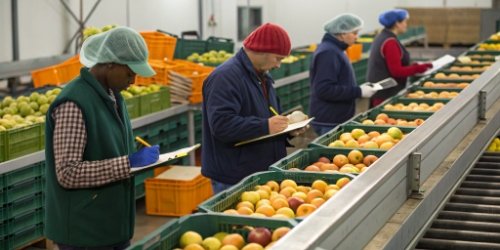
Manual weighing creates bottlenecks. Errors pile up, and profits shrink. There has to be a better, more efficient way to manage your fresh produce packing line.
Absolutely. Manual data entry is a major bottleneck in the fresh produce industry. Replacing it with automated weighing and labeling systems can dramatically increase throughput, reduce costly errors, and provide real-time data, boosting your packing house's overall efficiency and profitability from day one.
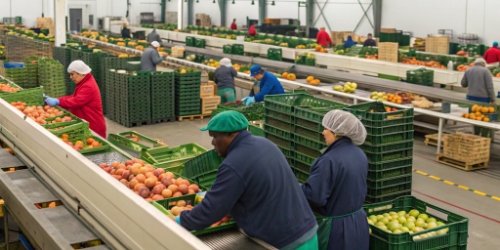
For nearly 20 years, I've walked the floors of countless packing houses. The picture is often the same: dedicated teams working hard, surrounded by fresh produce, but held back by slow, outdated processes. The key to getting ahead isn't just about working harder; it's about working smarter with better tools. Let's look at how you can transform your operation.
How Can Automating Data Entry Speed Up Fruit and Vegetable Packing Processes?
Slow manual processes are costing you valuable time. Every second wasted is a product not shipped. Automating data capture eliminates these small delays, turning slow-moving inventory into rapid turnover.
Automation speeds up packing by instantly capturing weight, generating labels, and sending data to your system. This removes manual keying, reduces wasted worker movement, and allows for simultaneous weighing and packing, increasing your output by up to 40%.
The Small Delays That Cost Big Money
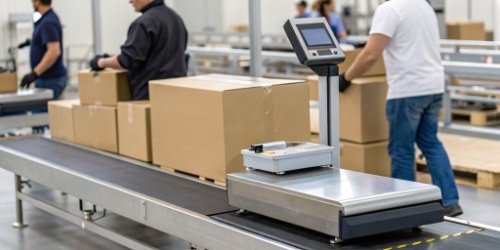
When we analyze a manual workflow, the time lost on individual tasks seems small. A few seconds to write down a weight, a few more to walk to a printer. But when you multiply these seconds by hundreds or thousands of boxes per day, the lost productivity is huge. I've seen it myself. A team of ten workers can lose over an hour of collective production time each day just from these tiny inefficiencies.
From Manual Steps to a Single Action
Automating the process combines several steps into one fluid motion. Instead of packing, walking, weighing, writing, printing, and labeling as separate tasks, a worker can do it all at once.
Here’s a simple breakdown of the time savings:
| Task | Manual Process (Time) | Automated Process (Time) | Impact |
|---|---|---|---|
| Weighing & Recording | 5-8 seconds | 1 second | Instant data capture1 eliminates errors. |
| Label Printing | 3-5 seconds | Instant | No waiting for a separate printer. |
| Label Application | 2-4 seconds | 1-2 seconds | Label is ready at the point of packing. |
| Total Time Per Box | 10-17 seconds | 2-3 seconds | ~80% time reduction per unit. |
This efficiency gain means your existing team can handle more volume without feeling rushed. It directly translates to higher throughput2 and faster order fulfillment, which is crucial during peak harvest seasons.
What Are Alternatives to Manual Data Entry in Produce Packing Facilities?
Relying on pen and paper is risky. A simple mistake can cause shipping errors, and lost slips mean lost data. You need a modern, reliable alternative that secures your data.
Alternatives include mobile smart scales with integrated printers, barcode scanners, and direct integration with your existing management software (ERP/WMS). These tools capture data accurately at the source, eliminating manual entry and creating a seamless flow of information.
Upgrading Your Data Capture Tools
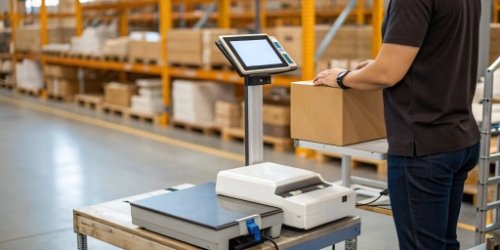
Moving away from manual entry doesn't have to mean a complete overhaul of your facility. It's about introducing smarter tools at key points in your process. For a software vendor, this presents an opportunity to pair your powerful software with reliable hardware.
Mobile Weighing Stations
This is the most flexible solution, especially for facilities that handle a wide variety of produce that can't be standardized on a conveyor line. I'm talking about packing houses that handle everything from heirloom tomatoes to specialty peppers. A mobile cart with an integrated scale, terminal, and printer lets workers weigh and label anywhere. We designed our mobile smart scales3 for exactly this scenario, bringing the weighing station directly to the packing point.
Barcode and QR Code Integration
For operations that already use barcodes, integrating scanners with scales is a logical next step. A worker scans a product or order barcode, places the item on the scale, and the weight is automatically associated with the correct data file. This reduces keying errors and speeds up the identification process.
Direct ERP/WMS Integration
The ultimate goal is a fully connected system. Our modern weighing scales are designed with IoT capabilities. They can communicate directly with your Warehouse Management System or Enterprise Resource Planning software. This means weight, price, and tracking data are sent to your central database in real-time. For a technical director, this ensures data integrity and provides live visibility over the entire operation.
How Does Manual Data Entry Affect Efficiency in Packing Houses?
You suspect your packing line isn't as efficient as it could be. Hidden costs from small errors and delays are eating into your margins. Uncovering these issues is the first step.
Manual data entry directly hurts efficiency by introducing human errors, creating production bottlenecks, and preventing accurate, real-time inventory tracking. These issues lead to rework, shipping delays, customer complaints, and a significant loss of both time and money.
The High Cost of Small Mistakes
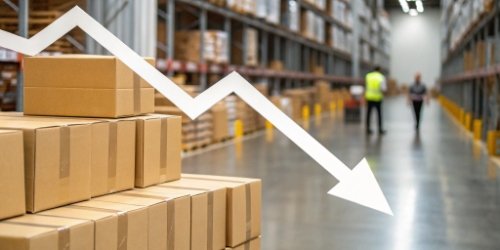
I was visiting a client who packed avocados, and they couldn't figure out why their profits were so inconsistent. We discovered that workers were frequently misreading the scale or writing down the wrong weight. A box labeled 10kg might actually contain 10.5kg. It seems minor, but they were giving away thousands of dollars in free product every month. Manual data entry4 opens the door for these costly mistakes. A
simple transposition of numbers on a shipping label can send a pallet to the wrong destination, leading to spoiled product and an unhappy customer.
The Bottleneck Effect
In any production line, the slowest step determines the maximum speed of the entire operation. In many packing houses I visit, that slowest step is a single stationary scale where workers have to line up. While one worker is weighing and labeling, others are waiting. This creates a bottleneck that idles your workforce and caps your daily output. Removing this chokepoint by providing more efficient weighing solutions5 unlocks the true potential of your team.
Here's how these issues damage your bottom line:
| Issue | Direct Cost | Indirect Cost |
|---|---|---|
| Weight Errors | Product giveaway; undercharging clients. | Damaged customer trust; loss of repeat business. |
| Labeling Errors | Labor for rework; wasted labels & packaging. | Shipping delays; potential compliance fines. |
| Data Lag | Overstocking or stockouts; poor forecasting. | Missed sales opportunities; inefficient cash flow. |
What Solutions Improve Data Entry Efficiency in Produce Packing Operations?
Finding the right solution feels overwhelming. You need a practical, cost-effective tool that works for your unique setup, not a one-size-fits-all approach that might fail you.
The best solutions are both mobile and intelligent. Look for smart weighing scales with built-in printers and software connectivity. These devices allow for weighing, pricing, and labeling in a single, fluid motion right where the packing happens.
The Right Tool for a Diverse Job
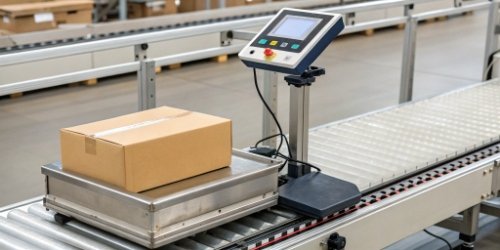
Many produce packing houses can't use a fixed conveyor line because they handle too many different types of fruits and vegetables. One day it's clamshells of berries, the next it's loose sweet potatoes. This is where stationary-only solutions fail. You need flexibility.
Based on this exact challenge, we developed our mobile smart weighing and printing scales. We saw the need for a solution that could move with the workflow. Our system puts an accurate scale, a fast label printer, and a data terminal onto a durable mobile cart. A worker can roll the entire station to wherever they are packing.
A Practical Before-and-After Scenario
Imagine a station for packing organic bell peppers.
- Before: A worker fills a box, walks it 15 feet to the stationary scale, weighs it, scribbles the weight, walks to a desk to type it into a PC, prints the label, walks back to the box, and finally applies the label. This entire process is full of wasted motion and opportunities for error.
- After: The worker packs the box directly on our mobile smart scale. The weight is captured instantly. A label with the weight, price, and barcode prints right there. The worker applies it and starts the next box.
With this simple change, we’ve seen clients increase their weighing and labeling efficiency by 40% and reduce manual labeling errors by an incredible 80%. The process becomes: weigh, print, apply. Done. It cuts out manual errors at the source and provides clean, reliable data for your software systems.
Conclusion
Automating your weighing and labeling process with mobile smart scales stops manual errors, boosts efficiency, and secures your profits. We can help you make that essential upgrade.
-
Effective data capture methods can streamline your operations and reduce errors. ↩
-
Increasing throughput is essential for profitability; explore effective strategies to achieve this. ↩
-
Mobile smart scales can revolutionize your packing process; learn how they can benefit your operations. ↩
-
Learn about the critical role of data entry in maintaining smooth operations and preventing errors. ↩
-
Exploring various weighing solutions can help you find the right fit for your packing needs. ↩


Comments (0)