

Are you exporting food and worried about costly rejections at the border? A single, tiny piece of metal can lead to a full product recall, damaging your brand and your bottom line. You need to understand exactly what Western markets require.
Yes, using metal detection equipment is effectively mandatory for food exporters targeting European and American markets. While not always a direct law, food safety regulations like HACCP and standards from major retailers make metal detection a critical and non-negotiable step for compliance and risk management. It is a key defense for your brand.
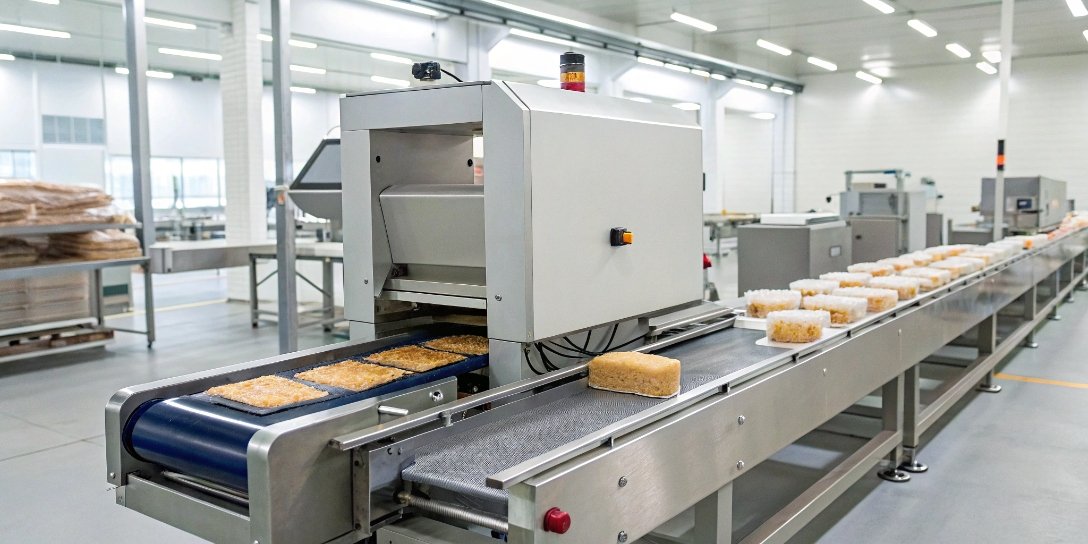
You know this equipment is necessary, but the path to full compliance can seem complicated. You might be asking what these standards really mean for your specific products and how you can be sure you are meeting them. Over my 19 years in this industry, I've seen many companies struggle with these questions. The good news is that with the right approach, it's very manageable. Let’s break it down so you can continue to grow your business with confidence.
What Are the Regulatory Requirements for Metal Detection in Food Exports to Western Markets?
Are you feeling lost in the complex web of international food safety rules? Misunderstanding a key regulation could lead to a shipment being rejected. I'll help you navigate the main requirements for the US and Europe.
The core requirements come from food safety systems like the Hazard Analysis and Critical Control Points (HACCP) principles. In the US, the FDA's Food Safety Modernization Act (FSMA) classifies metal as a physical hazard that must have a preventive control if it's a likely risk. Similarly, EU food law requires food operators to manage physical hazards as part of their HACCP plan.

These regulations mean you must identify, control, and document physical hazards. Since metal is one of the most common physical contaminants found in food, metal detection becomes an essential Critical Control Point (CCP) in your plan. [3, 12, 26] Major retailers also require compliance with Global Food Safety Initiative (GFSI) standards like BRCGS or SQF, which explicitly mandate foreign body detection programs. [2, 8, 23] Below is a simple table to show the similarities.
| Aspect | United States (FDA / USDA) | European Union (EFSA / EU Law) |
|---|---|---|
| Primary Framework | HACCP & FSMA Preventive Controls Rule. [2] | General Food Law & HACCP Principles. [27] |
| Hazard Focus | Metal is a recognized physical hazard. [2, 12] | Physical agents are defined as hazards. [8] |
| Action Level | Objects >7mm are a key concern1, but producers must set their own limits based on risk. [2, 4, 5] | No specific legal size limit; relies on risk assessment and what is reasonably detectable. [5, 13] |
| Documentation | Requires a written food safety plan with validation and verification records. [16] | Requires documented procedures based on HACCP principles. [15] |
Do Exported Foods to Europe and America Require Metal Contamination Screening?
Are you still wondering if your specific product really needs screening? A single recall can cost you dearly, not just in money but also in trust. Let's be clear about why screening is vital for almost all processed foods.
Yes, practically all processed and packaged foods sent to the EU and US need screening. The risk of metal contamination comes from many sources in a factory, like worn-out machinery parts, broken sieves, or even small items dropped by accident. Because of this, screening is not just a regulatory hurdle; it's a fundamental part of due diligence to protect consumers and your brand.
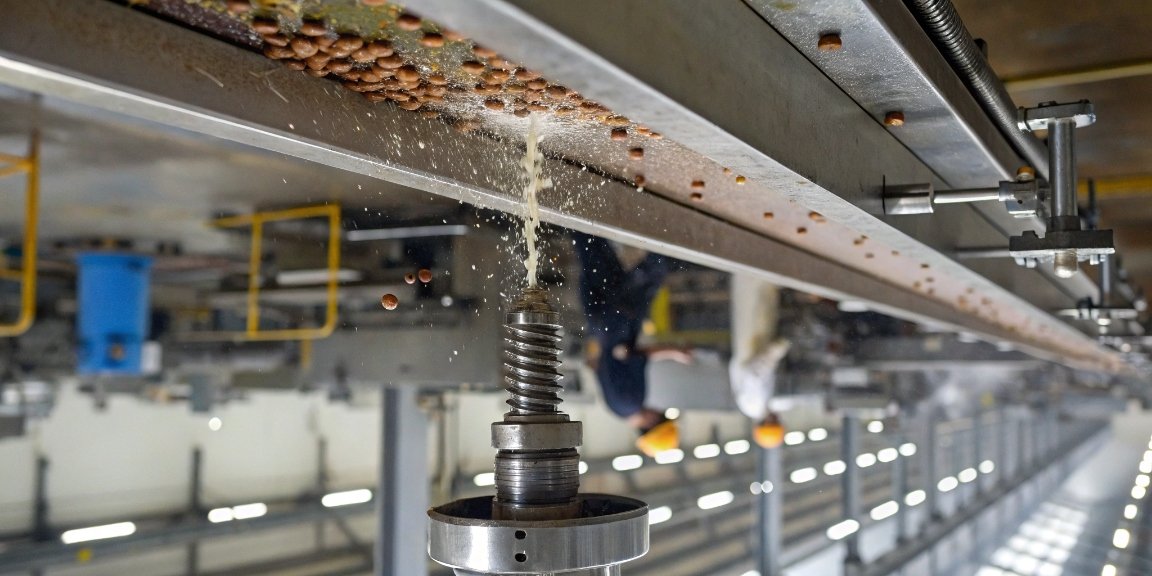
I remember a client who produced baked goods. They believed their process was clean and low-risk. However, a small screw came loose from a mixing machine and ended up in a batch of products. Luckily, their end-of-line metal detector caught it before shipment. That single catch saved them from a massive recall and potential lawsuits. This story isn't unique. Contamination can happen unexpectedly, making screening essential. The risk is present across many food types, from ground meats and powders to snack foods and ready-to-eat meals, because they all go through mechanical processing. [19] The equipment must be sensitive enough to detect different types of metal, including ferrous metals, non-ferrous metals, and the most difficult to find, stainless steel. [2, 25]
How Can Manufacturers Ensure Compliance with Metal Detection Standards for Food Exports?
Are you worried your current system might not be fully compliant? Setting up a system that meets these standards can feel technical and complex. Let me walk you through the steps to build a reliable program.
To ensure compliance, you must implement a validated metal detection program. This involves selecting the right equipment, defining clear limits, performing regular testing with certified pieces, and keeping detailed records of everything. Operator training is also a critical piece of the puzzle. This creates a system that is effective and easy to prove during an audit.

As a company that has specialized in industrial weighing and inspection for 19 years, we help our clients build these programs from the ground up. The goal is a system that works reliably every day. Here are the core steps:
1. Choose the Right Machine
Your choice of metal detector depends on your product, packaging, and production environment. For example, wet or salty products can create a "product effect" that interferes with detection, so you need a machine that can compensate for that. [16] The aperture size must fit your product, but smaller apertures generally offer higher sensitivity.
2. Establish a HACCP Plan
Metal detection should be formally identified as a Critical Control Point (CCP) in your HACCP food safety plan. [6, 18] You must set "critical limits," which are the maximum size of metal particles (e.g., 1.5mm Ferrous, 2.0mm Non-Ferrous) your system must be able to detect and reject. [24]
3. Implement Routine Testing and Verification
Your system is only reliable if you test it. Regular checks confirm it is working correctly. This is done using certified test pieces of different metal types and sizes.
| Test Frequency | Action Required | Record Keeping |
|---|---|---|
| Start of Shift | Pass all test pieces (Ferrous, Non-Ferrous, Stainless Steel) through the detector. | Log results in the daily CCP record. |
| Hourly | Repeat the test with all test pieces. | Log results. [17] |
| Product Changeover | Repeat the test to ensure settings are correct for the new product. | Log results. |
| After a Rejection | Test the system to confirm it is still functioning correctly. | Document the rejection and the follow-up test. |
4. Keep Detailed Records
Documentation is proof of your due diligence. [15] For every test, rejection, and maintenance activity, you need a record. For a technical director or purchasing manager, this data is invaluable. Modern systems can log this information automatically, providing traceable data for audits and continuous improvement. [15, 16]
Conclusion
In short, metal detection is a fundamental requirement for exporting food to Western markets. It is not just about following rules; it’s a critical investment in consumer safety, brand protection, and long-term business success.
-
"CPG Sec. 555.425 Foods, Adulteration Involving hard or ...", https://www.fda.gov/media/71953/download. FDA compliance guidance on hard or sharp foreign objects has historically identified objects measuring 7 mm to 25 mm as capable of causing injury in ordinary consumers, while noting special-risk populations may be vulnerable to smaller objects. Evidence role: definition; source type: government. Supports: Objects larger than 7 mm are a key food-safety concern in U.S. guidance on hard or sharp foreign objects.. Scope note: This threshold is an enforcement and health-hazard guidance reference, not a universal legal limit for all products or markets. ↩



Comments (0)