
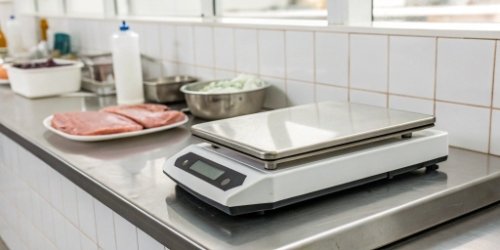
Worried about cross-contamination in your butchery? Unhygienic scales can harbor bacteria, risking product safety and your reputation. The right design features are your first line of defense against this.
Look for butchery scales made from food-grade stainless steel with a high IP rating for water resistance. Essential features include smooth, crevice-free surfaces, sealed load cells, and easily removable platters. These elements prevent bacteria buildup and ensure your weighing process meets strict food safety standards.
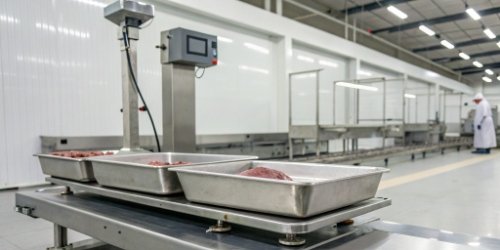
You now know the basics. But the details are what truly separate a good scale from a great one. Let's explore the specific elements that make a real difference in keeping your operations clean and compliant. Understanding these will help you make a smarter purchase for your business.
Which Hygienic Design Elements Are Essential for Butchery Scales?
Choosing a scale feels overwhelming with so many options available. Picking the wrong one means constant cleaning struggles and potential compliance failures. Knowing the essential elements simplifies your decision and guarantees a hygienic workspace.
The most essential elements are food-grade stainless steel construction (like 304 or 316), a high IP rating (IP67 or IP68) for washdown capability, and smooth, non-porous surfaces. Sealed indicators and load cells are also critical to prevent moisture and debris from getting inside.
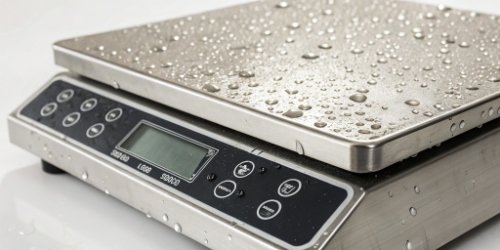
Based on my 19 years of experience in manufacturing industrial scales, I’ve seen what works and what doesn't in a demanding butchery environment. The right materials and construction are not just features; they are necessities for food safety and long-term performance1. Let’s break down these core components so you can see why they matter so much.
Breaking Down the Core Components
The choice of material is your first checkpoint. Food-grade stainless steel is the industry standard. Type 304 is great for general use, but for environments with harsher cleaning agents or saltwater, Type 316 offers superior corrosion resistance2. Next, look at the IP (Ingress Protection) rating. This two-digit number tells you how well the scale is sealed against solids and liquids. For a butchery, you need a scale that can handle daily high-pressure washdowns3.
| Feature | Why It's Essential | Recommended Specification |
|---|---|---|
| Material | Resists corrosion from blood and cleaning chemicals. | Food-Grade Stainless Steel (304 or 316) |
| IP Rating | Ensures electronics are safe from water damage. | IP67 (submersible) or IP68 (continuous immersion) |
| Surface Finish | Prevents bacteria from sticking and growing. | Smooth, polished, free of pits or cracks |
| Load Cells | Protects the core weighing mechanism from moisture. | Hermetically sealed stainless steel load cells |
A scale with these specifications is built to withstand the realities of meat processing, ensuring it remains accurate, safe, and easy to clean for years.
How Can Proper Scale Design Prevent Contamination in Meat Processing?
Bacteria can hide in the smallest cracks on your equipment. This invisible threat can lead to spoiled products, recalls, and a damaged brand reputation. A thoughtfully designed scale eliminates hiding spots for bacteria, actively protecting your products.
Proper design prevents contamination by eliminating crevices where bacteria and meat residues can accumulate. Features like rounded corners, smooth welds, and sealed components deny bacteria a place to hide. This makes cleaning faster, more effective, and ensures total sanitation between uses.
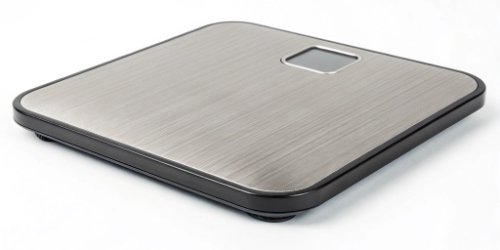
When we design our scales, we think like bacteria. Where would we hide? The answer is usually in sharp corners, threaded bolts, and tiny gaps between parts. By designing these weak points out of the equipment, we create a much safer and more hygienic tool for your facility. It's a proactive approach to food safety that starts right on the production floor.
Designing Out the Hiding Spots
The goal of hygienic design4 is to create a surface that is easy to see, reach, and clean. This means avoiding designs with multiple pieces bolted together, as the joints create perfect harborage points for contaminants. Instead, look for scales with a seamless, welded construction. The welds should be polished smooth so there are no microscopic valleys for food particles to get trapped in.Rounded corners are another simple but critical feature. They allow cleaning cloths and water jets to sanitize the entire surface effectively, leaving no spot untouched.
Through our work with slaughterhouses, we identified a major cleaning challenge: heavy floor scales. It's almost impossible to clean the floor underneath them without heavy lifting equipment. This area becomes a serious contamination risk. To solve this, we developed a special floor scale with a gas-spring assisted, openable frame. An operator can easily and safely lift the top platform, giving them full access to clean the internal components and the floor below. This simple innovation has transformed the sanitation process for many of our clients.
What Makes a Butchery Scale Easy to Clean and Maintain?
Cleaning equipment takes valuable time away from production. Difficult-to-clean scales mean more downtime, higher labor costs, and lingering contamination risks. Scales designed for easy cleaning streamline your sanitation process and save you money.
A butchery scale is easy to clean if it has a removable platter, an IP68 waterproof rating for high-pressure washing, and a simple, open-frame design. Minimal hardware and quick-release components allow your team to disassemble, clean, and reassemble the scale in minutes.
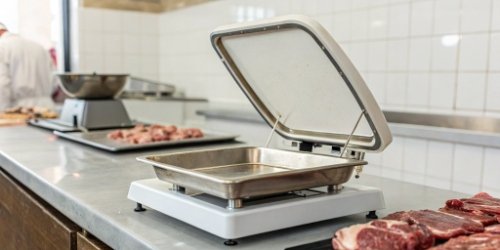
The easier a piece of equipment is to clean, the more likely your team will clean it properly every single time. Complicated procedures lead to shortcuts and mistakes. That’s why we focus on user-friendly designs that make sanitation less of a chore and more of a routine. A scale that can be cleaned in five minutes instead of fifteen adds up to significant labor savings over its lifetime.
Streamlining Your Sanitation Protocol
An effective sanitation protocol5 depends on equipment that supports it. A removable stainless steel platter is the first feature to look for. It can be taken off and washed separately in a sink, ensuring a thorough clean. The scale frame itself should be open and accessible. There should be no hidden compartments or enclosed areas where moisture and debris can get trapped. A high IP rating6 is non-negotiable, as it gives your team the confidence to use high-pressure, hot water sprays to blast away contaminants without fear of damaging the electronics.
Our openable floor scale design is a perfect example of streamlining this process. Instead of needing a two-person team to struggle with a heavy scale, one person can lift the platform. This not only makes cleaning easier and faster but also safer. It eliminates the need for complex lifting procedures and reduces the risk of injury. Easy maintenance is also key; a simple design with fewer parts means fewer things can go wrong and repairs are quicker, minimizing downtime.
How Do Hygienic Features Enhance the Safety and Durability of Butchery Scales?
Butchery environments are tough on equipment, with constant moisture and corrosive agents. A weak scale will fail quickly, causing operational delays and replacement costs. Hygienic features inherently make a scale more robust and long-lasting.
Hygienic features directly boost durability. Food-grade stainless steel resists corrosion from water, blood, and cleaning chemicals. Hermetically sealed load cells and IP-rated enclosures protect sensitive electronics from moisture damage, ensuring long-term accuracy and a safer operational lifespan.
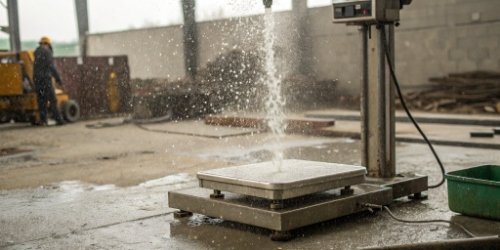
I've always believed that a safe scale is a durable scale, and vice versa. When you build a piece of equipment to withstand constant washing with harsh chemicals, you are also building it to last. The features that prevent bacteria from growing are the same features that protect the scale from its environment. This dual benefit means investing in a hygienic scale isn't an expense; it's an investment in reliable, long-term performance.
Built to Last in Harsh Environments
The connection between hygiene and durability7 is simple: protection. The same 304 or 316 stainless steel that creates a non-porous, easy-to-clean service also provides excellent protection against rust and corrosion. This is crucial in a butchery where contact with water, salt, and acidic substances is constant. The hermetic sealing on load cells and IP68-rated indicators do more than just keep water out during cleaning. They protect the delicate internal electronics from the ambient humidity and temperature fluctuations common in meat processing facilities.
This robust construction leads directly to a longer lifespan and a better return on your investment. A well-built, hygienic scale will maintain its accuracy for longer, require fewer service calls, and reduce unexpected downtime. At Weigherps, we stand by this principle. Every scale we ship undergoes comprehensive testing in our quality inspection8 department, and we back it with a 12-month after-sales service guarantee. Durability isn't an accident; it's a result of deliberate, hygienic design.
Conclusion
Investing in a butchery scale with proper hygienic design is not just about compliance. It’s a core investment in your product safety, operational efficiency, and long-term business success.
-
Understand the key factors that ensure the long-term performance of your scales. ↩
-
Learn about materials that provide superior corrosion resistance in food environments. ↩
-
Discover the best equipment options for effective cleaning in butchery settings. ↩
-
Explore the principles of hygienic design to enhance food safety in your operations. ↩
-
Find out how to establish effective sanitation protocols to ensure food safety. ↩
-
Understanding IP ratings helps ensure your equipment is suitable for harsh environments. ↩
-
Discover the connection between hygienic design and the longevity of food equipment. ↩
-
Explore how quality inspection ensures the safety and reliability of food equipment. ↩



Comments (0)