
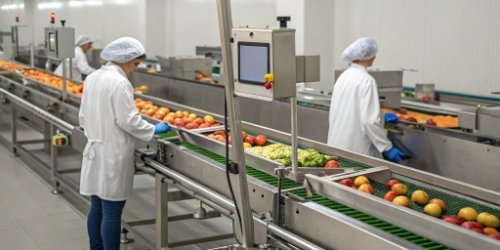
Are you tired of the complex paperwork and constant stress of food traceability? A single mistake can lead to costly recalls. A smart weighing system simplifies this entire process for you.
A smart weighing system simplifies compliance by automatically capturing precise weight data at each production stage. It links this data to batch numbers and ingredients, creating an accurate, real-time digital record. This makes audits and mock recalls faster and more reliable.
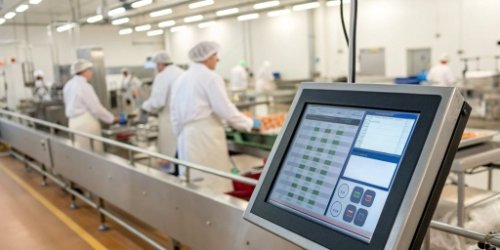
I've spent nearly two decades in the industrial weighing industry, and I've seen firsthand how companies struggle to keep up with food safety regulations1. The pressure is immense, and the old way of doing things with paper logs and manual data entry2 just doesn't cut it anymore. It’s not just inefficient; it’s a huge risk to your business. But I've also seen the incredible transformation when a company adopts a smart, integrated approach. Let's explore how these systems can make your life so much easier.
What Role Does a Smart Weighing System Play in Streamlining Food Traceability?
Is your team drowning in manual data entry that’s slow and prone to errors? These small mistakes can completely compromise your traceability chain. Smart weighing systems eliminate this risk entirely.
A smart weighing system acts as the central hub for your traceability data. It accurately records every weight and integrates it with your existing ERP or MES systems. This centralizes information, removes manual entry errors, and ensures data consistency from start to finish.
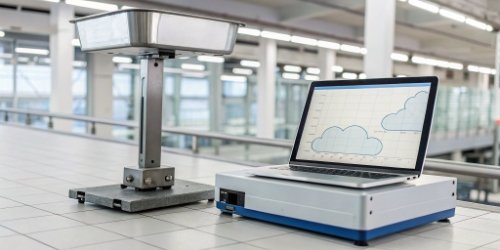
A smart weighing system3 is more than just a scale; it's the foundation of your entire traceability program. We see it as the single source of truth for all your production data. Without accurate data at the very beginning of the process, everything that follows is unreliable.
Data Accuracy as the Starting Point
First, the system captures precise weight measurements for every raw material and ingredient. This is the most basic but most critical step. Human error in manual weighing can lead to inconsistent batches and incorrect documentation. Our systems ensure that every measurement is accurate and digitally recorded, leaving no room for guesswork. This forms an accurate baseline for all subsequent tracking.
The Central Hub for Information
The real power comes from integration. Our systems don't work in isolation. They are designed to communicate seamlessly with your other business software.
| Feature | Manual Process | Smart Weighing System |
|---|---|---|
| Data Entry | Operator writes weight on a paper log | Weight is sent automatically to the database |
| Batch Linking | Manually associating lot numbers with batches | Barcode scanner links material to the batch |
| Error Checking | Relies on supervisor double-checks | System flags out-of-tolerance weights instantly |
| Accessibility | Data stored in physical binders | Data is accessible instantly from any terminal |
As a manufacturer, we understand that every industry is different. That's why we don't believe in a one-size-fits-all solution. For one client in the spice industry, we developed custom software4 to handle micro-dosing with extreme precision. For another in seafood processing, the software was tailored to track catch origin and temperature alongside weight. Our standard software is a great starting point, but our real strength is customizing it to meet your specific traceability needs.
How Can Advanced Weighing Technology Enhance Compliance with Food Safety Regulations?
Are you worried about keeping up with strict and changing food safety regulations? Falling out of compliance can lead to heavy fines, forced shutdowns, and damage to your brand's reputation.
Advanced weighing technology helps you meet compliance by creating a perfect, timestamped digital audit trail. It automatically verifies ingredient portions against recipes and flags any mistakes in real-time. This proactive approach stops errors before they become major compliance problems.
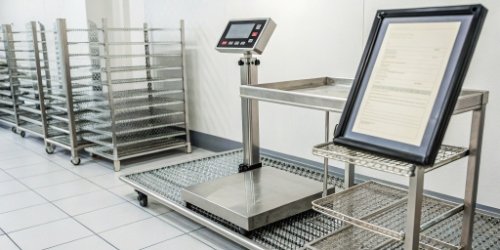
Compliance isn't just about having records; it's about proving your process is under control. I remember visiting a client in the baked goods sector. They were constantly fighting with batch-to-batch inconsistency, which led to a lot of wasted product and stressful audits5. Their paper records were a mess. After we installed an integrated smart weighing system, everything changed. The system enforced their recipes perfectly. Operators couldn't proceed if they used the wrong ingredient or an incorrect amount.
Creating an Ironclad Audit Trail
The best part for them was the audit trail6. Every single action—every tare, every weighment, every lot number scan—was recorded automatically. It was linked to the specific operator, workstation, and time. When their next auditor came, what used to be a week-long scramble to find papers turned into a 30-minute session of pulling up digital reports. It was a game-changer. This is what modern regulations like the FDA's Food Safety Modernization Act (FSMA) demand: verifiable proof of process control.
Proactive Controls, Not Reactive Fixes
Traditional methods are reactive. You find a mistake after the batch is already ruined. A smart system is proactive. It can be programmed with your recipes and tolerances.
- Wrong Ingredient? The system won't let the operator continue. A barcode scan confirms it's the right material before weighing.
- Wrong Amount? If the weight is outside the acceptable range, the screen will turn red and an alert will sound. The process is halted until it's corrected.
This automated enforcement doesn't just improve compliance7; it boosts quality and reduces waste. For that baking client, they cut their ingredient waste by over 15% in the first six months. They weren't just compliant; they were more profitable.
How Does a Smart Weighing System Improve Tracking and Documentation Processes?
Is your team buried in paper logs and binders? When a recall is necessary, searching through that mountain of paper for one specific record is a logistical nightmare. It's slow and unreliable.
A smart weighing system completely digitizes your tracking and documentation. It connects weight data to barcodes or RFID tags for every item. This eliminates paper forever and creates a searchable electronic database, allowing for instant and accurate mock recalls and reporting.
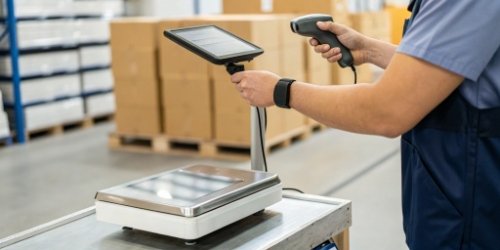
The move from paper to digital is one of the biggest leaps in efficiency I've seen in my career. For so long, the "weigh and record" process meant a scale, a clipboard, and a pen. It was a system built on trust and diligence, but it was also full of potential failure points. A smudged number, a misplaced decimal, or a lost sheet of paper could break the entire traceability chain.
From Vulnerable Paper to a Robust Digital Record
A smart system fundamentally changes this. The moment an item is weighed, that data is captured digitally. When an operator scans the barcode on a bag of raw materials, that lot number is instantly and permanently linked to the weight reading. This information flows through the entire production process.
| Step | Manual Documentation | Smart System Documentation |
|---|---|---|
| Receiving | Write lot number and weight on a receiving form. | Scan pallet barcode, weight is captured automatically. |
| Production | Operator writes down how much of each lot was used. | System records exact weight drawn from each lot number. |
| Packaging | Write the batch number on the final product box log. | System prints a label with all traceability data. |
| Recall | Manually searching through all logs to trace a lot. | Search batch number, get a full history in seconds. |
The Power of Instant Recall
This leads to the most important benefit: the ability to perform a recall in minutes, not days. Imagine a supplier tells you a specific lot of an ingredient is contaminated. With a paper system, you’d have to manually search every production record to see where that lot was used. With a smart system, you type the lot number into a search bar. The system instantly shows you every single batch of finished product that contains that ingredient. You can isolate the affected products immediately, protecting consumers and your brand. We design our custom software to make this process incredibly simple and intuitive because we know that in a recall situation, every second counts.
What Features of Smart Weighing Systems Support Efficient Food Traceability Management?
Do you feel overwhelmed by all the technology choices out there? You might invest in a system only to find it doesn't solve your most pressing traceability problems. It's better to start by understanding the key features.
The most important features are real-time data capture, barcode/RFID integration, recipe management, and powerful reporting tools. These functions work in harmony to automate collection, control processes, and give you the instant access to information needed for traceability.
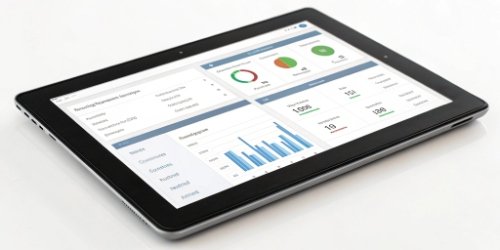
When we work with clients, we don't just talk about scales. We talk about solutions. As a manufacturer with 19 years of OEM/ODM experience, we've learned that the hardware is only one piece of the puzzle. The software and its features are what truly bring a traceability system to life. Here are the core features we believe are non-negotiable for effective food traceability8.
Key Traceability Features
- Real-Time Data Capture & Integration: The system must capture weight data instantly and send it directly to a central database or your ERP system. This eliminates manual entry and ensures the data you're seeing is always current. We build our systems with flexible connectivity options to fit into your existing IT infrastructure.
- Barcode and RFID Scanning: This is what links the physical product to its digital record9. Operators should be able to scan an ingredient's barcode to automatically pull up its lot number, expiration date, and other critical information. This drastically reduces human error.
- Recipe Management and Enforcement: The system should store your approved recipes. During production, it guides the operator, ensuring they use the right ingredients in the correct quantities. It physically prevents them from moving to the next step until the current one is completed perfectly within tolerance.
- Comprehensive Reporting: You need to be able to generate reports with a single click. This includes full forward and backward traceability reports, material usage reports, and production yield reports10. During an audit, this feature alone can save you hundreds of hours of work.
Because we develop our own software, we can build custom features to solve unique challenges. Some clients need allergen tracking11 integrated into their system. Others need special reports for organic certification. We provide a solution that is tailored to your specific market needs, ensuring you get exactly what you need to manage traceability efficiently.
Conclusion
Smart weighing systems are not just about accurate weights. They are the core of modern food traceability, simplifying your compliance, reducing your risk, and ultimately protecting your brand's reputation.
-
Stay informed about essential food safety regulations to ensure compliance and protect your brand. ↩
-
Learn about the pitfalls of manual data entry and how to mitigate them. ↩
-
Explore how smart weighing systems can revolutionize your food traceability process and enhance compliance. ↩
-
Explore how custom software solutions can address unique challenges in food traceability. ↩
-
Get insights on how to prepare for audits effectively and ensure compliance. ↩
-
Find out how an audit trail can provide verifiable proof of process control. ↩
-
Discover effective strategies for maintaining compliance with ever-changing food safety regulations. ↩
-
Learn about the critical role of food traceability in ensuring safety and quality in food production. ↩
-
Understand how digital records can streamline processes and improve accuracy in food production. ↩
-
Understand the importance of production yield reports in optimizing food production. ↩
-
Learn about the importance of allergen tracking for food safety and compliance. ↩



Comments (0)