
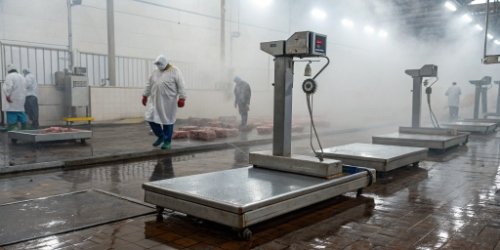
Struggling with scales failing in your slaughterhouse? The constant moisture and cold can damage equipment. This leads to inaccurate weights and costly downtime. We understand this challenge very well.
Yes, our industrial scales are specifically designed for these conditions. We use IP-rated waterproof materials, low-temperature-resistant sensors, and advanced temperature compensation software. This ensures they remain accurate and reliable, no matter how cold or wet it gets on your production floor.
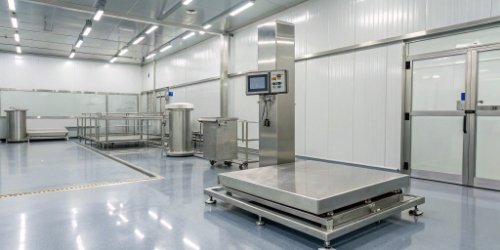
You are probably wondering what specific features make this possible. It is not just about using stainless steel. The real solution lies in the combination of specialized hardware and intelligent software working together. This synergy creates a scale that thrives in the toughest conditions. Let's explore how these components come together to ensure your operations run smoothly without interruption.
What Features Allow Scales to Function Reliably in Cold and Humid Conditions?
Are you tired of frequent scale repairs and replacements? The cold and humidity in your facility are a constant battle. They cause electronic components to fail. We have developed a solution for this.
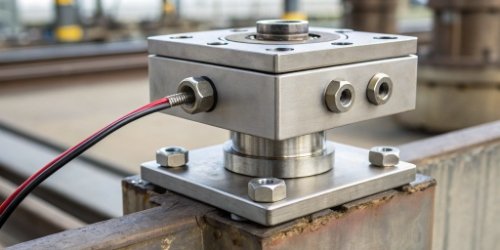
Reliable function comes from several key features. A high IP rating, like IP68 or IP69K, provides critical waterproofing. Using materials like 304 or 316 stainless steel prevents corrosion. Finally, hermetically sealed load cells protect the sensitive electronics from moisture damage.
Let's dive deeper into what these features mean for your day-to-day operations. It is one thing to say a scale is "tough," but it is another to understand the engineering behind that claim. The details are what separate a scale that lasts a few months from one that provides years of reliable service. I remember a client in the meat processing industry who was replacing their floor scales every six months. The cost and downtime were becoming a major problem. After we broke down these features for them, they understood the value of investing in the right technology.
The Importance of High IP Ratings
An IP (Ingress Protection) rating is a standard that tells you how well a device is protected against solids and liquids. For a slaughterhouse, this is not just a nice-to-have; it is essential.
| IP Rating | Protection Against Water | Ideal Use Case |
|---|---|---|
| IP67 | Submersion up to 1 meter | General wet environments |
| IP68 | Continuous submersion | Areas with constant water exposure |
| IP69K | High-pressure, high-temperature water jets | Food processing with intense washdowns |
Most slaughterhouses use high-pressure hoses for cleaning. An IP69K rating ensures that your scale can withstand these aggressive cleaning procedures without letting a single drop of water inside.
Choosing the Right Material and Seal
We primarily use 304 and 316 stainless steel. Both are excellent, but 316 offers superior resistance to corrosion from salts and harsh cleaning chemicals. The real key, however, is the load cell. We use hermetically sealed load cells1. This means they are welded completely shut, creating a perfect barrier against moisture. This is a significant step up from simply "environmentally sealed" cells, which can fail over time due to condensation.
How Do Scales Perform in Extreme Temperatures and Moisture-Rich Environments?
Do you worry that temperature swings are throwing off your weight readings? Condensation and freezing temperatures can cause drift and inaccuracy. This directly affects your bottom line and product consistency.
Scales designed for these conditions maintain consistent performance. They resist condensation on internal electronics and use components rated for low temperatures. This combination ensures stable and accurate readings, preventing the errors commonly seen in standard scales exposed to cold and moisture.
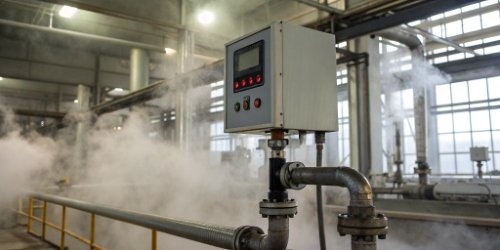
Performance in extreme conditions is not an accident; it is a result of intentional design. We tackle this challenge from two angles: the physical hardware and the internal software. A few years ago, we worked with a seafood processor where the temperature in their facility would drop significantly when the freezers were opened. Their old scales would give wildly different readings for the same box of fish. This is the exact problem our dual hardware-software approach is designed to solve.
Hardware Built for the Cold
First, we select every component based on its ability to function in the cold. Standard electronic parts can become brittle or lose conductivity at low temperatures. We use sensors, displays, and internal wiring that are specifically rated for operation down to -10°C (14°F) or even lower. This ensures the physical components of the scale continue to work correctly, providing a stable signal even when the environment is freezing.
The Software Solution: Temperature Compensation
This is where our technology really stands out. We know that even the most robust hardware can experience tiny physical changes due to temperature shifts. Our scale's software includes a temperature compensation mechanism. An internal sensor monitors the load cell's temperature in real-time. If it detects a change, the software applies a pre-calculated correction algorithm to the weight signal. This dynamic adjustment is what maintains accuracy.
| Ambient Temp | Raw Sensor Reading | Software Correction | Final Accurate Weight |
|---|---|---|---|
| 10°C | 100.0 kg | +0.0 kg | 100.0 kg |
| 0°C | 99.8 kg | +0.2 kg | 100.0 kg |
| -10°C | 99.6 kg | +0.4 kg | 100.0 kg |
This ensures the weight you see on the display is the true weight, always.
What Makes a Scale Suitable for Use in Slaughterhouses?
Finding a scale that meets all slaughterhouse demands is tough. You need durability, hygiene, and accuracy. Many scales only offer one or two of these. This compromise can hurt your operations.
A scale is suitable for slaughterhouses when it combines robust, waterproof construction (IP68/IP69K) with a hygienic design that is easy to clean. It must also provide fast, stable readings for efficient workflow and integrate with data management systems for traceability.
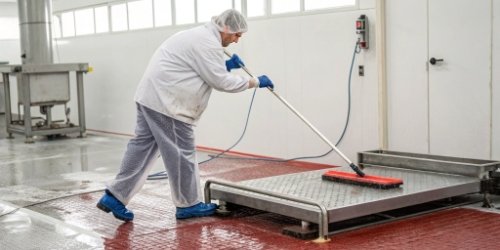
A slaughterhouse is one of the most demanding environments for any piece of equipment. It is not just about being waterproof and cold-resistant. The scale becomes part of a larger production and safety system. It needs to be designed with the entire workflow in mind, from the moment a carcass is weighed to the final data log. We have spent years working with clients in this industry to perfect a design that addresses every critical need.
Hygienic Design is Non-Negotiable
In food processing2, cleanliness is paramount. A scale cannot have cracks, crevices, or hard-to-reach areas where bacteria can grow. Our scales feature smooth, polished stainless steel surfaces and an open-frame design where possible. This allows for easy and thorough cleaning, helping you meet strict food safety standards and regulations. The entire construction is made to withstand the harsh chemical cleaning agents3 used daily.
Durability for High Throughput
Slaughterhouse operations are fast-paced and continuous. Scales must endure heavy loads4, shock loading from products being dropped onto the platform, and constant use. We build our scales with reinforced frames and integrated overload protection5. This prevents damage to the sensitive load cells and ensures the scale has a long operational life, even under constant strain.
Seamless Data Integration
For my clients who are software vendors, this is the most critical part. Modern traceability requires data. Our scales are built to communicate. They come with standard connectivity options like RS232 or Ethernet ports. This allows for easy integration with your software systems. You can capture weight data automatically, reduce manual entry errors, and provide your customers with a complete traceability solution6 from start to finish.
How Can Scales Maintain Accuracy in Challenging Slaughterhouse Environments?
Is inaccurate weighing costing you money? In a slaughterhouse, even small, consistent errors add up to significant profit loss over time. This constant worry about accuracy is a real problem.
Accuracy is maintained through a combination of high-quality, temperature-resistant load cells, advanced software for temperature compensation, and a robust physical design. Regular calibration and a stable construction that resists vibration also play a crucial role in delivering consistently precise measurements.
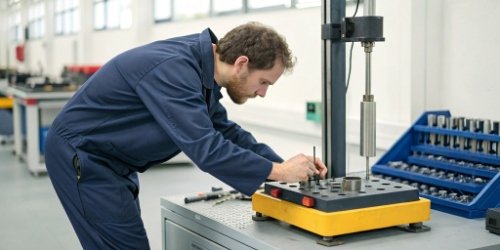
Maintaining accuracy is not a one-time setup; it is a continuous process. It is about building a system where every component works together to fight against the disruptive forces of a slaughterhouse environment. From the ground up, our scales are engineered to protect the integrity of every measurement. Think of it as a three-layer defense system for your weighing data.
The Core: High-Quality Load Cells
Everything starts with the load cell. It is the heart of the scale. We source and use load cells specifically designed to resist thermal drift. This means they are inherently more stable across a wide range of temperatures. A low-quality load cell will stretch and contract inconsistently as the temperature changes, giving you a different reading for the same weight in the morning than in the afternoon. Using a superior load cell is the first and most important step.
Smart Software for Real-World Conditions
As I explained earlier, temperature is the biggest enemy of accuracy. Our software's temperature compensation is the second layer of defense. It acts as a final guarantee of accuracy. Even if the best load cell has a minuscule fluctuation, our software catches it and corrects it instantly. This is a premium feature that turns a good scale into a precision instrument you can trust in any condition. It is what ensures a 100 kg weight reads as 100 kg, not 99.7 kg.
Designing for Stability
The third layer is the physical design. A busy plant has vibrations from machinery and conveyors. These vibrations can travel through the floor and make the scale's reading unstable. Our scales are built with heavy-duty, adjustable feet that help dampen these vibrations. Additionally, our software has adjustable filtering settings. These settings can be tuned to ignore the "noise" from vibrations, providing a quick, stable, and accurate weight reading every time.
Conclusion
Our scales are built specifically for slaughterhouses. With waterproof design, temperature-resistant parts, and smart software, they guarantee reliable and accurate performance in the toughest conditions, protecting your operations and profits.
-
Discover how hermetically sealed load cells protect against moisture and enhance scale reliability. ↩
-
Explore the unique challenges faced in food processing and how specialized equipment can help. ↩
-
Learn about safe cleaning agents that maintain hygiene without damaging sensitive equipment. ↩
-
Discover the engineering behind scales that can withstand heavy loads and continuous use. ↩
-
Find out how overload protection features enhance the longevity and reliability of scales. ↩
-
Discover comprehensive traceability solutions that improve operational efficiency and compliance. ↩



Comments (0)