
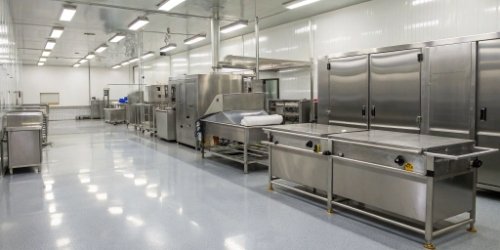
Worried about costly product recalls from contamination? Bacteria can hide in tiny cracks in your equipment. A full stainless steel design provides a solid, easy-to-clean surface that is crucial for safety.
A full stainless steel construction is non-negotiable for food safety because its non-porous, corrosion-resistant surface prevents bacterial growth. It's also durable and easy to clean, ensuring it meets strict hygiene standards required in food processing environments and protecting consumers from contamination.
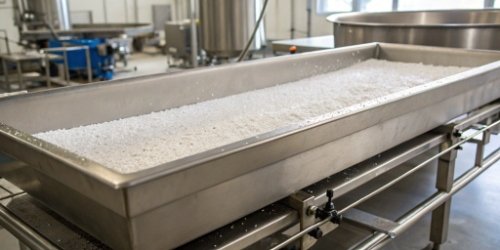
That's the short answer. But the full story involves specific material properties, hygiene standards1, and even regulatory compliance2. Let's explore why this material choice is so critical to your operation's success. It's a decision that protects your brand, your customers, and your bottom line.
How Does Full Stainless Steel Construction Ensure Food Safety Standards?
Struggling to meet strict food safety audits? Your equipment's material might be the weak link, harboring pathogens. Full stainless steel provides a smooth, non-porous surface that simplifies cleaning and sanitization.
Full stainless steel ensures food safety standards by providing a non-porous surface where bacteria, viruses, and molds cannot find places to grow. Its corrosion resistance prevents rust and chemical leaching, maintaining food purity and making it easy to clean and sanitize effectively to meet regulations.
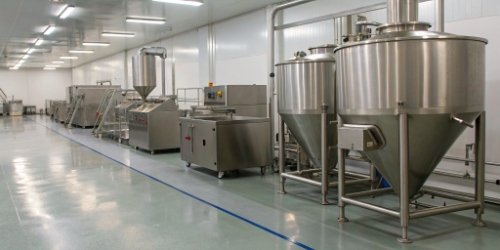
When we talk about ensuring food safety, the material itself is your first line of defense. I've been in this industry for nearly two decades, and I've seen how the right equipment can make or break a food processing operation. The properties of stainless steel aren't just a nice-to-have feature; they are fundamental to creating a safe product.
The Science of a Non-Porous Surface
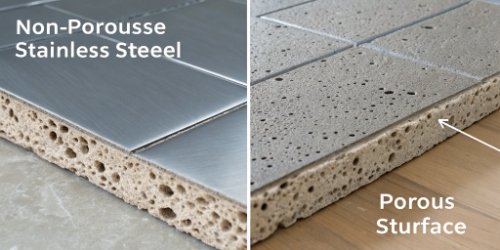
Think of materials like plastic or painted steel under a microscope. You'll see tiny pores and cracks. These are perfect hiding spots for bacteria. Stainless steel, on the other hand, has a very smooth, non-porous surface3. This means there are no microscopic crevices for pathogens like Listeria or Salmonella to hide and multiply. When you clean a stainless steel surface, you are truly cleaning the entire surface, leaving nowhere for contaminants to linger.
Resisting Corrosion and Chemicals
Food processing environments are harsh. They involve water, acidic food products, and strong cleaning chemicals. Other metals, like mild steel, will rust and corrode under these conditions. Rust particles can flake off into food, and the pitted surface creates more places for bacteria to hide. Stainless steel contains chromium, which creates a passive, corrosion-resistant layer. This layer protects the steel from rust and chemical damage, ensuring the equipment remains smooth and sanitary for its entire lifespan.
Durability Under Harsh Conditions
Food facilities are demanding workplaces. Equipment gets bumped, scraped, and subjected to high-pressure washing4 and extreme temperatures. Stainless steel is incredibly strong and durable. It resists dents and scratches that could create new hiding spots for bacteria. This physical resilience means it maintains its hygienic properties even after years of heavy use, making it a reliable, long-term investment in food safety.
Why Is Stainless Steel Essential for Hygiene in Food Processing Equipment?
Is your cleaning routine taking too long and still leaving you worried? Porous surfaces and poorly designed joints can make sanitization a complete nightmare. Stainless steel's smooth finish makes cleaning fast and effective.
Stainless steel is essential for hygiene because it is incredibly easy to clean and sanitize. Its smooth, non-absorbent surface doesn't harbor bacteria or food particles. It can also withstand harsh cleaning chemicals and high-pressure washing without degrading, ensuring a consistently sterile environment.
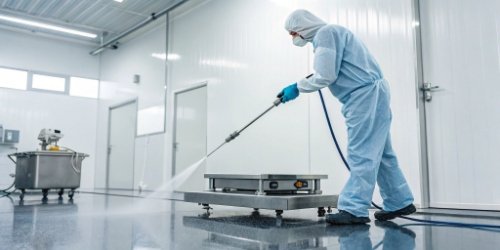
The ease of cleaning is one of the most practical reasons stainless steel is the industry standard. An effective cleaning protocol is the backbone of any food safety plan, and the right material makes this process possible. From our experience at Weigherps, we design our equipment not just to perform a task, but to be cleaned efficiently and completely.
Effortless Cleaning and Sanitization
Because stainless steel is non-porous and smooth, food residue and grime wipe away easily. There's no sticking or absorption into the material itself. This dramatically reduces the time and effort your sanitation crew needs to spend on each piece of equipment. I remember visiting a client who switched from painted scales to our fully stainless models. They told me their cleaning time was cut by nearly half, and they passed their next hygiene audit with flying colors. That's a direct impact on operational efficiency and compliance.
Withstanding Aggressive Cleaning Agents
To achieve true sanitation, you need to use powerful cleaning agents and disinfectants. Many plastics and coatings can be damaged or broken down by these chemicals over time. Stainless steel, however, is highly resistant to a wide range of chemicals used in the food industry. You can use strong detergents, sanitizers, and even steam cleaning without worrying about degrading the equipment's surface or causing it to leach harmful substances.
The Importance of Design and Weld Quality
The material is only part of the story. The way the equipment is built is just as important. Poorly designed equipment can have crevices, sharp corners, and rough welds that trap food particles and bacteria, no matter what it's made of. That’s why we focus on creating designs with smooth, rounded corners and polished welds. A high-quality weld is completely fused and ground smooth, leaving no gaps or pits. This obsession with design details ensures that the entire piece of equipment, not just the flat surfaces, is easy to clean and hygienic.
| Feature Affecting Hygiene | Poor Design (e.g., Painted Steel) | Good Design (Stainless Steel) |
|---|---|---|
| Surface | Porous, can chip or peel | Non-porous, smooth, and inert |
| Corners & Joints | Sharp 90-degree angles, crevices | Rounded corners, seamless welds |
| Cleaning Resistance | Degrades with harsh chemicals | Highly resistant to chemicals |
| Result | Harbors bacteria, hard to clean | Easy to sanitize, fully hygienic |
What Are the Benefits of Stainless Steel in Preventing Contamination in Food Facilities?
Concerned about the risks of cross-contamination in your facility? Allergens and pathogens can easily transfer between batches on poor-quality surfaces. The inert nature of stainless steel prevents this transfer, ensuring product purity.
The main benefit of stainless steel in preventing contamination is its inert and non-porous nature. It doesn't react with food products, absorb flavors, or harbor microorganisms. This makes it simple to ensure that no allergens or bacteria are transferred between different food batches during production.
Preventing contamination is about more than just general cleanliness. It’s about stopping specific threats from moving from one place to another. These threats can be microbial, allergenic, or chemical. Stainless steel provides a powerful barrier against all three, protecting both the consumer and your brand’s reputation.
Preventing Microbial Growth
As we've discussed, the smooth surface of stainless steel gives microorganisms nowhere to hide and grow. After a proper cleaning and sanitizing routine, a stainless steel surface is rendered sterile. This is critical in preventing the spread of dangerous bacteria like E. coli and Listeria, which can have devastating consequences if they enter the food supply. Consistent sterility is the foundation of a safe food production environment.
Eliminating Cross-Contamination of Allergens
For companies that handle multiple products, especially those with common allergens like nuts, dairy, or gluten, preventing cross-contamination5 is a legal and ethical requirement. I once worked with a bakery that was introducing a new gluten-free line. They were extremely worried about cross-contamination. Because stainless steel does not absorb oils, dust, or particles, they could implement a rigorous, verifiable cleaning process. After washing, their stainless steel weighing and mixing equipment was completely free of any residual allergens. This gave them the confidence to market their products safely.
A Barrier Against Chemical Leaching
Some materials, especially certain plastics or metals with coatings, can leach chemicals into food, particularly when they come into contact with acidic or fatty products. Stainless steel is an inert material. This means it does not react with food. It won't impart any off-flavors, strange odors, or, most importantly, harmful chemicals. This ensures that your product's purity and taste remain exactly as you intended, from the production line to the customer's table.
How Does Stainless Steel Construction Support Compliance with Food Safety Regulations?
Does navigating complex food safety regulations feel overwhelming? Using non-compliant equipment can lead to hefty fines or even shutdowns. Stainless steel is the material of choice recommended and often required by global food safety bodies.
Stainless steel construction supports compliance by meeting the stringent material requirements of food safety regulations like those from the FDA, NSF, and HACCP. Its cleanability, durability, and non-toxic properties make it the standard for equipment used in food contact zones, simplifying audits and certification.

Meeting regulations isn’t just about avoiding penalties; it’s about having a systematic approach to safety that is recognized and trusted worldwide. Using stainless steel equipment6 is one of the clearest ways to demonstrate your commitment to these standards. It simplifies the compliance process because it is the material these regulations were often written for.
Meeting HACCP7 and GMP Standards
Hazard Analysis and Critical Control Points (HACCP) and Good Manufacturing Practices (GMP) are systems designed to proactively identify and control food safety hazards. A key part of any HACCP plan is ensuring that equipment is properly designed and maintained to prevent contamination. Because stainless steel is durable, non-toxic, and easy to clean, it directly supports these principles. Using it for food-contact surfaces is considered a best practice and helps you meet critical control points related to sanitation and contamination.
FDA Requirements for Food-Contact Surfaces
In the United States, the Food and Drug Administration (FDA) sets clear rules for materials that can come into contact with food. These surfaces must be non-toxic, corrosion-resistant, and non-absorbent. They must be smooth and easy to clean to prevent contamination. Stainless steel, particularly grades like 304 and 316, meets all of these requirements perfectly, making it a go-to choice for ensuring FDA compliance.
The Role of Customization in Compliance
As a manufacturer, we understand that every facility is different, and so are the budgets. This is a core part of my insight. While a full stainless steel construction8 is non-negotiable for direct food-contact zones in wet or corrosive environments, it may not be necessary for every single component of your operation. For example, in a dry packaging area, a scale with a stainless steel platform but a painted mild steel frame might be perfectly compliant and more cost-effective. We work closely with our clients to engineer solutions that meet their exact needs and regulatory requirements. If you have the need and the volume, we can customize a solution that balances performance, compliance, and budget perfectly.
Conclusion
In food safety, full stainless steel isn't just a feature; it's a fundamental requirement. It protects your products, your customers, and your brand's reputation with every batch you produce.
-
Understand the hygiene standards that food processing equipment must meet to ensure safety. ↩
-
Find out how stainless steel helps businesses comply with food safety regulations. ↩
-
Learn why non-porous surfaces are crucial for preventing bacterial growth in food processing. ↩
-
Learn about the effects of high-pressure washing on different types of food processing equipment. ↩
-
Learn how stainless steel surfaces help prevent cross-contamination of allergens and pathogens. ↩
-
Discover the benefits of stainless steel equipment for food safety and operational efficiency. ↩
-
Learn about HACCP principles and their significance in ensuring food safety. ↩
-
Explore how full stainless steel construction enhances food safety and prevents contamination. ↩


Comments (0)