
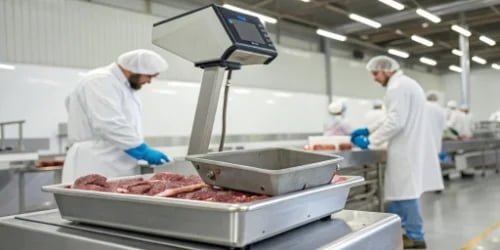
Meat processors struggle with scales that fail in wet, cold conditions. This leads to costly downtime and inaccurate weights. The solution is a scale built for this specific environment.
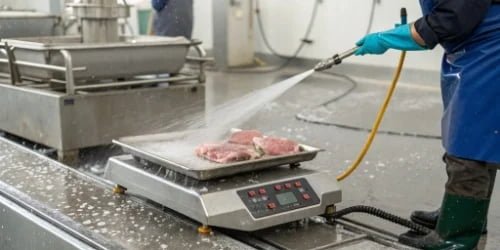
The number one feature meat processors look for is robust environmental protection, specifically an IP67 waterproof rating and a full stainless steel body. This ensures the scale can survive daily high-pressure washdowns and operate reliably in cold, damp processing environments without failing or drifting.
When you think about a weighing scale, the first thing that comes to mind is accuracy. Of course, a scale that isn't accurate is useless. But in my 19 years of manufacturing industrial scales, I've learned that for meat processors, accuracy is just the starting point. The real challenge isn't just getting the weight right; it's getting the weight right day after day in one of the toughest industrial environments imaginable. A scale can be the most accurate in the world, but if it dies after one week of hose-downs, it’s a failure. That's why we need to look past the spec sheet and dive into the qualities that truly matter for survival and performance on the processing floor.
What Essential Qualities Do Meat Processors Seek in Weighing Scales?
Choosing a new scale seems simple, but getting it wrong is a disaster. It means constant repairs, bad production data, and even safety risks in a busy meat plant.
Meat processors seek scales with top-tier durability, a high waterproof rating (IP67 or higher), and a hygienic design made of stainless steel. These qualities ensure the scale survives daily cleaning, prevents contamination, and maintains accuracy in challenging wet and cold environments.
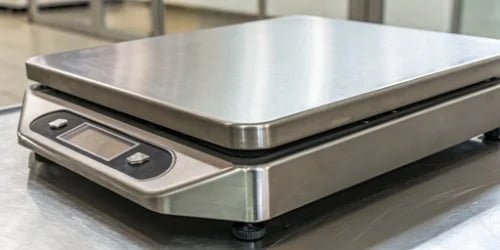
Based on my experience working with processors around the world, the most critical qualities are not fancy features, but foundational ones. We can break them down into what I call the "Durability Trio." This combination is non-negotiable for any serious meat processing operation. If a scale is missing even one of these, it will not last.
The Durability Trio: Waterproof, Material, and Temperature Resistance
The environment in a meat processing plant will destroy standard electronic equipment. It's cold, it's wet, and it gets cleaned with high-pressure water and chemicals every single day. A scale must be built specifically to handle this. The first element is its waterproof rating. An IP67 rating means the scale is protected against dust and can be fully submerged in water. This is the minimum required to withstand the aggressive daily washdowns needed for sanitation. The second element is the material. A full stainless steel body1 is essential. It resists rust and corrosion from moisture and cleaning agents, and its smooth surface is easy to sanitize, preventing bacteria from building up. The final element is tolerance for cold and humidity. In refrigerated rooms, condensation can form inside poorly sealed electronics, causing weight readings to drift or the scale to fail completely. A properly sealed, high-quality scale prevents this internal moisture buildup, ensuring stable performance.
| Quality | Why It's Essential for Meat Processing | The Risk of Ignoring It |
|---|---|---|
| IP67 Waterproofing | Survives daily high-pressure hosing and cleaning. | Short circuits, electronic failure2, and downtime. |
| Stainless Steel Body | Prevents rust, easy to sanitize for food safety3. | Contamination hazards and a short equipment lifespan4. |
| Cold/Humid Tolerance | Avoids condensation and electronic drift. | Inconsistent weights and frequent recalibration. |
How Do Meat Processors Prioritize Features When Selecting Weighing Scales?
Scales have countless features advertised today. Focusing on the wrong ones wastes your budget and creates operational headaches your team doesn't need. You need a clear priority list.
Processors prioritize features in a specific order. First is environmental durability, like an IP67 rating and stainless steel. Second is core accuracy and stability. Third is connectivity for data integration. All other features are secondary because reliability is the primary goal.

I remember talking to a purchasing manager a few years ago. He had bought a dozen cheaper scales that had great-looking displays and lots of functions. He thought he got a great deal. But they weren't fully stainless steel or properly sealed. Within six months, over half of them had failed from water damage. He ended up spending more to replace them with durable, waterproof models than if he had just bought the right ones in the first place. This taught me a valuable lesson that I now share with all our clients: you must prioritize features correctly.
A Tiered Approach to Feature Selection
Think of it as a pyramid. The base of the pyramid is the most important.
-
Tier 1: Survival Features. This is the foundation. It includes the IP67 waterproof rating5, all-stainless-steel construction, and quality sealing to handle the cold, wet environment. If the scale cannot survive on the processing floor, no other feature matters. This is a non-negotiable starting point.
-
Tier 2: Core Functionality. Once survival is guaranteed, the next level is performance. This means repeatable accuracy6, fast stabilization times, and stable weight readings. This tier is all about the quality of the internal components, like the load cell7 and the electronics. A scale must provide a correct, quick, and reliable weight every time.
-
Tier 3: Smart Integration. This is where a scale becomes part of a larger system. It includes connectivity options like RS-232, Ethernet, or modern IoT capabilities. The ability to send weight data directly to a production management system8 is what transforms a simple scale into a powerful tool for traceability9, yield management10, and efficiency. This tier eliminates manual errors and provides valuable real-time data.
-
Tier 4: Nice-to-Haves. At the top of the pyramid are features like extra-large displays, specialized modes like checkweighing, or battery operation. These can be very useful, but they should only be considered after the first three tiers are fully satisfied.
What Single Feature Makes a Weighing Scale Stand Out to Meat Processors?
Many waterproof scales look similar on paper. So how do you identify the one scale that will truly elevate your operation and not just perform the basic function?
The single feature that makes a weighing scale stand out is seamless and reliable data integration. While durability is a mandatory entry ticket, the ability to effortlessly connect to management systems for real-time tracking transforms a scale from a tool into a core business asset.

In today's market, having an IP67 rating and a stainless steel body is no longer a standout feature. It's the minimum requirement to even be considered for a meat processing plant. At Weigherps, we see these as table stakes. The real differentiator, the feature that separates a good scale from a great one, is how it communicates with the rest of your factory. The future of processing is data-driven, and your weighing equipment must be a part of that.
Beyond Durability: The Power of Smart Connectivity
A connected scale offers powerful advantages that directly impact your bottom line. It's the key to unlocking new levels of efficiency and control.
First, consider traceability. In the event of a food safety issue or recall, you need to know exactly where a product came from and where it went. A connected scale automatically logs the weight of every cut, crate, or pallet, linking it to a specific batch and time. This digital paper trail is faster, more accurate, and more reliable than any manual system.
Second is yield management. By automatically capturing weight data at each stage of the deboning and cutting process, you can precisely measure your output and identify where waste is occurring. This information allows you to optimize your processes, train staff more effectively, and maximize the value from every carcass.
Finally, think about operational efficiency. Manual data entry is slow, and writing down numbers on a wet, busy production floor is a recipe for errors. Smart connectivity eliminates this task completely. The weight is sent directly to your system, freeing up your workers to focus on their primary jobs and ensuring your data is 100% accurate. As hardware experts, we build the reliable foundation and provide flexible integration options so that your software systems get the clean data they need.
What Common Requirement Do Meat Processors Have for Weighing Scale Features?
Processors invest thousands in new equipment. But if that equipment breaks down, production grinds to a halt and money is lost instantly. There is one requirement that underpins everything.
The most common and critical requirement for any scale feature is total reliability. This covers everything: durable construction, consistent accuracy, and stable data connectivity. Processors need a scale that they can trust to work perfectly, every single day, without fail.

After all the talk about specific features like waterproof ratings or data ports, it all comes down to one single concept: reliability. A meat processor cannot afford downtime. When a scale on a critical production line fails, the entire line stops. This costs money every single minute. Therefore, the most universal requirement we hear from our clients is the demand for a scale that they can simply forget about because it just works. Reliability isn't a single feature; it's the successful combination of all the right features and quality manufacturing.
Reliability: The Sum of All Parts
You can't achieve reliability by focusing on just one thing. It's the result of excellence across the entire product and service.
-
Hardware Reliability: This starts with the design and materials we've discussed. It's about using a fully sealed IP67 stainless steel enclosure. But it's also about using high-quality load cells and electronics that are rated for cold environments and won't fail from condensation. At our company, every single scale undergoes a comprehensive inspection by our quality control11 department before it ships. We test its weight accuracy, battery life, and software functions to ensure it performs perfectly out of the box.
-
Software and Firmware Reliability: The scale's internal software must be stable. It cannot freeze or produce data errors. Its communication protocols must be robust to ensure a constant and clean data flow to your management systems. An unstable connection is as bad as no connection at all.
-
Service Reliability: Even the best equipment can sometimes have issues. What happens then? This is where a reliable partner becomes crucial. You need responsive technical support12 that can help you solve problems quickly. We back our products with a 12-month after-sales guarantee and have a professional technical team ready to help our clients. We see ourselves as more than a supplier; we aim to be your trusted weighing expert.
Conclusion
Ultimately, meat processors need scales with IP67 waterproofing and stainless steel bodies. However, true value comes from reliable data integration that transforms a durable tool into a smart, dependable asset.
-
A stainless steel body prevents rust and contamination, ensuring food safety and longevity of the scale. ↩
-
Identifying causes of electronic failure can help you choose more reliable equipment. ↩
-
Understanding the role of scales in food safety can help ensure compliance and quality. ↩
-
Learn how to extend the lifespan of your scales through proper selection and maintenance. ↩
-
Understanding the IP67 rating helps ensure your scales can withstand harsh environments, preventing costly failures. ↩
-
Explore why consistent accuracy is vital for operational efficiency in meat processing. ↩
-
Understanding load cells can help you appreciate the technology behind accurate weight measurements. ↩
-
Explore how integrating scales with management systems can enhance overall production efficiency. ↩
-
Traceability is crucial for food safety; discover how scales can help maintain accurate records. ↩
-
Explore how effective yield management can optimize processes and reduce waste. ↩
-
Discover the importance of quality control in ensuring the performance of weighing scales. ↩
-
Responsive technical support can minimize downtime and ensure smooth operations. ↩


Comments (0)