

Tired of messy paper slips causing chaos in your fresh food sorting? These vital records get lost, damaged, or become unreadable, leading to costly errors and frustrated customers.
A digital sorting system is the best solution. It replaces paper by receiving, processing, and storing all order details electronically on a smart device. This method eliminates physical slips, prevents loss, and ensures data is always accurate and accessible from a central system.
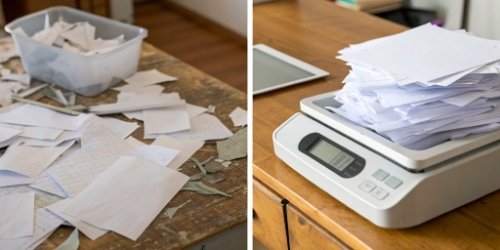
I've worked with many businesses over the past 19 years, and the story is always the same. They start with paper, thinking it's simple. But as they grow, the paper system breaks down. It creates bottlenecks, introduces errors, and makes tracking anything a nightmare. They feel stuck, knowing there has to be a better way but not sure where to start. This is a common problem, and the solution is more straightforward than you might think. Let’s explore how you can leave the paper problems behind for good.
How to Digitize Sorting Systems to Replace Paper-Based Fresh Product Records?
You know you need to switch from paper, but the thought of a complex digital transition is holding you back. This fear keeps you stuck with an inefficient, outdated process.
To digitize your sorting, you integrate smart weighing scales with a software system. This system sends orders to a screen at the sorting station, guides the operator, and automatically records weight and order data. This information then syncs instantly with your central management system.
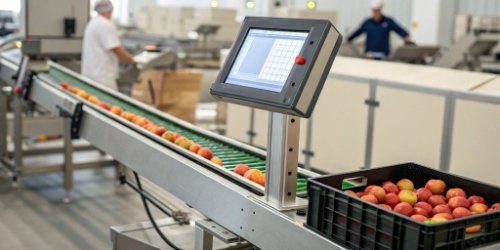
Making the switch from paper to a fully digital system is a step-by-step journey, not a giant leap.1 At Weigherps, we help our clients through this process all the time. It’s about building a system that works for your specific operation.
Step 1: Centralize Your Order Data
The first step is to get all your orders into one digital place. This could be your existing Enterprise Resource Planning (ERP) system or a new, dedicated order management platform. The goal is to stop relying on printed lists. Once centralized, this system can send order information directly to your sorting stations without anyone needing to print a single page. This removes the first point of failure in a paper-based workflow.
Step 2: Equip Your Sorting Stations
Next, you need the right hardware. This is where our IoT weighing scales come in. These aren't just for weighing; they are smart terminals. Each scale has a screen that displays the order details sent from your central system. Your team members see exactly what they need to sort, how much is required, and for which customer. This simple change eliminates the need for them to handle, read, or interpret paper slips.
Step 3: Automate and Sync Data
The final step is connecting everything. When a sorter weighs a product, the IoT scale automatically captures the weight and marks the task as complete. This data is instantly sent back to the central system. Your inventory is updated in real-time, and managers can see the status of every order from their dashboard.
| Feature | Paper-Based System | Digital System |
|---|---|---|
| Order Transmission | Manual printing and delivery | Instant, electronic push to scale |
| Data Entry | Manual writing on slips | Automatic capture by scale |
| Status Update | Manual collection of slips | Real-time, automatic sync |
| Error Rate | High (handwriting, loss) | Very Low (automated) |
What Are the Benefits of Digital Solutions for Preventing the Loss of Fresh Sorting Slips?
Losing just one paper sorting slip can throw your entire process into disarray. It leads to wasted time searching for it, potential shipping errors, and unhappy clients, hitting your bottom line.
Digital solutions make loss impossible by storing all sorting information in a secure, central database. Every record is permanent, instantly searchable, and backed up. This completely removes the risk of physical slips being damaged, lost, or misplaced, ensuring 100% data integrity.

The most obvious benefit of going digital is that you can't lose a digital file the same way you lose a piece of paper. But the advantages run much deeper than just that. It fundamentally changes how you access and use your operational data for the better.
Permanent and Secure Storage
I remember visiting a client's facility where they had entire rooms filled with filing cabinets, all dedicated to storing old sorting slips for compliance. It was a huge waste of space and a major fire hazard. With a digital system, all this information is stored on a secure server or in the cloud. It takes up no physical space, can't be physically damaged, and is protected by passwords and encryption. It provides peace of mind that a paper system simply can't offer.
Instant Search and Retrieval
Imagine a customer calls with a question about an order from three months ago. With a paper system, you’d have to send someone to a dusty storage room to search through boxes of old slips. This could take hours or even days. With a digital system, you can pull up the complete record in seconds. You can search by order number, customer name, date, or even the sorter who handled it. This ability to instantly access historical data is a game-changer for customer service and quality control.
Improved Accountability and Auditing
Digital records create a perfect audit trail. The system logs who sorted what, the exact weight, and the time it was completed. If there's ever a discrepancy or a quality issue, you know exactly where to look. This level of accountability helps reduce errors because team members know their work is being tracked. It also makes it easy to prove what was shipped in case of a dispute, protecting your business.
How Can Fresh Sorting Be Streamlined with a Digital Management System?
Your current sorting process feels slow and clumsy, creating a bottleneck that holds back your entire operation. This inefficiency directly limits your growth and profitability, making you work harder, not smarter.
A digital system streamlines sorting by pushing tasks directly to the station screen, guiding operators with clear instructions. It automates data entry and instantly updates order status, removing manual steps, reducing errors, and dramatically cutting down processing time from start to finish.

Streamlining isn't just about going faster; it's about making the entire process smoother, more accurate, and less stressful for your team. A digital management system redefines the workflow by eliminating the small, time-consuming tasks that add up to big delays.
Real-Time Order Adjustments
This is one of the most powerful features. In the fresh food industry, orders change constantly. A customer might call to add another box of produce or cancel an item while the sorting is already in progress. With paper slips, this is a mess. You have to find the old slip, cross things out, and maybe print a new one. With our digital system, the change is made in the central system, and it instantly updates on the sorter's screen. They see the new requirement without missing a beat. No confusion, no reprinting, no delays.
Guided Sorting Process
A digital system acts like a guide for your team. The screen on the scale tells the sorter exactly what to do next: which product to pick, the target weight, and where to place it. This visual guidance makes the process intuitive, drastically reducing the chance of human error. It also makes training new employees much faster. Instead of memorizing complex orders, they just follow the on-screen instructions. This leads to higher accuracy and productivity from day one.
Automated Data Capture and Analysis
Manually writing down weights is slow and prone to errors. A tired worker might write "1.5 kg" instead of "1.05 kg," a small error that can cause big problems. A digital scale automatically captures the exact weight and ties it to the order. This data is not only 100% accurate but also collected automatically. Over time, this provides a wealth of information for analysis. You can track team productivity, identify common issues, and optimize your entire operation based on real data, not guesswork.
What Digital Tools Can Solve the Challenges of Paper Sorting Slip Management?
You understand the need to digitize, but the array of available technology is overwhelming. Choosing the wrong tools could lead to a failed implementation and wasted investment, a major concern.
The solution lies in a combination of smart hardware and software. The essential tools are IoT weighing scales with displays, a central sorting management software, and sometimes handheld devices. These components work together to form a complete system that digitizes and automates your entire sorting process.
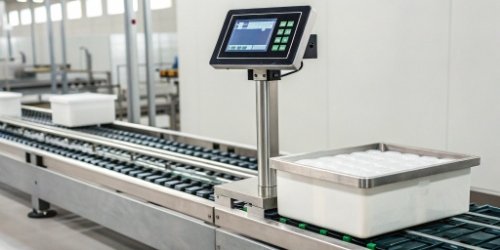
Solving the challenges of paper requires more than just a single piece of tech; it requires an integrated solution. As a company with 19 years of experience in OEM/ODM production for global brands, we've perfected the combination of tools needed for a seamless transition.
The Core: IoT Weighing Scales
This is the heart of the system. Our scales are more than just weighing instruments; they are intelligent data terminals. They feature a clear display to guide the user, a processor to run our software, and connectivity (like Wi-Fi) to communicate with the central system. Every scale we ship undergoes rigorous testing for accuracy, durability, and software stability. We build them to withstand demanding industrial environments while providing the intelligence needed for a modern workflow. This is the hardware that brings your digital instructions into the physical world.
The Brain: Sorting Management Software
If the scale is the heart, the software is the brain. This is the central hub that manages everything. It receives orders from your main business system, assigns them to sorting stations, tracks the progress of each order in real-time, and stores all the data for reporting and analysis. For our clients, who are often software vendors themselves, we provide robust and well-documented systems. We understand the importance of stable functionality, high security, and easy integration. Our team specializes in creating targeted, cost-effective weighing solutions tailored to your specific market needs.
The Ecosystem: Connectivity and Integration
The real power comes when these tools work together seamlessly. Our systems are designed for easy integration. They can connect to your existing ERP or other software to ensure a smooth flow of data across your entire business. We know that software compatibility and integration are major concerns. That's why we provide professional technical support, comprehensive training, and clear documentation. Our goal is to empower your business to use this technology to grow, confident that it will work reliably within your operational environment.
Conclusion
Switching to a digital sorting system eliminates paper, boosts efficiency, and ensures data is always accurate. It’s a crucial step toward a smarter, more profitable operation for your business.
-
"What is digital transformation in business? - University of Phoenix", https://www.phoenix.edu/articles/business/what-is-digital-transformation-in-business.html. This source outlines the typical process businesses follow when transitioning from paper-based to digital systems, emphasizing gradual implementation. Evidence role: mechanism; source type: education. Supports: Transitioning to a digital system is a gradual process rather than an immediate overhaul.. ↩



Comments (0)