

Sorting fresh goods and finding errors is frustrating. These mistakes pile up, costing you money and damaging your reputation. You need a way to stop firefighting and start controlling quality.
The best way to handle product sorting exceptions is by using a system that combines real-time flagging by operators with a centralized management dashboard. This allows for immediate correction and provides data for long-term process improvement, turning errors into opportunities for optimization.

This isn't just about catching one or two mistakes. It's about building a smarter, more resilient quality control system from the ground up. By embedding quality checks directly into your sorting workflow1, you can prevent errors before they happen, track issues with precision, and use data to make your entire operation more efficient and profitable. We've spent nearly two decades helping businesses achieve this, and the principles are the same whether you're sorting avocados or electronics. It starts by empowering your team on the floor to identify and report issues instantly.
How to Identify and Correct Errors in Sorting Defective Products?
Your sorters find a damaged item. They yell across the floor or scribble a note that gets lost. By the time anyone notices, it's too late. This chaos creates delays and unhappy customers.
Equip sorters with tools to instantly mark abnormal products, noting the reason (e.g., damaged, wrong weight). A central system alerts managers in real-time, who can immediately arrange for a replacement or communicate with the customer. This closes the loop on errors before they cause bigger problems.
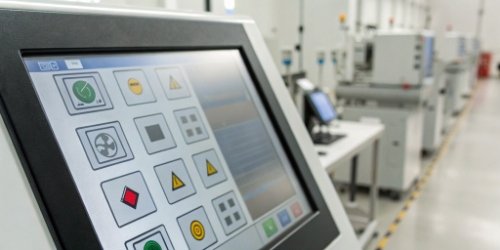
To truly get a handle on sorting errors, you have to move beyond manual, informal processes. The goal is to make identifying and correcting errors a seamless part of the workflow, not an interruption. I remember visiting a client whose sorting floor was pure chaos. Post-it notes for "damaged items" were stuck to monitors, and there was constant shouting. Productivity was low, and morale was lower. We helped them implement a system that turned this chaos into calm efficiency. The key is to integrate the identification and correction processes directly at the source.
Real-time Error Flagging at the Station
The first step is empowering your frontline workers. A sorter is the first person to see a damaged box, a misprinted label, or an underweight product. With our WeigherPS system, their sorting station doubles as a quality control checkpoint. Instead of yelling or writing a note, they simply tap a button on their screen to flag an issue. They can select a predefined reason like "Damaged," "Label Missing," or "Weight Anomaly." This action is instant and creates a digital record tied to that specific product, order, and employee.
Immediate and Guided Correction Workflow
Once an item is flagged, the system doesn't just log it; it triggers an action. A notification instantly appears on the line manager's dashboard. The manager can see the issue, the product, and the sorter who flagged it. From there, they can decide the next step.
| Old Manual Method | New WeigherPS Method |
|---|---|
| Sorter shouts, writes a note. | Sorter taps "Flag Error" on screen. |
| Manager may or may not hear/see it. | Manager gets an instant dashboard alert. |
| Correction is delayed, maybe forgotten. | Manager assigns a task: "Repick" or "Notify Customer." |
| No record of the issue exists. | A permanent digital record is created for analysis. |
This systematic approach ensures that every single error is acknowledged and addressed according to a clear, predefined workflow, eliminating guesswork and delays.
What Are Effective Quality Control Strategies for Handling Sorting Exceptions?
You're fixing individual mistakes, but the same problems keep happening. You feel stuck in a reactive cycle, constantly putting out fires. This firefighting wastes resources and prevents you from making real progress.
Effective strategies go beyond simple fixes. They use data from every single exception to find root causes. By analyzing trends by product, employee, or time of day, you can make targeted improvements to training, processes, or supplier management, preventing future errors from happening.

An effective quality control strategy is about transforming your mindset from being reactive to proactive2. Instead of just asking "How do we fix this broken item?", you should be asking "Why are items breaking in the first place?". The answer to that question is hidden in your data. In my experience, companies that successfully reduce their error rates are obsessed with data. They treat every sorting exception not as a failure, but as a valuable data point that can make their entire operation smarter. The key is having a system that collects, organizes, and presents this data in a way that is easy to understand and act upon.
Shifting from Reactive Fixes to Proactive Improvements
Let's say you notice a lot of bruised apples being flagged by your sorters. The reactive approach is to just discard them and replace them in the order. A proactive strategy, powered by data, looks deeper. Our WeigherPS system logs every flagged item. You can easily pull a report and see that the "Damaged Fruit" exception rate spikes between 8 AM and 9 AM every morning. What's happening at that time? It might be when a new, less experienced shift starts, suggesting a need for better handling training. Or perhaps it's when a certain supplier's delivery arrives, indicating a problem further up the supply chain.
Using Data to Drive Decisions
A system that logs exceptions permanently becomes a goldmine for business intelligence. You can analyze this data from multiple dimensions to uncover hidden inefficiencies.
| Data Analysis Dimension | Potential Insight & Action |
|---|---|
| By Time Period | High error rates on the night shift? Review supervision and training for that team. |
| By Employee | One sorter has a much higher exception rate? It could be a training opportunity or a sign they are very diligent. |
| By Product Category | "Label Missing" errors common for one specific product? Investigate the label adhesive or printing process for that item. |
| By Supplier | Consistently poor quality from one supplier? Use the data to renegotiate terms or find a new partner. |
This data-driven approach removes emotion and guesswork from management. It allows you to make precise, evidence-backed decisions that lead to continuous and measurable improvements in quality.
How Can You Develop a System for Tracking and Resolving Abnormal Sorted Items?
You know you need a tracking system, but building one from scratch is a massive IT project that costs too much time and money. So you're stuck with messy spreadsheets and email chains that are slow and unreliable.
You can create a robust tracking system by integrating specialized hardware and software. Our WeigherPS solution provides an out-of-the-box system with IoT scales, scanners, and a central dashboard to track each exception from the moment it's flagged until it is fully resolved.
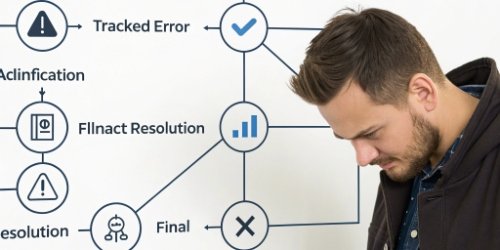
Many of our clients, particularly software vendors themselves, understand the pain of developing new systems. They know that a project like this involves hardware integration, database management, UI design, and endless testing. That’s why we focused on creating a complete, turn-key solution. We handle the complexity so you can focus on running your business. The idea is to provide a closed-loop system where no error can get lost. Every exception has a digital trail from birth to resolution, ensuring total accountability and transparency. Let’s break down what a system like that looks like in practice.
The Core Components of a Tracking System
A truly effective system requires a seamless connection between the physical world and the digital world. This is where our expertise in industrial weighing and IoT comes into play.
- Input Devices: This is the hardware on your sorting floor. It includes our smart scales, barcode scanners, and the touchscreen interfaces at each sorting station. These devices capture the initial data—the what, where, and when of the exception.
- Software Backend: This is the brain of the operation. It's a secure, central database that logs every action. When a sorter flags an item, the data is instantly sent to this backend. As a software vendor, you'll appreciate that our system is built for stability and can often integrate with existing WMS or ERP systems via APIs.
- Management Dashboard: This is your command center. It's a web-based interface that allows managers to see a real-time overview of all active exceptions. They can filter, sort, and assign tasks from anywhere, on any device.
The Lifecycle of an Exception
Here’s how an exception travels through our WeigherPS system, ensuring nothing falls through the cracks:
- Mark: A sorter flags a damaged product. The system automatically assigns it a unique ID and sets its status to "Pending Review."
- Alert: The line manager immediately gets an alert on their dashboard, with all the initial details.
- Action: The manager assesses the issue and assigns a corrective action, such as "Repick Item" or "Contact Customer." The status changes to "In Progress," and the task might be assigned to a specific person.
- Resolve: Once the corrective action is completed (e.g., the new item is picked and scanned), the system logs the completion. The manager closes the loop by marking the exception as "Resolved."
- Log: The entire history of the exception—from flagging to resolution, including timestamps and users involved—is saved permanently for future auditing and analysis.
What Steps Ensure Quality Assurance During the Sorting Process of Defective Goods?
You have a process for handling defects, but how do you know your team is following it correctly every time? Without consistent verification, your quality rules are just suggestions, and costly mistakes still get to the customer.
Ensure quality by implementing a multi-layered approach. This includes active, real-time monitoring by managers, setting clear performance KPIs for staff, regularly auditing data to spot compliance issues, and creating a feedback loop for continuous process improvement and training.

Quality assurance (QA) is different from quality control (QC). QC is about finding defects; QA is about ensuring the process for finding and fixing defects is reliable, consistent, and effective. You need to build trust in your system. For years, we've helped companies do this by embedding QA checks directly into the workflow. It's not about adding more work; it's about making the right way the easy way. The system should not only catch errors but also verify that the corrections were made property, creating a culture of accountability.
Active Monitoring and Automated Alerts
Managers shouldn't have to hunt for problems. A robust QA system brings problems to them. Our WeigherPS system can be configured with custom rules and thresholds. For example, you can set an alert to trigger if the average time to resolve an exception exceeds 15 minutes. Or, if the exception rate for a specific product line suddenly jumps by more than 5%, a manager gets an immediate notification. This allows management to intervene precisely when and where they are needed most, ensuring that standards are being met in real-time. It transforms managers from supervisors into process coaches.
Performance Metrics and Accountability
What gets measured gets managed. Because our system tracks every action, it creates an objective record of performance that can be used for fair and effective management. You can track key performance indicators (KPIs) that directly reflect the quality of your sorting process.
| Quality Assurance KPI | Purpose |
|---|---|
| Exception Rate (%) | Measures the overall health and quality of the sorting process. |
| Time-to-Resolution | Tracks the efficiency of the team in responding to and fixing issues. |
| First-Time-Right Rate | Measures how often corrections are done properly without needing rework. |
| Error Type Frequency | Helps identify recurring problems that require a strategic, long-term solution. |
This data provides a clear basis for performance reviews and identifies specific training needs. If one employee consistently takes longer to resolve issues, they may need extra coaching on the system. If a whole team struggles with a certain error type, it points to a gap in the group's training. This data-backed accountability is the cornerstone of a world-class quality assurance program.
Conclusion
Stop reacting to sorting errors. Use our data-driven system to take control, cut losses, and boost customer satisfaction by turning exceptions into insights for continuous improvement.
-
"Organizational Workflow and Its Impact on Work Quality - PubMed", https://pubmed.ncbi.nlm.nih.gov/21328740/. This source discusses the benefits of embedding quality checks into workflows to prevent errors and improve efficiency. Evidence role: mechanism; source type: education. Supports: By embedding quality checks directly into your sorting workflow, you can prevent errors before they happen, track issues with precision, and use data to make your entire operation more efficient and profitable.. ↩
-
"From reactive to proactive: getting ahead with a quality management ...", https://www.woodwing.com/blog/quality-management-transformation-reactive-proactive. This source discusses the benefits of shifting from reactive to proactive strategies in quality control. Evidence role: expert_consensus; source type: education. Supports: An effective quality control strategy is about transforming your mindset from being reactive to proactive.. ↩



Comments (0)