
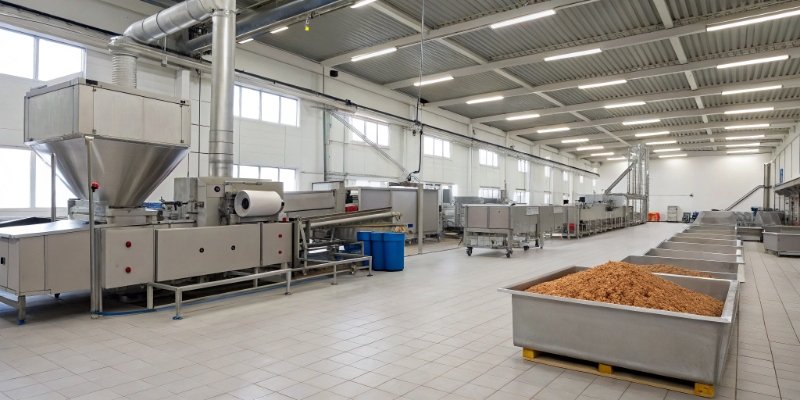
Your factory equipment faces tough conditions daily. The wrong material choice leads to rust, contamination, and costly replacements. This decision will directly impact your budget and food safety.
For high-moisture and high-salt areas like seafood or pickling, always choose full 304 stainless steel. For general dry food processing, powder-coated carbon steel is more cost-effective. It provides the same accuracy and lifespan without the high price tag, offering excellent value.
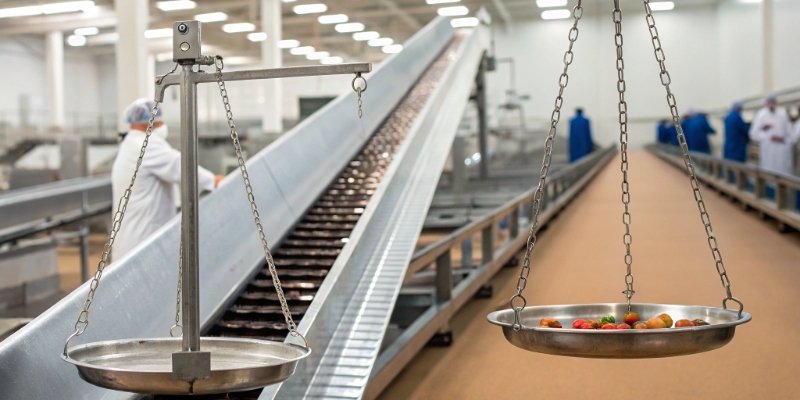
I get this question a lot from my clients. The choice between these two materials is critical, and it goes beyond just the initial price. A smart decision here can save you thousands in the long run, both in maintenance and replacement costs. Let's look at the specifics to help you make the right call for your factory floors, ensuring you get the performance you need without overspending.
Which is better, 304 or 316 stainless steel for food?
Choosing stainless steel seems straightforward. But picking the wrong grade can lead to unexpected corrosion and compliance issues. This mistake can be a costly and unsafe one to make.
For most food applications, 304 stainless steel is the industry standard and works perfectly. However, for environments with high salt, chlorides, or strong acids, 316 stainless steel is better. Its added molybdenum offers superior corrosion resistance, justifying its higher cost in these specific cases.
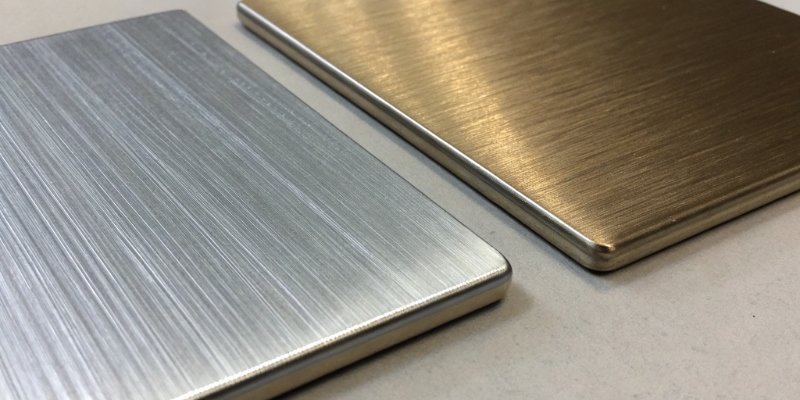
As a manufacturer of industrial scales for 19 years, we've guided many customers through this decision. The key difference is a small but powerful ingredient in 316 stainless steel: molybdenum. This element dramatically increases its resistance to corrosion from salt and other harsh chemicals. While 304 is great for most things, it can struggle in certain environments. I have seen 304 steel show signs of pitting corrosion in seafood processing plants due to the constant exposure to saltwater. For that client, upgrading their weighing scales to 316 was the permanent solution.
Key Differences: 304 vs. 316 Stainless Steel
| Feature | Type 304 Stainless Steel | Type 316 Stainless Steel |
|---|---|---|
| Key Alloy | Chromium, Nickel | Chromium, Nickel, Molybdenum |
| Corrosion Resistance | Good | Excellent, especially against chlorides |
| Cost | Lower | Higher (approx. 25 a-30% more) |
| Common Food Use | Dairy, brewing, bakeries, general processing | Seafood, pickled foods, tomato processing |
Ultimately, the choice is about your specific needs. If you are a bakery, 304 is perfect. If you process salted fish, investing in 316 will save you from premature equipment failure.
What type of stainless steel is commonly used in the food industry?
You need equipment that meets strict food safety standards. With so many steel types available, it's easy to get confused. Choosing incorrectly can lead to audit failures and safety risks.
The most common stainless steel in the food industry is Type 304. It offers the best all-around balance of corrosion resistance, formability, durability, and cost. It is often referred to simply as "food-grade" stainless steel for this reason.
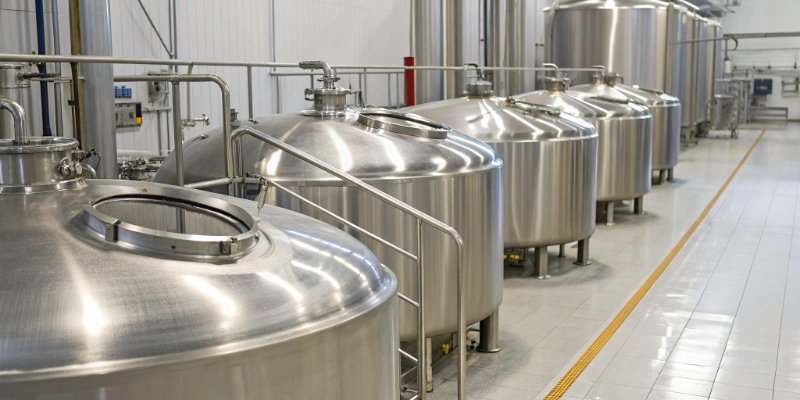
Type 304 belongs to the austenitic family1 of stainless steels, which are known for their excellent strength and hygiene. We use it in the majority of the food-grade scales we produce at Weigherps, and for good reason. Its surface is non-porous, which means it doesn't harbor bacteria and is incredibly easy to clean and sanitize. This is a non-negotiable feature for any surface that comes into contact with food. It also holds up well against the acids found in common foods like fruits, vegetables, and milk. While other types exist, they have niche roles. Type 430 is cheaper but less resistant to corrosion2, so it's sometimes used for external paneling that doesn't touch food. Type 316 is the premium choice3 for harsh, salty conditions. But for over 80% of food processing applications, from weighing ingredients in a commercial kitchen to packaging finished goods, 304 is the reliable and trusted workhorse.
What two metals should not be used together?
Combining different metals seems like a smart way to save money on a project. But this can cause rapid, unexpected corrosion, leading to equipment failure. This is an expensive mistake.
You should avoid direct contact between very different metals, especially in a moist environment. A classic bad pair is stainless steel and galvanized steel. This combination creates galvanic corrosion, where the galvanized steel corrodes very quickly to protect the stainless steel.
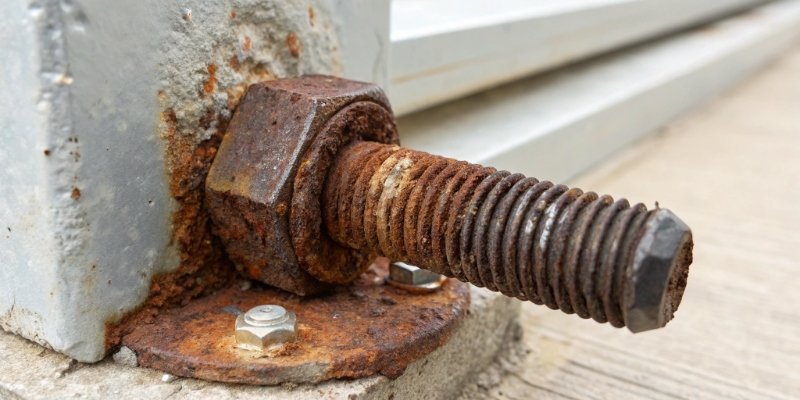
I once visited a client's facility where they were having issues with a floor scale. They had installed a stainless steel platform but used galvanized steel bolts to secure it to the floor. The processing area was regularly washed down, creating a damp environment. In less than a year, the galvanized bolts were almost completely rusted through, which compromised the safety and accuracy of the entire scale. This process is called galvanic corrosion. Think of it like a small battery. When two dissimilar metals touch in the presence of moisture (an electrolyte), an electrical current flows between them, and the less "noble" metal corrodes rapidly.
How to Avoid Galvanic Corrosion
- Use the Same Metals: The simplest solution is to use the same material for all components, like using stainless steel bolts on a stainless steel machine.
- Isolate the Metals: If you must use different metals, separate them with a non-conductive barrier like a rubber or plastic washer or gasket. This breaks the electrical circuit.
- Choose Metals Close Together: Some metals are more compatible than others. For example, stainless steel and bronze are less reactive than stainless steel and aluminum.
This is a detail we pay close attention to in our production. When we build a full stainless steel scale, every single component, down to the bolts and load cell housing, is stainless steel to prevent this exact problem.
Why isn't stainless steel used for everything?
Stainless steel is strong, hygienic, and resists rust. So why not build everything with it? The simple truth is that its high cost can destroy your budget for no real benefit.
The main reason stainless steel isn't used for everything is its cost. It is significantly more expensive to buy and fabricate than materials like carbon steel. For many applications where corrosion isn't a primary concern, using stainless steel is over-engineering and not cost-effective.
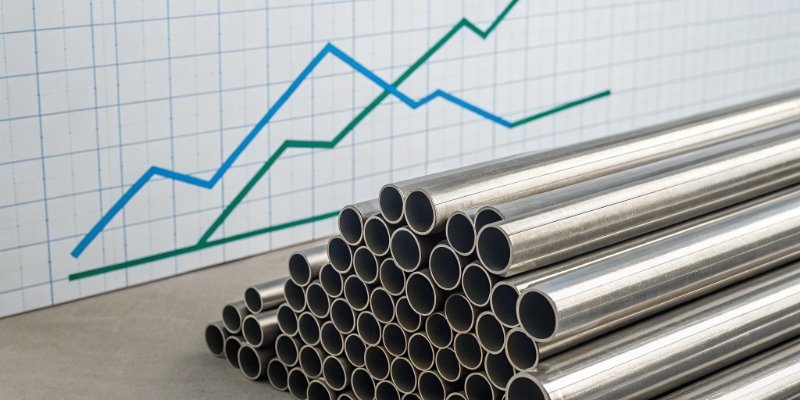
The decision to use stainless steel always comes down to balancing necessity and budget. The price difference isn't small. Nickel and chromium, the key ingredients that give stainless steel its rust-proof qualities, are expensive commodities. The material is also harder and requires more specialized tools and time to cut, bend, and weld compared to carbon steel. This adds to the final product cost. This is exactly why we offer high-quality powder-coated carbon steel scales. In a dry environment like a bakery, a snack food packaging line, or a warehouse, the risk of corrosion is very low. The tough powder-coat finish provides more than enough protection from moisture and scratches. By choosing carbon steel for these applications, my customers get a durable, highly accurate scale but pay a fraction of the cost of a stainless steel model. This frees up their capital for other important investments. It's about using the right tool for the job.
Conclusion
Choosing between carbon steel and stainless steel depends on your specific factory environment. Match the material to the application to get the best balance of performance, food safety, and cost.
-
"Austenitic stainless steel - Wikipedia", https://en.wikipedia.org/wiki/Austenitic_stainless_steel. Type 304 stainless steel is classified as austenitic due to its high chromium and nickel content, which provides excellent corrosion resistance and formability. Evidence role: definition; source type: encyclopedia. Supports: Type 304 stainless steel belongs to the austenitic family of stainless steels.. ↩
-
"What is the Difference Between 430 vs 304 Stainless Steel? - Kloeckner", https://www.kloecknermetals.com/blog/what-is-the-difference-between-430-vs-304-stainless-steel/. Type 430 stainless steel is known for its lower cost and reduced corrosion resistance compared to austenitic grades, as outlined in material comparison guides. Evidence role: general_support; source type: education. Supports: Type 430 stainless steel is cheaper but less resistant to corrosion than Type 304.. Scope note: The support may not address specific food industry applications directly. ↩
-
"Food Grade Stainless Steel: 304 vs 316 - AZoM", https://www.azom.com/article.aspx?ArticleID=24472. Type 316 stainless steel is often recommended for harsh, salty conditions due to its superior corrosion resistance, as documented in food industry standards. Evidence role: expert_consensus; source type: institution. Supports: Type 316 stainless steel is the premium choice for harsh, salty conditions in food processing.. ↩


Comments (0)