
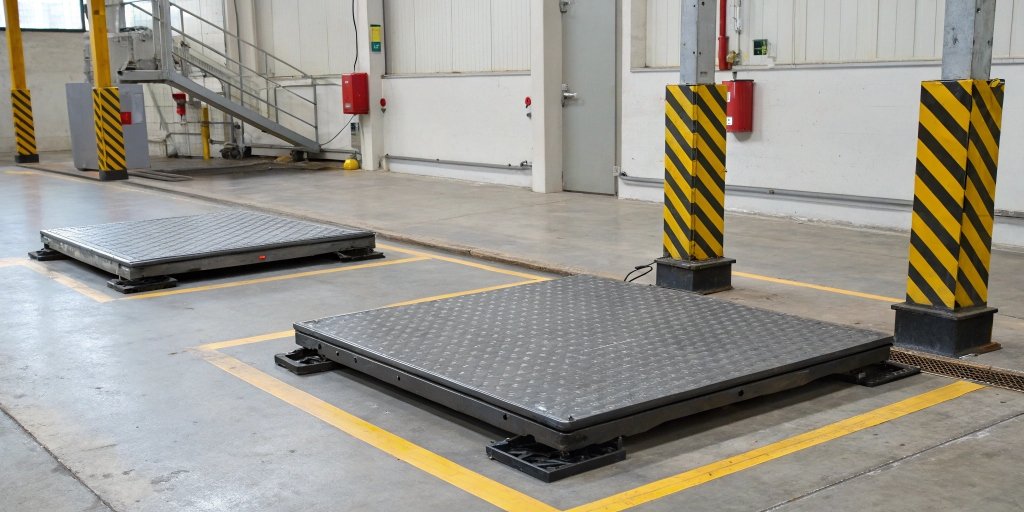
Weighing in hazardous areas presents a serious risk, where a single spark could lead to a catastrophic explosion. Using the wrong type of scale isn't just a compliance issue; it's a critical safety failure. Understanding the two main explosion protection methods is the first step toward ensuring a safe workplace.
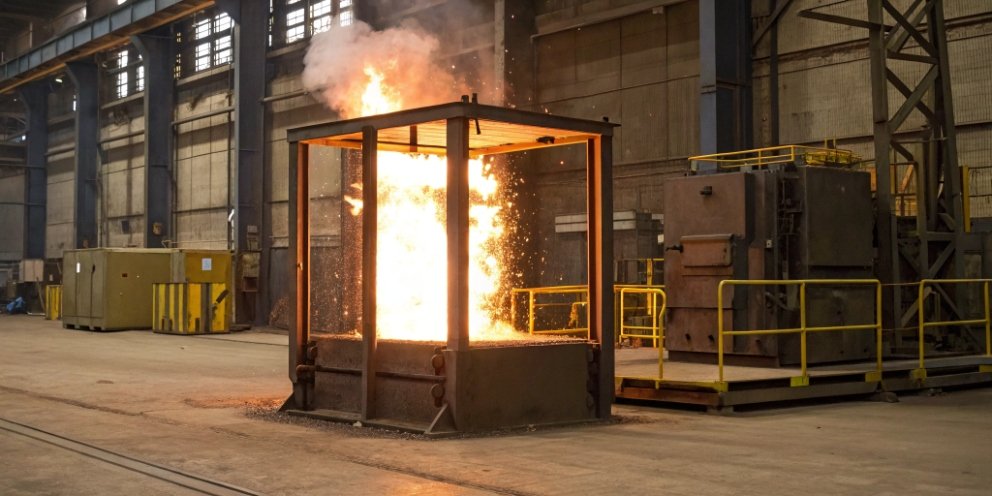
The primary difference is how they achieve safety. Explosion-proof scales use a heavy-duty enclosure designed to contain an internal explosion and prevent it from igniting the surrounding atmosphere. Intrinsically safe scales prevent explosions by limiting electrical and thermal energy, ensuring the circuitry itself cannot create a spark or get hot enough to cause ignition.
Choosing the right scale can feel complex, but it doesn't have to be. As a manufacturer with nearly two decades of experience, I've guided countless clients through this process. It all comes down to understanding your specific environment and matching it with the right technology. Let's break down how these technologies work and how to select the best one for your needs.
How to Choose an Explosion-Proof Scale?
Making the wrong choice in a hazardous environment is a risk no one can afford. The confusion between different protection types can lead to purchasing a non-compliant or unsafe scale. A clear, step-by-step selection process will ensure you get it right.
A proper selection involves more than just looking at capacity. You must first identify your hazardous area classification, determine the required accuracy and capacity, and finally, verify that the scale possesses the necessary safety certifications for your region.
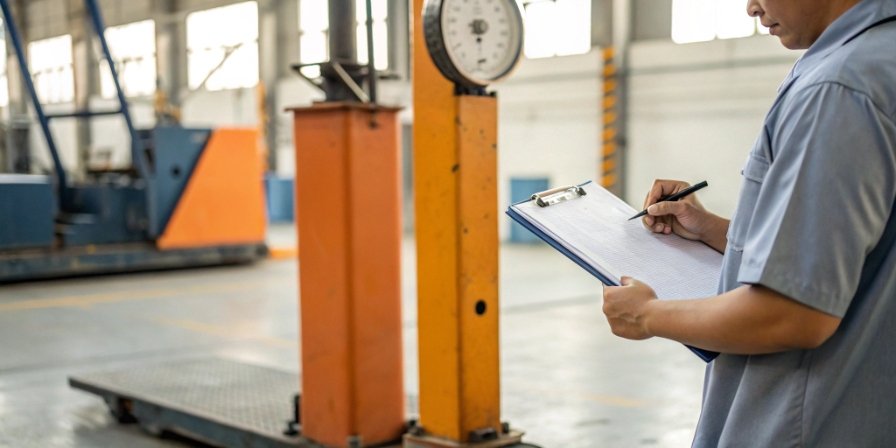
To ensure you make a safe and compliant choice, follow a structured approach. I always tell my clients, especially those in software and tech who value precision, to think of it as debugging a system. You start with the most critical variable: the environment itself. First, you must have your hazardous areas professionally classified into Zones (e.g., Zone 0, 1, or 2 for gases) or Divisions. [36, 52] This classification tells you the level of risk. [41] For example, Zone 0 is an area where an explosive atmosphere is continuously present, representing the highest risk. [41, 56] Once you know your zone, you can match the protection method. The next step is to verify the scale has the correct certifications, such as ATEX for Europe, IECEx for international standards, or others specific to your region. [45, 46] Finally, consider the weighing performance itself—capacity, resolution, and materials—to ensure it meets your operational needs.
What Is the Difference Between Intrinsically Safe and Explosion-Proof Scales?
The terms "intrinsically safe" and "explosion-proof" sound similar, but they describe fundamentally different safety concepts. Misunderstanding this difference is a common but dangerous mistake for procurement managers, potentially leading to the purchase of a scale that is unsafe for its intended environment.
The core difference lies in their approach to preventing an explosion. Explosion-proof equipment is designed to contain an explosion if one happens inside its housing. Intrinsically safe equipment, on the other hand, operates on such low energy that it cannot cause a spark or generate enough heat to ignite a hazardous atmosphere in the first place.
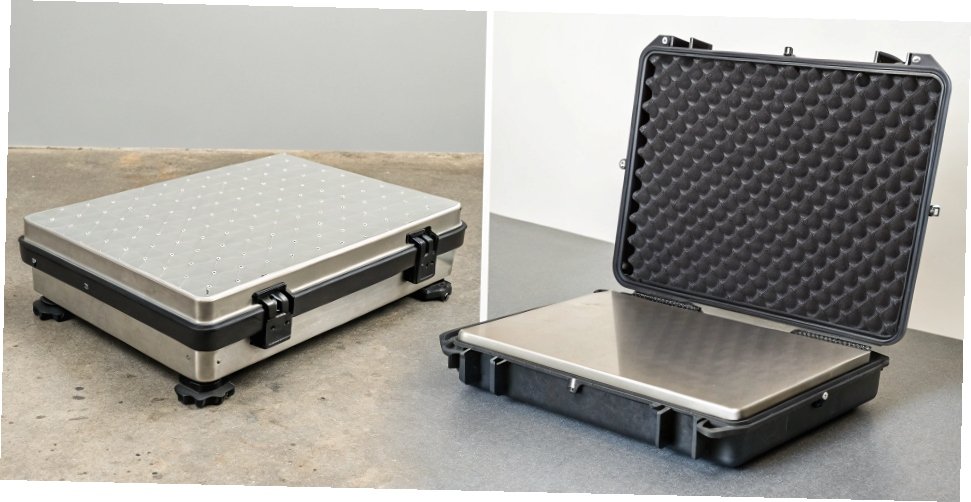
Let's dive deeper into the two fundamental principles for safety in hazardous locations. Think of it like this: explosion-proof is about containment, while intrinsic safety is about prevention.
Explosion-Proof ( Ex d)
This method uses what's often called a "flameproof" enclosure. [35] The idea is that the electrical components inside might create a spark and ignite flammable gas that has entered the housing. [48] The enclosure is built to be strong enough to withstand the pressure of this internal explosion and, critically, to cool any escaping gases through a flame path (like the threads of the cover) so they cannot ignite the hazardous atmosphere outside. [47]
Intrinsically Safe ( Ex i)
This is a more proactive approach. The entire electrical system—including the scale, wiring, and any connected devices—is designed to be low-energy. [37] The voltage and current are limited to a level that is physically insufficient to create a spark or heat capable of igniting the specific hazardous material present. [37] This is often achieved using safety barriers that regulate the energy flowing into the hazardous area. [37] Because it prevents the ignition source from ever forming, it is considered the safest method for the highest-risk areas.1 [41]
How Do Explosion-Proof and Intrinsically Safe Technologies Compare for Industrial Scales?
You know the technical difference, but which is practically better for your weighing application? The pros and cons aren't always obvious and can significantly impact your budget, operations, and maintenance schedule. A side-by-side comparison makes the choice clearer.
Intrinsically safe systems are generally lighter, easier to maintain, and the required choice for the highest-risk zones (Zone 0/20). Explosion-proof enclosures are heavy and rugged but can be more complex to install and maintain, often requiring a "hot work permit" to open for service.
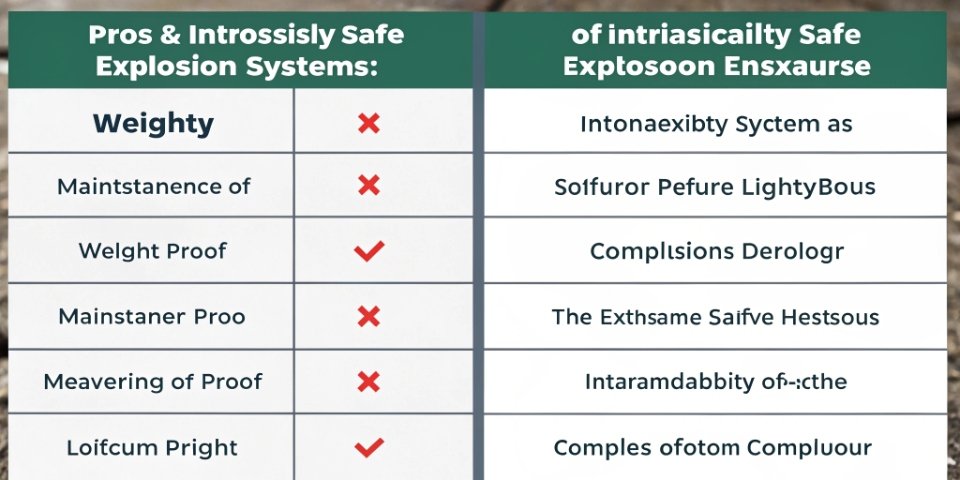
From my 19 years of experience, I've seen clients choose the wrong option because they only looked at the upfront cost. The total cost of ownership is a much better metric. Here is a more detailed breakdown to help you compare:
| Feature | Intrinsically Safe (IS ) | Explosion-Proof (XP ) |
|---|---|---|
| Principle | Prevention: Limits energy to prevent ignition. [37] | Containment: Contains an internal explosion within a rugged housing. [41, 48] |
| Safety Level | Can be used in the highest risk areas (Zone 0, Zone 20). [41, 52] | Generally used in lower risk areas (Zone 1, Zone 2). [35] |
| Installation | Simpler and more flexible. Live maintenance is often possible without shutting down the area. [47] | More complex and costly. Often requires heavy, sealed conduits for wiring. [48] |
| Maintenance | Easier and safer. Covers can be removed without de-energizing, as the circuits are low-energy. | Difficult and time-consuming. The area must be cleared of gas or the power must be shut off before opening the enclosure. [41] |
| Weight & Size | Lighter and more compact. Suitable for portable or mobile scales. | Heavy, bulky, and robust due to the thick enclosure. Better for fixed installations. |
| System Approach | The entire system (scale, barrier, wiring) must be certified as intrinsically safe. | Focus is mainly on the integrity of the enclosure itself. |
My insight for software vendors and technical buyers is to view intrinsic safety like robust, preventive code, while explosion-proof is more like a try-catch block for hardware. The former prevents the error entirely; the latter handles the error when it occurs.
What Should You Consider When Selecting an Explosion-Proof Weighing Scale?
Making the final purchase decision can be daunting. Overlooking a single factor can compromise the safety of your plant and the compliance of your operations. A simple checklist can help you cover all critical points.
The most critical factor is a correct match between your classified hazardous area (e.g., Zone 1, Div 2), the substance you're handling (gas or dust), and the scale's protection method and certifications (ATEX, IECEx, etc.). Only then should you evaluate performance like capacity and accuracy.
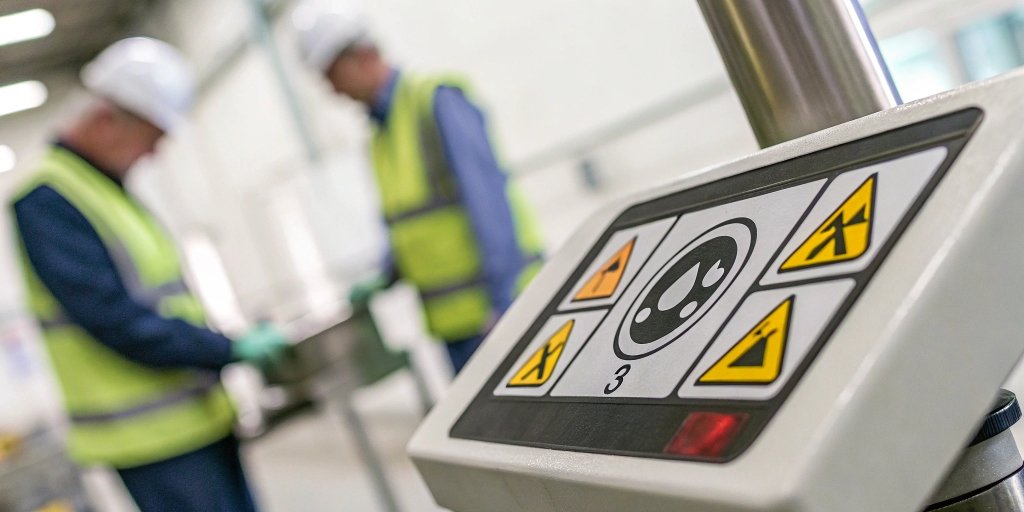
I always walk my clients through a final checklist before they decide. It's about ensuring the solution is not just compliant on paper but practical and safe for their specific workflow. Here are the key points to confirm:
1. Match the Protection to the Hazardous Area Zone
This is the most critical step. Your site's safety assessment should define the zones.
- Zone 0 or 20 (Gases/Dusts): An area where explosive atmospheres are present continuously or for long periods. You must use an Intrinsically Safe
iacategory device. [41, 52] - Zone 1 or 21 (Gases/Dusts): An area where explosive atmospheres are likely to occur in normal operation. Intrinsically Safe
ibor Explosion-Proofdtypes are suitable. [35, 41] - Zone 2 or 22 (Gases/Dusts): An area where explosive atmospheres are not likely to occur, and if they do, will persist for only a short period. Any type of explosion-proof scale can be used. [41, 52]
2. Verify Certifications and Markings
Don't just take the "explosion-proof" claim at face value. Look for official certification marks on the product.
- ATEX: Required for equipment used in the European Union. [50]
- IECEx: An international certification accepted in many countries, which simplifies global trade. [45]
- Local Certifications: North America uses Class/Division systems with certifications from bodies like FM or UL. [46]
Always request a copy of the certificate and ensure it matches the model you are buying. [35]
3. Evaluate Weighing Performance and Durability
Finally, remember it's a scale. Does it meet your operational needs?
- Capacity and Readability: Is it precise enough for your recipes or transactions? Does it have enough capacity for your heaviest loads?
- Materials: For chemical or pharmaceutical environments, a stainless steel body (like 304 or 316 grade) is often necessary for corrosion resistance and hygiene.2 [42]
- Power Supply: Intrinsically safe scales often use special rechargeable battery packs that must be charged in a safe area. [42] Make sure this fits your workflow.
Conclusion
Choosing the right explosion-proof scale comes down to matching the protection method—containment (explosion-proof) or prevention (intrinsically safe)—to your specific hazardous zone classification and ensuring proper certification. Prioritize safety and compliance first.
-
"Ex ia vs Ex ib vs Ex ic Explained: Understanding Intrinsic ...", https://www.exproofhub.com/2026/06/ex-ia-vs-ex-ib-vs-ex-ic-explained.html. IECEx and ATEX classification guidance identifies Ex ia intrinsic-safety protection as suitable for Zone 0 applications, where explosive atmospheres may be continuously present, indicating its use in the most stringent hazardous-area category. Evidence role: expert_consensus; source type: institution. Supports: Intrinsic safety, particularly Ex ia, is suitable for the highest-risk hazardous areas such as Zone 0.. Scope note: This supports suitability for highest-risk zones; it does not prove that intrinsic safety is universally the safest method for every process or device type. ↩
-
"Sanitary Design and Construction of Food Equipment", https://downloads.regulations.gov/FDA-2013-N-0013-0001/attachment_22.pdf. Materials-engineering and public-health guidance describes austenitic stainless steels such as 304 and 316 as corrosion-resistant materials commonly used where cleanability and sanitary performance are important. Evidence role: general_support; source type: education. Supports: 304 or 316 stainless steel is often selected for corrosion resistance and hygiene in chemical or pharmaceutical weighing environments.. Scope note: The citation supports the material properties generally; the necessity of 304 or 316 stainless steel depends on the chemicals, cleaning regime, and applicable industry standards. ↩


Comments (0)