

Are you losing profits to ingredient errors? Manual weighing slows you down, creates waste, and hurts your bottom line. It's time for a change that brings accuracy and speed.
The best way to improve is by adopting an automated weighing system. Smart PC scales with recipe management software guide your staff, ensuring they add the right amount of each ingredient every time. This simple change reduces errors, controls waste, and boosts efficiency.
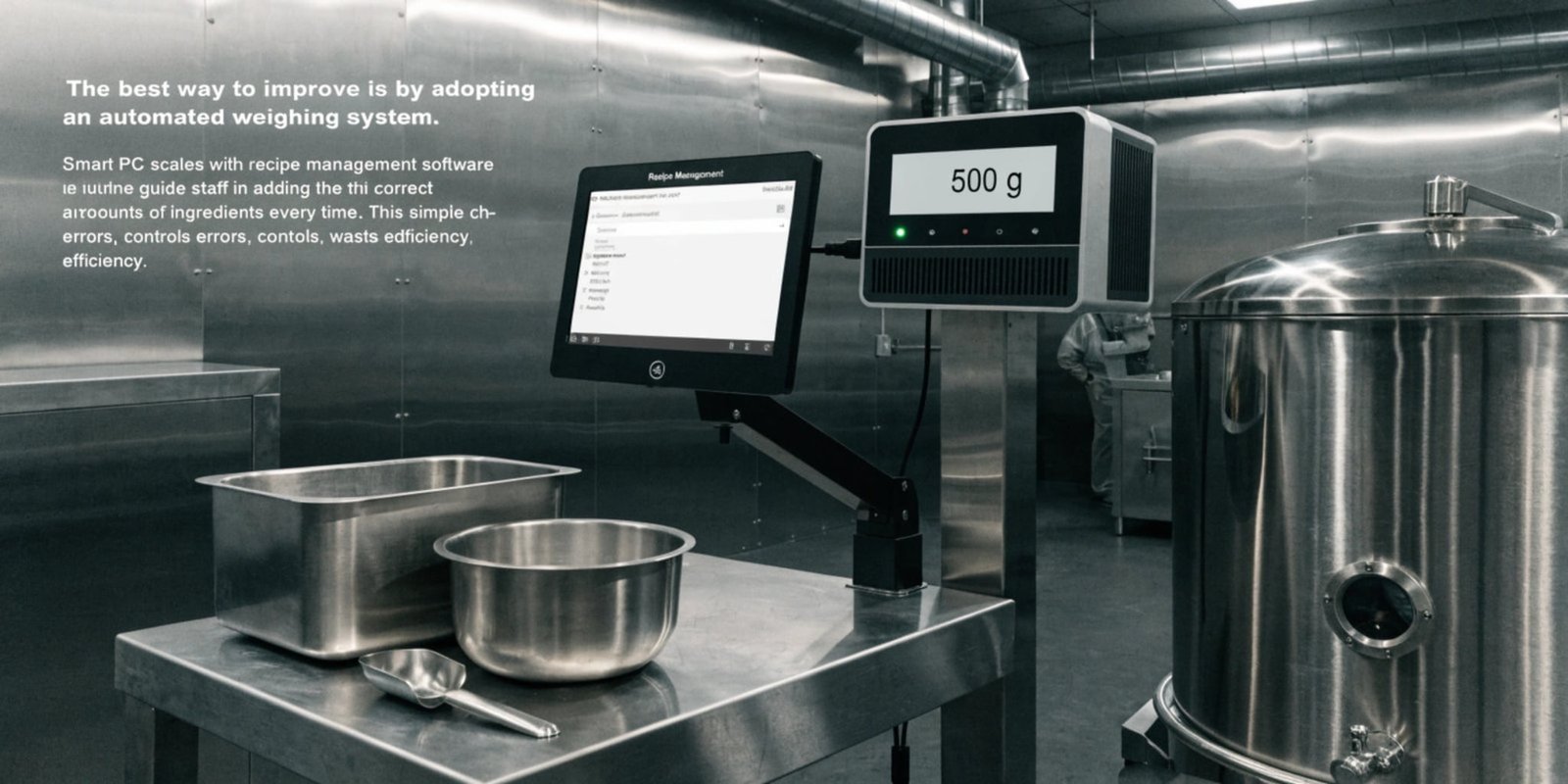
I've seen so many food processing plants struggle with the same issues. They have skilled workers, but manual weighing introduces tiny mistakes that add up to big losses. It's a common problem, but the solution is surprisingly straightforward. By moving away from reliance on human estimation and towards guided, automated processes, factories can see immediate improvements. This isn't about replacing your team; it's about empowering them with better tools to do their job perfectly. Let’s explore how this tech can specifically address accuracy and efficiency.
How Can Automation Improve Accuracy and Efficiency in Manual Weighing During Food Production?
Tired of inconsistent batches and slow production? Relying on manual weighing means you're always one small mistake away from a big problem. This is a common struggle for many.
Automation provides the precision and speed manual processes lack. It guides operators to add exact amounts, eliminating guesswork and human error. This leads to consistent product quality, reduced waste, and much faster production cycles, directly improving your bottom line.
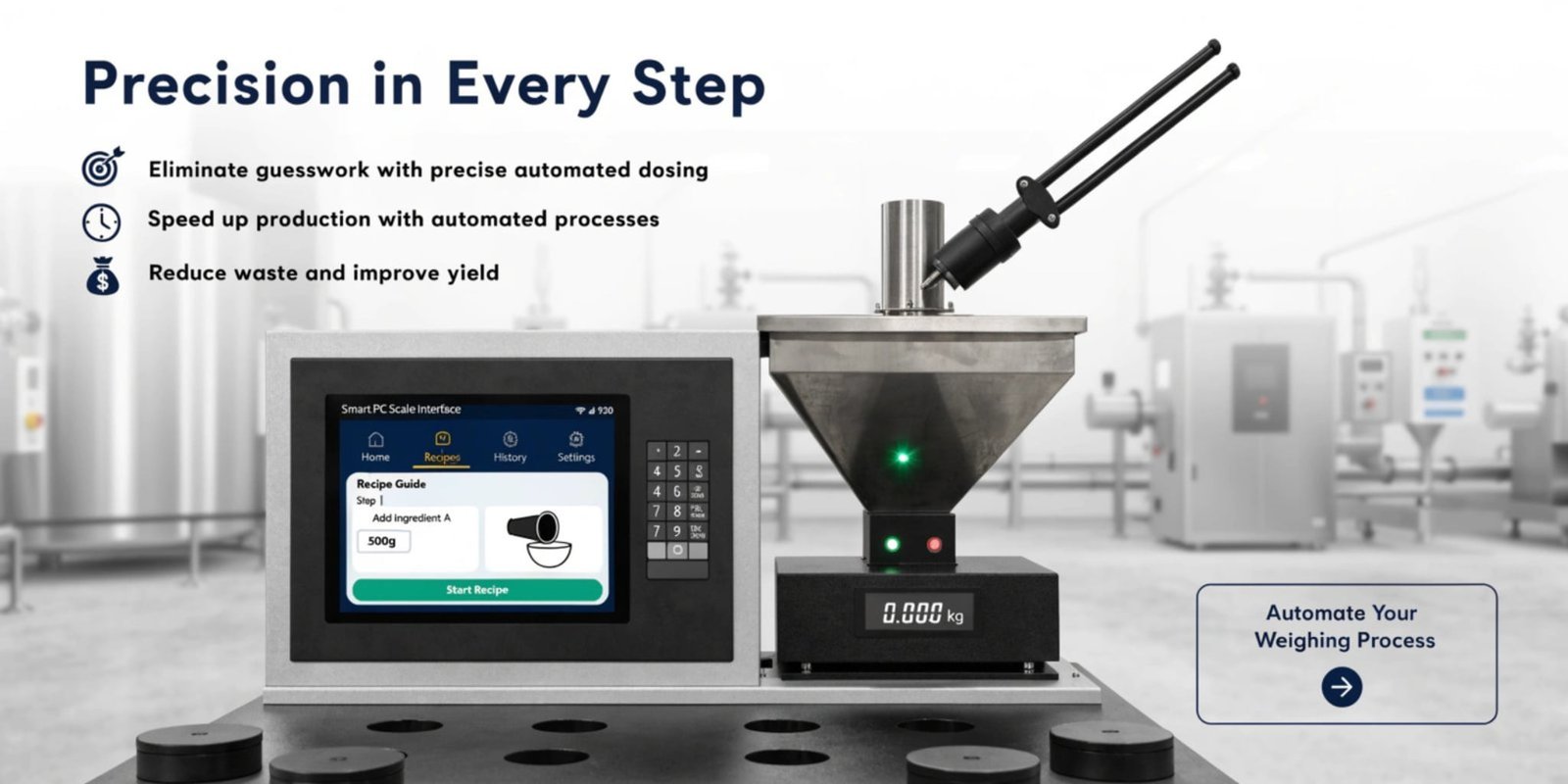
When I talk with technical directors, a common theme is the pressure to increase output without sacrificing quality. This is where automation in weighing becomes a game-changer. It's not just about speed; it's about reliable, repeatable accuracy. Think of it as giving your production team a digital assistant. The system can be programmed with all your recipes. When an operator starts a batch, the scale knows exactly what's needed. It prompts them for each ingredient and confirms the weight in real-time. This guided process stops errors before they happen. For businesses like yours, software vendors, this opens doors. Our hardware can seamlessly integrate with your management systems (ERP, MES), turning weight data into valuable, actionable insights for inventory and quality control.1 This integration transforms a simple scale into a smart data hub on the factory floor.
What Are Effective Ways to Reduce Errors in Ingredient Weighing Processes in Food Factories?
Are you constantly dealing with wasted ingredients or inconsistent products? Human errors in weighing are a major cause, from misreading scales to simple distractions. This costs you money and damages brand reputation.
The most effective way is to use a guided batching system. Smart scales prompt operators, verify ingredient weights against your recipe, and prevent the process from moving forward until the correct amount is added. This simple control nearly eliminates weighing errors.
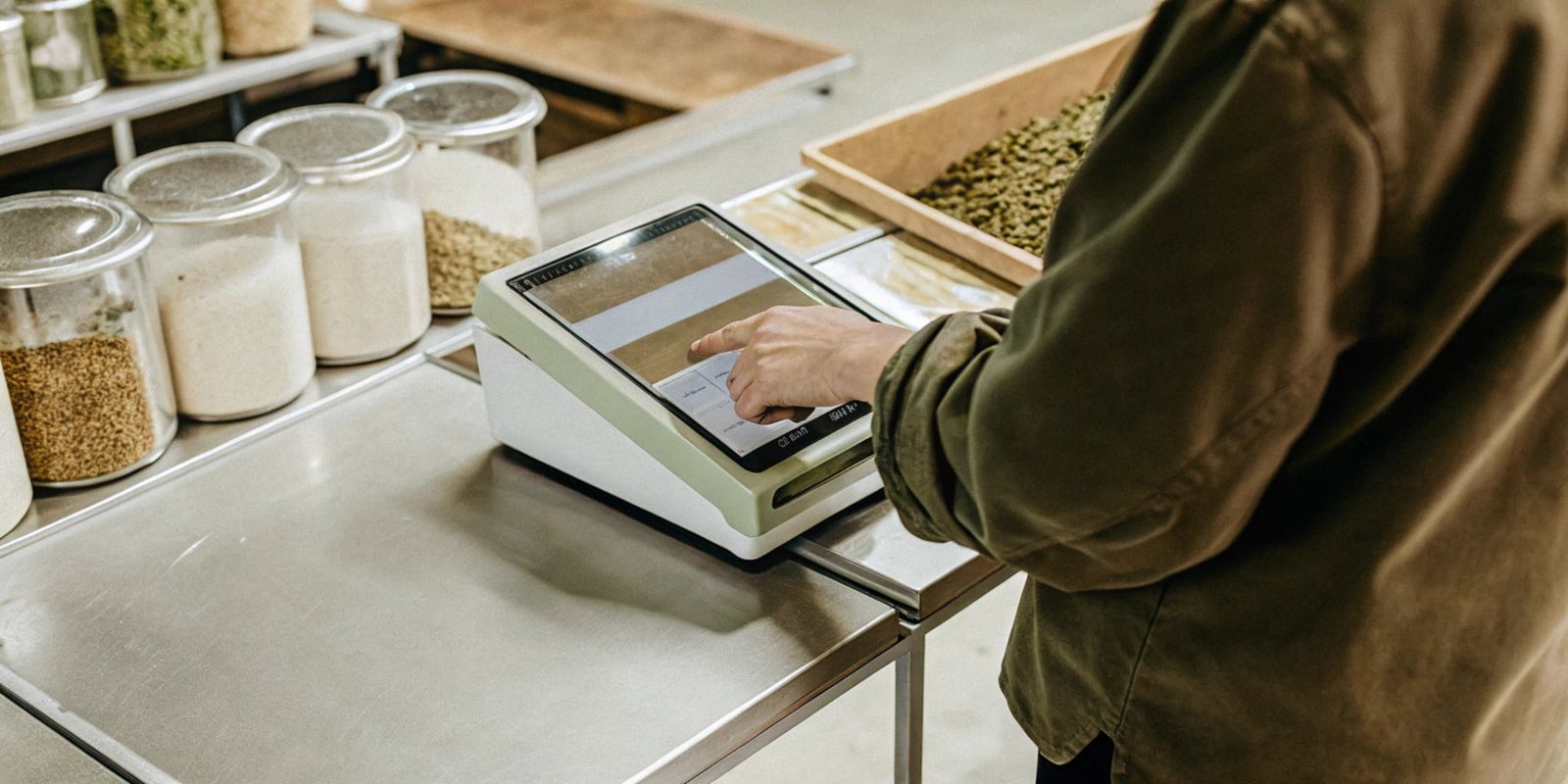
I remember visiting a large bakery that was struggling with this exact issue. They were losing thousands each month because bakers, trying to work fast, would often estimate the last few grams of flour or sugar. The errors seemed small for each batch, but over a year, it was a massive loss. The core sources of error are nearly always the same:
| Source of Error | Manual Process Problem | Automated Solution |
|---|---|---|
| Misreading | An operator misreads the scale's display or a recipe sheet. | The system displays the target weight clearly and gives a simple go/no-go signal. |
| Incorrect Ingredient | An operator accidentally grabs a similar-looking ingredient. | The system can require a barcode scan to verify the correct raw material is being used.2 |
| Calculation Mistakes | When scaling a recipe up or down, manual math can lead to errors. | The software does all calculations automatically, ensuring perfect ratios at any batch size. |
| Fatigue/Distraction | Long shifts lead to a loss of focus and simple mistakes.3 | A guided, step-by-step process keeps the operator on track, even when tired. |
By addressing these root causes with technology, you remove the guesswork. This is crucial for your clients who need stable, reliable software. Our scales provide that hardware stability, and with your software on top, you can offer a complete, error-proof solution.
How Do You Enhance Productivity in Manual Weighing Tasks for Food Industry Operations?
Is your production line held back by a slow, manual weighing station? This bottleneck not only limits your output but also increases labor costs and the risk of mistakes under pressure.
Boost productivity by implementing semi-automated weighing solutions. Smart scales a provide step-by-step guidance which speeds up the process significantly. It reduces time spent on double-checking and correcting errors, allowing for faster and more accurate batch preparation.
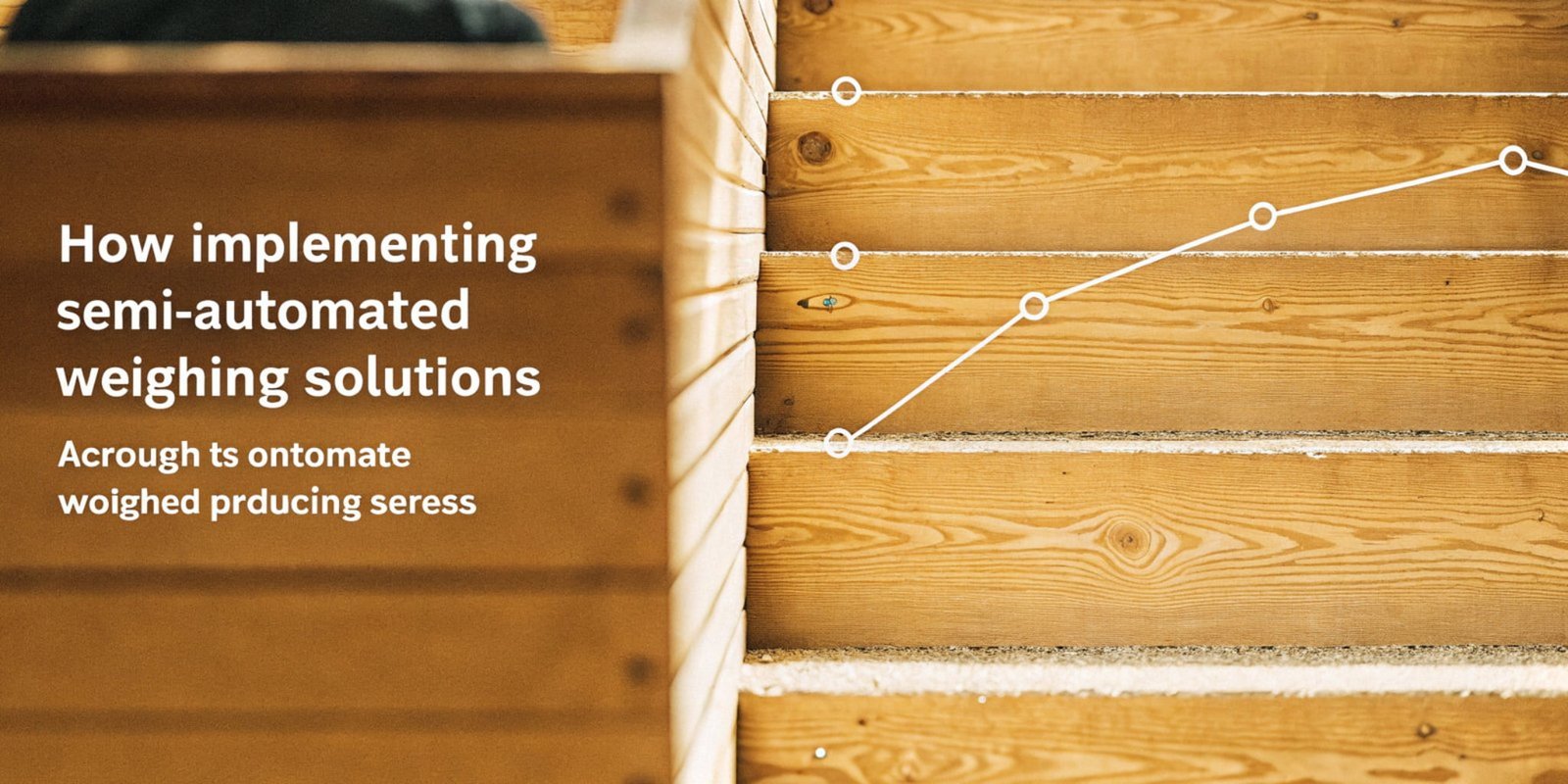
Productivity isn't just about moving faster. It's about getting it right the first time. Every time a batch is rejected due to a weighing error, you don't just lose the ingredients; you lose all the time and labor that went into it. Enhancing productivity, therefore, is directly linked to improving accuracy. I've worked with software companies who integrated their systems with our scales to provide deep insights into this. The data showed that a guided weighing process can reduce the time per batch by up to 30%4. This is because operators don't have to constantly refer to paper instructions or second-guess their measurements. The workflow is streamlined: the scale tells them what to get, how much to add, and when to move on. This structured approach also simplifies training. New employees can become productive and accurate much faster, reducing the learning curve. For a software provider, this is a powerful selling point: your system, running on our reliable hardware, not only ensures quality but also delivers a clear return on investment through increased throughput and lower labor costs per unit.
What Technologies Can Help Minimize Weighing Errors in Food Processing Plants?
Are you looking for a real solution to costly weighing errors? Guesswork and manual checks are unreliable. You need technology designed for precision, especially when dealing with expensive ingredients or strict recipes.
The key technologies are Smart PC Scales and IoT-enabled weighing systems. These devices integrate recipe management software that provides on-screen prompts, automatic voice announcements, and real-time weight verification to guide operators, making it almost impossible to make a mistake.

This is where my company, Weigherps, excels. We specialize in industrial electronic scales and custom weighing systems that empower software vendors like you. Our smart scales are more than just hardware; they are a platform for your innovation. Here's a breakdown of the technology:
- Intelligent PC Scales: These are robust scales with an integrated computer. You can run your software directly on our hardware, creating a seamless user experience. The scale becomes the central hub for the operator, displaying recipe steps and capturing data.
- Recipe Management Integration: Our systems are designed to connect with recipe databases. When a work order is selected, the scale automatically pulls the correct formula. An operator is then guided to add "Ingredient A: 2.50 kg." The scale's display shows the progress and will only allow them to proceed once the weight is within the defined tolerance.
- Data and Traceability: Every weighing action is recorded. You get a digital log of who weighed what, when, and how much for every batch. This is critical for quality control and regulatory compliance.5 It also provides the data needed for accurate inventory management and waste control. As a software expert, you can leverage this data stream through APIs to build powerful analytics dashboards for your customers.
- IoT Connectivity: Our IoT electronic scales can connect to the cloud, allowing for remote monitoring and management. Imagine being able to update recipes across multiple factories from a central office or getting an alert on your phone if a production line has an issue.
These technologies work together to create a fool-proof system that minimizes waste and maximizes efficiency.
Conclusion
Ultimately, moving from manual guesswork to guided automation is the key. Adopting smart PC scales with recipe systems empowers your team, ensures quality, and boosts your production efficiency and profits.
-
"Data Integration, Management and Fusion for AM ...", https://www.nist.gov/programs-projects/data-integration-management-and-fusion-am-industrialization. Enterprise–control integration frameworks describe how production measurements can be exchanged with manufacturing and business systems for inventory and quality management; they do not establish compatibility of a particular scale. Evidence role: mechanism; source type: institution. Supports: Integrating shop-floor weighing data with ERP and MES systems can support inventory and quality management.. Scope note: Neutral interoperability references support the architecture, not Weigherps-specific compatibility or the assertion that integration is seamless. ↩
-
"Application of DNA barcoding for ensuring food safety ... - PMC", https://pmc.ncbi.nlm.nih.gov/articles/PMC9433498/. Barcode-based identification enables a scanned material identifier to be checked against a required ingredient record; this verifies the recorded identity rather than the material's chemical composition. Evidence role: mechanism; source type: paper. Supports: Barcode scanning can check whether a selected raw material's recorded identity matches the recipe requirement.. Scope note: Barcode checks cannot independently detect mislabeled containers, incorrect master data, or unscanned substitutions. ↩
-
"Shiftwork, Long Work Hours, Fatigue - CDC", https://www.cdc.gov/niosh/learning/safetyculturehc/module-2/9.html. Occupational-health research associates extended working hours and fatigue with impaired attention and increased error risk, although effects vary with sleep, workload, and shift scheduling. Evidence role: general_support; source type: government. Supports: Long shifts and associated fatigue can reduce attention and increase the risk of operator error.. Scope note: Evidence on fatigue does not establish that guided weighing remains error-free when operators are tired. ↩
-
"Preferment Scaling – Poolish, Biga and Levain Weighing Control", https://sgsystemsglobal.com/glossary/preferment-scaling-poolish-biga-levain/. Comparative batch-timing measurements support estimates of time savings only for the workflows, batch definitions, and operating conditions measured; general automation evidence does not establish a 30% reduction. Evidence role: statistic; source type: research. Supports: A guided weighing process can reduce time per batch by up to 30%.. Scope note: The supplied article contains no independently verifiable basis for the 30% figure; an external study of a different process would provide contextual rather than direct support. ↩
-
"FSMA Final Rule on Requirements for Additional Traceability Records", https://www.fda.gov/food/food-safety-modernization-act-fsma/fsma-final-rule-requirements-additional-traceability-records-certain-foods. Food-safety recordkeeping and traceability rules require specified monitoring or transformation records in applicable circumstances; batch weighing logs may contribute information to these records. Evidence role: general_support; source type: government. Supports: Batch-level weighing records can support food-production quality control and applicable regulatory recordkeeping.. Scope note: Requirements depend on jurisdiction, product, and regulatory scope; a weighing log alone neither establishes compliance nor replaces all required records. ↩



Comments (0)