

Your production line is humming, but your scales in the cold room are lagging. This frustrating slowdown affects output and can lead to costly errors, disrupting your entire operation. There's a better way forward.
To solve slow response times and poor visibility, you need a waterproof scale specifically built for low-temperature environments. Optimal models feature an industrial-grade capacitive touchscreen responsive down to -30°C and a bright, adjustable green LED display for perfect clarity in any cold storage lighting.
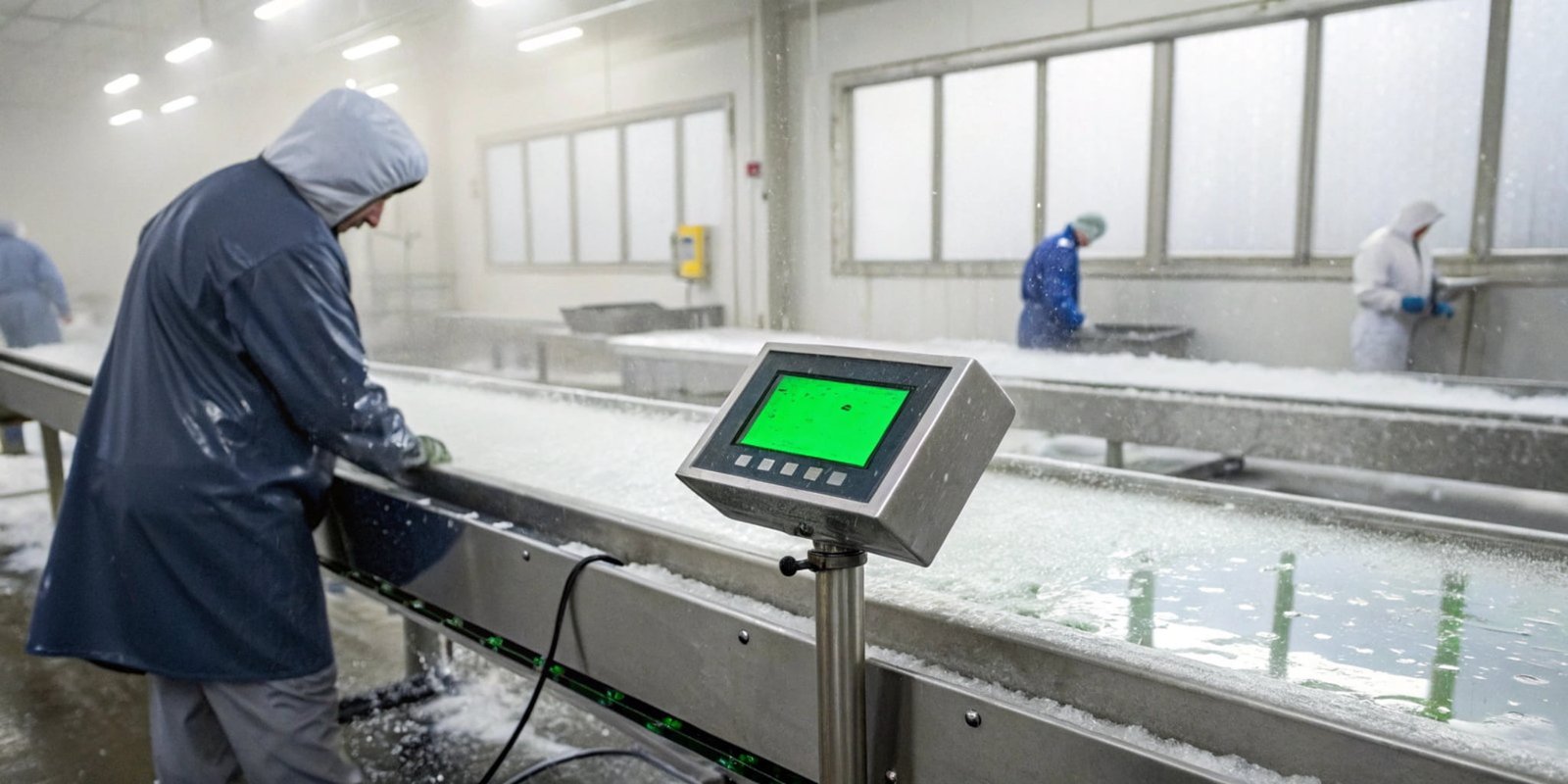
These problems with standard scales in harsh environments are something I see all the time. As an industrial scale manufacturer with almost two decades of experience, I know that choosing the right equipment isn't just a purchase; it's an investment in your plant's efficiency and accuracy. When you're dealing with freezing temperatures and constant washdowns, you can't afford to use equipment that isn't up to the task. Let’s explore the specific solutions that will keep your production line moving smoothly, without the weighing process becoming a frustrating bottleneck. We'll break down exactly what to look for.
What Type of Scale is Best for Low-Temperature, Humid Environments in Frozen Food Workshops?
Choosing the wrong scale for a cold, wet workshop feels like a never-ending cycle of failures. Constant replacements, unexpected downtime, and inaccurate readings eat into your profits. The solution is knowing the essential features.
The best scale is a waterproof one specifically designed for cold and washdown conditions. High-quality waterproof scales should have an IP68 rating and be built with stainless steel housings to ensure durability and resistance to moisture. These features ensure longevity and reliable performance where frequent cleaning is required.
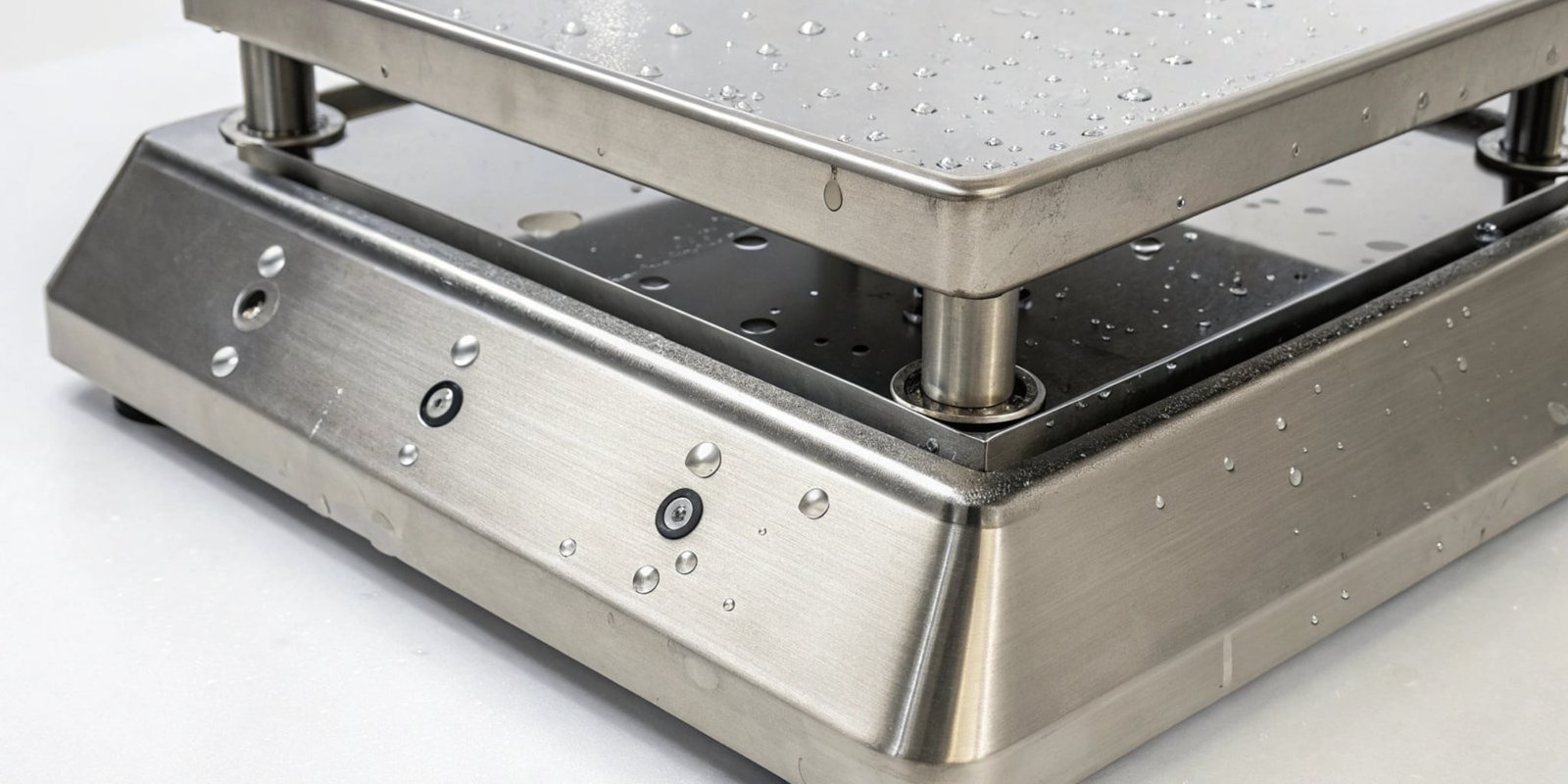
Let's dive deeper into what makes a scale truly ready for a frozen food facility. While the phrase "waterproof" gets used a lot, the technical specifications behind it are what really matter. As a purchasing or technical manager, you need to look past the marketing terms and focus on the certified ratings that guarantee performance. We build scales for these exact conditions, and the difference is in the details that protect against both water and cold. It’s not just about surviving; it’s about performing accurately and reliably, day in and day out.
IP Rating Explained
The Ingress Protection (IP) rating is a universal standard that tells you how well a device is sealed against solids and liquids. The first digit rates protection against solids like dust, and the second digit rates protection against water. For a frozen food workshop, you'll see ratings like IP67 and IP68. An IP67 rating means the device is dust-tight and can be submerged in up to 1 meter of water for 30 minutes. An IP68 rating also offers complete dust protection but can handle continuous immersion in water at depths specified by the manufacturer.1 For environments with frequent high-pressure washdowns, IP68 provides superior, long-lasting protection.2
Material Matters: Stainless Steel
The scale's housing material is just as important. Stainless steel is the ideal choice for these environments. It is highly durable and resistant to the corrosion that moisture and harsh cleaning agents can cause.3 Unlike painted mild steel that can chip or rust, or plastic that can become brittle in the cold, a stainless steel body maintains its structural integrity and hygienic properties. This is critical for meeting food safety regulations and ensuring the scale has a long service life, which is a key factor in calculating its true cost-effectiveness.
| Material | Durability in Cold | Corrosion Resistance | Hygiene |
|---|---|---|---|
| Stainless Steel | Excellent, not prone to becoming brittle. | Excellent, resists rust from water and cleaning agents. | Excellent, easy to sanitize and non-porous. |
| Mild Steel | Good, but coatings can be compromised. | Poor, will rust if protective paint is scratched. | Fair, can harbor bacteria if rust develops. |
| Plastic | Poor, can become brittle and crack in cold. | Excellent, but can be degraded by chemicals. | Good, but susceptible to scratches that can harbor bacteria. |
How Can You Improve Screen Visibility and Responsiveness on Scales in Cold, Wet Conditions?
You squint at the scale's dim display, trying to make out the numbers through condensation. This difficulty leads to weighing errors and inconsistent products, a major concern for quality control. The solution lies in choosing the right display and touch technologies.
To improve screen performance, select a scale with a bright, adjustable LED display; a green light often provides the best contrast in cold, dim lighting. An industrial capacitive touchscreen is also essential, as it stays sensitive and responsive even when operators are wearing gloves or temperatures are below freezing.
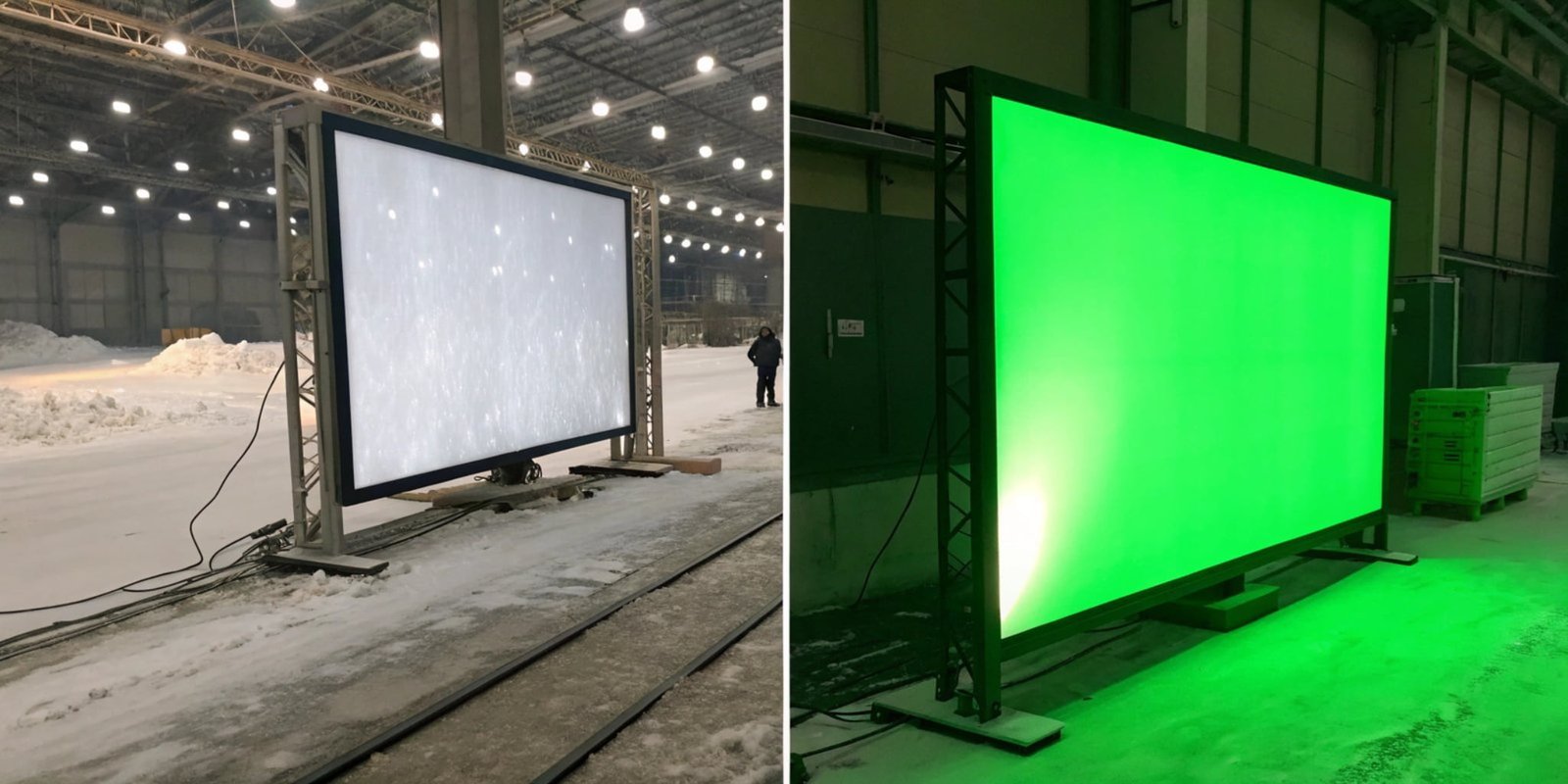
Over the years, I've seen many clients struggle with this exact issue. I recall one particular case with a seafood processing client in North America. Their weighing station was plagued with errors, slowing down their entire packing line. After talking with them, we identified the problem: their scale's standard LCD screen was too dim and slow in the refrigerated environment. We switched them to one of our waterproof scales with a high-contrast green LED display. The result was immediate. Their weighing accuracy improved dramatically because the staff could finally read the numbers clearly and quickly, even from an angle.
LED vs. LCD in the Cold
In cold environments, the choice between an LED and an LCD screen is clear. The liquid crystals in an LCD can thicken in the cold, which causes the display to become sluggish, dim, and slow to update.4 Most standard LCDs have an optimal operating range around 50–90°F.5 LED (Light-Emitting Diode) displays, on the other hand, generate their own light and are not as affected by low temperatures. In fact, LEDs can even become brighter in cooler temperatures, ensuring the display remains clear and easy to read.
Capacitive vs. Resistive Touchscreens
The type of touchscreen technology is also critical for responsiveness. Many older or cheaper industrial scales use resistive touchscreens, which require physical pressure to register a touch. These screens have flexible layers that can stiffen in the cold, making them unresponsive.6 You often have to press very hard to get a reaction. Capacitive touchscreens, like those on modern smartphones, detect the electrical properties of your finger. They are far more sensitive and are not impacted by the cold in the same way, offering a much smoother and more reliable user experience. While some capacitive screens don't work with regular gloves, industrial-grade versions are designed to work with the special gloves commonly used in food processing.
What are the Solutions for Using Electronic Scales Effectively in Frozen Food Processing Areas?
Your weighing station has become a frustrating bottleneck in an otherwise efficient production line. Every delay, every error, and every moment of downtime directly impacts your bottom line. An integrated approach that combines hardware and smart features is the answer.
The most effective solution is to use low-temperature waterproof scales with fast-stabilizing, temperature-compensated load cells. You should also leverage software features like automatic taring and direct data connectivity to an ERP or plant management system. This streamlines the workflow and reduces manual data entry in a challenging environment.
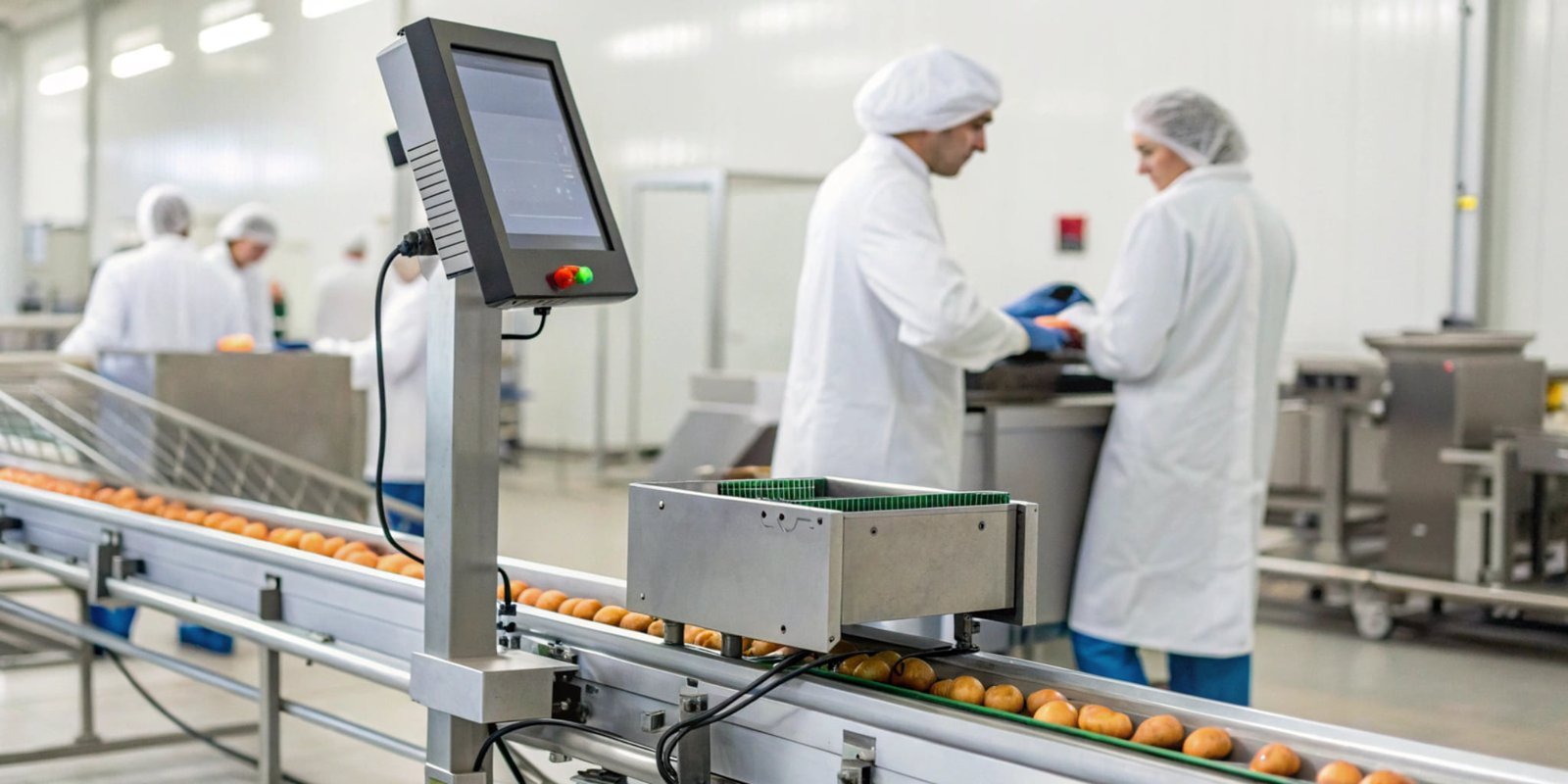
We're moving into an era where a scale is more than just a tool for measurement; it's a data collection point. As a company that specializes in IoT weighing solutions, we've helped many clients transform their operations. By connecting scales directly to their central systems, they eliminate transcription errors, gain real-time inventory insights, and speed up their entire process. The less time an operator has to spend manually interacting with the scale in a -20°C environment, the better. It improves employee comfort, reduces errors, and boosts overall productivity.
The Importance of Internal Components
A rugged exterior is only half the story. The internal components, especially the load cell, must be designed for cold, humid conditions. Load cells are typically made of steel or aluminum, which can contract in freezing temperatures and lead to inaccurate readings.7 That's why it's crucial to select scales with temperature-compensated load cells that are hermetically sealed. This protection prevents moisture from causing condensation inside the electronics, which can lead to short circuits and failure.8 A fast processor is also key, ensuring the weight reading stabilizes quickly so operators aren't left waiting.
Software and Connectivity for Efficiency
Modern weighing is about data. Scales that offer connectivity options—like RS-232, USB, or Ethernet—can revolutionize your workflow. Integrating a scale with your company’s Manufacturing Execution System (MES) or Enterprise Resource Planning (ERP) software creates a seamless flow of information. Weight data is captured automatically, eliminating manual logs and the potential for human error.9 This is a core part of what we do at Weigherps with our IoT-enabled scales. We help customers leverage technology to get accurate, real-time data from the factory floor, which is essential for smart inventory management and quality control.
| Feature | Standard Scale | Optimized Frozen Food Scale | ||
|---|---|---|---|---|
| [ | Stabilization Time | 3-5 seconds | <1-2 seconds | ](https://www.osti.gov/servlets/purl/1479805)[^10] |
| Data Output | Manual logging or basic serial | Ethernet, Wi-Fi, direct ERP/MES integration | ||
| Programmability | Limited to none | Custom functions (e.g., checkweighing, auto-tare) | ||
| Internal Protection | Basic or none | Sealed, temperature-compensated load cell |
How Do You Solve Slow Reaction and Screen Issues on Scales in Cold and Humid Factory Settings?
Your scale is lagging again, and every second it takes to stabilize is a second of lost productivity. The slow response and foggy screen are actively hurting your factory's throughput. The fix requires choosing specific hardware designed for these extreme conditions.
You solve these issues by selecting a scale with the right combination of core components. For slow reactions, choose a scale with a processor and load cell engineered for fast stabilization in cold temperatures. To fix screen problems, insist on a low-temperature industrial capacitive touchscreen and a high-contrast LED display instead of a standard LCD.

As a manufacturer, we understand that our clients need equipment they can trust without question. A scale's failure is our failure. This is why we have a rigorous quality control department that tests every single product—including its weight accuracy, battery life, and software performance—before it ever leaves our facility. We also stand by our products with a 12-month service guarantee. We believe support should be fast and reliable, because we know from our clients that slow after-sales service is a major pain point they want to avoid.
A Troubleshooting Checklist
If you are currently facing issues, use this checklist to assess your equipment:
- Temperature Rating: Is your scale officially rated to operate at your workshop's lowest temperature? Many standard scales are not designed for sub-zero use.
- IP Rating: What is its IP rating? For washdown areas, you should be looking for at least IP67, with IP68 being the gold standard for full protection.
- Display Technology: Is the display an LCD or an LED? In cold temperatures, an LED display is far more reliable and easier to read.
- Touchscreen Type: Is the touchscreen resistive or capacitive? A capacitive screen will offer better responsiveness in the cold.
- Last Calibration: When was the scale last calibrated? Temperature fluctuations can affect a scale's accuracy, so regular calibration is essential, especially during colder months.
The Role of Proper Installation and Maintenance
Even the best scale in the world will fail if it’s not installed or maintained correctly. The scale must be placed on a stable, level surface, away from heavy vibrations that could interfere with readings. Regular cleaning is also vital, not just for hygiene but to prevent ice or debris buildup that could affect the mechanics. Simple checks of the seals and cables can prevent moisture from getting inside. Partnering with a supplier that provides professional technical support and responsive after-sales service ensures that any issues are resolved quickly, minimizing downtime and protecting your investment.
Conclusion
To master weighing in cold, wet workshops, choose a waterproof, low-temp rated scale. Prioritize a captive touchscreen and a bright LED display to guarantee accuracy, speed, and efficiency.
-
"IP code - Wikipedia", https://en.wikipedia.org/wiki/IP_code. IEC 60529 distinguishes dust-tight enclosures and temporary immersion protection from immersion protection under specified conditions; IP68 does not designate a universal depth or duration. Evidence role: definition; source type: institution. Supports: IP67 and IP68 indicate dust-tightness and specified immersion protection.. Scope note: IP67 conditions depend on enclosure dimensions, and IP68 conditions must be checked for the particular equipment; neither rating alone establishes resistance to pressure washing. ↩
-
"IP code - Wikipedia", https://en.wikipedia.org/wiki/IP_code. The IP classification distinguishes immersion tests from water-jet and high-pressure, high-temperature water tests; an immersion rating alone does not establish washdown performance. Evidence role: definition; source type: institution. Supports: IP68-rated scales provide superior, long-lasting protection during frequent high-pressure washdowns.. Scope note: This evidence qualifies rather than validates the claim: superiority and service life require equipment-specific washdown and durability testing. ↩
-
"Study of the Corrosion Behavior of Stainless Steel in Food Industry", https://pmc.ncbi.nlm.nih.gov/articles/PMC11012613/. Stainless steel's passive surface film supports corrosion resistance in food-processing equipment, although chloride exposure and incompatible cleaning chemicals can cause localized corrosion. Evidence role: mechanism; source type: institution. Supports: Stainless steel housings resist moisture-related and cleaning-related corrosion.. Scope note: Resistance is grade- and exposure-dependent and does not establish the durability of an unspecified scale housing. ↩
-
"Development of liquid crystal displays and related improvements to ...", https://pmc.ncbi.nlm.nih.gov/articles/PMC9722359/. Temperature-dependent liquid-crystal viscosity can slow electro-optic switching at low temperatures, providing a mechanism for delayed LCD updates. Evidence role: mechanism; source type: paper. Supports: Cold conditions can make LCDs slower to update and dimmer.. Scope note: Slower switching does not by itself establish reduced brightness; performance depends on liquid-crystal composition, cell design, drive electronics, and backlighting. ↩
-
"Electro-Optical Characterization | Photovoltaic Research | NLR", https://www.nlr.gov/pv/electro-optical-characterization. LCD temperature-performance research establishes design-dependent operating limits rather than a single optimal temperature interval for all display types. Evidence role: general_support; source type: paper. Supports: Most standard LCDs operate optimally at approximately 50–90°F.. Scope note: General temperature studies cannot substantiate the specific 50–90°F range or its applicability to most standard LCDs without representative device data. ↩
-
"Flexible microscale tactile display with liquid-to-gas phase ...", https://pmc.ncbi.nlm.nih.gov/articles/PMC13187177/. Resistive touchscreens register pressure-induced contact between conductive layers, making the mechanical properties of the flexible layer relevant to touch actuation. Evidence role: mechanism; source type: research. Supports: Resistive touchscreen layers can stiffen in the cold enough to prevent reliable input.. Scope note: This operating principle does not establish cold-related failure; the magnitude of any change depends on membrane material, construction, and rated temperature. ↩
-
"[PDF] OIML R60-1 WD - NIST", https://www.nist.gov/document/4cdmarkedversionpdf. Load-cell metrology distinguishes temperature effects on zero output and sensitivity, and thermal expansion is one of several contributors to temperature-dependent measurement error. Evidence role: mechanism; source type: institution. Supports: Low temperatures can cause load-cell measurement errors through thermally induced changes.. Scope note: Error depends on the complete load-cell design and compensation range; material contraction alone does not predict weighing accuracy. ↩
-
"[PDF] NASA Electronic Parts and Packaging", https://ntrs.nasa.gov/api/citations/20140011782/downloads/20140011782.pdf. Condensed moisture can impair insulation and contribute to leakage, corrosion, and electrical failure; hermetic packaging limits external moisture ingress. Evidence role: mechanism; source type: research. Supports: Hermetic protection prevents internal condensation that could cause short circuits and failure.. Scope note: Sealing does not remove moisture trapped during assembly or guarantee condensation-free operation throughout service life. ↩
-
"[PDF] Categorization Errors for Data Entry in Maintenance Work-Orders", https://tsapps.nist.gov/publication/get_pdf.cfm?pub_id=928437. Automated instrument-to-system data transfer can remove manual transcription steps and their associated error opportunities. Evidence role: general_support; source type: research. Supports: Automatic weight-data capture eliminates manual logging and the potential for human error.. Scope note: Removing transcription does not eliminate errors in calibration, configuration, product assignment, or operator workflow, and benefits depend on the implementation. ↩



Comments (0)