
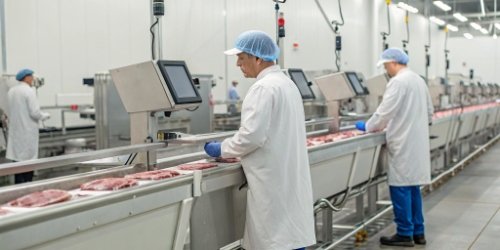
Slaughterhouses lose profit from untracked pre-cooling moisture loss. This invisible cost eats into your yields. What if you could see and manage this loss in real-time?
Effectively managing pre-cooling loss involves using an integrated weighing system. Our Weigherps system provides real-time data on carcass weight changes during cooling. This allows managers to track loss per unit, identify issues, and reduce costs by optimizing the process for better yield rates.
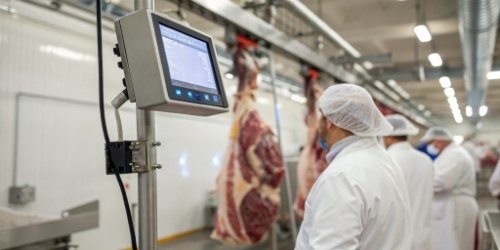
For 19 years, we've seen clients struggle with this exact problem. They knew they were losing money during the pre-cooling stage, but they could not put a precise number on it. It felt like trying to catch smoke. This data gap makes it impossible to truly optimize operations.1 It also creates a major headache for our partners in the software industry who need reliable data to build effective management systems. But technology has changed the game. Let's explore how you can turn this challenge into a powerful source of savings.
What Are Effective Strategies to Control Pre-Cooling Loss in Slaughterhouse Operations?
Your cooling process is a black box. This can cause unpredictable carcass shrinkage and profit loss. Without data, you can't tell if a specific shift or cooling chamber is underperforming.
Effective strategies include implementing real-time weight monitoring from hot carcass to chilled product. By using smart scales like our WeigherPS system, you can track loss percentages, compare performance across shifts, and adjust cooling parameters like temperature and humidity to minimize shrinkage.
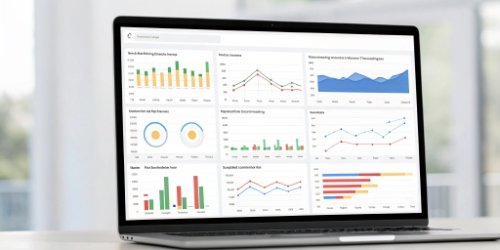
To truly get a handle on pre-cooling loss, you need to move from guessing to knowing. This starts with collecting the right data at the right time.2 Your software is only as good as the data it receives, which is where reliable weighing hardware becomes essential. We designed our systems to provide this data seamlessly.
Real-Time Data Collection
The first step is capturing the weight of the carcass immediately after slaughter (hot weight) and again after the pre-cooling process (cold weight). Our WeigherPS system does this automatically as part of the workflow. As the product moves to be cut, weighed, and shipped, our system scans its tag and records the final weight. It then instantly compares this to the initial hot weight, giving you a precise loss percentage for that specific carcass.
Performance Benchmarking
With this data, you can start asking important questions. Is one shift consistently having higher losses than another? Does a certain cooling unit perform worse than others? Our system helps you answer these by organizing the data. You can easily see loss metrics broken down by shift, time period, or even individual carcasses. This turns raw data into actionable insights for management.
| Method | Data Accuracy | Actionability |
|---|---|---|
| Traditional (Manual/Estimate) | Low | Very Limited |
| WeigherPS Smart System | High (Real-Time) | Highly Specific |
This clear benchmarking helps you spot problems quickly and take action where it matters most.
How Can Pre-Cooling Loss Management Be Used as a Tool to Cut Costs in Meat Processing Plants?
Hidden operational costs are eroding your profit margins every single day. Pre-cooling loss is one of the biggest, yet hardest to measure, of these hidden expenses. Let's change that.
By turning pre-cooling loss from an estimate into a precise metric, it becomes a key performance indicator (KPI). Our system calculates the exact cost of this loss per head, allowing managers to make data-backed decisions that reduce waste and directly boost the bottom line.
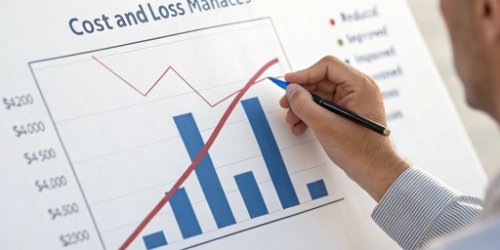
When you can measure something, you can manage it. This is especially true for costs. I once worked with a client who thought their pre-cooling loss was around 1.5%. After installing our system, they discovered it was closer to 2.5% in some areas, a difference that was costing them tens of thousands of dollars a month. That's the power of accurate data. Your software service can deliver this kind of value when it's powered by precise hardware.
From Weight Loss to Financial Loss
Our WeigherPS system doesn't just show you weight loss in kilograms or percentages. It translates that data into financial terms. By knowing the exact weight lost and the market value of the product, the system automatically calculates the monetary value of the pre-cooling loss. It even averages this cost on a per-head basis. This makes the impact of shrinkage real and immediate for the management team.
Identifying Cost-Saving Opportunities
Once you see the loss in actual currency, finding ways to save becomes a priority. The data might show that adjusting the humidity in a specific cooler by a small amount could save thousands per week. Or it might reveal that a particular team needs more training on handling procedures to prevent excess moisture loss. The data points you to the most effective cost-cutting interventions.
| Data Point | Corresponding Action | Potential Impact |
|---|---|---|
| High loss in Cooler #3 | Recalibrate temperature/humidity | Reduced shrinkage by 0.5% |
| High loss on Night Shift | Conduct targeted training | Standardized loss across shifts |
These targeted actions, driven by data, lead to significant and sustainable cost reductions.
What Is the Best Approach for Minimizing Pre-Cooling Loss and Optimizing Profit in Slaughterhouses?
You are probably looking for the single best way to tackle pre-cooling loss. Juggling different methods without a clear, integrated approach can be inefficient and frustrating. The best solution is one that is holistic.
The best approach integrates smart weighing technology throughout the production line. Our WeigherPS system serves as the data backbone, providing live insights. This data empowers your team to monitor, analyze, and continuously improve the cooling process, ensuring minimal loss and maximum profit.
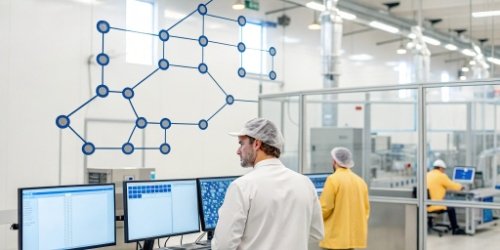
I recall speaking with a technical director from a European software company. They were building a complete plant management solution for a major meat processor. Their biggest challenge was getting reliable, real-time data from the production floor. Their software was powerful, but it needed accurate inputs. We worked with them to integrate our WeigherPS scales directly into their system via our API. The result was a seamless flow of data that transformed their client's operations. This is the goal: a perfect synergy between hardware, software, and people.
Technological Integration
The foundation is technology. Smart scales must be more than just weighing devices. They need to connect and communicate. Our systems are designed for this, offering easy integration with existing ERP or management software. This allows the data to flow automatically from the scale to the dashboard where it can be analyzed. This is crucial for software vendors who need a reliable hardware partner.
Procedural Adjustments
With good data, you can then refine your procedures. The insights from the weighing system will guide you. Maybe you need to change the loading patterns in your chillers. Maybe you need to adjust the airflow speed. These are no longer shots in the dark. Every adjustment can be measured, and its impact on the loss rate can be verified.3
Team Empowerment
Finally, this data must be put into the hands of the people on the floor. When teams can see their performance in real-time—how much loss their shift is generating compared to the target—it creates a sense of ownership. We’ve seen clients implement bonus programs based on these KPIs, which further motivates employees to follow best practices and contribute to cost-saving efforts. This combination of technology, process, and people is unbeatable.4
Conclusion
In summary, managing pre-cooling loss with smart weighing technology gives you visibility. This visibility creates control, which directly leads to lower costs, higher yields, and better profits for your business.
-
"Innovative Technologies Reshaping Meat Industrialization - PMC - NIH", https://pmc.ncbi.nlm.nih.gov/articles/PMC12248625/. This source highlights how data gaps hinder operational optimization in meat processing. Evidence role: mechanism; source type: education. Supports: Data gaps prevent optimization of operations in meat processing plants.. Scope note: The source may discuss data gaps broadly, not exclusively in pre-cooling loss management. ↩
-
"The Importance of the Slaughterhouse in Surveilling Animal ... - PMC", https://pmc.ncbi.nlm.nih.gov/articles/PMC9959654/. This source discusses the importance of timely data collection in optimizing meat processing operations. Evidence role: mechanism; source type: research. Supports: Timely data collection is crucial for optimizing meat processing operations.. Scope note: The source may focus on general data collection benefits, not specific timing issues. ↩
-
"[PDF] Finite Element Modeling and Experimental Validation of Cooling ...", https://digitalcommons.unl.edu/cgi/viewcontent.cgi?article=1096&context=biosysengfacpub. This source discusses how measurable adjustments in cooling processes can reduce pre-cooling loss. Evidence role: mechanism; source type: research. Supports: Measuring adjustments in cooling processes can verify their impact on pre-cooling loss rates.. Scope note: The source may focus on general measurement benefits, not specific adjustments. ↩
-
"Innovative Technologies Reshaping Meat Industrialization - PMC - NIH", https://pmc.ncbi.nlm.nih.gov/articles/PMC12248625/. This source discusses the synergy between technology, processes, and personnel in optimizing meat processing operations. Evidence role: expert_consensus; source type: education. Supports: Combining technology, processes, and personnel optimizes meat processing operations.. Scope note: The source may focus on general synergies, not specific examples in pre-cooling loss management. ↩


Comments (0)