
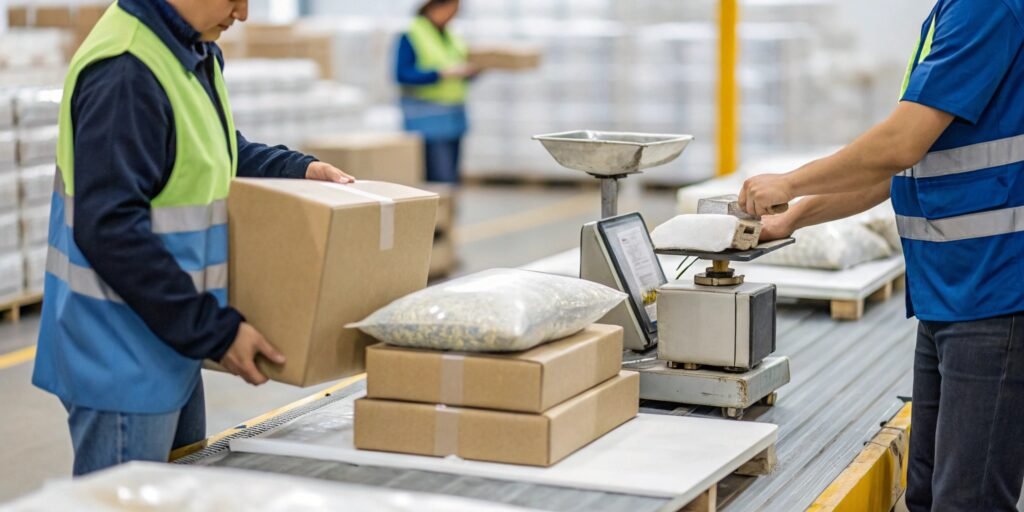
Customer complaints about incorrect package contents are damaging your brand and causing financial losses. These errors create legal risks and erode customer trust. What if you could stop these packaging mistakes before they even leave your factory?
The most effective way is to install an online checkweigher on your packaging line. This system automatically weighs every single package in real-time. It instantly rejects any products that are overweight or underweight, preventing them from ever reaching a customer and eliminating complaints at the source.
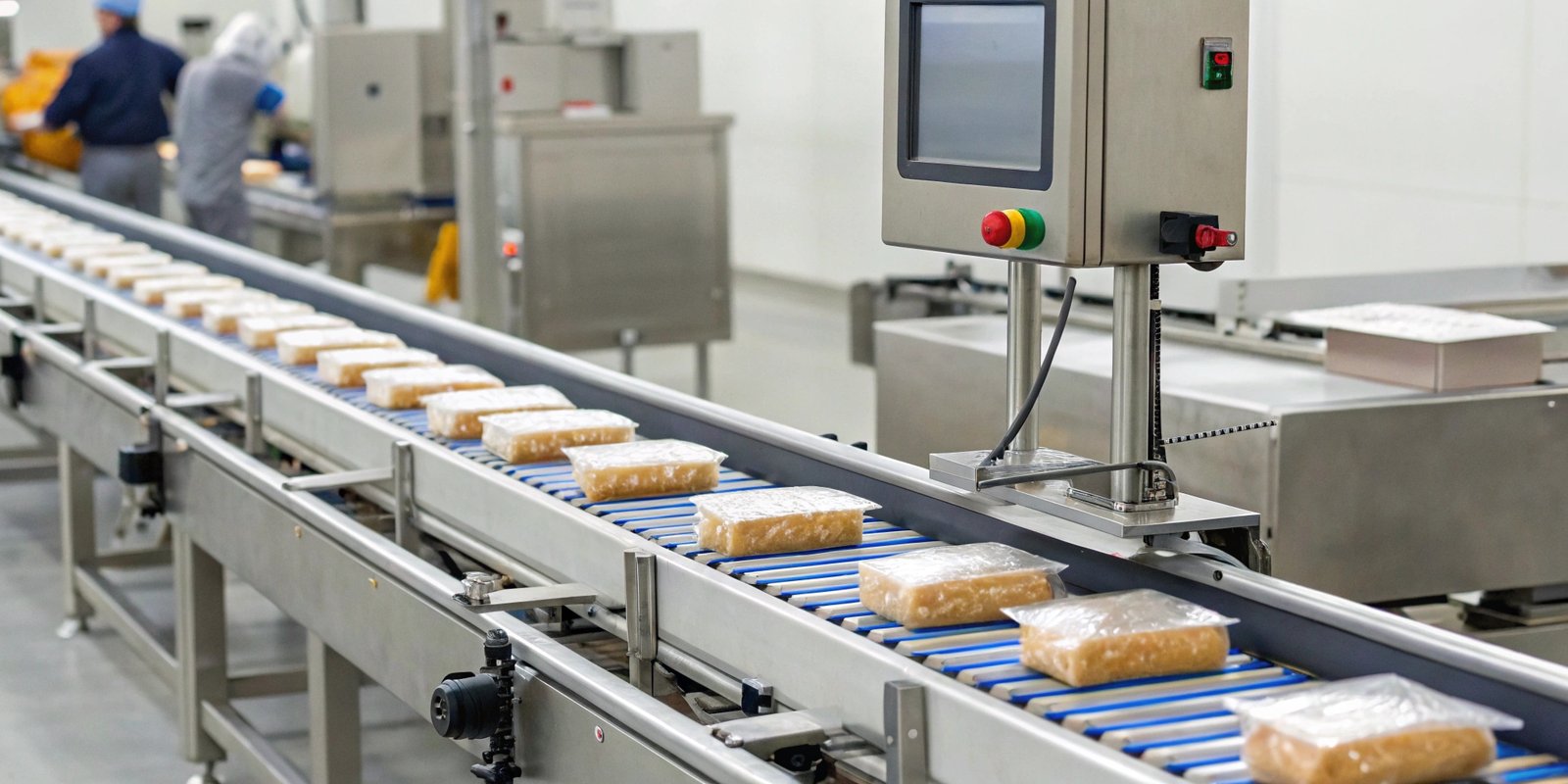
You are probably tired of hearing about these preventable errors. It is frustrating to invest so much in production, only to have packaging mistakes undermine your efforts and reputation. Let's explore the solutions that bring consistency and reliability back to your workshop. We will start by looking at how you can reduce these common mistakes and minimize those dreaded customer complaints.
How Can Packaging Errors Be Reduced in Food Production to Minimize Customer Complaints?
Packaging errors feel unavoidable, leading to constant customer service fires. This damages your brand's reputation for quality. What if you could systematically eliminate these errors and restore reliability?
Reducing packaging errors requires a system that verifies every single item. An in-line checkweigher provides this by automatically weighing 100% of your products on the line. It physically removes any non-compliant packages, ensuring only perfectly filled items are shipped, which directly minimizes customer complaints.
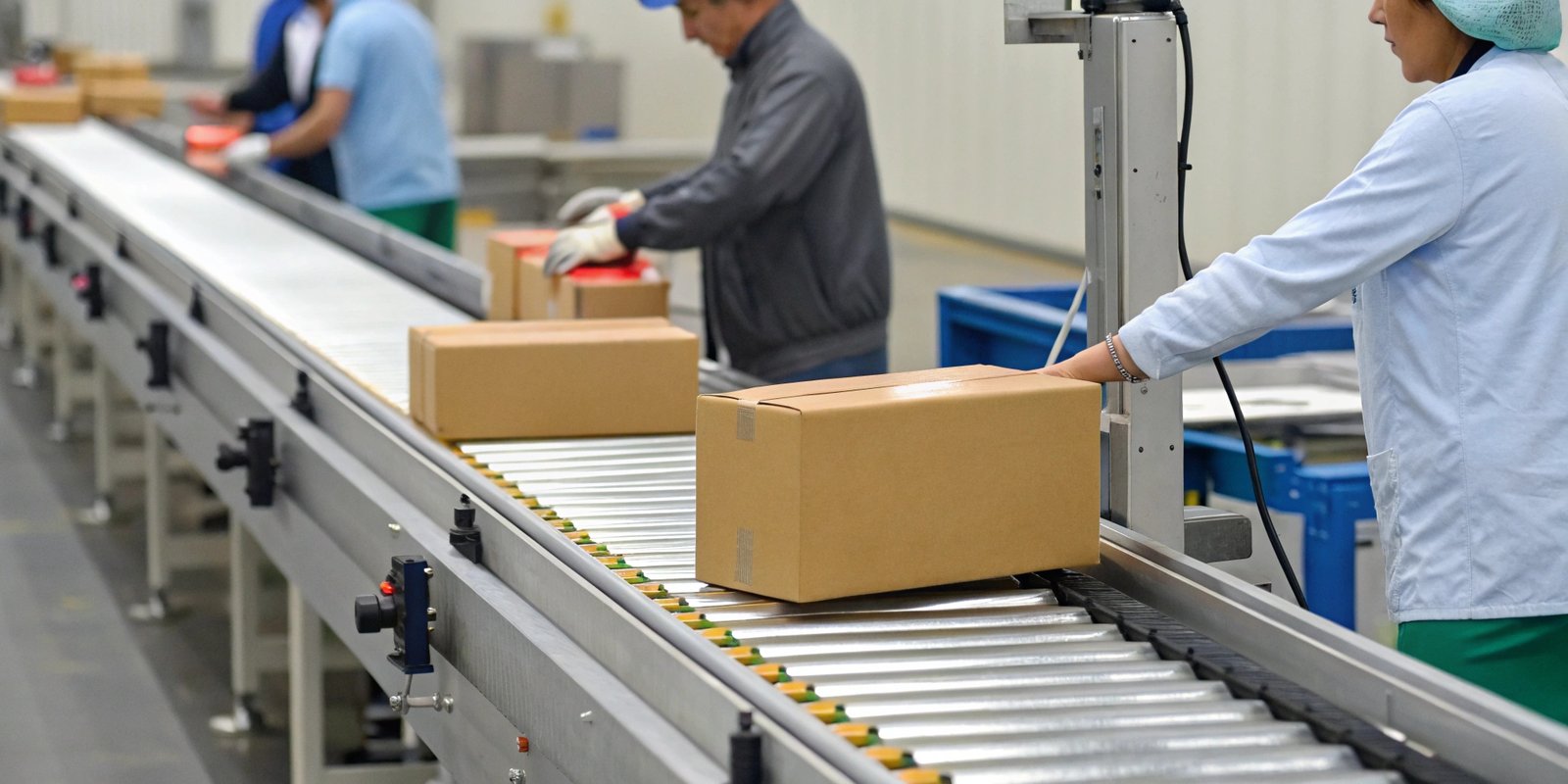
To truly grasp how to cut down on these mistakes, we need to look deeper at the cause and the solution. Manual checks and spot-checking are often the standard, but they are no match for the speed of modern production. This is where automation becomes a game-changer for quality control.
The Source of Inaccuracy
In most food production facilities, the root of packaging errors comes from two main areas: human error and the limitations of high-speed equipment. Manual spot-checking is a common practice, but it's inherently flawed. An employee might inspect only a small fraction of the total products. Over a long shift, fatigue sets in, and concentration wanes, making it easy to miss an underfilled bag or an overfilled box.1 When production lines are moving at high speeds, visual inspection becomes nearly impossible. This is why a more reliable method is necessary to catch errors before they become customer issues.
The Automated Checkweigher Solution
An automated checkweigher integrates directly into your production line, typically after the filling and sealing stage. It weighs every package as it moves across a conveyor without slowing down the process.2 You pre-set the target weight and the acceptable tolerance range. If a package's weight falls outside these limits, a rejection device like an air jet or a pusher arm automatically removes it from the line. This ensures that 100% of the products that leave your factory are correct. The table below clearly shows the advantages over manual methods.
| Feature | Manual Spot-Checking | Automated Checkweighing |
|---|---|---|
| Accuracy | Prone to human error & fatigue | Highly consistent and precise. |
| Speed | Slow, cannot keep up with production | Matches high-speed production lines. |
| Coverage | Samples a small percentage of products | 100% of products are inspected. |
| Data | No reliable data collection | Provides real-time production data for analysis. |
| Result | Inconsistent product quality and risk of complaints | Guaranteed packaging accuracy and brand protection. |
What Systems Help Ensure Accurate Bag Counts in Food Packaging Workshops?
Are you struggling with inconsistent bag counts in your multi-pack products? This small issue can cause big problems with customer satisfaction. Here is how you can achieve perfect counts every time.
To ensure accurate bag counts, a dynamic checkweighing system is essential. It weighs the final package against a pre-set target weight. If a bag is missing or an extra one is included, the weight will be off, and the system automatically rejects it from the line.
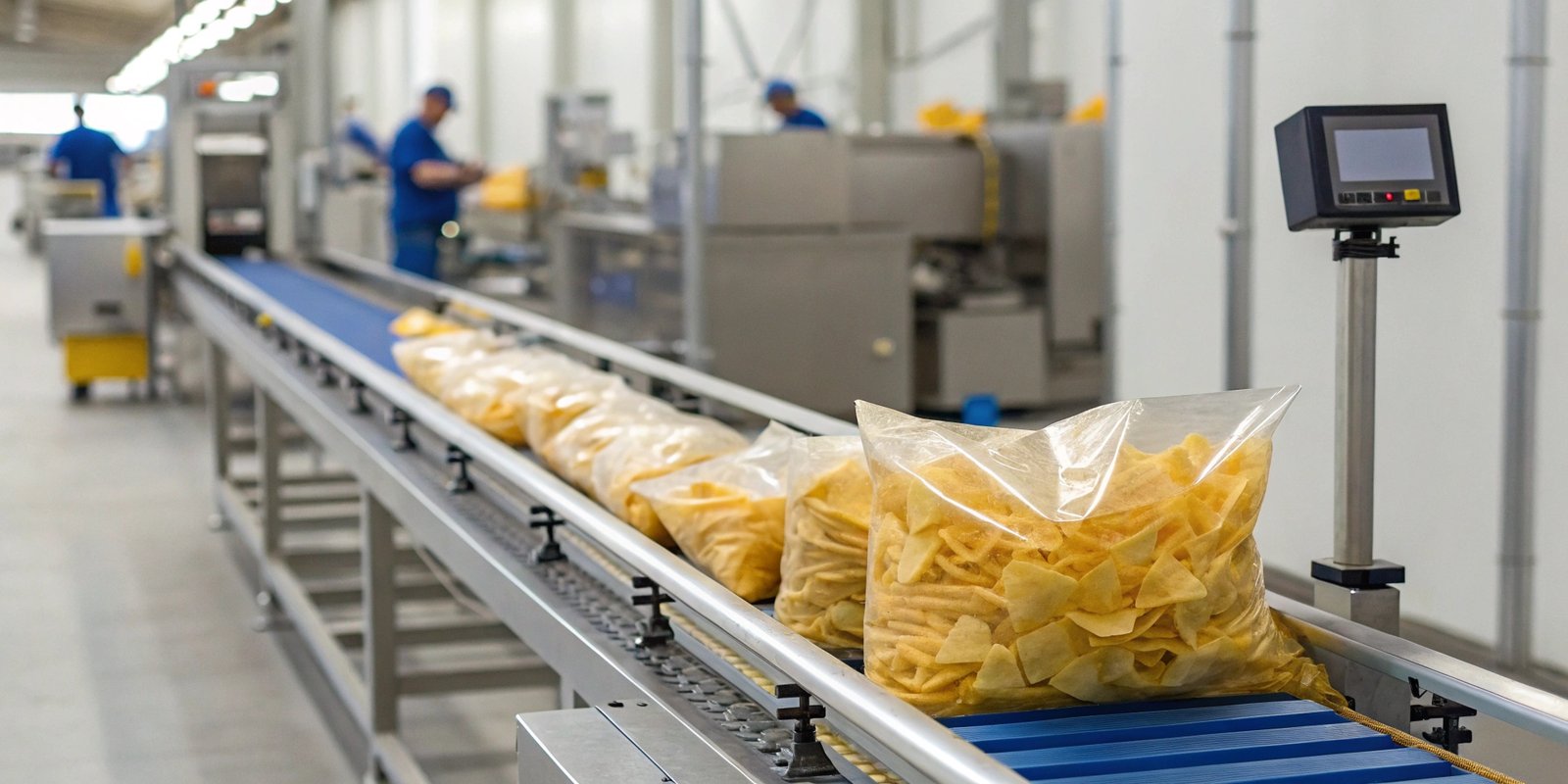
Relying on old methods for counting is often where the problem lies. At the speeds required today, these methods just can't keep up, leading to inconsistencies that hurt your brand. Let's break down why traditional approaches fail and how modern weighing technology solves the problem for good.
Why Traditional Counting Methods Fail
In the past, factories relied on methods that are no longer suitable for high-speed, high-volume production. For instance, some systems use volumetric fillers, which portion products by size rather than weight. This can be inaccurate for irregularly shaped items.3 Mechanical counters are another option, but they can misfire or fail to register items correctly, especially on a fast-moving line. Finally, relying on human inspection for counting items within a larger package is simply not feasible. An operator cannot be expected to count the contents of every multi-pack while keeping pace with production. These outdated methods are the primary reason why customers receive packages with missing or extra items.
The Power of Dynamic Weighing
Dynamic checkweighing technology is the modern solution. "Dynamic" means it weighs products while they are in motion, so there is no need to stop the production line. Here is how it works for ensuring accurate bag counts: first, you determine the correct weight of a finished multi-pack. You then set this as the target weight in the checkweigher's software, along with a small tolerance for minor variations. For example, if one small bag is missing, the total weight will fall below the minimum tolerance. The checkweigher detects this instantly and an automatic rejection mechanism removes the faulty package. This protects both your customers from disappointment and your business from giving away free products.
How Do You Prevent Missing or Extra Bags in Food Packaging Processes?
Giving away free product with extra bags hurts your bottom line, while missing bags damage your reputation. How can you solve both problems at once without slowing down your production line?
The key is implementing a weight control system. A checkweigher acts as a gatekeeper on your production line. By verifying the weight of each package, it ensures nothing is missing and no extra product is given away, protecting both your profits and your brand's integrity.
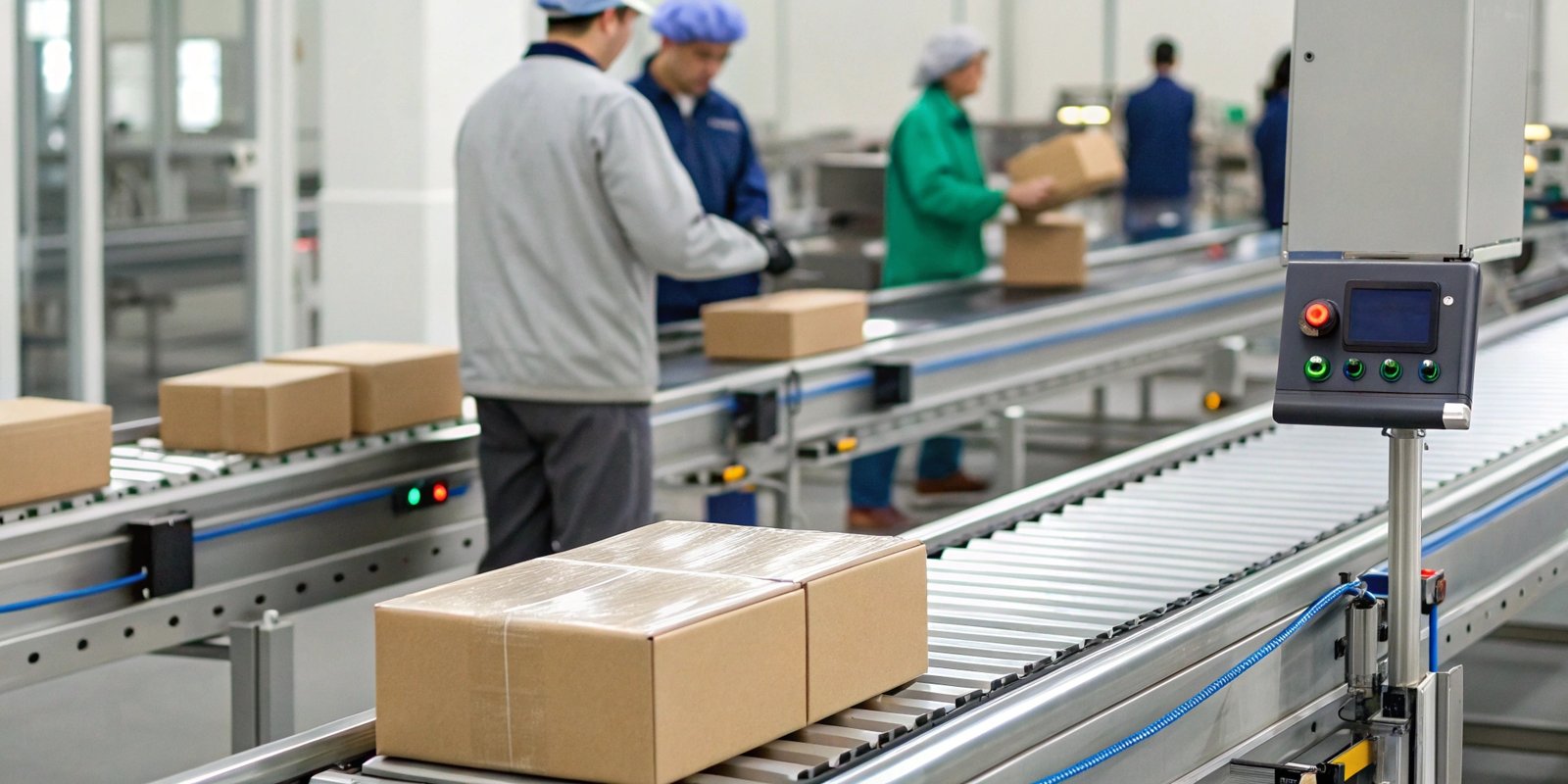
Many businesses accept these small losses as a cost of doing business, but they add up over time. The financial impact is often much larger than managers realize. Understanding this impact is the first step toward justifying the investment in a system that eliminates it completely.
The True Cost of Inaccurate Packaging
The financial impact of packaging errors goes in two directions. When a package contains missing items, it leads to customer complaints. Handling these complaints costs money in terms of customer service time, and you may also have to pay for reshipments or offer refunds. More importantly, it damages your brand's reputation, and you may lose that customer forever. On the other hand, packages with extra items represent a direct product loss. You are giving away products for free, which cuts directly into your profit margins. Over the course of a year, this "giveaway" can add up to a significant financial loss, often far more than the cost of a checkweigher.4
Setting Up a Checkweigher for Success
Implementing a checkweigher is straightforward, but correct setup is crucial. The process starts with calibration using certified weights to ensure the machine's accuracy.5 You then define the weight parameters for each product, including a target weight and the upper and lower weight limits. Anything outside this range will be rejected. Different rejection mechanisms can be used depending on the product and line speed, such as a gentle puff of air for lightweight items or a mechanical pusher arm for heavier boxes.6 The data from the checkweigher can also pinpoint which production line or shift is having issues, allowing you to address problems at their source.7
| Problem | Manual Solution | Checkweigher Solution |
|---|---|---|
| Missing Items | Customer service handles complaints after the fact | Package is automatically rejected before it ships. |
| Extra Items | Accepted as product and profit loss. | Package is rejected and product can be reworked. |
| Process Data | Guesswork based on complaint volume | Data pinpoints specific machine or line issues. |
What Are the Best Practices to Avoid Packaging Mistakes in the Food Industry?
You want a packaging process that is flawless, but mistakes keep happening. Following best practices is the key to consistency. What is the most crucial practice that top food companies use to guarantee quality?
The single most important best practice is integrating 100% automated inline inspection. While staff training and clear procedures are important, only an automated system like a checkweigher can physically guarantee that every product leaving your facility meets the exact weight specification, preventing mistakes entirely.

Building a culture of quality involves several layers. It starts with your people and processes, but it is perfected with technology. By combining solid foundational practices with the power of automation, you can transform your quality control from a reactive process into a proactive system that prevents errors before they occur.
Foundational Best Practices
Before implementing new technology, it's vital to have strong foundational practices in place. This starts with creating clear Standard Operating Procedures (SOPs) for every step of the packaging process. Your team needs to know exactly what is expected of them. Regular staff training is also crucial to ensure everyone understands the quality standards and how to operate the machinery correctly.8 Finally, a consistent machine maintenance schedule is non-negotiable. All packaging equipment, from fillers to sealers, must be regularly calibrated and serviced to perform optimally. These practices create a solid base, but they still rely on human intervention and cannot guarantee perfection on їхній own.
The Ultimate Best Practice: Full Automation
To move from simply reducing errors to eliminating them, automation is the answer. An inline checkweigher provides the 100% inspection that no manual process can match. But modern systems do more than just weigh and reject. They can be integrated with your factory's management software. This means the data collected can be used to improve the entire production process. For example, if a checkweigher suddenly starts rejecting a high number of underfilled bags, it can send an alert. This could signal a malfunction in a specific filling machine. This allows your maintenance team to act proactively before the problem gets worse. This transforms your checkweigher from a simple quality control tool into a powerful process optimization instrument that drives efficiency across the entire line.
Conclusion
In summary, integrating an online checkweigher is the most direct and effective way to eliminate packaging weight errors at the source. This simple step protects your brand, stops complaints, and ensures consistent quality for every customer.
-
"Shiftwork, Long Work Hours, Fatigue - CDC", https://www.cdc.gov/niosh/learning/safetyculturehc/module-2/9.html. Occupational fatigue research links prolonged work and reduced alertness with impaired attention and increased error risk, supporting concern about sustained manual inspection. Evidence role: mechanism; source type: government. Supports: Fatigue during long shifts reduces concentration and increases missed defects during manual package inspection.. Scope note: General fatigue findings do not quantify missed underfilled or overfilled packages in the production conditions described. ↩
-
"[PDF] OIML R 51-1 Edition 2006 (E)", https://www.oiml.org/en/files/pdf_r/r051-1-e06.pdf. Technical standards for automatic catchweighing instruments describe automatic weighing under specified operating conditions and assess performance at defined operating speeds. Evidence role: mechanism; source type: institution. Supports: An automated checkweigher can weigh every package in motion without reducing production throughput.. Scope note: In-motion weighing does not guarantee unchanged throughput for every line; achievable speed depends on the instrument, package handling, and required accuracy. ↩
-
"A concise summary of powder processing methodologies for flow ...", https://pmc.ncbi.nlm.nih.gov/articles/PMC10245010/. Research on granular food materials links particle shape and packing behavior to bulk density, explaining why a fixed-volume dose can vary in mass. Evidence role: mechanism; source type: paper. Supports: Volumetric filling can produce inaccurate portions for irregularly shaped products.. Scope note: This supports a mechanism for mass variation in volumetric dosing, not the claim that volumetric fillers are a primary cause of incorrect bag counts. ↩
-
"Transforming Food Systems: A Review of Sustainable Approaches ...", https://pmc.ncbi.nlm.nih.gov/articles/PMC12603921/. Economic analyses of overfilling relate excess quantity per package to production volume and product cost, explaining how small per-package giveaways can accumulate into substantial annual costs. Evidence role: general_support; source type: research. Supports: Annual losses from product giveaway often exceed the cost of a checkweigher.. Scope note: Whether losses exceed a checkweigher's purchase, integration, maintenance, and operating costs requires site-specific data; a single case cannot establish that this occurs often. ↩
-
"Metrological Traceability: Frequently Asked Questions and NIST Policy", https://www.nist.gov/metrology/metrological-traceability. Metrological guidance establishes traceable reference masses and performance testing as components of evaluating weighing accuracy, including testing automatic instruments under applicable operating conditions. Evidence role: general_support; source type: institution. Supports: Calibration with certified weights ensures an installed checkweigher's accuracy.. Scope note: Certified weights alone do not guarantee production accuracy; dynamic effects, environmental conditions, uncertainty, and periodic verification remain relevant. ↩
-
"Checkweigher Reject Systems: It'S All In The Reject Device", https://www.all-fill.com/blog/checkweigher-reject-systems. Engineering descriptions of conveyor rejection systems relate actuator selection to package characteristics, handling forces, and the timing available at a given conveyor speed. Evidence role: mechanism; source type: education. Supports: Checkweigher rejection mechanisms are selected according to product characteristics and line speed, with air jets and mechanical pushers serving different handling needs.. Scope note: The air-jet versus pusher distinction is illustrative rather than a universal selection rule; suitability requires application-specific testing. ↩
-
"Application of statistical process control in healthcare ... - PMC", https://pmc.ncbi.nlm.nih.gov/articles/PMC2464970/. Statistical process control uses time-ordered and stratified quality measurements to identify changes in process behavior and guide investigation of affected production segments. Evidence role: mechanism; source type: research. Supports: Checkweigher data can identify problematic production lines or shifts and help locate the source of defects.. Scope note: Attribution to a line or shift requires corresponding metadata, and an abnormal weight pattern does not by itself establish the underlying mechanical or operational cause. ↩
-
"Retail Food Industry/Regulatory Assistance & Training - FDA", https://www.fda.gov/food/retail-food-protection/retail-food-industryregulatory-assistance-training. Food-manufacturing guidance treats personnel competence, instruction, and appropriate refresher training as foundational controls for carrying out assigned operations correctly. Evidence role: expert_consensus; source type: institution. Supports: Regular staff training is a foundational practice for reliable food-packaging operations.. Scope note: Food-hygiene training guidance provides contextual support for competent operations but does not directly quantify reductions in package-weight or bag-count errors. ↩



Comments (0)