
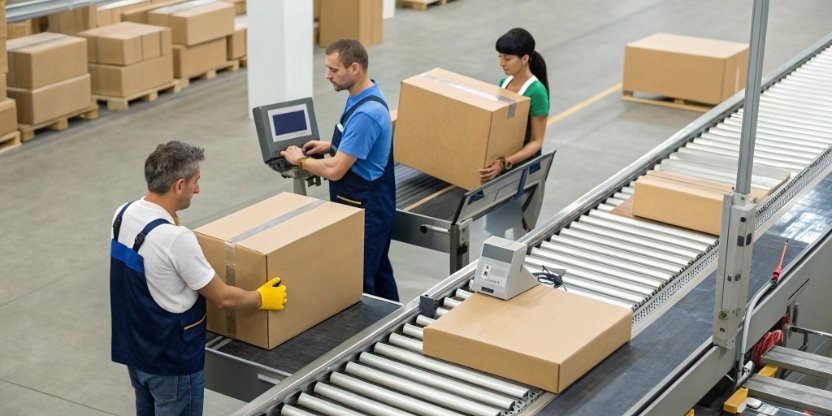
Are your workers exhausted from repetitive lifting? This physical strain leads to costly injuries, low morale, and reduced productivity. You need a way to ease their burden without disrupting your workflow.
The best way to reduce worker strain is by integrating smart weighing equipment into your process. Adopting solutions like roller checkweighers for conveyor lines or low-profile bench scales for manual tasks can eliminate unnecessary lifting, reduce fatigue, and significantly lower the risk of workplace injuries.
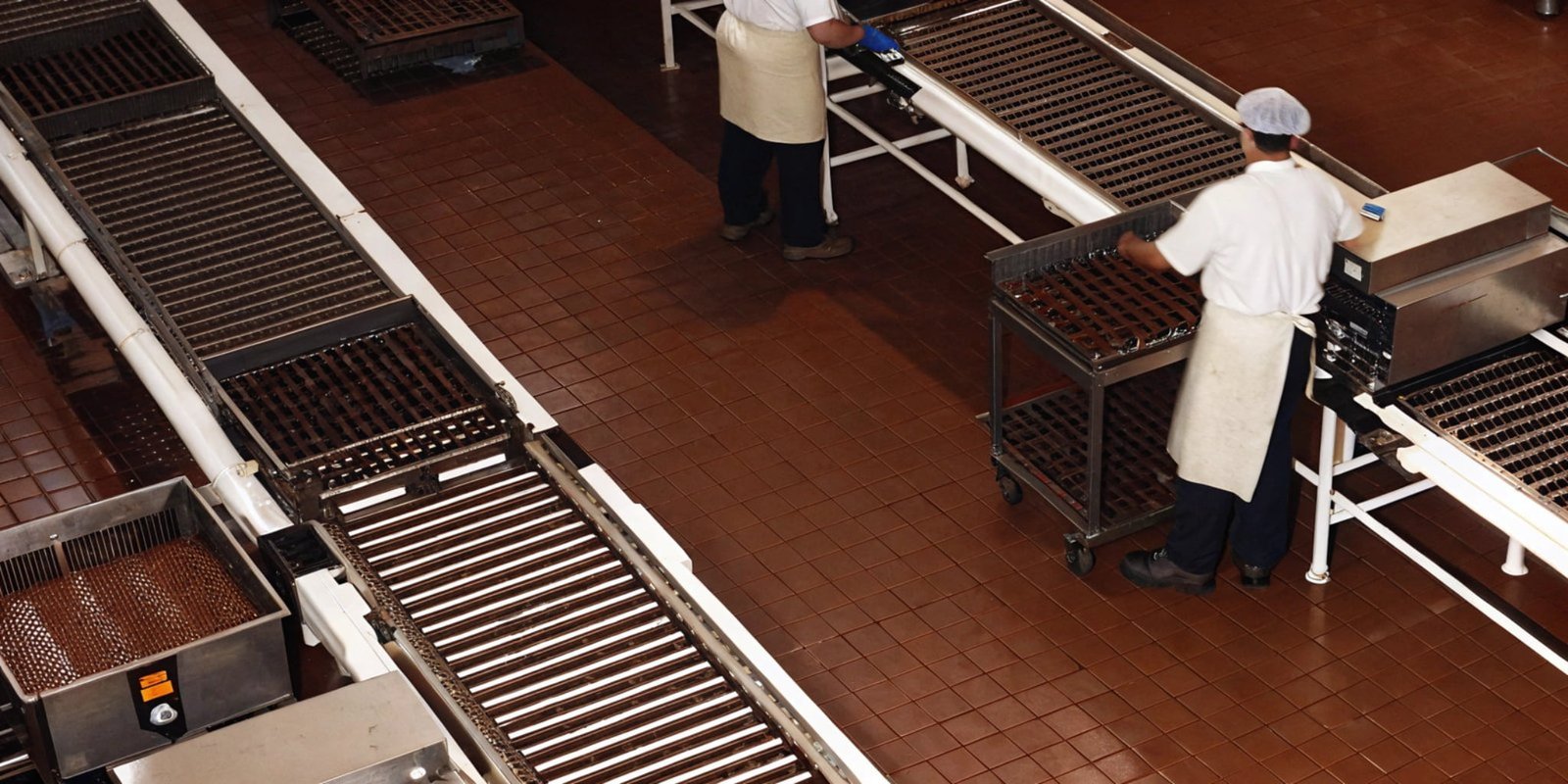
For 19 years, I've seen firsthand how manual processes can slow down even the most dedicated teams. I've walked through countless facilities and noticed a common problem: workers physically struggling with heavy or awkwardly shaped items at the weighing station. This manual handling isn't just inefficient; it's a direct threat to employee well-being and your company's bottom line. It's a problem we, as an industrial scale manufacturer, are passionate about solving. We believe technology should serve people, making their jobs safer and more efficient. Let's explore how to make that a reality in your operations.
How Can You Reduce Worker Fatigue in Manual Weighing Processes?
Struggling with high employee turnover due to physical strain? Repetitive lifting in weighing tasks causes fatigue, which harms both your team's health and your production efficiency. It's a lose-lose situation.
You can significantly reduce worker fatigue by focusing on ergonomics. By using equipment designed to minimize physical effort, such as low-profile bench scales, you decrease the bending and lifting required, making the entire process safer and more comfortable for your employees over the long term.
I once visited a client in the food processing industry. Their team had to lift 25kg sacks of ingredients onto a standard waist-high bench scale hundreds of time a day. By the afternoon, you could see the exhaustion on their faces. The risk of back injury was incredibly high. This is where ergonomic design becomes critical. It's not just about comfort; it's about engineering a safer and more sustainable workflow. A small adjustment can lead to major gains in health and productivity.
The key is to reduce the physical stress of each movement. Even a few inches of saved lifting height can add up to tons of reduced effort over a full shift.
The Impact of Scale Height
A primary cause of strain is the lifting height. A standard bench scale might sit at a height that forces workers to lift items higher than necessary, putting stress on their back and shoulders.
Introducing a Better Solution
This is where low-profile weighing equipment makes a difference. These scales are designed to be as close to the ground or work surface as possible. For instance, our waterproof small bench scales have a significantly lower platform. This design isn't a minor feature—it’s a fundamental ergonomic improvement. It means workers can slide items onto the scale or use a much shorter, less strenuous lifting motion.
Here’s a simple comparison:
| Feature | Standard Bench Scale | Low-Profile Bench Scale |
|---|---|---|
| Platform Height | Often 6-8 inches or higher | As low as 2-3 inches |
| Lifting Motion | Full bend and lift | Short lift or slide |
| Worker Strain | High risk of back/shoulder injury | Minimized strain and fatigue |
| Long-Term Risk | Increased risk of chronic injury | Lower risk of work-related injuries |
By simply changing the equipment, you directly attack the root cause of physical fatigue. Better ergonomics lead to happier, healthier, and more productive employees.
What Are the Best Solutions for Automating Heavy Lifting in Weighing Workflows?
Manually lifting heavy products on and off scales slows your line and risks worker injury. This bottleneck hurts throughput and can lead to expensive downtime if someone gets hurt.
The best solution is to automate the weighing process directly within your production line using equipment like roller checkweighers. These systems weigh products as they move along a conveyor, completely eliminating the need for manual lifting and repositioning for weighing tasks.
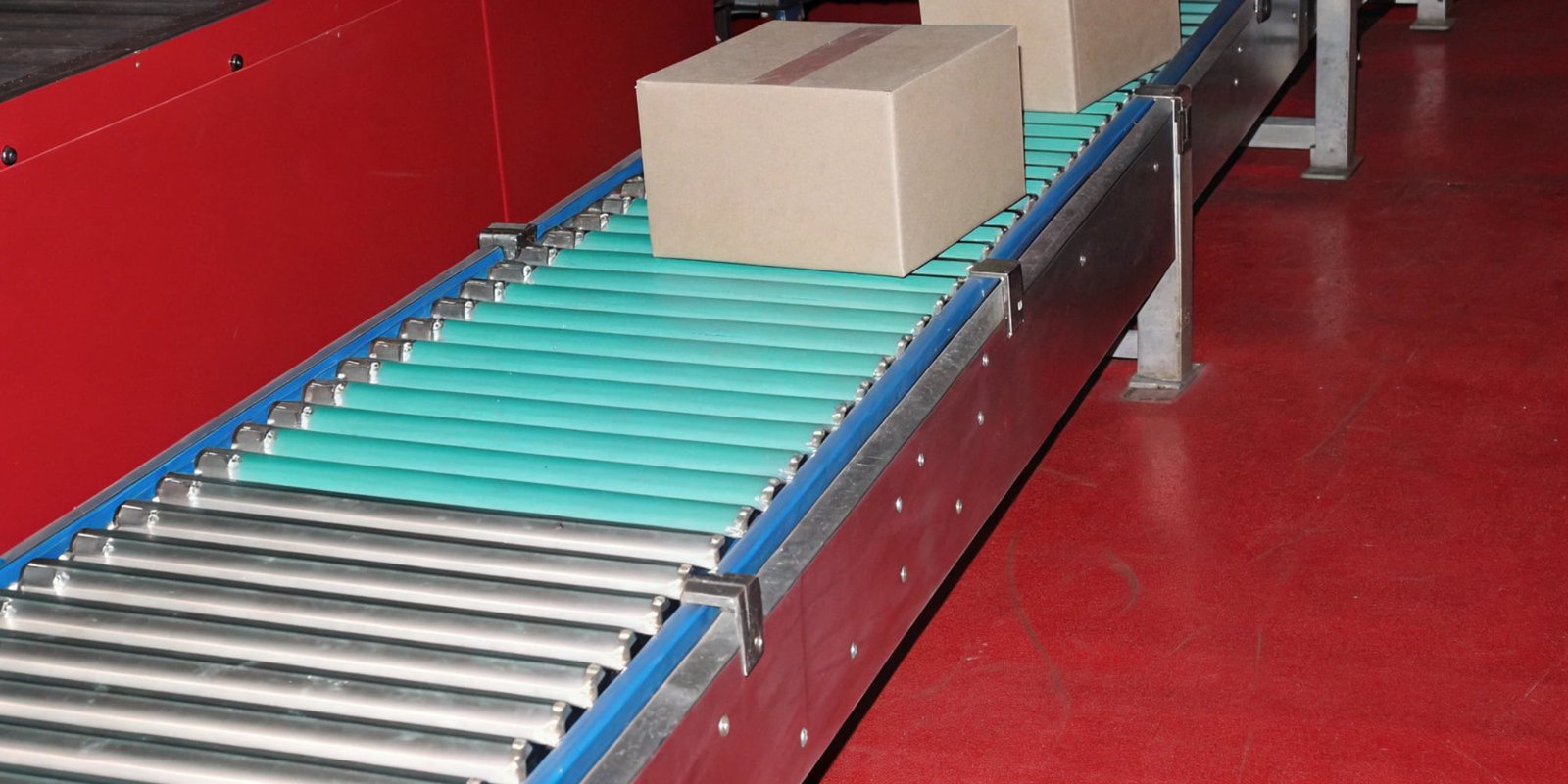
I've worked with many clients who initially thought automation was too complex or expensive. They were manually weighing every box at the end of their line. This created a major bottleneck, with workers rushing to lift, weigh, and move packages. After we helped them integrate a roller checkweigher, the change was immediate. The bottleneck disappeared, throughput increased1, and the workers were reassigned to more valuable, less physically demanding tasks.
An automated system does more than just weigh items; it transforms your workflow. The goal is to make weighing a seamless part of production, not a manual interruption.
Manual Weighing vs. Automated Weighing
In a typical manual setup, a worker has to perform several steps:
- Stop the product on the line.
- Lift the product off the conveyor.
- Place it on a static scale.
- Wait for the weight to register.
- Lift the product off the scale.
- Place it back on the conveyor.
This process is slow, repetitive, and physically demanding.
The Power of Integrated Checkweighers
A roller checkweigher is a section of a conveyor that has a scale built into it. Products simply roll over the scale, are weighed in motion, and continue down the line without ever stopping.
Here’s how it changes your workflow:
| Step | Manual Process | Automated Process with Roller Checkweigher |
|---|---|---|
| 1. Transport | Worker lifts box to scale. | Box moves along conveyor belt. |
| 2. Weighing | Worker places box, waits. | Box rolls over weigher and is weighed instantly. |
| 3. Data | Worker may record weight. | Weight is automatically sent to your system.2 |
| 4. Sorting | Worker lifts box to next stage. | System can automatically sort based on weight. |
| Labor | Intensive and prone to injury. | No manual lifting required. |
As a software vendor, this is where our hardware empowers your solutions. Our checkweighers are built with IoT capabilities and can integrate seamlessly with your management software via APIs, providing the real-time, accurate data you need for smart factory applications.
How to Improve Efficiency and Reduce Labor Intensity in Manual Weighing Operations?
Your team is working hard, but manual weighing steps are still creating bottlenecks and causing fatigue. Just having a scale isn't enough; the entire process feels inefficient and exhausting.
To improve efficiency, you must optimize the entire weighing workflow, not just the scale. This means combining ergonomic equipment with smart process design, like positioning scales correctly and using software to automate data capture.
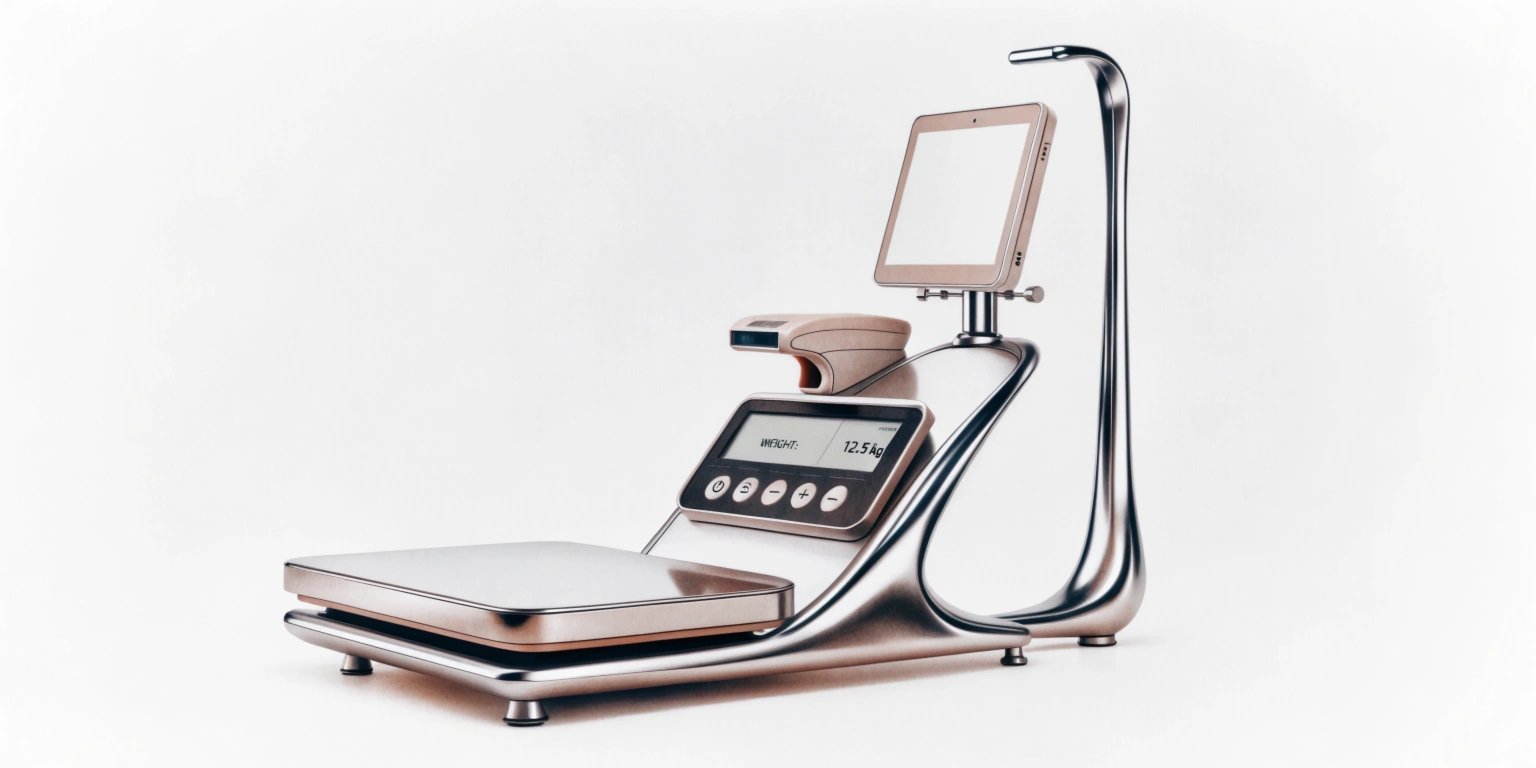
I often see companies invest in a high-quality scale but place it in a way that creates extra work. For example, a scale located a few steps away from the production line forces an employee to walk back and forth all day. While each trip is short, those seconds and steps add up to hours of lost productivity and significant fatigue by the end of the week. True efficiency comes from looking at the entire process.
The goal is to eliminate wasted motion and mental effort. A well-designed weighing station should feel intuitive and effortless, allowing workers to focus on quality, not on wrestling with the process.
Workflow Analysis: Before and After
Let's break down how small changes can lead to big improvements in a manual weighing task, such as checking the weight of packed boxes.
Before Optimization:
- Worker picks up a box from a pallet.
- Walks 5 steps to a scale.
- Places the box on the scale.
- Bends down to read the display.
- Writes the weight on a paper log.
- Picks the box up and walks 5 steps to the outbound pallet.
This workflow is filled with unnecessary movement and manual tasks.
After Optimization:
- A low-profile scale is placed directly between the incoming and outbound pallets.
- The scale's remote display is mounted at eye level.
- The scale is connected to a computer to automatically log the weight.
Now, the workflow is much simpler:
| Aspect | Before Optimization | After Optimization |
|---|---|---|
| Movement | 10 steps per box | 0-1 step per box |
| Lifting | Two lifts per box | One pivot-and-slide motion |
| Data Entry | Manual, slow, prone to error | Automatic, instant, accurate |
| Worker Focus | On moving and writing | On checking quality and pace |
By redesigning the workflow and using the features of a modern industrial scale, you can dramatically reduce labor intensity and boost efficiency without full automation. Our scales are designed to be the core of such an efficient workstation.
What Equipment Can Help Minimize Physical Strain in Weight Handling Tasks?
You know you need to reduce physical strain, but with so many options, what specific equipment will deliver the best results for different weighing tasks across your facility?
To minimize strain, you need to match the weighing equipment to the specific task. Choose roller checkweighers for conveyor lines, low-profile scales for floor-level tasks, and pit-mounted floor scales for heavy pallets to eliminate lifting.
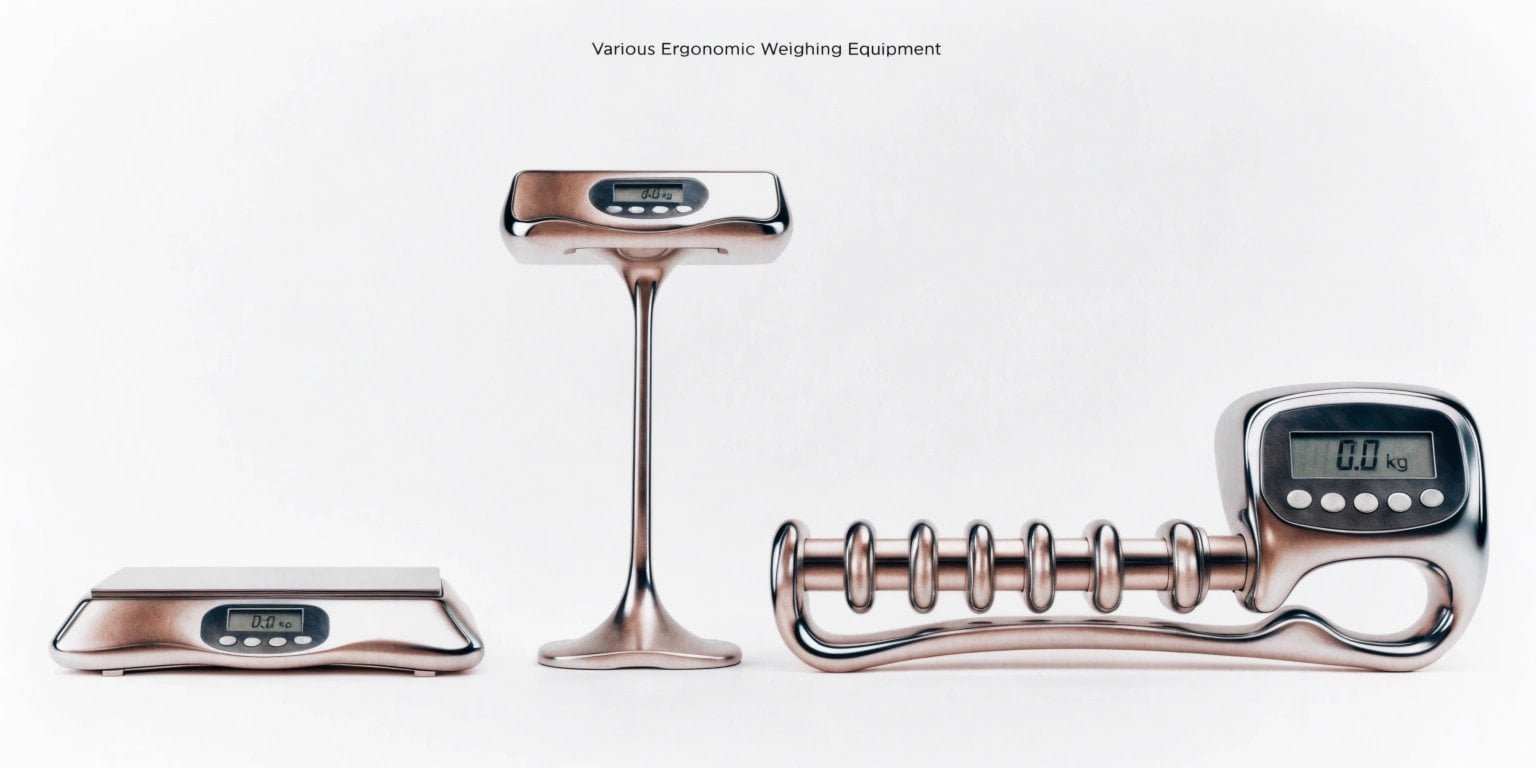
Over my 19 years in this business, I’ve learned that there is no single "best" scale—only the best scale for the job. A solution that's perfect for weighing small boxes would be useless for 1,000kg pallets. The key is to analyze the specific physical actions your workers perform for each weighing task and then select hardware that minimizes those stressful movements. We pride ourselves on providing this kind of targeted, cost-effective solution for our clients worldwide.
A truly ergonomic workplace uses a variety of tools, each perfectly suited to its function. Let's look at some common weighing scenarios and the best equipment to reduce physical strain.
Choosing the Right Tool for the Job
Different tasks require different ergonomic solutions. Using equipment tailored to the specific application is the most effective way to protect your workers and improve your processes.
Here is a guide to help you match the task with the right equipment:
| Weighing Task | Common Challenge | Ergonomic Equipment Solution | Primary Benefit |
|---|---|---|---|
| Small Boxes on a Production Line | Repetitive lifting and placing. | Roller Checkweigher | Eliminates manual handling; weighs in motion. |
| Bags or Sacks at a Packing Station | Bending and lifting from the floor. | Low-Profile Bench Scale | Reduces lifting height, minimizes back strain. |
| Counting Small Parts | Manual counting and handling. | Counting Scale | Reduces handling; improves accuracy and speed. |
| Heavy Pallets or Bins | Pushing up ramps; difficult maneuvering. | Pit-Mounted Floor Scale | The scale is flush with the floor, allowing roll-on/roll-off access with a pallet jack, eliminating ramps and pushing effort. |
By implementing the right equipment for each specific task, you create a safer and more efficient environment across your entire operation. Our role as an OEM/ODM manufacturer is to provide you with this specialized, reliable hardware that meets international standards and serves as a foundation for your advanced software and IoT systems.
Conclusion
Reducing manual lifting in weighing is not just about safety; it's about building a more efficient and productive operation. Smart equipment choices directly boost your workflow and protect your team.
-
"Manual vs. Automated Inspection: Striking the Right ...", https://www.linkedin.com/pulse/manual-vs-automated-inspection-striking-right-balance-ekici-assef. Operations-management research on bottleneck reduction and line automation supports the general principle that removing a manual inspection or weighing station from a production line can increase throughput; it does not verify the author’s specific customer anecdote. Evidence role: general_support; source type: paper. Supports: Integrating automated weighing into a production line can reduce bottlenecks and improve throughput.. Scope note: This would provide theoretical or empirical context, not independent confirmation of the described client outcome. ↩
-
"Smart Manufacturing | NIST", https://www.nist.gov/smart-manufacturing. Industrial IoT and manufacturing systems literature describes automated data acquisition from connected sensors and equipment as a method for transmitting process measurements to information systems, supporting the claim that connected weighing equipment can send weight data automatically. Evidence role: mechanism; source type: institution. Supports: Connected weighing equipment can automatically transmit weight data to a management or production system.. Scope note: Support is conditional on the scale having compatible sensors, interfaces, and software integration. ↩


Comments (0)