
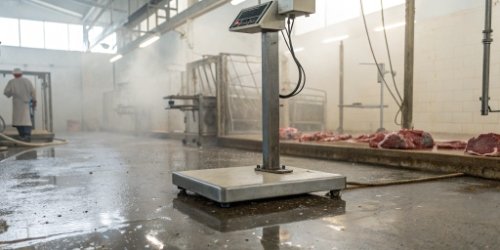
Your scales break down from constant washdowns and moisture. This leads to inaccurate weights, production delays, and costly repairs. It is a common problem in the meat industry.
For a meat processing plant, you need a scale with at least an IP68 rating, but an IP69K rating is far better. This high level of protection ensures the scale can survive high-pressure, high-temperature water jets used for daily cleaning, guaranteeing accuracy and a long service life.
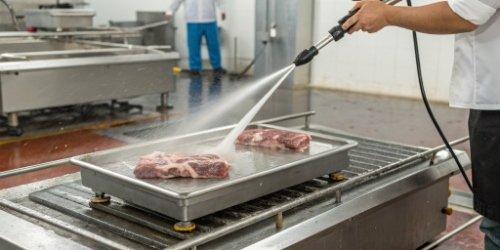
We have seen many clients struggle with equipment that just wasn't built for the harsh reality of their A meat processing plant1. The constant humidity, daily washdowns, and corrosive agents2 can destroy standard electronic scales3 in weeks. But there is a solution that protects your investment and keeps your production line4 moving. You just need to understand what to look for. So, let’s explore why the right protection is so important for your weighing equipment5.
What Is the Ideal IP Rating for Scales Used in Meat Processing Facilities?
Struggling with scales that fail from constant water exposure? The wrong IP rating can lead to costly downtime and inaccurate weights. This is a frustrating and expensive problem.
For meat processing, you need an IP68 rating at a minimum. However, the ideal choice is IP69K. This rating offers the highest protection against high-temperature, high-pressure washdowns, which are standard cleaning procedures in these environments, ensuring maximum reliability.
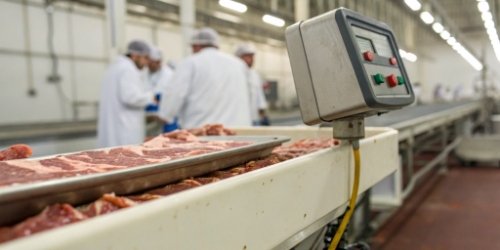
Choosing the right IP rating is not just about meeting a standard; it's about investing in the long-term success of your operation. I remember a client who was replacing their IP67 scales almost every year. After we discussed their cleaning process, we recommended they switch to our IP69K models. The change was immediate. Their downtime dropped to nearly zero, and the scales have been running without issue for years. It proved that matching the equipment to the environment is the key. Let's break down why this rating is so crucial.
Understanding IP Ratings
The IP (Ingress Protection) rating is a universal standard. It tells you exactly how well a device is sealed against solids and liquids. It has two numbers.
- First Digit (Solids): This number goes from 0 to 6. It measures protection against things like dust and debris. For a meat plant, you need a '6', which means the scale is completely dust-tight. No particles can get inside.
- Second Digit (Liquids): This number measures protection against water. This is the most critical part for your environment.
Comparing Key Liquid Protection Levels
Not all waterproof ratings are the same. A rating that works for a rainy day won't survive a high-pressure cleaning jet. Here's a simple comparison of the top ratings:
| IP Rating | Level of Protection | Best For in a Meat Plant |
|---|---|---|
| IP67 | Protected against temporary immersion in water up to 1 meter. | Not recommended. Fails under high-pressure cleaning. |
| IP68 | Protected against long-term immersion under pressure. | The absolute minimum. Can handle submersion but not intense jets. |
| IP69K | Protected against high-temperature, high-pressure water jets. | The ideal choice. Designed specifically for harsh washdowns. |
For any meat or food processing facility, IP69K is the clear winner. It's built for the exact conditions you face every single day.
How Does the IP Rating Protect Scales in Wet and Harsh Processing Environments?
Are you worried about corrosion and water damage destroying your scales? In the harsh, wet environment of a meat processing plant, unprotected electronics simply cannot last very long.
The IP rating system defines how well a scale’s enclosure is sealed. The first digit rates solid protection, and the second rates liquid protection. A high rating like IP68 or IP69K means the housing is sealed tight, keeping sensitive internal electronics safe from moisture and corrosion.
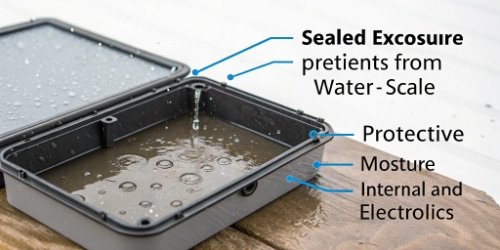
When you think about your daily operations, water is everywhere. It comes from cleaning hoses, condensation, and the products themselves. An unsealed or poorly sealed scale is a major risk. Water can seep into the electronics, short-circuiting the load cells6 and display panels. We've seen it happen many times. This leads to incorrect readings and eventually, complete failure. This is why the enclosure is so important. A high IP rating isn't a luxury; it's the fundamental defense for your equipment.
The Role of Sealing and Materials
A high IP rating is achieved through careful engineering and quality materials. It's more than just a tight box.
- Gaskets and Seals: We use high-quality silicone gaskets to create a waterproof barrier around all openings, including the display, buttons, and cable entry points. These seals are designed to withstand compression and temperature changes without failing.
- Welded Enclosures: For maximum protection, many of our IP69K scales feature fully welded stainless steel enclosures. This eliminates seams where water could potentially enter over time, creating a truly sealed unit.
Protection Beyond Water
The environment in a meat processing plant is not just wet; it can also be corrosive. Cleaning agents, salts, and other substances can eat away at inferior materials.
This is why we build our high IP-rated scales with specific materials:
| Material | Benefit | Application |
|---|---|---|
| 304 Stainless Steel7 | Good corrosion resistance and very durable. | The industry standard for most food processing equipment. |
| 316 Stainless Steel8 | Superior corrosion resistance, especially against chlorides. | Ideal for environments with very harsh cleaning chemicals. |
By combining a fully sealed design with the right materials, the IP rating ensures your scale is protected from every angle, keeping it accurate and operational for years.
Which IP Rating Is Best for Ensuring Durability in a Meat Processing Plant?
Are you tired of constantly replacing scales that can't handle the daily washdowns? True durability is essential when equipment is exposed to such harsh conditions every single day.
For maximum durability in a meat processing plant, an IP69K rating is the best choice. This rating means the scale can withstand intense, high-temperature, and high-pressure water jets used for sanitation. This robust protection prevents water ingress and corrosion, extending the equipment's lifespan.
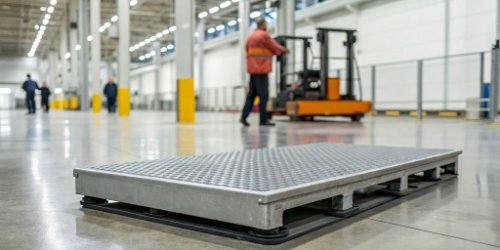
Durability is really about total cost of ownership. You can buy a cheaper, lower-rated scale, but you will likely replace it much sooner. I spoke with a technical director who tracked their equipment costs. He found that their IP68 scales lasted about two years on average. The IP69K scales they tested from us were still going strong after five years with no issues. The initial investment was slightly higher, but they saved a lot of money in the long run by not having to buy replacements or pay for constant repairs.
The IP69K Advantage for Longevity
The IP69K standard was developed for industries that need intense sanitation. It's a test of survival. During certification, the device is blasted with water jets from multiple angles.
- High Temperature: The water is heated to 80°C (176°F). This simulates the hot-water cleaning common in food processing to kill bacteria.
- High Pressure: The water jet has a pressure of 80–100 bar. This is a powerful force designed to strip away any contaminants.
- Close Proximity: The nozzle is placed very close to the device, ensuring there are no weak points.
A scale that passes this test is proven to be incredibly tough. Its seals will not fail under thermal shock or direct impact from the water jets.
Durability: IP68 vs. IP69K
While IP68 is good, it is not designed for this level of active cleaning. It is rated for submersion, which is a static pressure. The dynamic, high-pressure force of a cleaning wand is a completely different challenge.
| Feature | IP68 Rated Scale | IP69K Rated Scale |
|---|---|---|
| Primary Protection | Survives being submerged in water. | Survives high-pressure, high-temperature jets. |
| Weakness | Seals can fail from direct, high-pressure jets. | No significant weaknesses in a washdown environment. |
| Expected Lifespan | Shorter in aggressive cleaning environments. | Significantly longer; designed for this environment. |
| Best Use Case | Wet areas with no high-pressure cleaning. | Daily, intense sanitation and cleaning routines. |
Choosing IP69K is a direct investment in your plant's uptime and reliability. It's the best way to ensure your scales are durable enough for the job.
Why Is IP Rating Critical for Equipment in Food Production Areas?
Do you worry about contamination risks and failing hygiene audits? Unsealed equipment can trap bacteria, creating serious food safety hazards. This is a major concern for any food producer.
A high IP rating is critical for food safety and hygiene. It means the scale's housing is completely sealed, which prevents food particles and bacteria from getting trapped inside. This design makes the equipment easy to clean and sanitize, which is essential for meeting food safety standards.
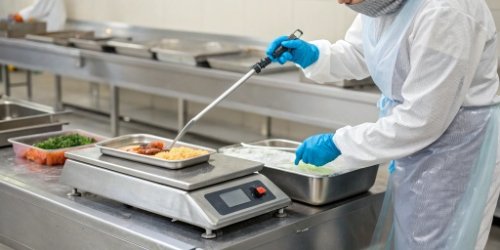
Food safety is non-negotiable. One of our roles as a manufacturer is to help our clients meet their compliance goals. A scale with gaps, seams, or unsealed components is a breeding ground for bacteria. No matter how well you clean, you can't reach inside the electronics. A fully sealed, IP69K-rated unit eliminates this risk. Its smooth, crevice-free surfaces can be sanitized effectively, helping you pass food safety audits like those for HACCP9 (Hazard Analysis and Critical Control Points) with confidence.
Supporting Food Safety Standards
A high IP rating directly supports compliance with global food safety standards10. These standards require that all food-contact equipment must be "cleanable."
- HACCP: Requires that equipment design prevents contamination. A sealed IP69K scale meets this requirement by eliminating areas where pathogens can hide.
- GMP11 (Good Manufacturing Practices): Mandates that equipment must be easy to clean and sanitize. The smooth, sealed surfaces of a high IP-rated scale facilitate this.
Integrating Technology Without Compromising Hygiene
In today's smart factories12, weighing is about more than just numbers. You need data connectivity13. This is where our expertise in IoT (Internet of Things) integration comes in. We integrate networking capabilities directly into our high-protection scales.
- Sealed Connectivity: We use waterproof connectors and internal modules. This means you can connect the scale to your network for data collection without creating a weak point in its protective enclosure.
- Hardware and Software Integration: We work with software vendors to ensure seamless communication. Our scales can send weight data directly to your manufacturing execution systems (MES) or ERP software in real-time. This allows for automated tracking, recipe management, and quality control, all while maintaining the highest level of hygiene.
With an integrated, high IP-rated scale, you get both the durability you need for the environment and the smart technology you need to optimize your production. It’s the best way to ensure accuracy, safety, and efficiency.
Conclusion
Choosing the right IP-rated scale is vital. An IP69K rating ensures durability, accuracy, and food safety in the harsh environment of a meat processing plant.
-
Learn about the unique challenges in meat processing and how proper equipment can mitigate them. ↩
-
Understanding corrosive agents helps in selecting the right materials for equipment. ↩
-
Gain insights into the functionality of electronic scales and their vulnerabilities. ↩
-
Discover strategies to enhance efficiency and reduce downtime in your production line. ↩
-
Get insights on selecting the right weighing equipment to meet industry demands. ↩
-
Understand the role of load cells in scales and their importance for accurate measurements. ↩
-
Learn why 304 stainless steel is the industry standard for food processing equipment. ↩
-
Discover the advantages of 316 stainless steel in harsh cleaning environments. ↩
-
Explore HACCP principles to understand how they ensure food safety in processing. ↩
-
Learn about essential food safety standards to ensure compliance in food production. ↩
-
Discover how GMP guidelines help maintain quality and safety in food manufacturing. ↩
-
Explore how technology integration enhances efficiency and accuracy in food processing. ↩
-
Learn about the importance of data connectivity for real-time monitoring and management. ↩



Comments (0)