
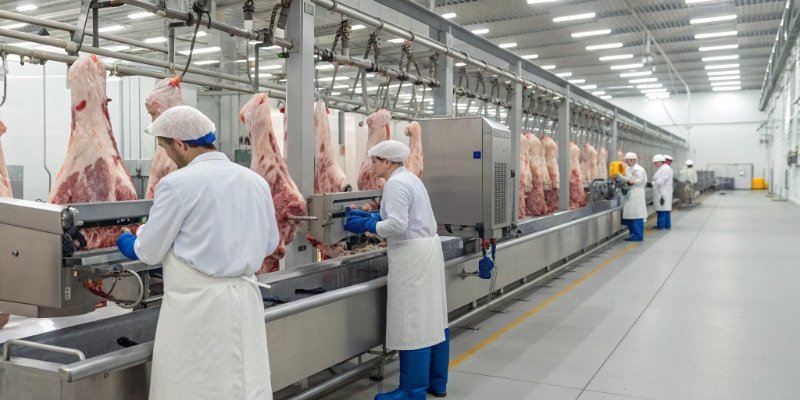
Are you struggling with outdated systems in your slaughterhouse? These old methods often lead to costly errors, reduced efficiency, and lost profits, making daily operations a constant challenge.
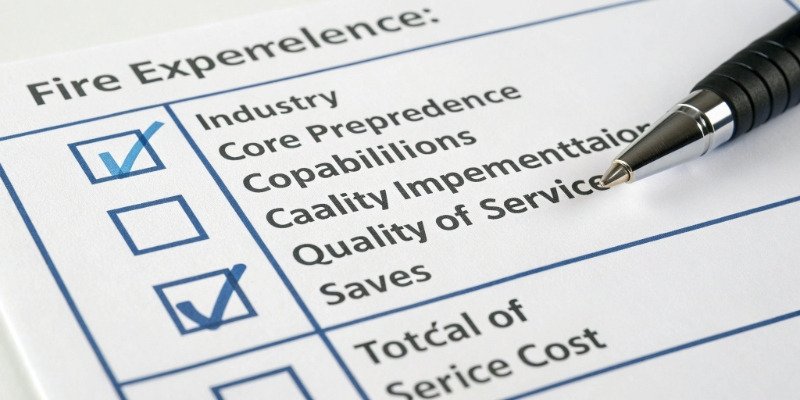
To choose the right software, you must evaluate five key areas. Look at the supplier’s industry experience, the software's core features, their implementation process, the quality of after-sales support, and the total cost of ownership. This ensures you find a solution perfectly matched to your needs.

Choosing the right software can feel like a huge task. There are so many options out there, each promising to be the best. But a bad choice can cause more headaches than it solves, leading to downtime and frustration. I've been in this industry for 19 years, and I've seen how the right technology can completely change a business. It’s not just about buying a product; it’s about finding a partner. This guide will walk you through a clear, step-by-step process. We will break down exactly what you need to look for, so you can make a confident decision that will help your business grow.
What Should You Consider When Selecting Slaughterhouse Management Software?
Worried about picking a software that doesn’t fit your unique needs? A mismatched solution creates more problems than it solves, forcing your team into frustrating workarounds and manual data entry.
Focus on five key areas for your evaluation. Assess the supplier's industry experience, core product functions, the team's implementation capability, the quality of their after-sales service, and the total cost. This framework provides a solid foundation for your decision-making process.
When we started helping clients integrate our weighing systems with their management software, we learned a lot. We saw some succeed and others struggle. The difference always came down to how well they evaluated their software partner beforehand. It's about looking at the whole picture, not just the initial price tag or a flashy feature. You are building a long-term relationship with this vendor, so you need to be sure they are the right fit. Based on my experience, here is a deeper look at the five critical areas you must investigate. This structured approach helps you compare different options fairly and protects you from making a costly mistake.
A Framework for Evaluation
A systematic approach is your best tool. By breaking down your evaluation into these specific categories, you can score potential vendors and make an informed, data-driven choice.
| Evaluation Area | Key Questions to Ask | Why It Matters |
|---|---|---|
| Industry Experience | Do they have successful case studies in the slaughterhouse industry? Do they understand traceability, carcass grading, and compliance1? | A vendor with meat industry experience understands your unique challenges and won't need to learn on your time2. |
| Product Functionality | Does it cover your core processes? Can it integrate with your weighing scales, ERP, and other existing systems? | The software must be the hub of your operation3. Poor integration creates data silos and manual work. |
| Implementation | How experienced is their implementation team? What is the timeline? Is staff training comprehensive? | A smooth and quick rollout minimizes operational disruption. A poorly managed implementation can be chaotic. |
| After-Sales Service | What are their guaranteed response times (SLA)? Are software updates and bug fixes included? | Your operation runs 24/7. You need a support team that is responsive and can solve problems quickly. |
| Cost-Effectiveness | What is the Total Cost of Ownership (TCO), including licensing, maintenance, support, and future upgrades? | The cheapest option upfront is rarely the cheapest in the long run. A clear TCO helps you budget accurately. |
Which Features Are Essential in Slaughterhouse Management Software?
Are you still using manual workarounds because your current system is missing key functions? These gaps lead to inefficiency, human error, and a lack of real-time insight into your operations.
Essential features include lot and livestock traceability, carcass grading and management, real-time yield calculation, and compliance reporting tools for standards like HACCP. Seamless integration with weighing equipment and accounting systems is also non-negotiable for streamlining your entire process from intake to sales.
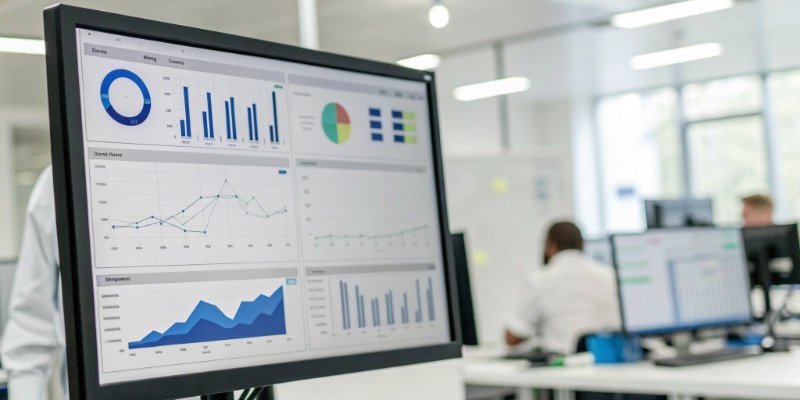
A few years ago, I visited a client who was frustrated with their new software. They had a beautiful system, but it couldn't properly communicate with their industrial scales. Every weight had to be entered by hand. It created a huge bottleneck and defeated the purpose of automation. This experience taught me that a list of features is meaningless unless they work together and solve real-world problems. Your software should be the engine of your facility, not another obstacle. Let’s dive deeper into the features that truly make a difference and form the backbone of a modern, efficient slaughterhouse operation.
Core Operational Features
These features are the heart of your day-to-day work. They handle the physical flow of products through your facility and provide the data needed for control and optimization.
- Livestock Intake and Full Traceability: The system must be able to track each animal or lot from the moment it arrives. This includes data like origin, health records, and weight. This traceability needs to extend all the way through processing to the final packaged product. This is not just for efficiency; it's a critical requirement for food safety and regulatory compliance4. In case of a recall, you must be able to pinpoint the source immediately.
- Processing, Carcass Management, and Yield: Once processing begins, the software must track the carcass through every stage. It should record weights at different points, manage cutting instructions, and grade carcasses based on quality and other metrics. This is where seamless integration with weighing systems is vital. Accurate weight data is the foundation for calculating yield5, which is one of the most important performance indicators in your business.
- Real-Time Inventory and Cold Storage Management: You need to know exactly what you have in stock at all times. This includes live animals, carcasses, boxed cuts, and by-products. The software should manage inventory locations, including different coolers and freezers, and track the age of products to ensure first-in, first-out (FIFO) rotation. This reduces spoilage and improves cash flow6.
How to Evaluate and Pick the Best Software for Managing Slaughterhouse Operations?
Feeling overwhelmed by endless software demos and persuasive sales pitches? It can be difficult to separate genuine capabilities from marketing hype, leaving you uncertain about which solution is truly best.
To properly evaluate vendors, insist on a live demo tailored to your specific workflows. Always check references from businesses similar to yours, and if possible, run a small pilot project. This practical, hands-on approach will validate their promises before you commit.

You can't choose a software partner based on a brochure or a pre-recorded video. You need to see it in action, handling the exact challenges you face every day. I remember working with a purchasing manager who was evaluating two different software providers. He asked both of them to demonstrate how their system would handle a complex order with mixed products and specific labeling requirements. One vendor fumbled through it, while the other showed a smooth, efficient process. The choice became obvious. This kind of practical testing is the only way to be sure that the software will work for you. Here is a step-by-step process to guide you from a long list of options to your final choice.
The Vetting Process
This is where you do your homework. A thorough vetting process will expose weaknesses and highlight strengths7 that aren’t obvious on a feature list.
- Request for Proposal (RFP): Start by creating a detailed document that outlines your business requirements, technical needs, and operational workflows. Send this RFP to your shortlist of vendors. Their responses will give you a clear, side-by-side comparison of how each one proposes to meet your needs. Pay attention not just to what they say, but also how well they seem to understand your business.
- Customized Live Demonstrations: Never accept a generic sales demo. Provide the vendor with a few real-world scenarios from your own operation and ask them to show you exactly how their software would handle them. For example, "Show me how you process a batch with multiple by-products" or "Demonstrate your traceability recall procedure." This forces them to move beyond talking points and prove their system's capability.
- Reference Checks: This is perhaps the most crucial step. Ask vendors for a list of current customers in the slaughterhouse industry8. Talk to them. Ask about the implementation process, the quality of customer support, what they like most about the software, and, most importantly, what they wish was different. Honest feedback from a peer is invaluable.
Conclusion
Choosing the right software is about finding a true partner who understands your industry. By focusing on experience, essential features, dedicated support, and overall cost, you can secure long-term success.
-
"The Importance of the Slaughterhouse in Surveilling Animal and Public ...", https://pmc.ncbi.nlm.nih.gov/articles/PMC9959654/. Traceability, carcass grading, and compliance are critical components in slaughterhouse operations, as outlined by industry standards and food safety regulations. Evidence role: definition; source type: government. Supports: Traceability, carcass grading, and compliance are essential for slaughterhouse operations.. Scope note: The importance of these components may vary depending on regional regulations and specific industry practices. ↩
-
"Recent advancements in meat traceability, authenticity verification ...", https://pmc.ncbi.nlm.nih.gov/articles/PMC11788888/. Vendors with prior experience in the meat industry are better equipped to address specific operational challenges, as supported by case studies and industry reports. Evidence role: case_reference; source type: institution. Supports: Meat industry experience in vendors reduces the learning curve and improves operational understanding.. Scope note: The effectiveness of experienced vendors may still vary based on individual company practices. ↩
-
"Electronic data collection to enhance disease surveillance at the ... - PMC", https://pmc.ncbi.nlm.nih.gov/articles/PMC8484591/. Slaughterhouse management software serves as the central hub for integrating various operational processes, as highlighted in industry best practices. Evidence role: mechanism; source type: education. Supports: Slaughterhouse management software acts as the operational hub.. Scope note: The centrality of software may depend on the scale and complexity of the slaughterhouse operations. ↩
-
"Hygiene practices in slaughterhouses and public health risk - PMC - NIH", https://pmc.ncbi.nlm.nih.gov/articles/PMC12582449/. Food safety and regulatory compliance are critical requirements in slaughterhouse operations, as mandated by international and national food safety standards. Evidence role: definition; source type: government. Supports: Food safety and regulatory compliance are critical in slaughterhouse operations.. Scope note: Compliance requirements may vary depending on regional regulations and specific industry practices. ↩
-
"Thinking about collecting yield data with your combine? - Field Crops", https://www.canr.msu.edu/news/thinking-about-collecting-yield-data-with-your-combine. Accurate weight data is crucial for yield calculation in slaughterhouse operations, as supported by technical guidelines and industry standards. Evidence role: mechanism; source type: research. Supports: Accurate weight data is essential for yield calculation in slaughterhouses.. Scope note: The importance of weight data may vary depending on the specific yield calculation methods used. ↩
-
"Innovations for Reducing Food Loss and Waste | AgLab - USDA", https://aglab.ars.usda.gov/learn-and-explore/innovations-reducing-food-loss-and-waste. Effective inventory management, including FIFO rotation, is known to reduce spoilage and enhance cash flow in food processing industries. Evidence role: statistic; source type: research. Supports: FIFO inventory rotation reduces spoilage and improves cash flow in slaughterhouses.. Scope note: The extent of spoilage reduction and cash flow improvement may depend on the specific inventory practices implemented. ↩
-
"What Is Supplier & Vendor Evaluation? - Kodiak Hub", https://www.kodiakhub.com/blog/supplier-evaluation. A detailed vetting process is essential for identifying the strengths and weaknesses of software vendors, as supported by procurement and project management literature. Evidence role: expert_consensus; source type: education. Supports: A thorough vetting process helps identify vendor strengths and weaknesses.. Scope note: The effectiveness of vetting processes may vary based on the criteria used. ↩
-
"References: An Analysis of Supplier Evaluation", https://scm.ncsu.edu/scm-articles/article/references-an-analysis-of-supplier-evaluation. Requesting references from current customers is a standard practice for evaluating software vendors, as outlined in procurement guidelines. Evidence role: expert_consensus; source type: institution. Supports: Requesting customer references is a standard practice for evaluating software vendors.. Scope note: Customer references may not always provide a complete picture of vendor performance. ↩



Comments (0)