
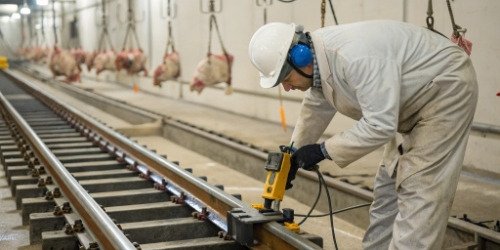
Your slaughterhouse rail scale is giving inconsistent readings, costing you money and efficiency. This uncertainty in your data compromises quality control and your bottom line. Getting the installation right and knowing how to troubleshoot are key.
Proper installation is crucial for accurate slaughterhouse rail scale data. Key steps include ensuring a smooth track connection, placing sensors away from heat, and keeping the track level. Regular maintenance and quarterly professional calibration prevent most common hardware issues.
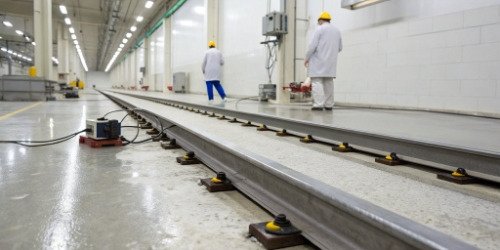
In my 19 years of manufacturing industrial scales, I’ve seen how a small mistake during setup can cause major headaches later. An inaccurate scale doesn't just give you the wrong weight; it can disrupt your entire production flow, affect invoicing, and damage your reputation. But getting it right isn't as complicated as it sounds. Let's break down exactly what you need to focus on to ensure your weighing operations are accurate and efficient from day one. You've invested in the hardware; now let's make sure it works perfectly for you.
What Should Be Considered When Installing a Rail Scale in a Slaughterhouse?
You are ready to install a new rail scale system. However, a small mistake during installation can lead to constant inaccuracies and costly downtime. Focusing on a few key areas ensures a perfect setup.
When installing a slaughterhouse rail scale, focus on three things. First, ensure a smooth connection between your existing track and the scale's track. Second, install sensors far from heat sources. Finally, confirm the entire rail is perfectly level and aligned.
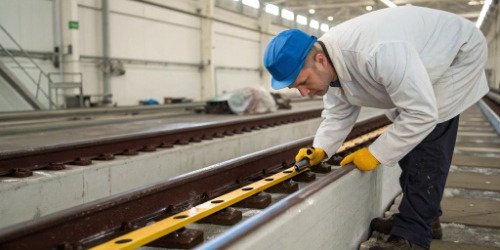
Going deeper into the installation process will help you understand why these points are so critical. The goal is to get a clean, repeatable weight every time a carcass passes over the scale. Any interference, whether mechanical or environmental, will compromise your data. I always tell our partners that the installation is just as important as the quality of the scale itself. A perfect scale installed incorrectly will still give you bad data. To help you avoid common pitfalls, we've broken down the most critical considerations. Paying attention to these details during the setup phase will save you countless hours of troubleshooting later.
Key Installation Areas
| Consideration | Why It Matters | Best Practice |
|---|---|---|
| Track Connection | A bump or gap can jolt the carcass as it moves onto the scale, causing the weight reading to spike and be inaccurate. | The connection must be seamless. Run your hand over the join; you shouldn't feel a ridge or gap. |
| Sensor Placement | Heat from steam cleaning or processing equipment can cause electronic sensors to drift, leading to consistent errors in weight readings. | Install load cells and junction boxes away from heat sources. Follow the manufacturer's recommended clearance distance. |
| Rail Leveling | If the track is not perfectly level, the carcass may accelerate or drag across the scale, which doesn't allow the load cell to capture a stable weight. | Use a spirit level on both the track and the scale body itself to ensure everything is perfectly horizontal and aligned. |
How to Identify and Fix Common Rail Scale Issues in Slaughterhouse Operations?
Your rail scale is giving you strange, unreliable readings. This uncertainty puts your product quality control and operational efficiency at serious risk. Learning to spot and fix common problems will save valuable time.
Identify issues by their symptoms. Jumpy numbers often point to a faulty or damaged sensor. Consistently high or low readings mean you need to recalibrate. If the weight won't stabilize, check for physical obstructions on the track or with the hooks.
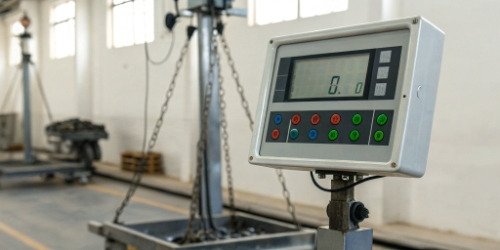
When a scale acts up, the first reaction is often panic, but most issues are simple to diagnose. I had a client whose scale would give wildly different readings every morning. It turned out the night cleaning crew was spraying the load cell directly with a high-pressure hose, causing moisture damage. We replaced the sensor and showed them how to properly shield it, and the problem was solved. This experience shows that understanding the cause helps you find the solution quickly. Let's look at the most frequent problems and what they mean.
Diagnosing Common Faults
-
Symptom: Jumpy or Erratic Readings
This usually signals a problem with the load cell or its wiring. The first step is a visual inspection. Check the cable for any cuts, abrasions, or signs of moisture. Ensure the sensor's housing isn't physically damaged. If the wiring looks good, the load cell itself might have failed due to shock loading or moisture ingress and will likely need to be replaced by a technician. -
Symptom: Stable but Incorrect Readings
If the scale is consistently off by the same amount (for example, every carcass weighs 2 kg too heavy), it's almost always a calibration issue. Over time, all scales drift slightly. The fix is to perform a recalibration using certified standard weights. This is a simple procedure that should be part of your regular maintenance schedule, ideally done quarterly. -
Symptom: Readings Won't Stabilize
When the weight display slowly drifts up or down without settling, the problem is often mechanical. Check if the carcass hook is swinging excessively or touching the side of the rail. Look for any debris, like fat or dirt, built up on the track or in the gaps around the scale. Ensure the scale section of the rail can move freely without any obstruction.
What Are the Key Installation Guidelines for Slaughterhouse Rail Scales?
You need a clear, reliable checklist for your installation team. Missing a single step can compromise the entire system's accuracy and lead to premature failure. Following a few essential guidelines ensures a flawless setup.
Key guidelines include selecting a solid mounting location free from vibration. Always secure the scale body firmly to the overhead structure. Double-check all electrical connections for tightness and proper grounding. Finally, perform an initial calibration after installation is complete.
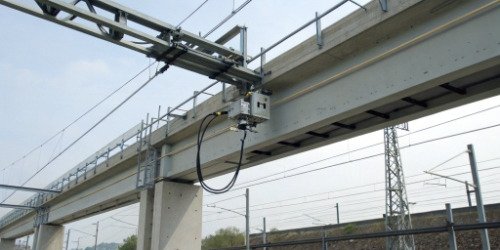
Think of the installation process as building the foundation for your house. If the foundation is weak or uneven, the whole house will have problems. The same is true for a rail scale. The guidelines are not just suggestions; they are requirements for achieving the accuracy and reliability you paid for. We provide these guidelines to every client, whether they are a large processor in North America or a smaller wholesaler in Europe. A good installation is universal. It ensures the scale performs optimally from day one and continues to do so for its entire lifespan. Here is a breakdown of the process into clear stages.
Step-by-Step Installation Stages
| Stage | Key Guideline | Rationale |
|---|---|---|
| 1. Pre-Installation | Site Selection1 | The overhead structure must be solid and free from vibrations caused by nearby machinery. Vibrations can transfer to the scale and create "noise" in the weight signal, leading to inaccurate readings. |
| 2. Mechanical Setup | Secure Mounting and Alignment | The scale body must be bolted tightly to the structure. Any movement will cause errors. Use lock washers to prevent bolts from loosening over time. Use shims to ensure the scale track is perfectly aligned and level with the main track. |
| 3. Electrical Setup | Secure Connections and Grounding2 | All cable connections to the load cell and indicator must be tight. A loose connection can cause intermittent errors. Proper grounding is critical to protect the sensitive electronics from electrical surges and signal interference. |
| 4. Post-Installation | Initial Calibration and Testing3 | Once everything is installed, perform a full calibration with certified weights. Then, run several test carcasses over the scale to confirm readings are accurate, repeatable, and stable. |
How Can Slaughterhouses Troubleshoot Rail Scale Malfunctions Effectively?
Your production line has stopped because the rail scale is down. Every minute of downtime costs you money and creates a bottleneck in your operations. A simple, logical troubleshooting process can get you running again.
To troubleshoot effectively, first isolate the problem. Is it mechanical, electrical, or software? Check for physical obstructions, then inspect cables and connections. Finally, restart the weighing indicator. If the issue persists, call a professional for diagnostics.
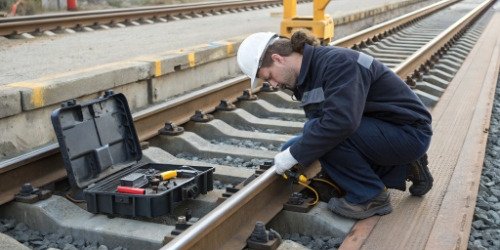
A systematic approach is your best tool when a scale malfunctions. Don't just start randomly checking things. I once got a panicked call from a client in Italy. Their brand new scale wasn't working. Before sending a technician, I asked them to walk me through a simple checklist over the phone. We started with the visual inspection. It turned out a small piece of a plastic crate from the previous day had become wedged in the track gap, preventing the scale from moving freely. It was a 30-second fix that saved them a day of downtime. This simple, step-by-step process can solve over half of all common issues.
A 4-Step Troubleshooting Process
-
Visual Inspection (The Mechanical Check)
First, look at the scale and the area around it. Is there any debris on the track? Is the hook swinging and touching the frame? Is a cable caught on something? Carefully inspect the small gaps between the scale section and the main track. Remove any obstructions you find. -
Power and Cable Check (The Electrical Check)
Next, look at the weighing indicator. Is it powered on? Does it show an error code? Trace the cables from the indicator to the junction box and load cells. Check that every connector is plugged in securely. Look for any visible damage to the cables, like cuts or crush marks. -
The System Reboot (The "IT Crowd" Solution)
Like any electronic device, sometimes the scale's indicator just needs a restart. Power the system completely down, wait for 30 seconds, and then power it back on. This simple action can resolve temporary software glitches or communication freezes between the indicator and the load cell. -
Know When to Call for Help
If you've completed the first three steps and the scale still isn't working correctly, the problem is likely more serious. It could be a failed load cell, a faulty indicator, or an internal wiring issue. At this point, avoid further troubleshooting yourself, as you could cause more damage. It's time to call your service provider or a qualified technician.
Conclusion
Proper installation sets the stage for accuracy. Knowing how to spot and fix common faults minimizes downtime. Regular maintenance ensures your slaughterhouse rail scale remains a reliable asset for years.
-
"Rail Scale Systems", https://www.mt.com/us/en/home/products/Transport_and_Logistics_Solutions/truck-and-rail-scale-systems/rail-scale-systems.html. This source explains how site selection impacts the accuracy and reliability of industrial weighing systems. Evidence role: mechanism; source type: education. Supports: Site Selection. Scope note: The source may not specifically address slaughterhouse environments. ↩
-
"How Do I Know Which Rail Scale I Need?", https://www.ricelake.com/resources/articles/how-do-i-know-which-rail-scale-i-need. This source explains how secure electrical connections and proper grounding protect weighing systems from errors and damage. Evidence role: mechanism; source type: research. Supports: Secure Connections and Grounding. Scope note: The source may not specifically address rail scales. ↩
-
"METHOD FOR TESTING OF WEIGHING AND MEASURING ...", https://dot.ca.gov/-/media/dot-media/programs/engineering/documents/californiatestmethods-ctm/ctm-109-mar2000-a11y.pdf. This source supports the claim that initial calibration and testing are essential for ensuring accurate readings in rail scales. Evidence role: mechanism; source type: education. Supports: Initial Calibration and Testing. Scope note: The source may focus on general weighing systems rather than slaughterhouse-specific rail scales. ↩


Comments (0)